
Adidas vs Nike
Founding story, key facts and history — side by side.
Adidas
The innovative German sportswear pioneer that turned performance footwear into a global cultural lifestyle icon.
| Founded | 1949 |
| Founders | Adolf Dassler |
| HQ | Herzogenaurach, Germany |
| Symbol | ADS |
VS
Nike
Phil Knight sold Japanese shoes from the boot of his car. Bought the swoosh for $35. Revenue fell 10% in 2025.
| Founded | 1964 |
| Founders | Phil Knight, Bill Bowerman |
| HQ | Beaverton, Oregon |
| Symbol | NKE |
The Story — Side by Side
1949
The split from Puma and the three-stripe birth
Following a bitter family feud between brothers Adi and Rudolf Dassler, Adolf "Adi" Dassler founded Adidas. He quickly established the company’s identity by focusing on superior athletic performance, famously providing screw-in studs for the German national football team during their 1954 World Cup victory. This moment not only put Adidas on the map but cemented its reputation as the essential gear for professional athletes worldwide.
1986
The hip-hop collision and the street culture shift
Adidas bridged the gap between professional sports and popular culture when it became the footwear of choice for the hip-hop movement, most notably through Run-D.M.C. By embracing the street style of the urban youth, Adidas transformed from a purely functional performance brand into a fashion necessity. This cultural pivot proved that athletic apparel could be worn as a badge of lifestyle identity, setting the template for the modern sportswear industry.
2006
The Reebok acquisition and the search for scale
In a move to directly challenge Nike’s dominance in the North American market, Adidas acquired its rival Reebok. The acquisition was intended to give Adidas a massive, integrated presence in American sports like basketball and fitness. However, the integration proved difficult, as the two brands struggled to find a unified identity, leading to years of stagnant growth for the Reebok division while Adidas’s core brand remained the primary engine of success.
2021
The Reebok divestment and the digital-direct strategy
After concluding that Reebok no longer aligned with its long-term strategic vision, Adidas sold the brand to Authentic Brands Group. This divestment allowed Adidas to sharpen its focus on its own "Own the Game" strategy, which emphasized direct-to-consumer sales, digital e-commerce, and high-performance sustainable apparel. By cutting away the bloat, Adidas aimed to reclaim its agility in a fast-moving, influencer-driven global market.
2026
The high-performance lifestyle powerhouse
By mid-2026, Adidas operates as a streamlined, data-driven global apparel giant. Through its mastery of supply-chain automation and its deep integration with digital creators, the company has maintained its status as the leading European sportswear brand. It balances its core athletic heritage with high-margin lifestyle collections, consistently proving its ability to adapt to rapid changes in global youth culture.
1962
A Stanford thesis and a Japanese shoe factory
Phil Knight was a middle-distance runner at the University of Oregon who wrote a business school thesis at Stanford in 1962 arguing that high-quality Japanese athletic shoes could undercut the German brands — Adidas and Puma — dominating the American market. After graduating, Knight flew to Japan, visited the Tiger shoe factory (now Onitsuka Tiger), and persuaded them to let him distribute their shoes in the western United States. He had no money, no warehouse, and no customers. He sold the first pairs from the boot of his car at track meets.
1971
The swoosh for $35
When the company — then called Blue Ribbon Sports — needed a logo for its own shoe line, Knight asked graphic design student Carolyn Davidson to create something that conveyed movement. She presented several options; Knight chose the swoosh, which he reportedly did not love: "I don't love it, but it'll grow on me." Davidson was paid $35. The company was renamed Nike — after the Greek goddess of victory. Years later, Knight gave Davidson a gold swoosh ring set with a diamond and an undisclosed amount of Nike stock in belated recognition.
1984
Michael Jordan and the Air Jordan
Nike signed Michael Jordan in 1984 for $2.5 million over five years — a record athlete endorsement deal at the time. Jordan had preferred Adidas; Nike had to work to convince him. The Air Jordan 1, released in 1985 in Chicago Bulls red and black, was banned by the NBA for violating uniform rules. Nike paid Jordan's fines — $5,000 per game — and turned the ban into a marketing campaign. The Air Jordan became the most successful athletic shoe franchise in history, eventually generating over $5 billion annually.
2018
Just Do It with Colin Kaepernick
Nike's 2018 campaign featuring Colin Kaepernick — the NFL quarterback who had knelt during the national anthem to protest police brutality — was one of the most polarising advertising decisions in corporate history: "Believe in something. Even if it means sacrificing everything." Nike stock fell 3% on the announcement. Calls to boycott Nike trended on social media. Nike's online sales increased 31% in the following days. The campaign won the Emmy Award for Outstanding Commercial.
2025
$46.3 billion in revenue — down 10%
Nike reported fiscal year 2025 revenues of $46.3 billion — down 10% from $51.4 billion in 2024 — its steepest annual decline in decades. Net income fell 44% to $3.2 billion. The company had over-indexed to direct-to-consumer channels and pulled back from wholesale partnerships, then had to reverse course. New CEO Elliott Hill — who rejoined after a 32-year career at Nike — launched a restructuring strategy and cut approximately 1% of corporate headcount to redirect resources toward innovation, athlete collaborations, and international expansion. Nike remained the world's most valuable sportswear brand by a significant margin. The question was whether the company that had defined athletic culture for four decades could reinvent itself quickly enough to stay there.
Tools & Platforms
For Investors
The market doesn't care about your feelings.
But your broker's fees do.
But your broker's fees do.
Most people have a brokerage account. Fewer understand what it really costs them — in spreads, in fees, in missed instruments. Malta-regulated, direct market access, 600,000+ instruments.
Exante
Malta MFSA · 50 exchanges
Tickmill
Forex from 0.0 pips
Vantage
Multi-asset trading
Polymarket
Prediction markets
For Entrepreneurs
Opening a US company costs $300.
Most people think it's complicated. It isn't.
Most people think it's complicated. It isn't.
Most founders spend weeks on formation, banking and payments. The ones who move fast know which tools to use before they start. A US LLC, a real business account, and a way to pay people — in that order.
Mercury
Business finance · 300K+ founders
Doola
US LLC formation · YC backed
Melio
B2B payments
Xero 95% OFF
Accounting · 6 months
For C-Suite
Your competitor pays $200 less per month for EOR.
You're still on a spreadsheet.
You're still on a spreadsheet.
BVNK hired 20% of its workforce through Deel. The smartest operators aren't managing payroll complexity — they're outsourcing it. EOR in 150+ countries, multi-currency accounts, workforce payments at $200 less per month than competitors.
Deel
EOR · 150+ countries
Payoneer
$399/mo EOR · Save $200
Wise Business
40+ currencies · No hidden fees
Gusto
US payroll & benefits
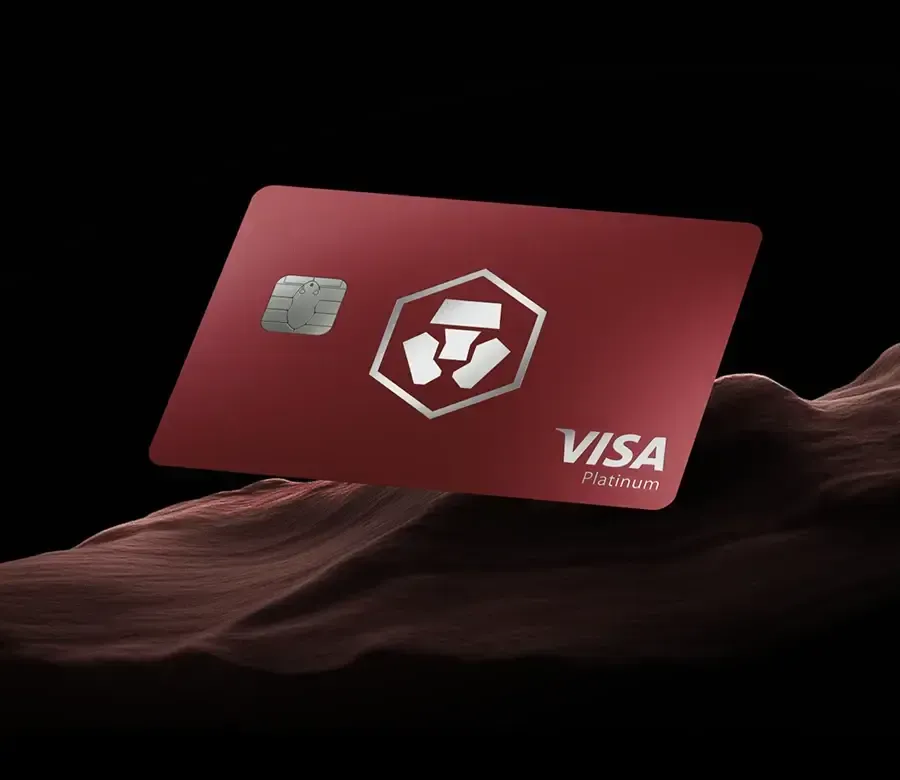
PLUS
2.0%
back in crypto · on every spend
€3.99 / month
or €39.90/year (€3.32/month)
Zero trading fees up to $20K/month
2.0% back in crypto on card spend
0% foreign exchange fees
EUR Cash Yield up to 1.35% p.a.
CRO Yield up to 2.00% p.a.
Virtual Visa card · Flexible cancel
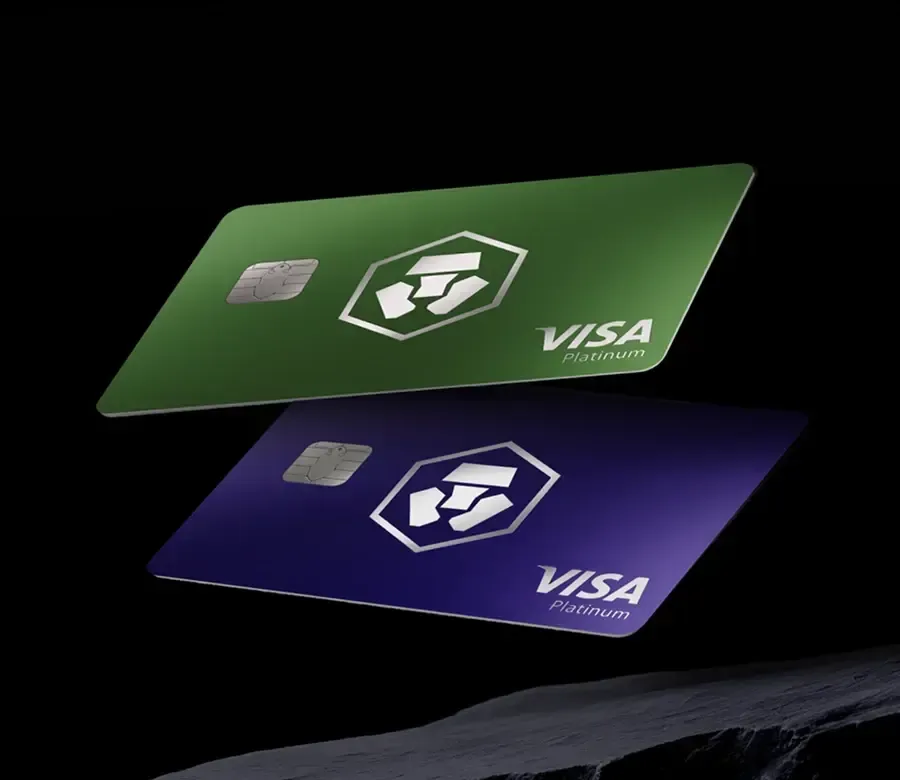
PRO
3.0%
back in crypto · on every spend
€24.99 / month
or €249.90/year (€20.82/month)
Zero trading fees up to $50K/month
3.0% back in crypto on card spend
0% foreign exchange fees
EUR Cash Yield up to 1.70% p.a.
CRO Yield up to 2.50% p.a.
Airport lounge access (Priority Pass)
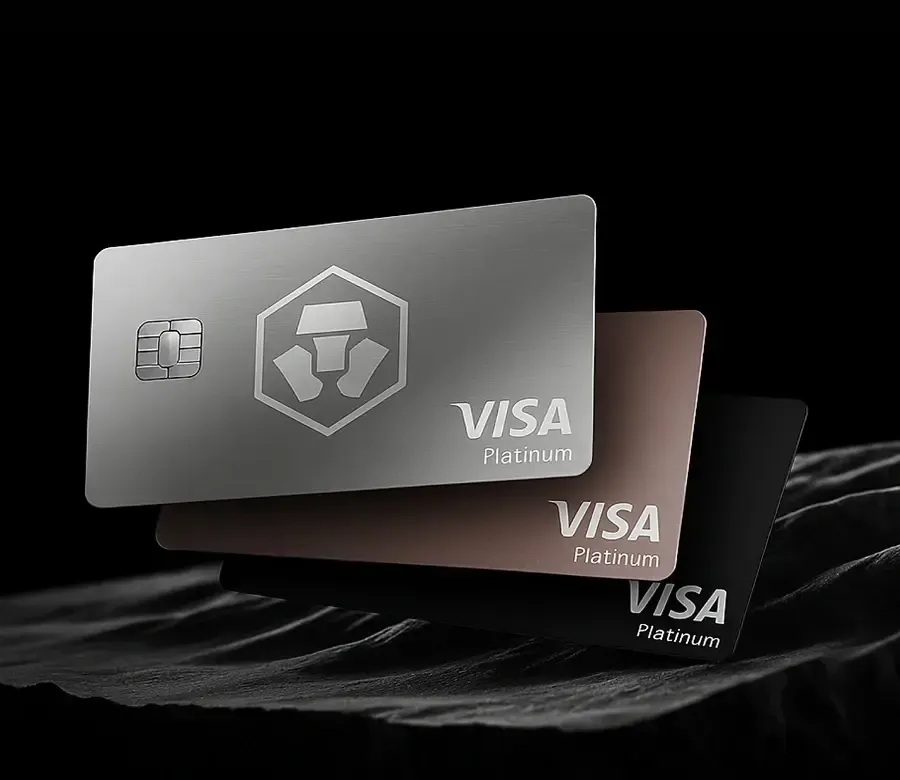
PRIVATE
4–6%
back in crypto · on every spend
CRO Lockup from €45,000
8.5% yield · 12-month staking · €450K tier at 9.5%
Zero trading fees · Unlimited volume
4.0%–6.0% back in crypto
0% foreign exchange fees
EUR Cash Yield up to 1.80% p.a.
Extra 1% p.a. on Earn allocations in CRO
VIP events · Exclusive experiences
8.5% CRO lockup rewards