
Al Jazeera vs BBC
Founding story, key facts and history — side by side.
Al Jazeera
Born from a failed BBC venture, it shook the Arab world and became a high-stakes geopolitical shield for Qatar.
| Founded | 1996 |
| Founders | Hamad bin Khalifa Al Thani (Emir of Qatar) |
| HQ | Doha, Qatar |
| Symbol | STATE |
VS
BBC
Funded by a mandatory household tax, it survived wartime bombings to become the ultimate global soft power weapon.
| Founded | 1922 |
| Founders | John Reith (First Director-General) |
| HQ | London, United Kingdom |
| Symbol | PUBLIC |
The Story — Side by Side
1996
Born from a dead BBC channel
Al Jazeera was created out of the ashes of a failed Arabic-language television partnership between the BBC and Saudi satellite provider Orbit. When the Saudi government heavily censored a BBC documentary on executions, the venture collapsed instantly, leaving dozens of highly trained Arab journalists unemployed. The Emir of Qatar, Hamad bin Khalifa Al Thani, stepped in with a $137 million loan to fund a brand new network in Doha. He gave the journalists absolute editorial freedom to criticize neighboring Arab regimes, a radical anomaly in the Middle East.
2001
The bin Laden tapes and US air strikes
Following the September 11 attacks, Al Jazeera became the only international news organization covering the war in Afghanistan from inside Taliban-controlled territory. The network achieved global notoriety by broadcasting exclusive video statements from Osama bin Laden, which enraged the United States government. High-ranking US officials accused the station of operating as a terrorist propaganda channel. In November 2001, a US missile strike completely destroyed Al Jazeera's bureau in Kabul, an action the military claimed was an accident.
2011
The Arab Spring proxy engine
Al Jazeera played an incredibly powerful, deeply controversial role during the 2011 Arab Spring uprisings across Tunisia, Egypt, and Libya. By utilizing citizen-journalism footage and broadcasting non-stop live footage of street protests, the network bypassed state media blackouts and helped mobilize millions of demonstrators. Neighboring Arab dictatorships accused the network of serving as a proxy weapon for the Qatari government to destabilize rival regimes. Egypt responded by arresting several Al Jazeera journalists, shutting down their local bureaus, and banning their satellite signal.
2017
The blockade and the shutdown demand
In June 2017, a powerful coalition of nations including Saudi Arabia, the UAE, Bahrain, and Egypt launched a total diplomatic and economic blockade against Qatar. The coalition issued a strict list of 13 demands to end the blockade, and the absolute non-negotiable item was the immediate, total shutdown of Al Jazeera. The Qatari government firmly refused to comply, framing the network's survival as an issue of national sovereignty. The network continued broadcasting throughout the multi-year crisis, solidifying its status as Qatar's ultimate geopolitical shield.
2026
Global digital expansion and algorithmic warfare
By 2026, Al Jazeera successfully pivoted from traditional satellite broadcasting to an aggressive digital-first media conglomerate. Through its highly lucrative AJ+ digital short-form video brand, the network built massive audiences across Western social media platforms, targeting younger demographics with progressive social coverage that differed sharply from its conservative Arabic broadcast content. Operating with a massive state-backed budget, the network expanded its global influence across the Global South, utilizing sophisticated digital channels to counter Western media narratives despite facing constant regional censorship.
1922
The radio monopoly monopoly
The BBC was originally formed as a private commercial corporation by a group of radio manufacturers to prevent the chaotic airwave competition seen in the United States. Led by John Reith, the company established a fierce public service ethos designed to inform, educate, and entertain. Reith believed the company should never be driven by commercial profit, convincing the British government to ban all commercial advertising. The network was quickly converted into a public corporation funded exclusively by a mandatory domestic radio license fee.
1940
Broadcasting through the Blitz bombs
During World War II, the BBC became the primary psychological lifeline for occupied Europe and the domestic British population. Broadcasting in dozens of languages, the BBC World Service sent coded messages to resistance fighters hidden across France and the Netherlands. During the height of the Blitz, Broadcasting House in London was directly hit by a massive German bomb during a live news reading. The newsreader, Bruce Belfrage, famously paused for just a second to brush the plaster dust off his script and continued reading without acknowledging the explosion.
1995
The explosive secret interview scam
In November 1995, the BBC broadcasted a highly controversial interview between journalist Martin Bashir and Diana, Princess of Wales, drawing over 23 million viewers. During the broadcast, Diana openly questioned Prince Charles' fitness to be king and admitted to infidelity. Decades later, a formal independent investigation revealed that Bashir had used highly deceptive tactics, including bankrolling forged bank statements, to trick Diana's brother into facilitating the interview. The scandal deeply damaged the BBC's editorial reputation, forcing the network to issue formal apologies to the royal family.
2007
The iPlayer digital revolution
Long before Netflix achieved global streaming dominance, the BBC revolutionized digital media distribution by launching the iPlayer in 2007. The platform allowed UK citizens to stream catch-up television over the internet completely free of commercial advertising, utilizing their mandatory TV license funding. The service faced immense political opposition from commercial broadcasters who claimed it stifled private competition. Despite the pushback, the iPlayer was a massive technological triumph, setting the architectural standard for modern streaming applications.
2026
The battle for the mandatory license fee
By 2026, the BBC faced an aggressive political battle over its unique, highly controversial funding model. With the UK government threatening to completely abolish the mandatory television license fee by 2027, the corporation moved fast to aggressively expand its global commercial operations. Under BBC Studios, the network scaled its international streaming partnerships, sold premium format rights globally, and consolidated audio content into the BBC Sounds application. This aggressive commercial push allowed the broadcaster to sustain its massive journalistic footprint despite losing domestic public funding.
Tools & Platforms
For Investors
The market doesn't care about your feelings.
But your broker's fees do.
But your broker's fees do.
Most people have a brokerage account. Fewer understand what it really costs them — in spreads, in fees, in missed instruments. Malta-regulated, direct market access, 600,000+ instruments.
Exante
Malta MFSA · 50 exchanges
Tickmill
Forex from 0.0 pips
Vantage
Multi-asset trading
Polymarket
Prediction markets
For Entrepreneurs
Opening a US company costs $300.
Most people think it's complicated. It isn't.
Most people think it's complicated. It isn't.
Most founders spend weeks on formation, banking and payments. The ones who move fast know which tools to use before they start. A US LLC, a real business account, and a way to pay people — in that order.
Mercury
Business finance · 300K+ founders
Doola
US LLC formation · YC backed
Melio
B2B payments
Xero 95% OFF
Accounting · 6 months
For C-Suite
Your competitor pays $200 less per month for EOR.
You're still on a spreadsheet.
You're still on a spreadsheet.
BVNK hired 20% of its workforce through Deel. The smartest operators aren't managing payroll complexity — they're outsourcing it. EOR in 150+ countries, multi-currency accounts, workforce payments at $200 less per month than competitors.
Deel
EOR · 150+ countries
Payoneer
$399/mo EOR · Save $200
Wise Business
40+ currencies · No hidden fees
Gusto
US payroll & benefits
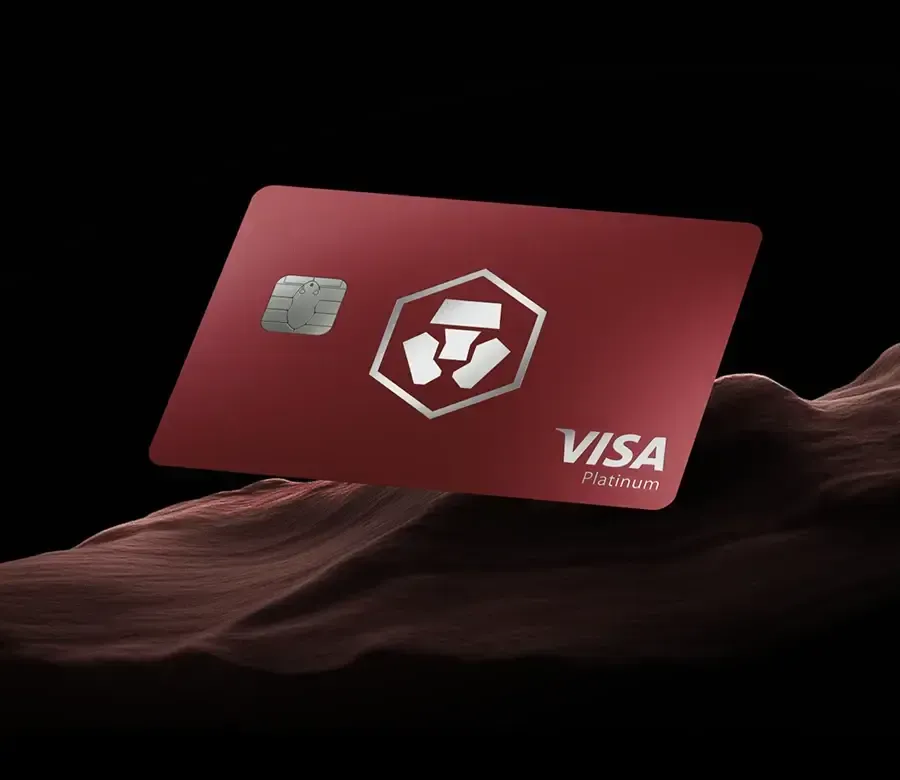
PLUS
2.0%
back in crypto · on every spend
€3.99 / month
or €39.90/year (€3.32/month)
Zero trading fees up to $20K/month
2.0% back in crypto on card spend
0% foreign exchange fees
EUR Cash Yield up to 1.35% p.a.
CRO Yield up to 2.00% p.a.
Virtual Visa card · Flexible cancel
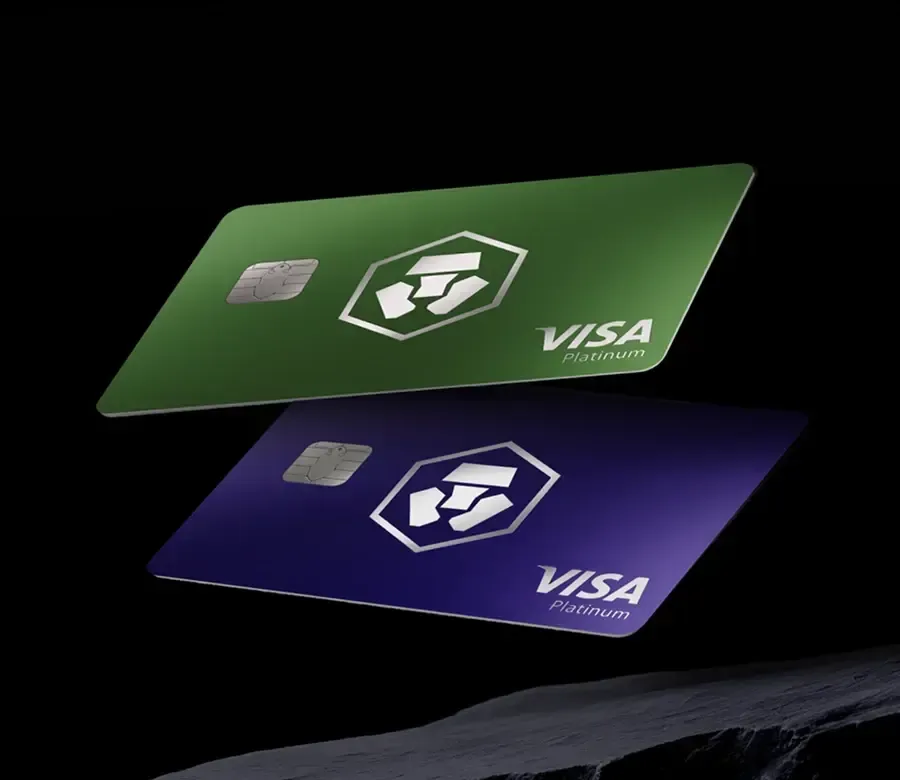
PRO
3.0%
back in crypto · on every spend
€24.99 / month
or €249.90/year (€20.82/month)
Zero trading fees up to $50K/month
3.0% back in crypto on card spend
0% foreign exchange fees
EUR Cash Yield up to 1.70% p.a.
CRO Yield up to 2.50% p.a.
Airport lounge access (Priority Pass)
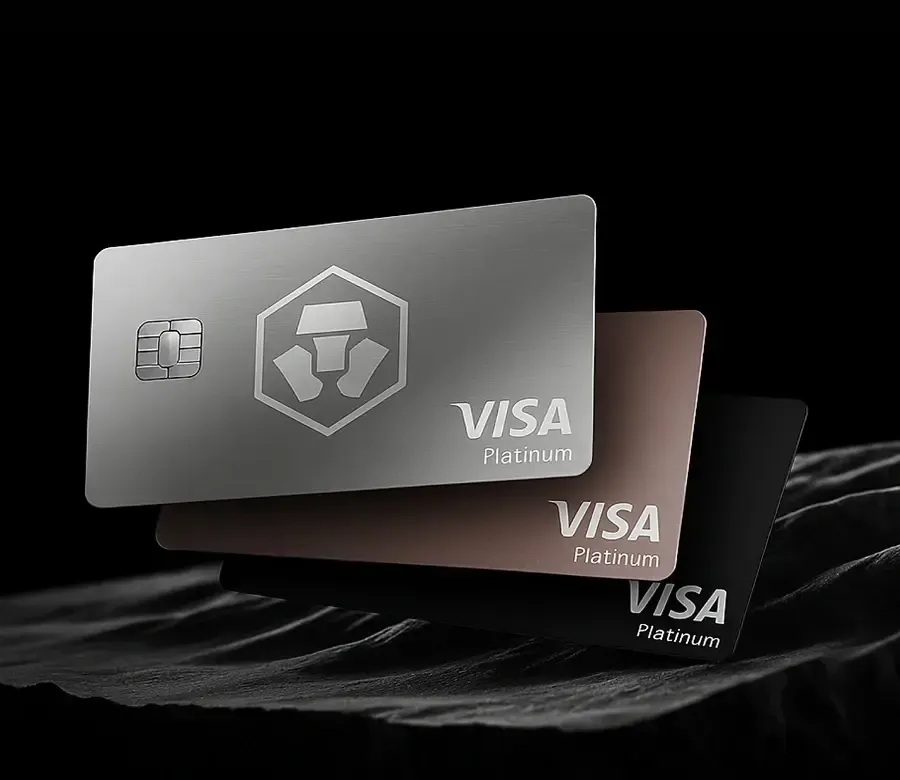
PRIVATE
4–6%
back in crypto · on every spend
CRO Lockup from €45,000
8.5% yield · 12-month staking · €450K tier at 9.5%
Zero trading fees · Unlimited volume
4.0%–6.0% back in crypto
0% foreign exchange fees
EUR Cash Yield up to 1.80% p.a.
Extra 1% p.a. on Earn allocations in CRO
VIP events · Exclusive experiences
8.5% CRO lockup rewards