
Al Jazeera vs Cable News Network
Founding story, key facts and history — side by side.
Al Jazeera
Born from a failed BBC venture, it shook the Arab world and became a high-stakes geopolitical shield for Qatar.
| Founded | 1996 |
| Founders | Hamad bin Khalifa Al Thani (Emir of Qatar) |
| HQ | Doha, Qatar |
| Symbol | STATE |
VS
Cable News Network
Dismissed as "Chicken Noodle News" in 1980. Then, the Gulf War changed the architecture of global information.
| Founded | 1980 |
| Founders | Ted Turner |
| HQ | Atlanta, Georgia |
| Symbol | WBD |
The Story — Side by Side
1996
Born from a dead BBC channel
Al Jazeera was created out of the ashes of a failed Arabic-language television partnership between the BBC and Saudi satellite provider Orbit. When the Saudi government heavily censored a BBC documentary on executions, the venture collapsed instantly, leaving dozens of highly trained Arab journalists unemployed. The Emir of Qatar, Hamad bin Khalifa Al Thani, stepped in with a $137 million loan to fund a brand new network in Doha. He gave the journalists absolute editorial freedom to criticize neighboring Arab regimes, a radical anomaly in the Middle East.
2001
The bin Laden tapes and US air strikes
Following the September 11 attacks, Al Jazeera became the only international news organization covering the war in Afghanistan from inside Taliban-controlled territory. The network achieved global notoriety by broadcasting exclusive video statements from Osama bin Laden, which enraged the United States government. High-ranking US officials accused the station of operating as a terrorist propaganda channel. In November 2001, a US missile strike completely destroyed Al Jazeera's bureau in Kabul, an action the military claimed was an accident.
2011
The Arab Spring proxy engine
Al Jazeera played an incredibly powerful, deeply controversial role during the 2011 Arab Spring uprisings across Tunisia, Egypt, and Libya. By utilizing citizen-journalism footage and broadcasting non-stop live footage of street protests, the network bypassed state media blackouts and helped mobilize millions of demonstrators. Neighboring Arab dictatorships accused the network of serving as a proxy weapon for the Qatari government to destabilize rival regimes. Egypt responded by arresting several Al Jazeera journalists, shutting down their local bureaus, and banning their satellite signal.
2017
The blockade and the shutdown demand
In June 2017, a powerful coalition of nations including Saudi Arabia, the UAE, Bahrain, and Egypt launched a total diplomatic and economic blockade against Qatar. The coalition issued a strict list of 13 demands to end the blockade, and the absolute non-negotiable item was the immediate, total shutdown of Al Jazeera. The Qatari government firmly refused to comply, framing the network's survival as an issue of national sovereignty. The network continued broadcasting throughout the multi-year crisis, solidifying its status as Qatar's ultimate geopolitical shield.
2026
Global digital expansion and algorithmic warfare
By 2026, Al Jazeera successfully pivoted from traditional satellite broadcasting to an aggressive digital-first media conglomerate. Through its highly lucrative AJ+ digital short-form video brand, the network built massive audiences across Western social media platforms, targeting younger demographics with progressive social coverage that differed sharply from its conservative Arabic broadcast content. Operating with a massive state-backed budget, the network expanded its global influence across the Global South, utilizing sophisticated digital channels to counter Western media narratives despite facing constant regional censorship.
1980
The Chicken Noodle News gamble
When eccentric billboard magnate Ted Turner launched CNN on June 1, 1980, the television industry laughed openly at the concept. Major networks like CBS and NBC dismissed the 24-hour news cycle, mockingly referring to CNN as the "Chicken Noodle News" because of its low budget and inexperienced staff. Turner had lost millions in the initial launch phase, mortgaging his entire media company to keep the channel on the air. He famously ordered his staff to broadcast until the end of the world, preparing a specific military band tape to play if the apocalypse arrived.
1991
Live from the Baghdad bombings
CNN fundamentally altered the course of media history during the outbreak of the Gulf War in January 1991. While all major broadcast networks lost their connections as the American bombing of Baghdad began, CNN reporters Bernard Shaw, Peter Arnett, and John Holliman remained live from their room at the Al-Rashid Hotel. Utilizing a highly secure, private four-wire telephone line, they broadcasted the live sounds and visuals of the anti-aircraft fire to a captivated global audience. Over one billion people watched, cementing CNN as a vital diplomatic tool.
2000
The disastrous AOL Time Warner merger
In 2000, CNN's parent company, Time Warner, agreed to a catastrophic $164 billion merger with internet pioneer AOL. The deal, intended to create a massive digital media ecosystem, quickly turned into the worst corporate merger in history as the dot-com bubble burst. CNN suffered deep budget cuts, severe layoffs, and a chaotic corporate identity crisis as billions in value evaporated. Ted Turner later stated the merger personally cost him over $7 billion, drastically diminishing his influence over the network he created.
2022
The $300 million streaming collapse
In April 2022, CNN suffered one of the most expensive and public digital failures in modern media history with the abrupt shutdown of CNN+. Launched with a massive marketing budget of $300 million and high-profile talent acquisitions, the streaming service was designed to transition the network away from dying cable models. However, just days after launch, parent company WarnerMedia merged with Discovery. The new management immediately pulled the plug on the service after only 32 days, firing executives and stranding thousands of subscribers.
2026
The post-cable survival crisis
By 2026, CNN faced a profound existential crisis as traditional cable television subscriptions plummeted to historic lows across the United States. Under its parent company Warner Bros. Discovery, the network aggressively moved its core live broadcast feeds into the Max streaming application to bypass the crumbling cable package model. Despite severe linear ratings declines, CNN's digital news portal maintained its status as the world's most-visited news website, generating over 1.2 billion unique monthly visitors. The company heavily structured its business around high-margin digital advertising and specialized dynamic video programming.
Tools & Platforms
For Investors
The market doesn't care about your feelings.
But your broker's fees do.
But your broker's fees do.
Most people have a brokerage account. Fewer understand what it really costs them — in spreads, in fees, in missed instruments. Malta-regulated, direct market access, 600,000+ instruments.
Exante
Malta MFSA · 50 exchanges
Tickmill
Forex from 0.0 pips
Vantage
Multi-asset trading
Polymarket
Prediction markets
For Entrepreneurs
Opening a US company costs $300.
Most people think it's complicated. It isn't.
Most people think it's complicated. It isn't.
Most founders spend weeks on formation, banking and payments. The ones who move fast know which tools to use before they start. A US LLC, a real business account, and a way to pay people — in that order.
Mercury
Business finance · 300K+ founders
Doola
US LLC formation · YC backed
Melio
B2B payments
Xero 95% OFF
Accounting · 6 months
For C-Suite
Your competitor pays $200 less per month for EOR.
You're still on a spreadsheet.
You're still on a spreadsheet.
BVNK hired 20% of its workforce through Deel. The smartest operators aren't managing payroll complexity — they're outsourcing it. EOR in 150+ countries, multi-currency accounts, workforce payments at $200 less per month than competitors.
Deel
EOR · 150+ countries
Payoneer
$399/mo EOR · Save $200
Wise Business
40+ currencies · No hidden fees
Gusto
US payroll & benefits
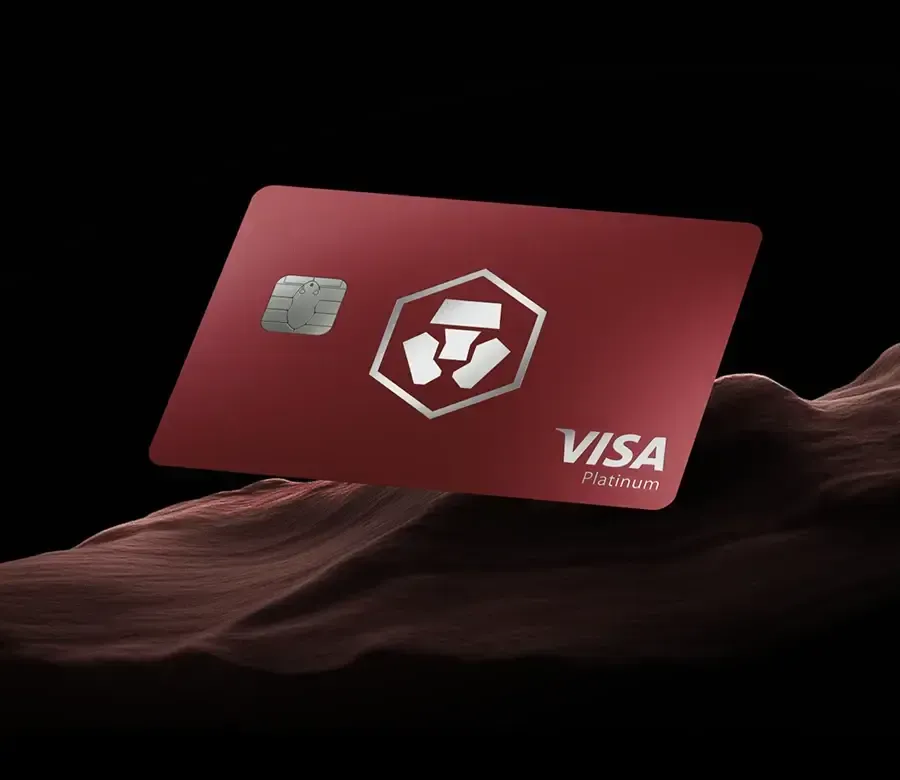
PLUS
2.0%
back in crypto · on every spend
€3.99 / month
or €39.90/year (€3.32/month)
Zero trading fees up to $20K/month
2.0% back in crypto on card spend
0% foreign exchange fees
EUR Cash Yield up to 1.35% p.a.
CRO Yield up to 2.00% p.a.
Virtual Visa card · Flexible cancel
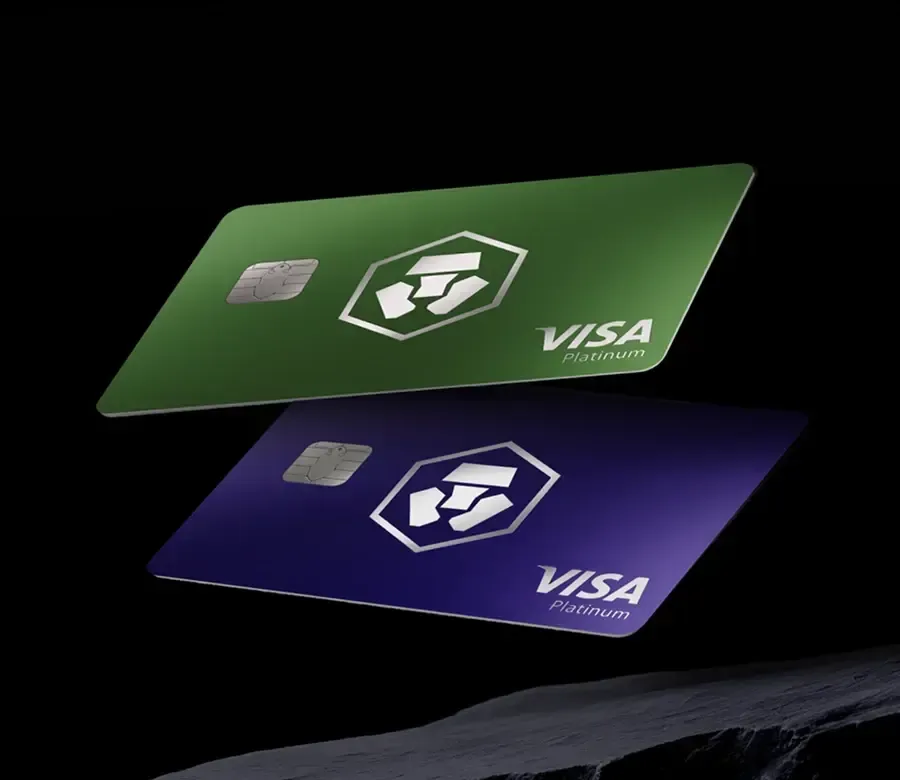
PRO
3.0%
back in crypto · on every spend
€24.99 / month
or €249.90/year (€20.82/month)
Zero trading fees up to $50K/month
3.0% back in crypto on card spend
0% foreign exchange fees
EUR Cash Yield up to 1.70% p.a.
CRO Yield up to 2.50% p.a.
Airport lounge access (Priority Pass)
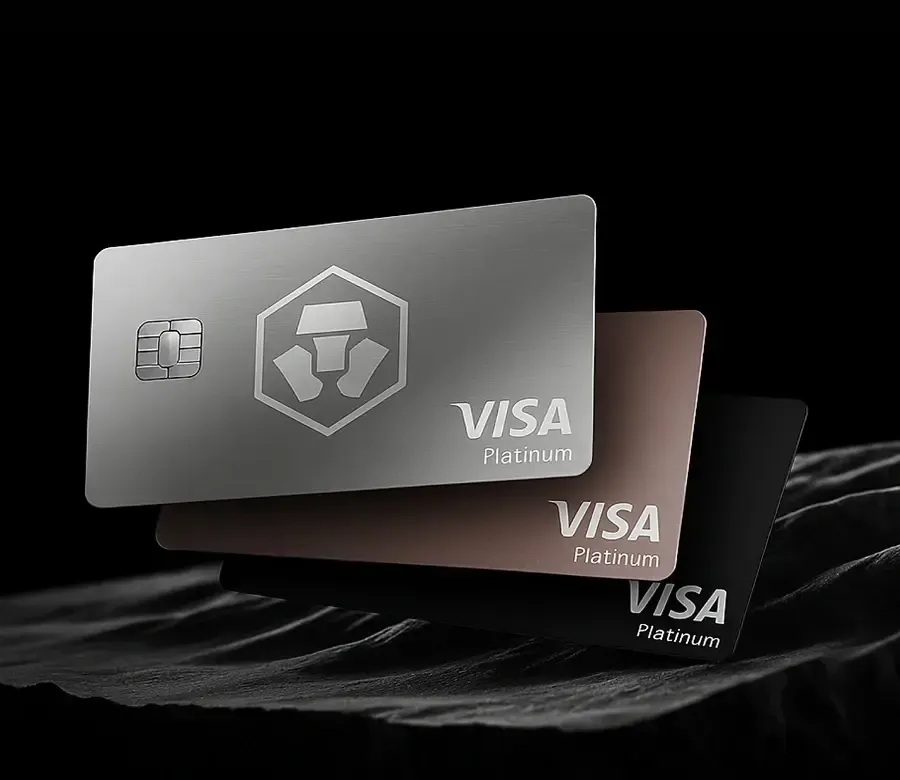
PRIVATE
4–6%
back in crypto · on every spend
CRO Lockup from €45,000
8.5% yield · 12-month staking · €450K tier at 9.5%
Zero trading fees · Unlimited volume
4.0%–6.0% back in crypto
0% foreign exchange fees
EUR Cash Yield up to 1.80% p.a.
Extra 1% p.a. on Earn allocations in CRO
VIP events · Exclusive experiences
8.5% CRO lockup rewards