
Anthropic vs Alphabet Inc. (Google)
Founding story, key facts and history — side by side.
Anthropic
Left OpenAI over safety concerns. Built the AI that might be safest. Revenue hit $47B run rate in 3 years.
| Founded | 2021 |
| Founders | Dario Amodei, Daniela Amodei, Tom Brown, Chris Olah, Sam McCandlish, Jack Clark, Jared Kaplan |
| HQ | San Francisco, California |
| Symbol | Private |
VS
Alphabet Inc. (Google)
Almost sold for $1 million. The buyer said no. Now facing the biggest antitrust case since Microsoft.
| Founded | 1998 |
| Founders | Larry Page, Sergey Brin |
| HQ | Mountain View, California |
| Symbol | GOOGL |
The Story — Side by Side
2020
The OpenAI exodus
Dario Amodei was VP of Research at OpenAI in 2020, overseeing the development of GPT-3 — the most capable language model ever built at the time. He and a group of colleagues, including his sister Daniela, became increasingly concerned that OpenAI was prioritising commercial deployment over safety research. In December 2020, Dario, Daniela, and five other senior OpenAI researchers resigned. It was the largest talent departure in OpenAI's history.
2021
Building the "responsible" AI company
Anthropic was founded in January 2021 with $124 million in seed funding and a stated mission: the responsible development and maintenance of advanced AI for the long-term benefit of humanity. The company developed Constitutional AI — a method for training AI systems to be helpful, harmless, and honest by having the AI evaluate its own outputs against a set of principles. Claude, Anthropic's AI assistant, launched in March 2023 and was designed from the ground up with safety properties its founders believed were absent from competing systems.
2023
Amazon invests $4 billion, Google follows
Amazon invested up to $4 billion in Anthropic in September 2023. Google had previously invested $300 million. The investments valued Anthropic at approximately $20 billion and came with commercial agreements: Amazon would deploy Claude across AWS; Google would integrate Claude into its cloud offerings. Anthropic's run-rate revenue was approximately $87 million in January 2024. It would grow 345x in 28 months.
2025
Claude Code and the fastest revenue growth in software history
Anthropic launched Claude Code — an agentic AI coding tool — publicly in May 2025. By November 2025, Claude Code alone was generating over $1 billion in annualised revenue. By February 2026, that figure had reached $2.5 billion. Anthropic's total run-rate revenue hit $9 billion by end of 2025, $30 billion by April 2026, and $47 billion in May 2026. In February 2026, Anthropic closed a $30 billion Series G at a $380 billion valuation. In May 2026, it closed a $65 billion Series H at a $965 billion valuation. Salesforce took 20 years to reach $30 billion in annual revenue. Anthropic did it in under three years from a standing start.
2026
The safety-capabilities paradox — and the IPO
Anthropic filed confidentially for an IPO in June 2026, with Goldman Sachs, JPMorgan, and Morgan Stanley in early discussions for a potential public offering as early as October 2026. The company that had left OpenAI over safety concerns had built one of the most capable — and most commercially successful — AI systems in the world. Whether safety and capability were in tension, as Anthropic's founders had originally believed, or complementary, as its commercial success suggested, remained the defining question of the AI industry. Anthropic had made the question more precise. It had not yet answered it.
1996
BackRub: the search engine with an ugly name
Larry Page and Sergey Brin met at Stanford in 1995. By 1996 they had built a search engine called BackRub — named after its method of analysing backlinks. It ran on Stanford's servers and consumed so much bandwidth that the university repeatedly asked them to take it down.
1998
The $100,000 cheque for a company that didn't exist
Sun Microsystems co-founder Andy Bechtolsheim wrote Google a cheque for $100,000 in August 1998 after a brief demo in a Stanford parking lot. There was one problem: Google Inc. didn't exist yet. Page and Brin had to incorporate the company before they could cash it.
1999
They tried to sell Google for $1 million
In 1999, Page and Brin tried to sell Google to Excite CEO George Bell for $1 million. Bell turned them down — the search was too good, it would send users away from Excite's portal too quickly. Bell later called it the worst decision of his career. Excite filed for bankruptcy in 2001. Google became worth more than $2 trillion.
2023
Code red: the ChatGPT war begins
When OpenAI launched ChatGPT in November 2022, Google declared an internal "code red." The company that had invented the transformer architecture — the technology that made ChatGPT possible — had published its research openly and was now scrambling to compete with the system it had inadvertently enabled. Google rushed Bard to market. It made a factual error in its first public demo. The stock dropped $100 billion in a single day. Google's search share fell from 80% to under 70% as users migrated to ChatGPT, Perplexity, and Claude.
2025
The antitrust ruling that changed everything
In September 2025, a U.S. federal court ruled that Google had illegally maintained its monopoly in search, ordering the company to end exclusive distribution contracts with Apple, device manufacturers, and browser makers. The Apple deal alone had been worth approximately $20 billion per year to keep Google as the default search engine on Safari. The court stopped short of forcing Google to sell Chrome or Android, but the ruling was the most consequential antitrust action against a technology company since the Microsoft case of 1998. Google announced it would appeal. The case is expected to reach the Supreme Court.
Tools & Platforms
For Investors
The market doesn't care about your feelings.
But your broker's fees do.
But your broker's fees do.
Most people have a brokerage account. Fewer understand what it really costs them — in spreads, in fees, in missed instruments. Malta-regulated, direct market access, 600,000+ instruments.
Exante
Malta MFSA · 50 exchanges
Tickmill
Forex from 0.0 pips
Vantage
Multi-asset trading
Polymarket
Prediction markets
For Entrepreneurs
Opening a US company costs $300.
Most people think it's complicated. It isn't.
Most people think it's complicated. It isn't.
Most founders spend weeks on formation, banking and payments. The ones who move fast know which tools to use before they start. A US LLC, a real business account, and a way to pay people — in that order.
Mercury
Business finance · 300K+ founders
Doola
US LLC formation · YC backed
Melio
B2B payments
Xero 95% OFF
Accounting · 6 months
For C-Suite
Your competitor pays $200 less per month for EOR.
You're still on a spreadsheet.
You're still on a spreadsheet.
BVNK hired 20% of its workforce through Deel. The smartest operators aren't managing payroll complexity — they're outsourcing it. EOR in 150+ countries, multi-currency accounts, workforce payments at $200 less per month than competitors.
Deel
EOR · 150+ countries
Payoneer
$399/mo EOR · Save $200
Wise Business
40+ currencies · No hidden fees
Gusto
US payroll & benefits
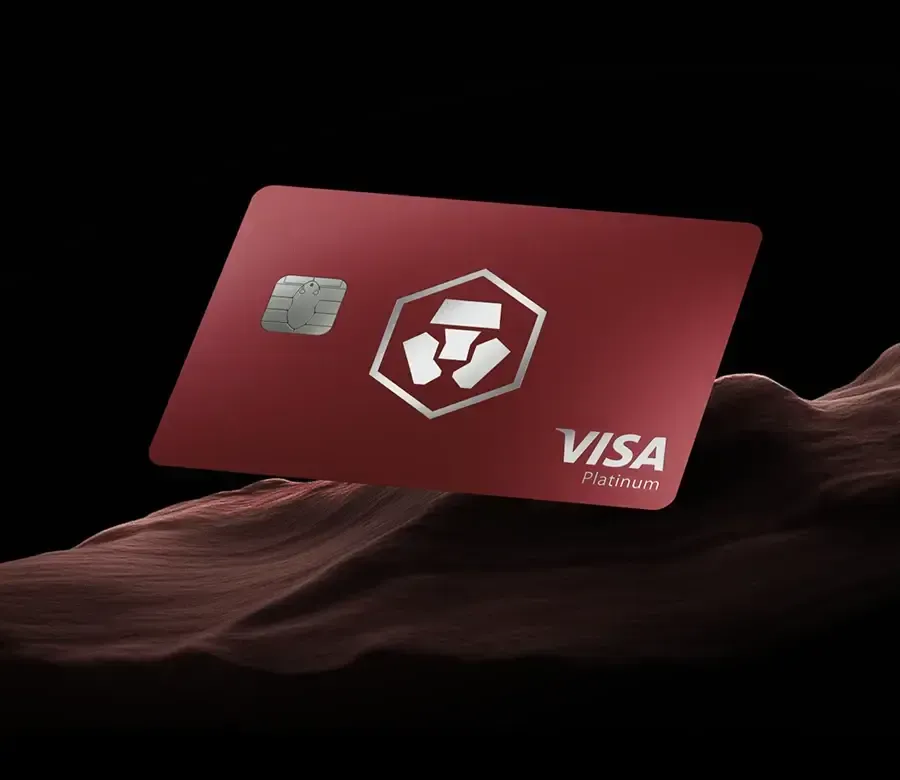
PLUS
2.0%
back in crypto · on every spend
€3.99 / month
or €39.90/year (€3.32/month)
Zero trading fees up to $20K/month
2.0% back in crypto on card spend
0% foreign exchange fees
EUR Cash Yield up to 1.35% p.a.
CRO Yield up to 2.00% p.a.
Virtual Visa card · Flexible cancel
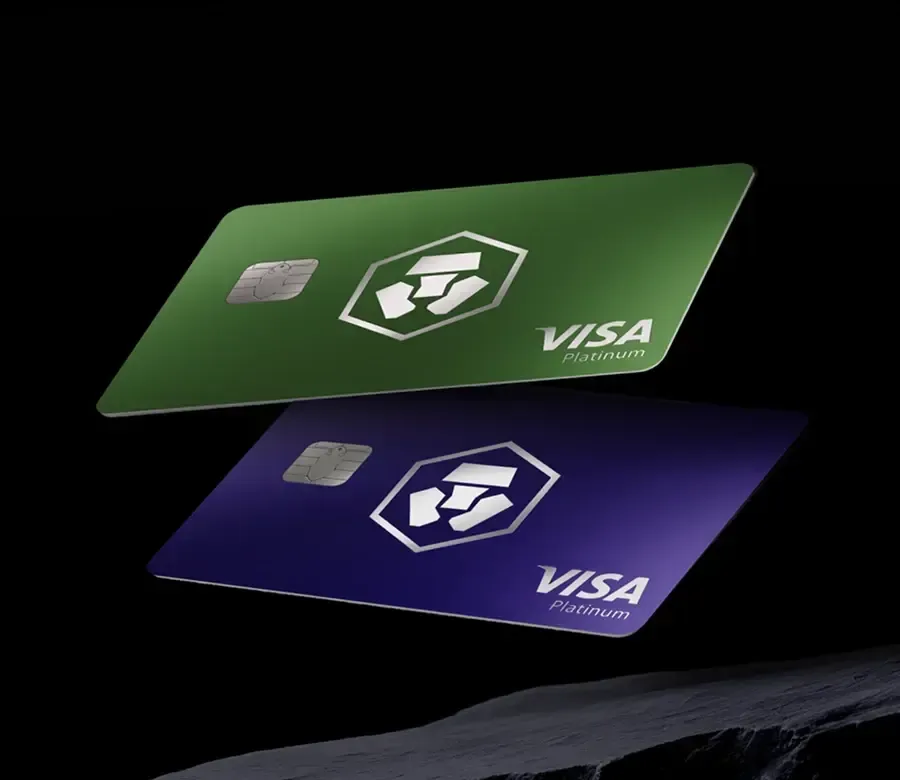
PRO
3.0%
back in crypto · on every spend
€24.99 / month
or €249.90/year (€20.82/month)
Zero trading fees up to $50K/month
3.0% back in crypto on card spend
0% foreign exchange fees
EUR Cash Yield up to 1.70% p.a.
CRO Yield up to 2.50% p.a.
Airport lounge access (Priority Pass)
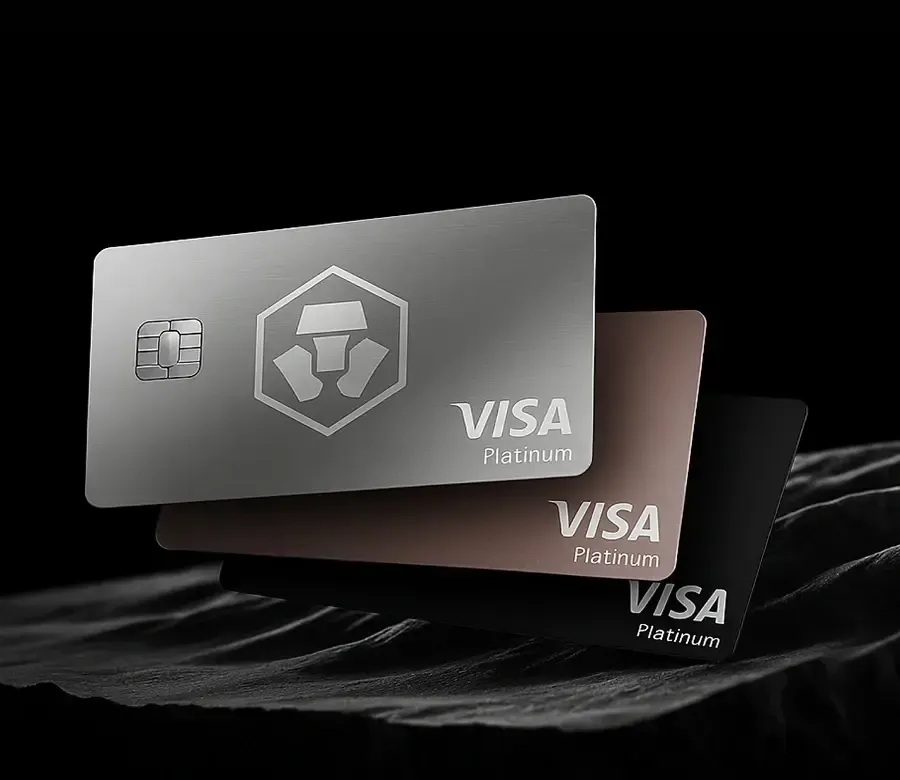
PRIVATE
4–6%
back in crypto · on every spend
CRO Lockup from €45,000
8.5% yield · 12-month staking · €450K tier at 9.5%
Zero trading fees · Unlimited volume
4.0%–6.0% back in crypto
0% foreign exchange fees
EUR Cash Yield up to 1.80% p.a.
Extra 1% p.a. on Earn allocations in CRO
VIP events · Exclusive experiences
8.5% CRO lockup rewards