
FC Barcelona vs Paris Saint-Germain FC
Founding story, key facts and history — side by side.
FC Barcelona
Blended Catalan identity with unmatched football genius, before pulling desperate economic levers to survive a €1.3 billion debt apocalypse.
| Founded | 1999 |
| Founders | Joan Gamper |
| HQ | Barcelona, Spain |
| Symbol | MEMBER-OWNED |
VS
Paris Saint-Germain FC
A young Parisian merger weaponized by Qatar as a sovereign wealth vehicle, spending €400 million on two players to capture global pop culture.
| Founded | 1970 |
| Founders | Guy Crescent, Pierre-Étienne Guyot, Henri Patrelle |
| HQ | Paris, France |
| Symbol | PRIVATE |
The Story — Side by Side
1979
La Masia academy birth and the Cruyff philosophy blueprint
FC Barcelona was founded in 1899 by Joan Gamper, quickly evolving into a critical symbol of Catalan cultural identity ("Més que un club"). In 1979, the club established La Masia, a specialized youth academy designed to train young footballers in a unified tactical philosophy. Refined by legendary manager Johan Cruyff, this system prioritized intelligence and technical passing over physical size, laying the foundation for the most successful home-grown generation in football history.
2008
The Pep Guardiola golden era and global digital explosion
Under the managerial guidance of Pep Guardiola and driven by the absolute genius of academy graduate Lionel Messi, Barcelona entered a golden era from 2008 to 2012. The team's mesmerizing "Tiki-Taka" playing style captivated millions of international fans, turning the club into a massive global commercial juggernaut. Corporate management signed high-value shirt sponsorships with Qatar Airways and Nike, driving commercial revenues to record levels.
2021
The Bartomeu mismanagement disaster and the €1.3 billion debt wall
Years of absolute financial mismanagement under president Josep Maria Bartomeu—characterized by astronomical player salaries and catastrophic €100M+ transfer flops—left the club completely vulnerable to the pandemic. In 2021, incoming president Joan Laporta revealed a staggering €1.35 billion corporate debt wall. The financial crisis was so severe that the club was legally prevented by La Liga from re-signing Lionel Messi, forcing the tearful exit of the greatest player in club history.
2022
Joan Laporta and the high-stakes economic levers gamble
To prevent immediate corporate liquidation and fund new player transfers, Joan Laporta executed a series of high-stakes financial maneuvers known as the "economic levers." The club sold off 25% of its domestic La Liga television broadcast rights for the next 25 years to American investment firm Sixth Street for over €500 million, alongside selling a 49% stake in its digital media production arm, Barça Studios, essentially mortgaging future revenues to survive the short-term crisis.
2026
The new Spotify Camp Nou reopening and structural recovery
By mid-2026, FC Barcelona executed a grueling structural recovery, officially reopening its completely modernized, 105,000-capacity Spotify Camp Nou stadium complex. Supported by lucrative, ongoing title sponsorship deals with Spotify and a major reliance on low-cost La Masia academy talent, the club's annual operational revenues stabilized past €850 million. While managing strict debt repayment structures, the member-owned asset successfully preserved its historical fan-ownership model.
1970
The late Parisian fusion merger origin
Unlike most European football clubs that possess deep, century-old historical identities, Paris Saint-Germain was founded late, in August 1970. The club was formed via a strategic merger between Paris FC and Stade Saint-Germain, engineered by a group of prominent local businessmen who were deeply embarrassed that the capital city of France had no elite football team. The young brand spent its early decades as a chaotic, inconsistent pop-culture club balancing glamour with severe financial instability.
2011
The Qatar Sports Investments state-backed takeover
The entire trajectory of French sport shifted permanently in June 2011 when Qatar Sports Investments (QSI), a subsidiary of the multi-billion dollar Qatar Investment Authority sovereign wealth fund, purchased a 70% majority stake in PSG. Led by new club president Nasser Al-Khelaifi, QSI weaponized the club as a primary vehicle for national soft power, investing hundreds of millions of dollars to completely monopolize French domestic football and build a global luxury fashion brand.
2017
The record-breaking €400 million Neymar-Mbappé hyper-inflation heist
In the summer of 2017, PSG shattered the structural economics of global football forever by executing the two most expensive transfer operations in human history. The club triggered Brazilian superstar Neymar's astronomical €222 million buyout clause from Barcelona in cash, weeks before securing French sensation Kylian Mbappé from Monaco in a transaction valued at €180 million, demonstrating an unprecedented level of financial muscle that drew fierce antitrust scrutiny.
2021
The historic Messi lifestyle signing and Jordan brand convergence
PSG capitalized on its financial supremacy by signing global icon Lionel Messi on a free transfer in 2021, creating a short-lived superstar attacking trio alongside Neymar and Mbappé. Simultaneously, the club pulled off a brilliant commercial coup by partnering with Nike's Jordan Brand, integrating streetwear culture directly into their jerseys. This lifestyle pivot exploded their international merchandise sales, turning PSG into a dominant streetwear brand worn by celebrities globally.
2026
The post-superstar era pivot and new private equity valuation
By mid-2026, PSG entered a distinct corporate era following the structural departures of Messi, Neymar, and Mbappé, shifting its recruitment focus toward younger domestic talent. Backed by a high-value minority investment from American private equity firm Arctos Partners, which valued the Parisian club at an elite €4.25 billion tier, annual corporate revenues stood at a record €805 million, driven by elite global commercial sponsorships and international touring growth.
Tools & Platforms
For Investors
The market doesn't care about your feelings.
But your broker's fees do.
But your broker's fees do.
Most people have a brokerage account. Fewer understand what it really costs them — in spreads, in fees, in missed instruments. Malta-regulated, direct market access, 600,000+ instruments.
Exante
Malta MFSA · 50 exchanges
Tickmill
Forex from 0.0 pips
Vantage
Multi-asset trading
Polymarket
Prediction markets
For Entrepreneurs
Opening a US company costs $300.
Most people think it's complicated. It isn't.
Most people think it's complicated. It isn't.
Most founders spend weeks on formation, banking and payments. The ones who move fast know which tools to use before they start. A US LLC, a real business account, and a way to pay people — in that order.
Mercury
Business finance · 300K+ founders
Doola
US LLC formation · YC backed
Melio
B2B payments
Xero 95% OFF
Accounting · 6 months
For C-Suite
Your competitor pays $200 less per month for EOR.
You're still on a spreadsheet.
You're still on a spreadsheet.
BVNK hired 20% of its workforce through Deel. The smartest operators aren't managing payroll complexity — they're outsourcing it. EOR in 150+ countries, multi-currency accounts, workforce payments at $200 less per month than competitors.
Deel
EOR · 150+ countries
Payoneer
$399/mo EOR · Save $200
Wise Business
40+ currencies · No hidden fees
Gusto
US payroll & benefits
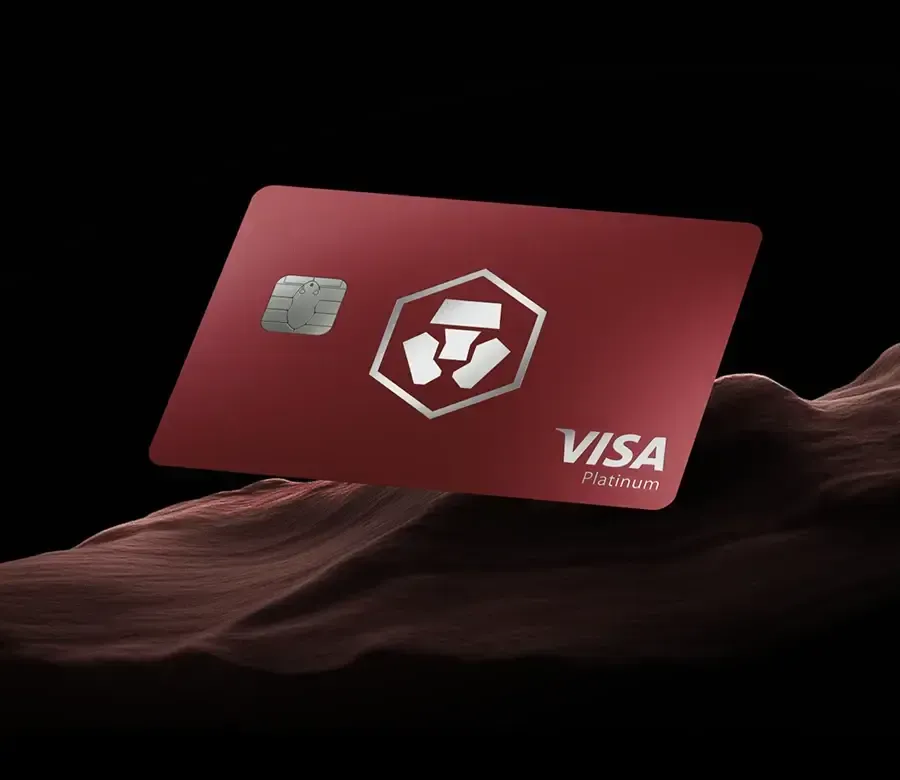
PLUS
2.0%
back in crypto · on every spend
€3.99 / month
or €39.90/year (€3.32/month)
Zero trading fees up to $20K/month
2.0% back in crypto on card spend
0% foreign exchange fees
EUR Cash Yield up to 1.35% p.a.
CRO Yield up to 2.00% p.a.
Virtual Visa card · Flexible cancel

PRO
3.0%
back in crypto · on every spend
€24.99 / month
or €249.90/year (€20.82/month)
Zero trading fees up to $50K/month
3.0% back in crypto on card spend
0% foreign exchange fees
EUR Cash Yield up to 1.70% p.a.
CRO Yield up to 2.50% p.a.
Airport lounge access (Priority Pass)
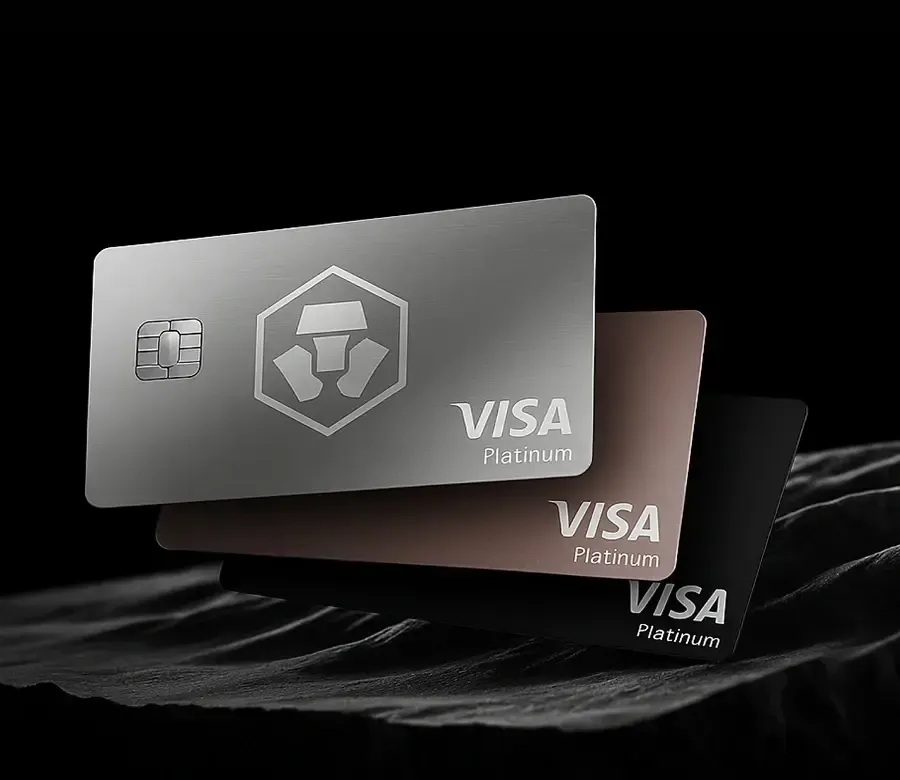
PRIVATE
4–6%
back in crypto · on every spend
CRO Lockup from €45,000
8.5% yield · 12-month staking · €450K tier at 9.5%
Zero trading fees · Unlimited volume
4.0%–6.0% back in crypto
0% foreign exchange fees
EUR Cash Yield up to 1.80% p.a.
Extra 1% p.a. on Earn allocations in CRO
VIP events · Exclusive experiences
8.5% CRO lockup rewards