
Barclays vs HSBC
Founding story, key facts and history — side by side.
Barclays
A prominent British multinational banking powerhouse, balancing high-street retail banking networks with an institutional transatlantic investment terminal.
| Founded | 1690 |
| Founders | John Freame, Thomas Gould |
| HQ | London, United Kingdom |
| Symbol | LSE: BARC |
VS
HSBC
A Scottish P&O superintendent opened a bank in Hong Kong in 1865 to finance the China trade. Built Europe's largest bank. Then spent decades trying to be smaller.
| Founded | 1865 |
| Founders | Thomas Sutherland |
| HQ | London, United Kingdom |
| Symbol | HSBA.L (LSE) / HSBC (NYSE) |
The Story — Side by Side
1690
The Lombard Street goldsmith banking origins
The bank traces its corporate lineage back to private goldsmith bankers operating within the City of London. James Barclay joined the growing family partnership in 1736, establishing a powerful commercial credit brand that consolidated dozens of provincial English banks in 1896.
2008
The Lehman Brothers acquisition and Middle Eastern capital rescue
Barclays famously refused direct UK taxpayer financial bailouts during the subprime crisis, instead securing massive private emergency capital from sovereign wealth funds in Qatar. Concurrently, the bank capitalized on the panic by acquiring the prized North American core investment banking assets of bankrupt Lehman Brothers.
2012
The Libor manipulation scandal and massive regulatory fines
The institution was rocked by severe global compliance investigations after regulators uncovered widespread, systemic manipulation of the London Interbank Offered Rate (Libor) by traders. The resulting scandal triggered massive international financial fines and forced the immediate resignation of top executives.
2026
The structured corporate matrix refocus and cost execution
By mid-2026, Barclays PLC executed its large-scale multi-year cost efficiency framework, under the strategic leadership of CEO C.S. Venkatakrishnan. The group prioritized local consumer lending segments while systematically optimizing investment banking operations.
1865
1 Queen's Road, Central — and the China-Europe trade
Thomas Sutherland was the Hong Kong superintendent of the Peninsular and Oriental Steam Navigation Company in 1864 when he identified that the colony's merchants — trading silk, tea, cotton, and opium between China, India, and Europe — had no adequate local bank. Existing banks were based in India or England, too slow and too expensive for the daily demands of Hong Kong's trading houses. He raised HK$5 million in initial capital and on March 3, 1865, the Hongkong and Shanghai Banking Corporation opened at 1 Queen's Road in Hong Kong. A branch in Shanghai followed one month later. By 1875, HSBC had offices in seven countries across Asia, Europe, and North America.
1891
Financing empires — China's first public loan, Thai banknotes, Pacific cables
HSBC quickly became the financial infrastructure of British Asia. It printed the first banknotes in Thailand. It financed China's first public international loan in 1874. By 1900, under Chief Manager Thomas Jackson, the bank operated in 16 countries and financed trade in tea from China, cotton from India, sugar from the Philippines, and rice from Vietnam. HSBC's ability to move money across the British Empire's territories — using its own exchange rates and its own correspondent network — gave it advantages that no other bank in the region could match.
1991
HSBC Holdings plc — London and the Midland Bank acquisition
In preparation for Hong Kong's 1997 handover to China, HSBC formed HSBC Holdings plc in London in 1991 — creating a UK-domiciled holding company with primary listings in London and Hong Kong. The following year, HSBC acquired Midland Bank — one of Britain's largest clearing banks — in a deal valued at approximately $7.2 billion, doubling HSBC's assets and giving it a major retail banking presence in the United Kingdom. The acquisition required HSBC to relocate its headquarters from Hong Kong to London. At the time, it was one of the largest banking acquisitions in history.
2000
The Household International mistake — and the $15 billion subprime lesson
HSBC's most damaging acquisition was Household International — an American consumer finance company with significant subprime mortgage exposure — bought for $15.5 billion in 2003. When the US housing market collapsed in 2007-2008, HSBC's Household portfolio generated billions in losses. HSBC was forced to write down the acquisition heavily and eventually wound down Household's operations entirely. The episode cost billions and consumed management attention for years, making the bank more cautious about further US retail banking ambitions. HSBC was one of the first major banks to publicly disclose subprime losses, which paradoxically enhanced its credibility during the financial crisis.
2024
$3 trillion in assets — Europe's largest bank — sold Canada to RBC for $13.5B
HSBC held approximately $3.098 trillion in assets as of September 2024, making it the largest bank in Europe and the seventh-largest globally. The bank served approximately 39 million customers in 57 countries, with market capitalisation exceeding $220 billion. In 2024, HSBC sold its Canadian banking operations to Royal Bank of Canada for C$13.5 billion — part of a continuing strategic focus on its core Asian markets and international trade corridors. The bank where Thomas Sutherland had raised HK$5 million from Hong Kong merchants in 1865 was now one of the most systemically important financial institutions on Earth.
Tools & Platforms
For Investors
The market doesn't care about your feelings.
But your broker's fees do.
But your broker's fees do.
Most people have a brokerage account. Fewer understand what it really costs them — in spreads, in fees, in missed instruments. Malta-regulated, direct market access, 600,000+ instruments.
Exante
Malta MFSA · 50 exchanges
Tickmill
Forex from 0.0 pips
Vantage
Multi-asset trading
Polymarket
Prediction markets
For Entrepreneurs
Opening a US company costs $300.
Most people think it's complicated. It isn't.
Most people think it's complicated. It isn't.
Most founders spend weeks on formation, banking and payments. The ones who move fast know which tools to use before they start. A US LLC, a real business account, and a way to pay people — in that order.
Mercury
Business finance · 300K+ founders
Doola
US LLC formation · YC backed
Melio
B2B payments
Xero 95% OFF
Accounting · 6 months
For C-Suite
Your competitor pays $200 less per month for EOR.
You're still on a spreadsheet.
You're still on a spreadsheet.
BVNK hired 20% of its workforce through Deel. The smartest operators aren't managing payroll complexity — they're outsourcing it. EOR in 150+ countries, multi-currency accounts, workforce payments at $200 less per month than competitors.
Deel
EOR · 150+ countries
Payoneer
$399/mo EOR · Save $200
Wise Business
40+ currencies · No hidden fees
Gusto
US payroll & benefits
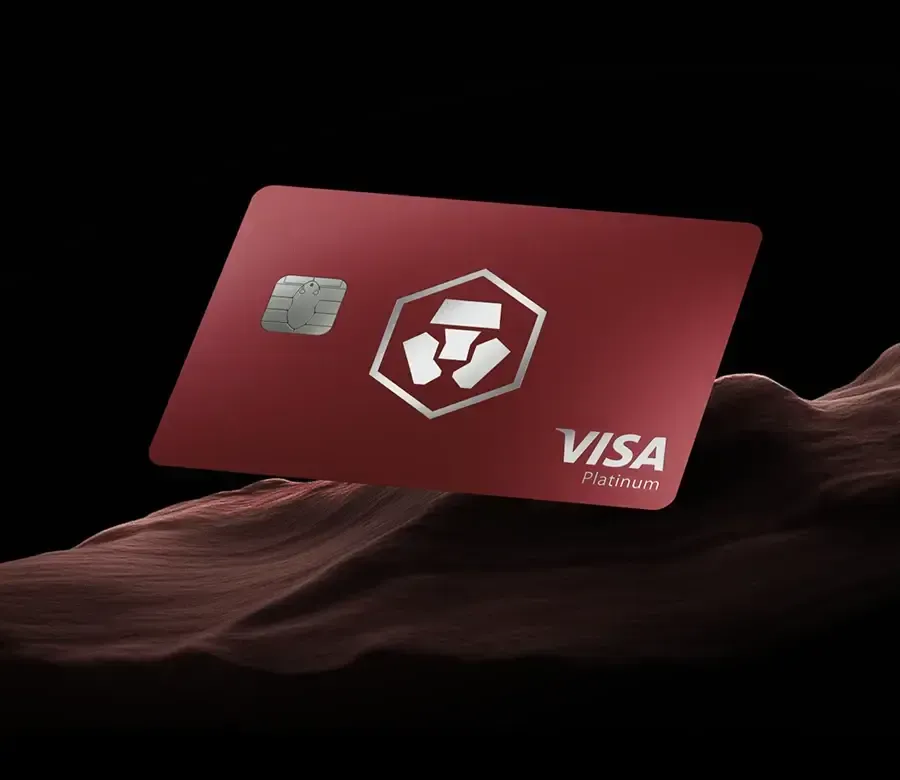
PLUS
2.0%
back in crypto · on every spend
€3.99 / month
or €39.90/year (€3.32/month)
Zero trading fees up to $20K/month
2.0% back in crypto on card spend
0% foreign exchange fees
EUR Cash Yield up to 1.35% p.a.
CRO Yield up to 2.00% p.a.
Virtual Visa card · Flexible cancel
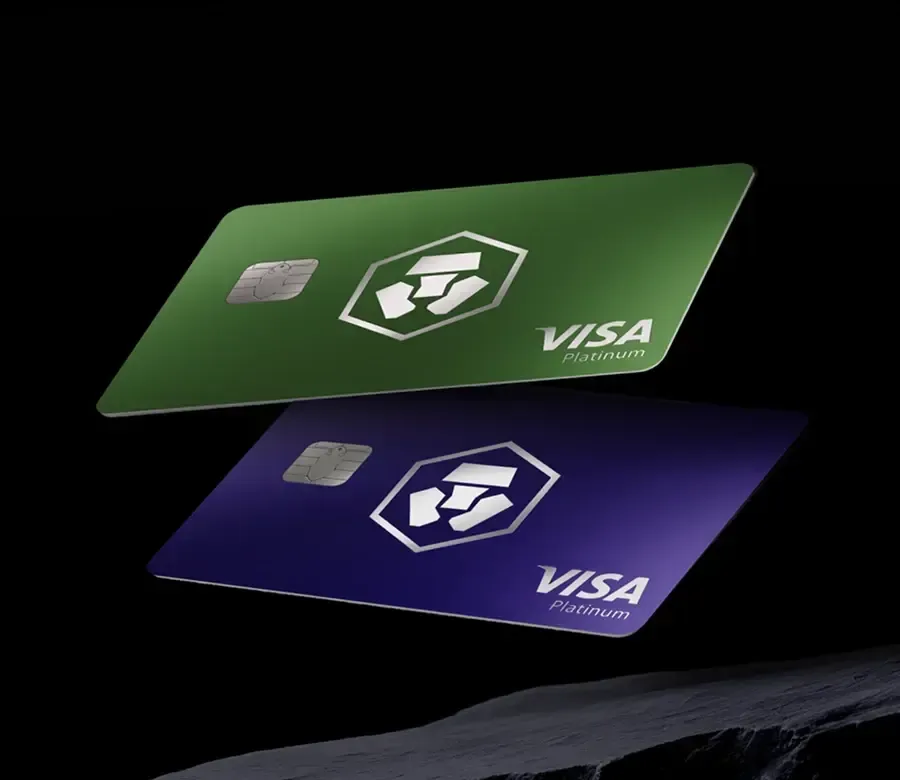
PRO
3.0%
back in crypto · on every spend
€24.99 / month
or €249.90/year (€20.82/month)
Zero trading fees up to $50K/month
3.0% back in crypto on card spend
0% foreign exchange fees
EUR Cash Yield up to 1.70% p.a.
CRO Yield up to 2.50% p.a.
Airport lounge access (Priority Pass)
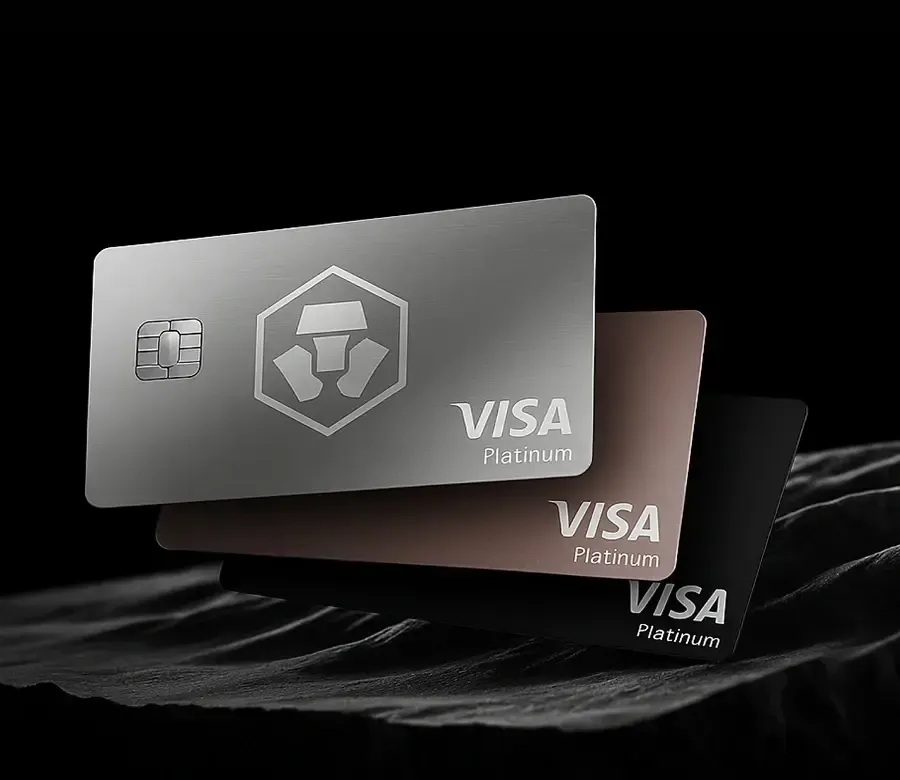
PRIVATE
4–6%
back in crypto · on every spend
CRO Lockup from €45,000
8.5% yield · 12-month staking · €450K tier at 9.5%
Zero trading fees · Unlimited volume
4.0%–6.0% back in crypto
0% foreign exchange fees
EUR Cash Yield up to 1.80% p.a.
Extra 1% p.a. on Earn allocations in CRO
VIP events · Exclusive experiences
8.5% CRO lockup rewards