
Burberry vs Hermès
Founding story, key facts and history — side by side.
Burberry
The British heritage brand that turned functional, weather-proof outerwear into the globally recognized identity of English luxury.
| Founded | 1856 |
| Founders | Thomas Burberry |
| HQ | London, United Kingdom |
| Symbol | BRBY |
VS
Hermès
Started making horse harnesses. The horse is gone. The Birkin bag waiting list is not. Outperformed gold for 30 years.
| Founded | 1837 |
| Founders | Thierry Hermès |
| HQ | Paris, France |
| Symbol | RMS.PA |
The Story — Side by Side
1856
The gabardine innovation
Thomas Burberry founded the company in Basingstoke, England, with a focus on creating outdoor clothing for the British climate. His major breakthrough was "gabardine," a breathable, weather-resistant, and incredibly durable fabric. The brand became famous for the iconic trench coat, which was originally developed for military officers during the First World War and eventually became a global fashion essential.
1999
The luxury pivot and the check-pattern crisis
Burberry shifted its focus from functional outerwear to high-fashion luxury. However, the brand struggled in the early 2000s as its signature "check" pattern was over-licensed and became associated with "chav" culture in the UK, damaging its premium reputation. It took years of intense brand management and a complete overhaul of its product line to restore the brand’s high-fashion credibility.
2018
The high-fashion redesign
Burberry aggressively pivoted to a more modern, high-fashion aesthetic. By hiring innovative creative directors and focusing on younger, runway-ready designs, the brand successfully distanced itself from its "heritage-only" image. The company invested in digital-first retail and experimental fashion shows to regain its place as a relevant, top-tier luxury fashion house.
2024
The heritage re-centering
After attempting too much modernization, Burberry began a strategic re-centering. The brand realized that its core equity was in British heritage and classic, high-quality luxury pieces. It began a major effort to balance its edgy, new fashion direction with the timeless trench coats and classic designs that formed its original, unshakeable market position.
2026
The enduring British luxury icon
By mid-2026, Burberry operates as the definitive British luxury house. It has successfully navigated the difficult balance between its functional, heritage roots and the demands of modern, high-end fashion. Under the current strategic direction, the brand continues to capitalize on its unique, recognizable identity to maintain a strong presence in the global luxury goods market.
1837
Harnesses for the horses of European nobility
Thierry Hermès founded a harness workshop in Paris in 1837, making bridles, saddles, and equestrian equipment for European nobility at a time when the horse was the primary means of transport for the wealthy. The quality of Hermès harnesses became legendary; the company supplied equipment to several royal households. Thierry's son Charles-Émile moved the workshop to its current location on Rue du Faubourg Saint-Honoré in 1880, where Hermès remains today.
1900
The automobile and the pivot to leather goods
The automobile gradually replaced the horse in the early twentieth century, threatening the harness business. The Hermès family expanded into leather luggage and accessories for motorists — bags, gloves, and eventually clothing. The pivot preserved the craft traditions of the harness workshop while applying them to new products. Hermès introduced the iconic Kelly bag — originally called the Sac à Dépêches — in the 1930s. When Grace Kelly was photographed using the bag to hide her pregnancy in 1956, Hermès renamed it in her honour.
1984
The Birkin bag and the accidental icon
In 1984, Hermès CEO Jean-Louis Dumas was seated next to actress Jane Birkin on a flight from Paris to London. Birkin's straw bag fell open and her belongings scattered across the cabin floor. She complained that she could never find a leather weekend bag she liked. Dumas sketched a design on an air sickness bag during the flight and promised to make it for her. The Birkin bag became the most sought-after handbag in the world and, by most measures, the best-performing investment asset in luxury goods over thirty years.
2010
LVMH tries to acquire Hermès — and fails
In October 2010, LVMH announced it had quietly accumulated a 14.2% stake in Hermès — widely seen as the prelude to a hostile takeover attempt. Bernard Arnault denied any hostile intent. The Hermès family, which retained approximately 73% of the company, rallied together: family members pooled their shares into a holding company to make a takeover impossible. LVMH eventually sold its Hermès stake in 2014 after reaching a settlement with French market regulators. The attempted acquisition increased Hermès's profile and, arguably, reinforced its independence as a brand value.
2023
A Birkin bag outperforms gold — and €13.4 billion in revenue
Academic research published in multiple financial journals has consistently found that Birkin bags have outperformed gold, the S&P 500, and most traditional asset classes over thirty years as investments. Hermès produces Birkin and Kelly bags in deliberately limited quantities and allocates them through a relationship-based system that requires clients to establish purchasing histories before being offered one — creating scarcity that drives secondary market prices to multiples of retail. Hermès reported revenues of €13.4 billion in 2023, with an operating margin of approximately 42% — one of the highest in global luxury — and continued to outperform every major luxury conglomerate during the 2024-2025 slowdown. The company that made harnesses for horses had become the most resilient luxury business in the world.
Tools & Platforms
For Investors
The market doesn't care about your feelings.
But your broker's fees do.
But your broker's fees do.
Most people have a brokerage account. Fewer understand what it really costs them — in spreads, in fees, in missed instruments. Malta-regulated, direct market access, 600,000+ instruments.
Exante
Malta MFSA · 50 exchanges
Tickmill
Forex from 0.0 pips
Vantage
Multi-asset trading
Polymarket
Prediction markets
For Entrepreneurs
Opening a US company costs $300.
Most people think it's complicated. It isn't.
Most people think it's complicated. It isn't.
Most founders spend weeks on formation, banking and payments. The ones who move fast know which tools to use before they start. A US LLC, a real business account, and a way to pay people — in that order.
Mercury
Business finance · 300K+ founders
Doola
US LLC formation · YC backed
Melio
B2B payments
Xero 95% OFF
Accounting · 6 months
For C-Suite
Your competitor pays $200 less per month for EOR.
You're still on a spreadsheet.
You're still on a spreadsheet.
BVNK hired 20% of its workforce through Deel. The smartest operators aren't managing payroll complexity — they're outsourcing it. EOR in 150+ countries, multi-currency accounts, workforce payments at $200 less per month than competitors.
Deel
EOR · 150+ countries
Payoneer
$399/mo EOR · Save $200
Wise Business
40+ currencies · No hidden fees
Gusto
US payroll & benefits

PLUS
2.0%
back in crypto · on every spend
€3.99 / month
or €39.90/year (€3.32/month)
Zero trading fees up to $20K/month
2.0% back in crypto on card spend
0% foreign exchange fees
EUR Cash Yield up to 1.35% p.a.
CRO Yield up to 2.00% p.a.
Virtual Visa card · Flexible cancel

PRO
3.0%
back in crypto · on every spend
€24.99 / month
or €249.90/year (€20.82/month)
Zero trading fees up to $50K/month
3.0% back in crypto on card spend
0% foreign exchange fees
EUR Cash Yield up to 1.70% p.a.
CRO Yield up to 2.50% p.a.
Airport lounge access (Priority Pass)
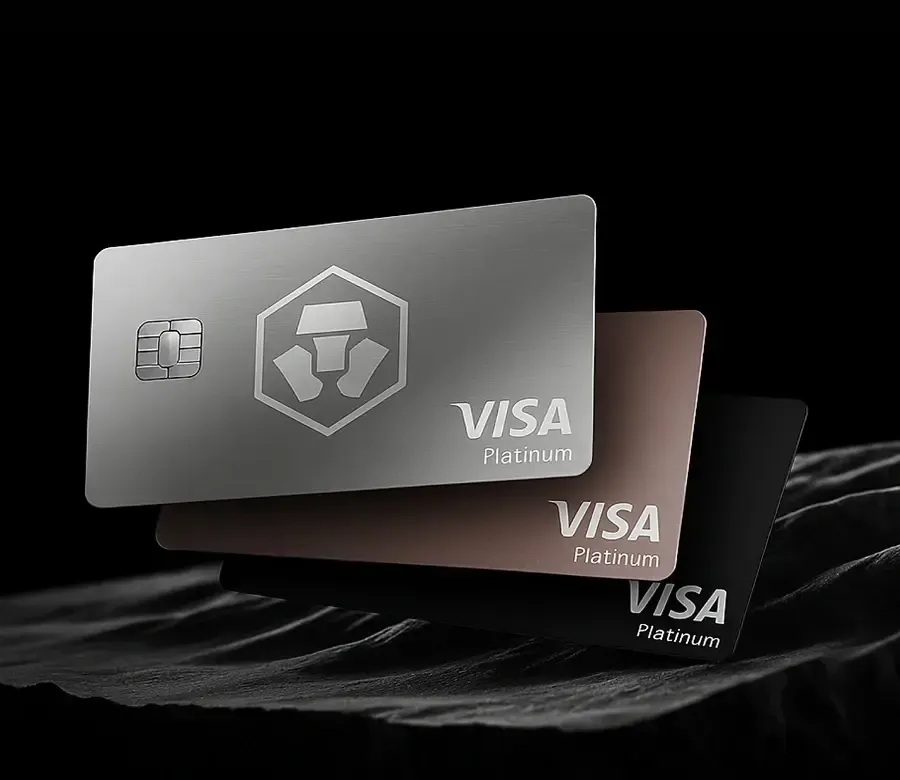
PRIVATE
4–6%
back in crypto · on every spend
CRO Lockup from €45,000
8.5% yield · 12-month staking · €450K tier at 9.5%
Zero trading fees · Unlimited volume
4.0%–6.0% back in crypto
0% foreign exchange fees
EUR Cash Yield up to 1.80% p.a.
Extra 1% p.a. on Earn allocations in CRO
VIP events · Exclusive experiences
8.5% CRO lockup rewards