
Coca-Cola vs Red Bull
Founding story, key facts and history — side by side.
Coca-Cola
A pharmacist accidentally invented it as a headache cure. It became the world's most recognised brand.
| Founded | 1886 |
| Founders | John Stith Pemberton |
| HQ | Atlanta, Georgia |
| Symbol | KO |
VS
Red Bull
A hyper-profitable marketing machine disguised as an energy drink company, controlling global extreme sports and media networks.
| Founded | 1984 |
| Founders | Dietrich Mateschitz, Chaleo Yoovidhya |
| HQ | Fuschl am See, Austria |
| Symbol | PRIVATE |
The Story — Side by Side
1886
The pharmacist's headache cure
John Stith Pemberton was a Confederate Army veteran and pharmacist in Atlanta, Georgia who was addicted to morphine following a war wound. In 1886, he created a syrup combining coca leaf extract and kola nuts — both of which contained stimulants — as a patent medicine intended to cure headaches and provide energy. A pharmacy soda fountain operator mixed the syrup with carbonated water by accident. The result was Coca-Cola. Pemberton sold it for five cents a glass at Jacob's Pharmacy in Atlanta, selling approximately nine glasses per day. He died in 1888, having sold most of his rights to the formula for approximately $1,750.
1891
Asa Candler and the marketing machine
Asa Griggs Candler acquired the Coca-Cola formula and brand for $2,300 in 1891. Candler was a marketing genius: he distributed free sample coupons, provided pharmacies with free branded merchandise, and built the Coca-Cola brand through relentless promotion before the concept of brand marketing existed. By 1895, Coca-Cola was being sold in every state in the United States. Candler sold the company to a group of investors for $25 million in 1919.
1915
The contour bottle
The distinctive Coca-Cola contour bottle was designed in 1915 by the Root Glass Company in response to Coca-Cola's request for a bottle so distinctive that it could be identified by touch in the dark or when broken. The designer, Earl Dean, was inspired by the shape of a cocoa pod — a plant he had never actually seen. The contour bottle became one of the most recognised design objects in history.
1985
New Coke: the greatest marketing disaster and its accidental gift
Coca-Cola changed its formula in April 1985 — "New Coke" — in response to losing blind taste tests to Pepsi. The consumer response was the most intense corporate backlash in American history: 400,000 protest letters, jammed phone lines, and a "Society for the Preservation of the Real Thing" formed within days. Seventy-nine days later, Coca-Cola reintroduced the original formula as "Coca-Cola Classic." The episode was initially a disaster; it ended as the greatest accidental marketing event in history, reminding consumers how much they loved the original product.
2024
$46 billion in revenue — and Warren Buffett still holding
Coca-Cola reported revenues of approximately $46 billion for 2024, selling products in every country on earth except North Korea and Cuba. The company serves approximately 2 billion portions per day. Warren Buffett, who began buying Coca-Cola shares in 1988 when they were depressed following the New Coke disaster, has described it as one of his greatest investments — Berkshire Hathaway owns approximately 9% of the company, generating hundreds of millions in annual dividends. The pharmacist who sold his formula for $1,750 had accidentally created one of the most valuable consumer franchises in history. The new CEO, James Quincey, has overseen a premiumisation strategy expanding into energy drinks, coffee, and higher-margin beverages to offset structural decline in full-sugar cola consumption.
1982
The Thai jet lag remedy and the Austrian carbonation mutation
While traveling in Thailand, Austrian marketing executive Dietrich Mateschitz discovered Krating Daeng, a non-carbonated energy drink sold to truck drivers by Chaleo Yoovidhya that cured his jet lag. The duo partnered, added carbonation, adjusted the flavor profile, and launched the distinct slim blue-and-silver can in Austria in 1987.
2005
The Jaguar Racing buyout and Formula One grid domination
Red Bull purchased the underperforming Jaguar Racing Formula One team from Ford, rebranding it as Red Bull Racing. Instead of relying on traditional corporate sponsorship, the brand built its own elite internal constructor program, eventually winning multiple consecutive World Constructors' and Drivers' Championships.
2012
The Stratos supersonic space dive and ultimate marketing stunt
The company executed one of the most viewed marketing events in human history with Red Bull Stratos, sponsoring Austrian skydiver Felix Baumgartner as he jumped from a helium balloon in the stratosphere. The live broadcast captured tens of millions of global viewers, cementing the brand's associations with extreme performance.
2025
The €12.1 billion record revenue and asset-light outsourced scale
Red Bull GmbH posted record financial metrics for the 2025 fiscal year, with global sales volumes hitting 13.9 billion cans and group turnover growing to €12.196 billion. Co-owned by Mark Mateschitz and the Yoovidhya family, the private giant maintained its highly profitable, asset-light outsourced manufacturing model.
Tools & Platforms
For Investors
The market doesn't care about your feelings.
But your broker's fees do.
But your broker's fees do.
Most people have a brokerage account. Fewer understand what it really costs them — in spreads, in fees, in missed instruments. Malta-regulated, direct market access, 600,000+ instruments.
Exante
Malta MFSA · 50 exchanges
Tickmill
Forex from 0.0 pips
Vantage
Multi-asset trading
Polymarket
Prediction markets
For Entrepreneurs
Opening a US company costs $300.
Most people think it's complicated. It isn't.
Most people think it's complicated. It isn't.
Most founders spend weeks on formation, banking and payments. The ones who move fast know which tools to use before they start. A US LLC, a real business account, and a way to pay people — in that order.
Mercury
Business finance · 300K+ founders
Doola
US LLC formation · YC backed
Melio
B2B payments
Xero 95% OFF
Accounting · 6 months
For C-Suite
Your competitor pays $200 less per month for EOR.
You're still on a spreadsheet.
You're still on a spreadsheet.
BVNK hired 20% of its workforce through Deel. The smartest operators aren't managing payroll complexity — they're outsourcing it. EOR in 150+ countries, multi-currency accounts, workforce payments at $200 less per month than competitors.
Deel
EOR · 150+ countries
Payoneer
$399/mo EOR · Save $200
Wise Business
40+ currencies · No hidden fees
Gusto
US payroll & benefits
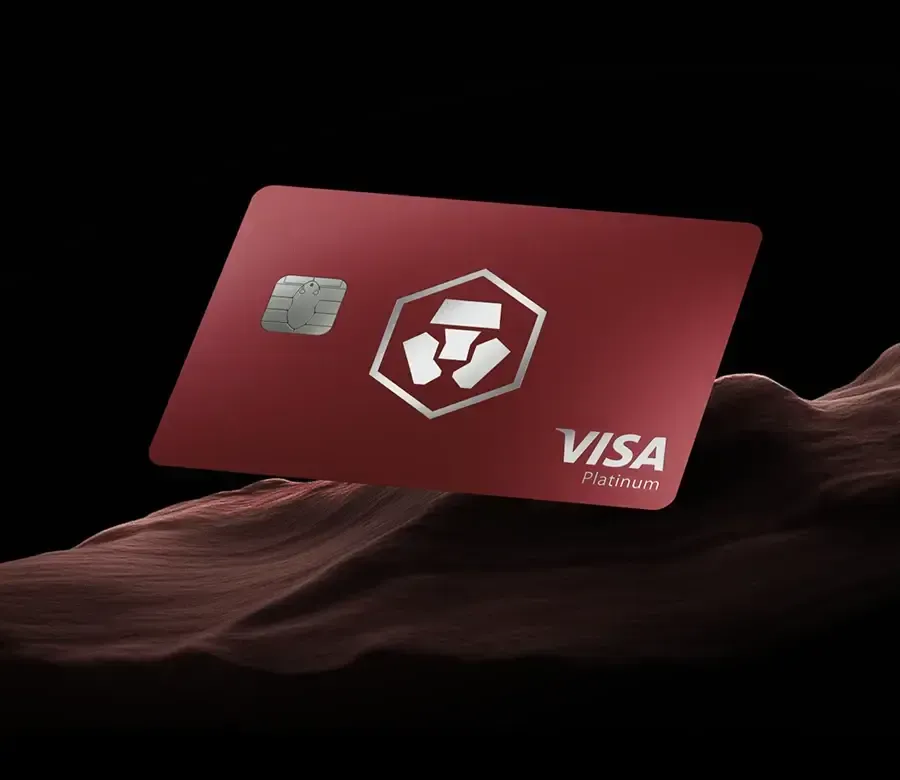
PLUS
2.0%
back in crypto · on every spend
€3.99 / month
or €39.90/year (€3.32/month)
Zero trading fees up to $20K/month
2.0% back in crypto on card spend
0% foreign exchange fees
EUR Cash Yield up to 1.35% p.a.
CRO Yield up to 2.00% p.a.
Virtual Visa card · Flexible cancel
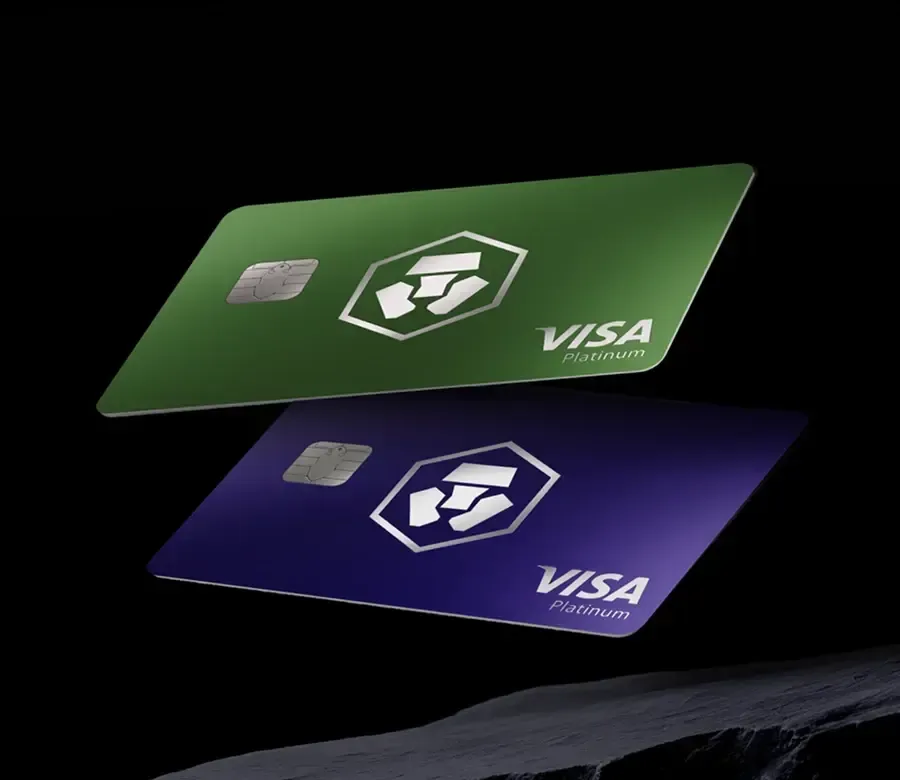
PRO
3.0%
back in crypto · on every spend
€24.99 / month
or €249.90/year (€20.82/month)
Zero trading fees up to $50K/month
3.0% back in crypto on card spend
0% foreign exchange fees
EUR Cash Yield up to 1.70% p.a.
CRO Yield up to 2.50% p.a.
Airport lounge access (Priority Pass)
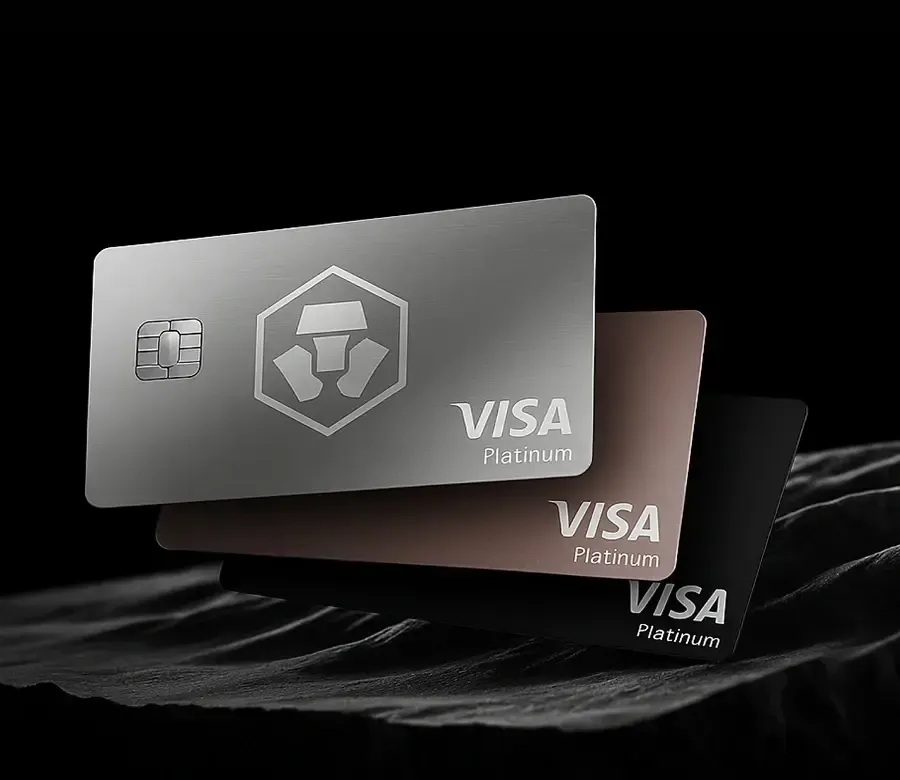
PRIVATE
4–6%
back in crypto · on every spend
CRO Lockup from €45,000
8.5% yield · 12-month staking · €450K tier at 9.5%
Zero trading fees · Unlimited volume
4.0%–6.0% back in crypto
0% foreign exchange fees
EUR Cash Yield up to 1.80% p.a.
Extra 1% p.a. on Earn allocations in CRO
VIP events · Exclusive experiences
8.5% CRO lockup rewards