
DreamWorks Animation vs Pixar
Founding story, key facts and history — side by side.
DreamWorks Animation
Born out of a toxic Disney blood feud, it weaponized cynical, pop-culture subversion to break the traditional animation monarchy.
| Founded | 1994 |
| Founders | Jeffrey Katzenberg, Steven Spielberg, David Geffen |
| HQ | Glendale, California |
| Symbol | CMCSA |
VS
Pixar
George Lucas sold it to cover his divorce. Steve Jobs thought it was a hardware company. Disney paid $7.4 billion.
| Founded | 1986 |
| Founders | Ed Catmull, Alvy Ray Smith, Steve Jobs |
| HQ | Emeryville, California |
| Symbol | DIS |
The Story — Side by Side
1994
The toxic Burbank boardroom mutiny and the billionaire revenge project
DreamWorks SKG was born out of pure corporate vengeance after Disney CEO Michael Eisner abruptly refused to promote Jeffrey Katzenberg to the vacant COO position following Frank Wells' tragic death. Furious at the public disrespect, Katzenberg immediately joined forces with billionaire director Steven Spielberg and music mogul David Geffen to launch a rival studio designed to break Disney's global dominance. Katzenberg funded the animation division by poaching top-tier artistic talent directly from Disney with aggressive equity deals.
1998
The corporate corporate corporate espionage war over industrial ants
In 1998, DreamWorks engaged in a highly public, bitter corporate espionage war with Pixar and Disney over the release of Antz. Pixar boss John Lasseter accused Katzenberg of stealing the conceptual core of Pixar's A Bug's Life after Katzenberg learned of the project during his final months at Disney. Katzenberg accelerated the production schedule of Antz, using a hyper-aggressive marketing campaign to debut the film weeks before Pixar, initiating decades of fierce commercial rivalry.
2001
The Shrek counter-cultural coup and the absolute anti-Disney manifesto
DreamWorks achieved an absolute cultural and financial victory with the release of Shrek, which grossed nearly $485 million and won the first-ever Academy Award for Best Animated Feature. The movie operated as a highly cynical, deeply personal anti-Disney manifesto, openly lampooning classic fairy tale tropes and featuring a villain explicitly modeled after Disney CEO Michael Eisner. The massive success permanently shifted the entire global animation industry toward edgier, pop-culture heavy, celebrity-voiced projects.
2004
The volatile public spin-off and the high-risk box office dependency
Katzenberg spun off the animation division into a completely separate publicly traded entity under the ticker DWA in late 2004. The public listing exposed the studio to volatile Wall Street performance metrics, where a single underperforming theatrical release like Flushed Away could instantly wipe out millions in corporate market cap. The company was forced to over-produce sequels to franchises like Madagascar and Kung Fu Panda to satisfy constant quarterly shareholder demands.
2026
The NBCUniversal corporate integration and steady franchise monetization
By mid-2026, DreamWorks Animation operated as a highly integrated, highly profitable subsidiary of Comcast's NBCUniversal, following its complete $3.8 billion acquisition. Under the corporate oversight of Universal, the studio moved away from Katzenberg's high-risk standalone operational model, fully integrating its iconic character IP into Universal's global theme parks and streaming ecosystems. The animation engine consistently generated lucrative consumer product revenues through high-profile franchise expansions.
1979
The graphics division that George Lucas didn't want
Pixar began as the computer graphics division of Lucasfilm, established in 1979 to develop CGI for Star Wars sequels. The division, led by Ed Catmull and Alvy Ray Smith, produced groundbreaking computer graphics but never became central to Lucas's filmmaking. By 1985, facing expensive divorce proceedings, Lucas decided to sell the division. He sold it to the first buyer willing to pay: Steve Jobs, recently fired from Apple.
1986
Steve Jobs buys it for $5 million — thinking it's hardware
Steve Jobs purchased the Lucasfilm computer graphics division in 1986 for $5 million, renaming it Pixar. Jobs later said he had not understood what he was buying — he thought he was acquiring a hardware company that made high-end graphics workstations. The animation capabilities were, in his view, secondary. He invested $50 million in the company before Toy Story was released, reportedly losing money every year and wondering if he'd made a catastrophic mistake.
1995
Toy Story changes cinema forever
Toy Story, released in November 1995, was the world's first fully computer-animated feature film. It grossed $362 million worldwide and was nominated for three Academy Awards. Jobs had invested $50 million in Pixar before its IPO; after Toy Story, Pixar's IPO valued the company at $1.5 billion. The hardware company nobody wanted had become the most creatively significant animation studio since Walt Disney himself.
2004
The Disney divorce and the Eisner problem
Pixar's relationship with Disney deteriorated under Disney CEO Michael Eisner. Pixar produced Finding Nemo, Monsters, Inc., and The Incredibles — all massive hits — while Disney animated sequels to Pixar properties without Pixar's involvement. In January 2004, Jobs announced that Pixar would not renew its distribution deal with Disney, saying the relationship had broken down. The standoff ended when Eisner resigned and Bob Iger became Disney CEO — his first major act was acquiring Pixar outright.
2006
Disney buys Pixar for $7.4 billion
Disney acquired Pixar in January 2006 for $7.4 billion in stock. Steve Jobs became Disney's largest individual shareholder. Ed Catmull and John Lasseter took over Disney Animation, eventually producing Frozen, Zootopia, and Moana. The $5 million that Jobs had paid for a computer hardware company with an animation department had become $7.4 billion in twenty years — a 1,480x return on what had begun as a fire sale by a divorcing filmmaker who just needed cash.
Tools & Platforms
For Investors
The market doesn't care about your feelings.
But your broker's fees do.
But your broker's fees do.
Most people have a brokerage account. Fewer understand what it really costs them — in spreads, in fees, in missed instruments. Malta-regulated, direct market access, 600,000+ instruments.
Exante
Malta MFSA · 50 exchanges
Tickmill
Forex from 0.0 pips
Vantage
Multi-asset trading
Polymarket
Prediction markets
For Entrepreneurs
Opening a US company costs $300.
Most people think it's complicated. It isn't.
Most people think it's complicated. It isn't.
Most founders spend weeks on formation, banking and payments. The ones who move fast know which tools to use before they start. A US LLC, a real business account, and a way to pay people — in that order.
Mercury
Business finance · 300K+ founders
Doola
US LLC formation · YC backed
Melio
B2B payments
Xero 95% OFF
Accounting · 6 months
For C-Suite
Your competitor pays $200 less per month for EOR.
You're still on a spreadsheet.
You're still on a spreadsheet.
BVNK hired 20% of its workforce through Deel. The smartest operators aren't managing payroll complexity — they're outsourcing it. EOR in 150+ countries, multi-currency accounts, workforce payments at $200 less per month than competitors.
Deel
EOR · 150+ countries
Payoneer
$399/mo EOR · Save $200
Wise Business
40+ currencies · No hidden fees
Gusto
US payroll & benefits
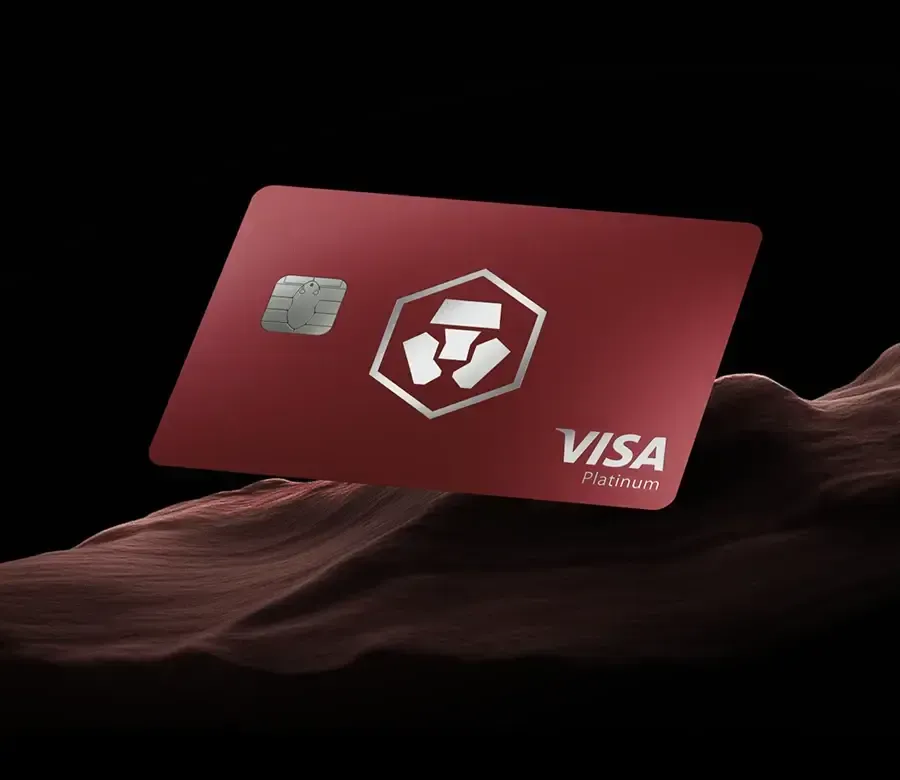
PLUS
2.0%
back in crypto · on every spend
€3.99 / month
or €39.90/year (€3.32/month)
Zero trading fees up to $20K/month
2.0% back in crypto on card spend
0% foreign exchange fees
EUR Cash Yield up to 1.35% p.a.
CRO Yield up to 2.00% p.a.
Virtual Visa card · Flexible cancel
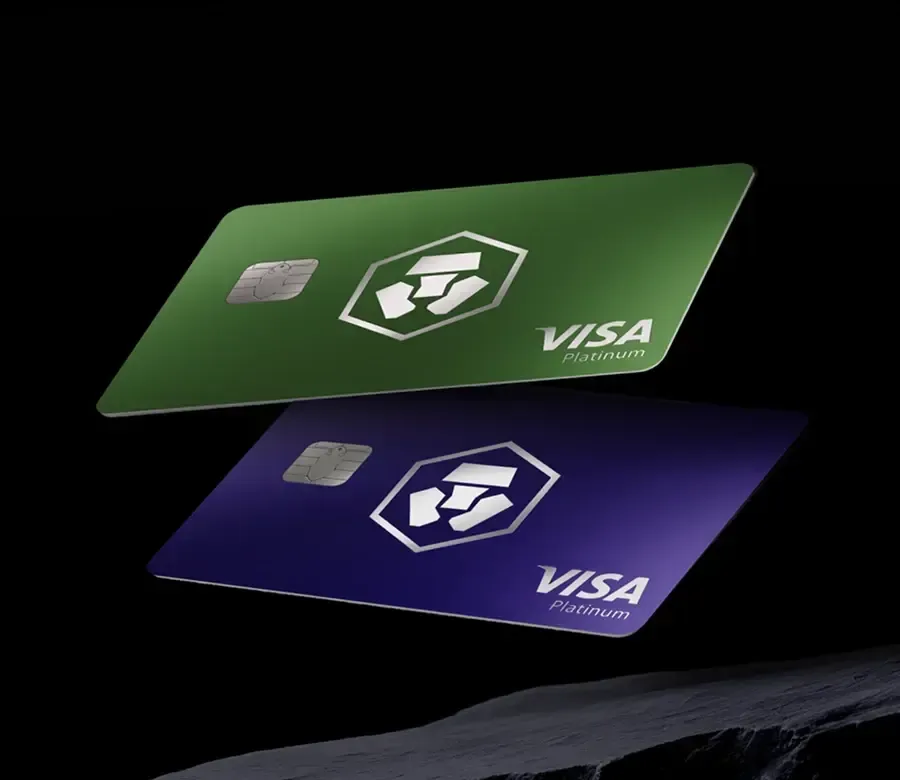
PRO
3.0%
back in crypto · on every spend
€24.99 / month
or €249.90/year (€20.82/month)
Zero trading fees up to $50K/month
3.0% back in crypto on card spend
0% foreign exchange fees
EUR Cash Yield up to 1.70% p.a.
CRO Yield up to 2.50% p.a.
Airport lounge access (Priority Pass)
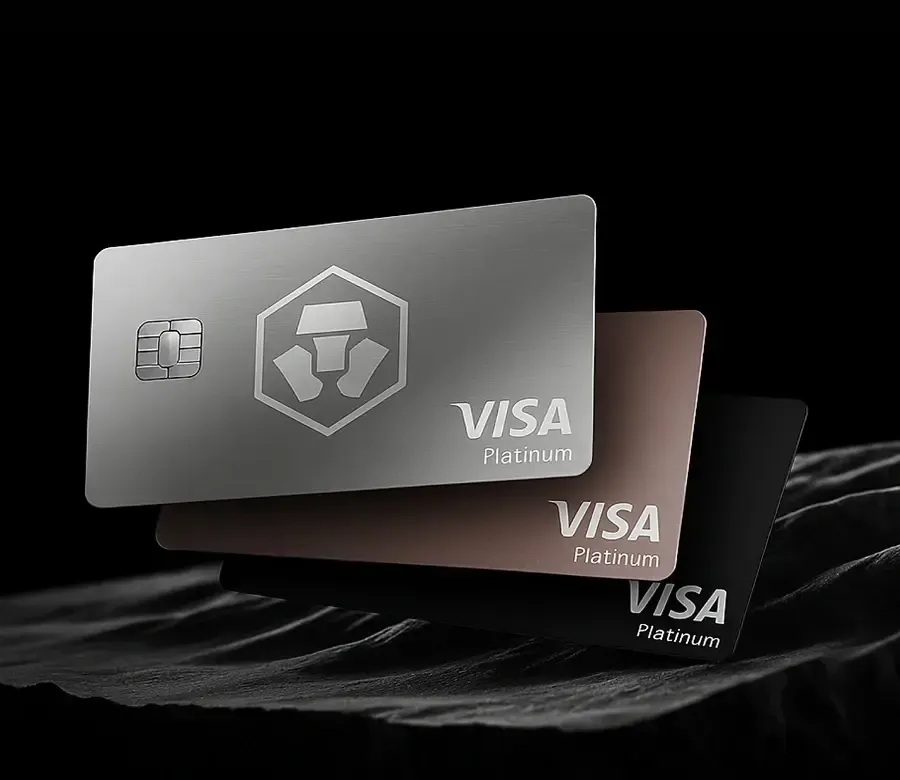
PRIVATE
4–6%
back in crypto · on every spend
CRO Lockup from €45,000
8.5% yield · 12-month staking · €450K tier at 9.5%
Zero trading fees · Unlimited volume
4.0%–6.0% back in crypto
0% foreign exchange fees
EUR Cash Yield up to 1.80% p.a.
Extra 1% p.a. on Earn allocations in CRO
VIP events · Exclusive experiences
8.5% CRO lockup rewards