
Ferrari vs Porsche
Founding story, key facts and history — side by side.
Ferrari
Enzo Ferrari hated selling road cars. He did it anyway. Now Ferrari prints money at 29.5% EBIT margins.
| Founded | 1939 |
| Founders | Enzo Ferrari |
| HQ | Maranello, Italy |
| Symbol | RACE |
VS
Porsche
Ferry Porsche couldn't find the sports car he wanted. Built it from Volkswagen parts. The 911 has been in production ever since.
| Founded | 1931 |
| Founders | Ferdinand Porsche |
| HQ | Stuttgart, Germany |
| Symbol | P911.DE |
The Story — Side by Side
1939
A racing team, not a car company
Enzo Ferrari founded Scuderia Ferrari as a racing team in 1929, initially operating as the official Alfa Romeo factory racing team. When Alfa Romeo shut down its racing programme in 1938, Ferrari founded his own company — Auto Avio Costruzioni — in 1939. His vision was purely motorsport: he wanted to build race cars and win races. Road cars were, from the beginning, a necessary evil to fund what he actually cared about.
1947
The first Ferrari road car
The first car to bear the Ferrari name, the 125 S, was completed in 1947. Enzo Ferrari reportedly said: "I sell my clients the engine. I give them the rest of the car for free." This statement captured his philosophy precisely: the road cars existed to subsidise the racing programme, not the other way around. Ferrari personally approved every car sold and maintained a customer waiting list regardless of demand — scarcity was always deliberate.
1969
The deal with Fiat that saved everything
By the late 1960s, the cost of Formula One competition had outgrown what road car sales could sustain. In 1969, Enzo Ferrari sold 50% of Ferrari to Fiat, retaining personal control of the racing operation. Fiat eventually increased its stake to 90%, but Enzo retained effective control until his death in 1988. The deal gave Ferrari the financial resources to keep racing — while keeping Enzo in charge of the only part that mattered to him.
2015
The IPO and the luxury goods revelation
Ferrari went public on the New York Stock Exchange in October 2015, spinning off from Fiat Chrysler at a valuation of approximately $10 billion. Investors quickly revalued the company as a luxury goods business rather than an automotive manufacturer — comparing it to Hermès and LVMH rather than Ford and Volkswagen. The logic was simple: Ferrari's profit margins were multiples of any conventional car company, and it could raise prices without losing customers. Ferrari's order book routinely extended two years into the future regardless of economic conditions.
2025
€7.1 billion, 29.5% EBIT margin, order book to end of 2027
Ferrari reported full-year 2025 revenues of €7.146 billion — up 7% — with operating profit of €2.11 billion at a 29.5% EBIT margin. The company delivered 13,640 cars in the year, slightly fewer than 2024, reflecting its deliberate strategy of keeping volumes flat while driving revenue higher through richer product mix and personalisation. The order book extended to the end of 2027. Ferrari's 2030 strategic plan targets €9 billion in revenue and €3.6 billion in EBITDA. Six new models were launched in 2025, including the 296 Speciale and the Amalfi. Enzo had been right: it was never really a car company. It was a brand that happened to make cars.
1931
The consulting firm that designed the Beetle
Ferdinand Porsche founded his engineering consultancy in Stuttgart in 1931 at age 55. Its most significant early contract was from the German government: designing an affordable "people's car" — the Volkswagen Beetle. Porsche designed the Beetle; Volkswagen manufactured it. The relationship between Porsche and Volkswagen, established in the 1930s, would eventually become one of the most complex ownership structures in corporate history.
1948
The 356 built from Volkswagen parts
Ferdinand Porsche's son Ferry built the first Porsche sports car in 1948 — the 356 — using Volkswagen Beetle components because proper sports car parts were unavailable in postwar Austria. Ferry later said: "I couldn't find the sports car of my dreams, so I built it myself." The 356 established the Porsche formula: rear-engine, air-cooled, lightweight, driver-focused. The formula that Ferry had improvised from necessity became the foundation of one of the most recognisable automotive identities in history.
1963
The 911 and the identity that never changed
Porsche launched the 911 at the Frankfurt Motor Show in 1963. The rear-engine, rear-wheel-drive sports car was unusual by any engineering standard — conventional wisdom held that the weight of the engine behind the rear axle made the car inherently unstable. Porsche engineers developed solutions that turned the layout's quirks into advantages at the limit of performance. The 911 has been in continuous production since 1963, making it the longest-running sports car nameplate in automotive history.
2008
The takeover that became a reverse takeover
In 2008, Porsche attempted to take over Volkswagen — a company twelve times its size — by accumulating options on Volkswagen shares, briefly triggering a short squeeze that made Volkswagen the most valuable company in the world for two days. The scheme ultimately failed: the financial crisis made the required debt unserviceable. Volkswagen acquired Porsche instead in 2012. The hunter became the prey.
2022
The IPO and the €75 billion vindication
Volkswagen listed Porsche AG on the Frankfurt Stock Exchange in September 2022, raising €9.4 billion at a valuation of approximately €75 billion — one of the largest IPOs in European history. Porsche reported revenues of €40.5 billion for 2023, with EBIT margin of 18.5%. The listing gave Porsche a market capitalisation larger than its parent company Volkswagen. The 911, still in production after sixty years, remained Porsche's most profitable and most iconic product. Porsche's order book extended to late 2027. The car brand that Ferry had improvised from surplus Beetle parts was now among the most valuable automotive companies in Europe.
Tools & Platforms
For Investors
The market doesn't care about your feelings.
But your broker's fees do.
But your broker's fees do.
Most people have a brokerage account. Fewer understand what it really costs them — in spreads, in fees, in missed instruments. Malta-regulated, direct market access, 600,000+ instruments.
Exante
Malta MFSA · 50 exchanges
Tickmill
Forex from 0.0 pips
Vantage
Multi-asset trading
Polymarket
Prediction markets
For Entrepreneurs
Opening a US company costs $300.
Most people think it's complicated. It isn't.
Most people think it's complicated. It isn't.
Most founders spend weeks on formation, banking and payments. The ones who move fast know which tools to use before they start. A US LLC, a real business account, and a way to pay people — in that order.
Mercury
Business finance · 300K+ founders
Doola
US LLC formation · YC backed
Melio
B2B payments
Xero 95% OFF
Accounting · 6 months
For C-Suite
Your competitor pays $200 less per month for EOR.
You're still on a spreadsheet.
You're still on a spreadsheet.
BVNK hired 20% of its workforce through Deel. The smartest operators aren't managing payroll complexity — they're outsourcing it. EOR in 150+ countries, multi-currency accounts, workforce payments at $200 less per month than competitors.
Deel
EOR · 150+ countries
Payoneer
$399/mo EOR · Save $200
Wise Business
40+ currencies · No hidden fees
Gusto
US payroll & benefits
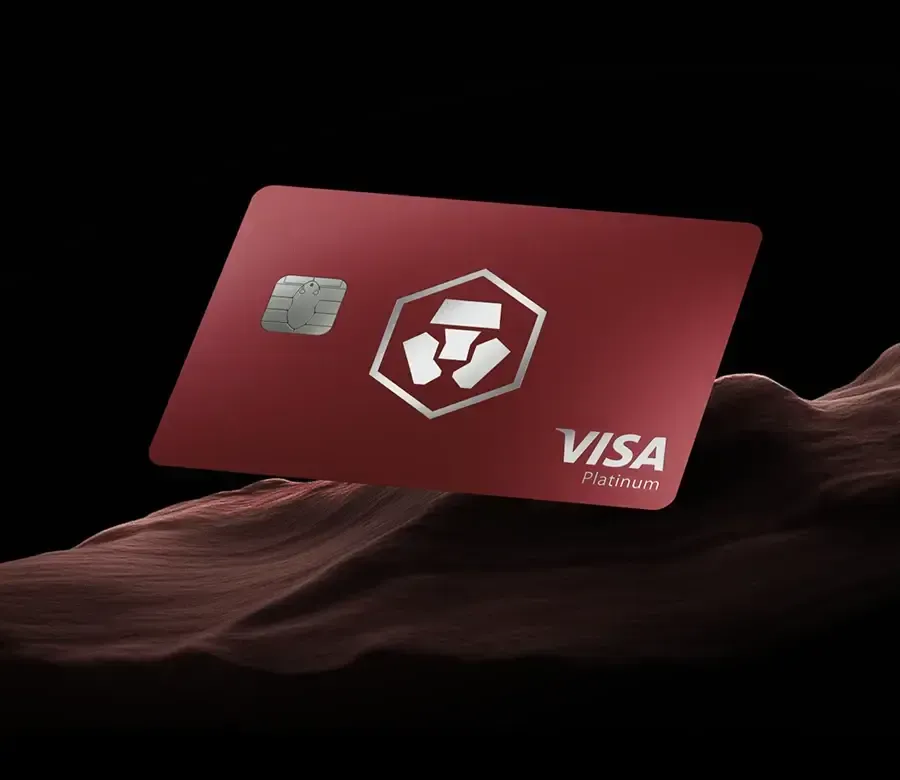
PLUS
2.0%
back in crypto · on every spend
€3.99 / month
or €39.90/year (€3.32/month)
Zero trading fees up to $20K/month
2.0% back in crypto on card spend
0% foreign exchange fees
EUR Cash Yield up to 1.35% p.a.
CRO Yield up to 2.00% p.a.
Virtual Visa card · Flexible cancel
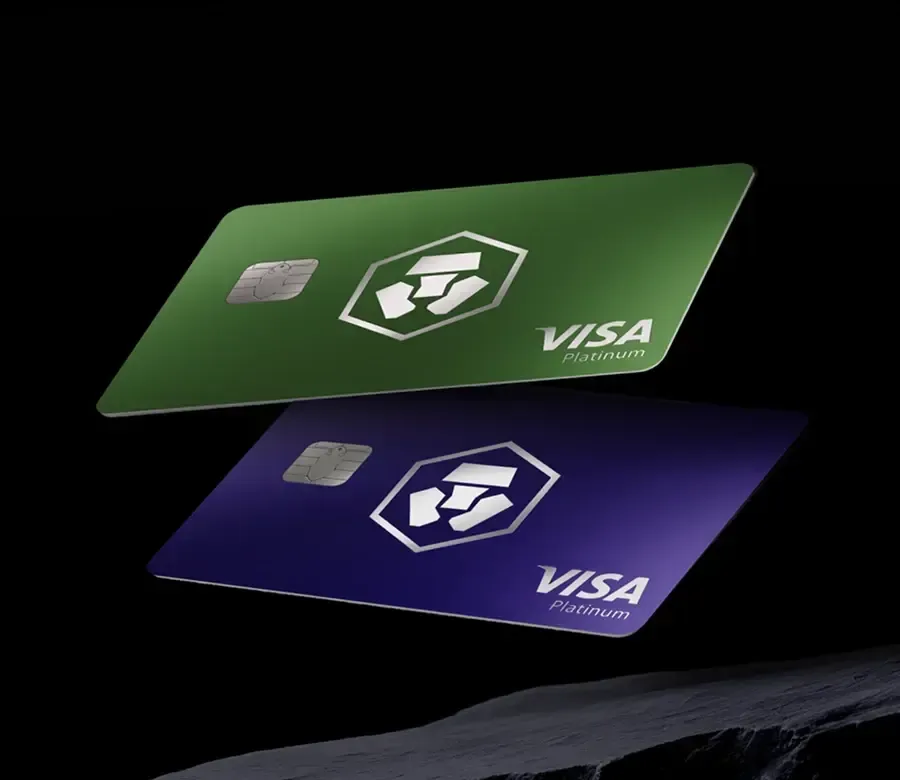
PRO
3.0%
back in crypto · on every spend
€24.99 / month
or €249.90/year (€20.82/month)
Zero trading fees up to $50K/month
3.0% back in crypto on card spend
0% foreign exchange fees
EUR Cash Yield up to 1.70% p.a.
CRO Yield up to 2.50% p.a.
Airport lounge access (Priority Pass)
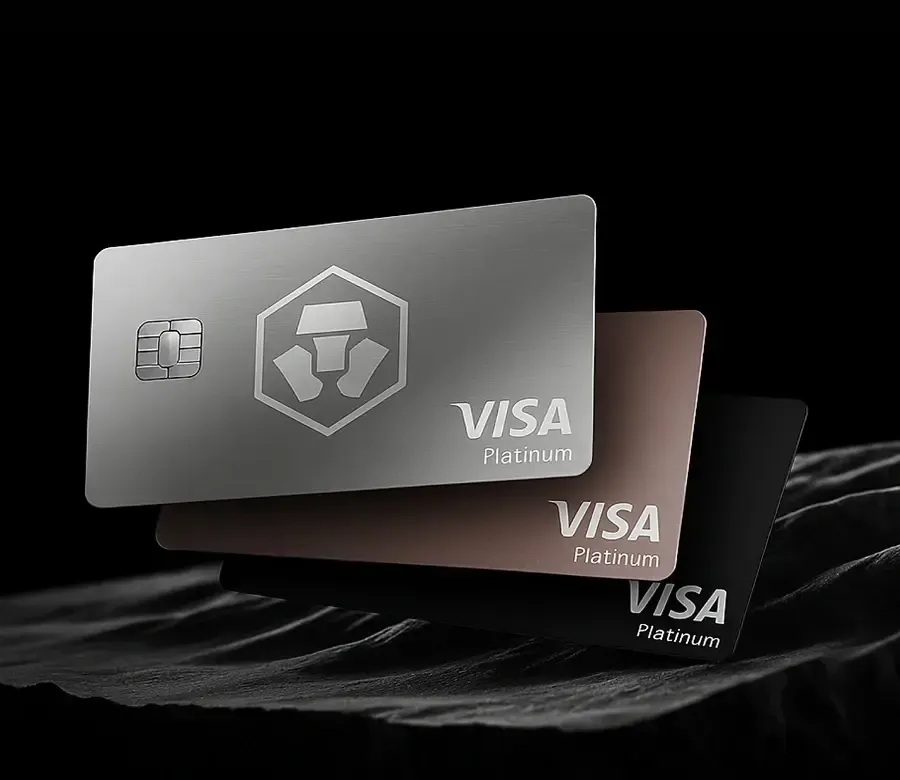
PRIVATE
4–6%
back in crypto · on every spend
CRO Lockup from €45,000
8.5% yield · 12-month staking · €450K tier at 9.5%
Zero trading fees · Unlimited volume
4.0%–6.0% back in crypto
0% foreign exchange fees
EUR Cash Yield up to 1.80% p.a.
Extra 1% p.a. on Earn allocations in CRO
VIP events · Exclusive experiences
8.5% CRO lockup rewards