
Hostinger vs GoDaddy
Founding story, key facts and history — side by side.
Hostinger
Born as a zero-budget free hosting experiment in Lithuania, it quietly scaled into a dominant global infrastructure colossus handling millions of websites.
| Founded | 2004 |
| Founders | Arnas Stuopelis (Early CEO), alongside Lithuanian tech syndicates |
| HQ | Kaunas, Lithuania |
| Symbol | PRIVATE |
VS
GoDaddy
Leveraging outrageous, late-night Super Bowl ads to shock the public, it transformed a simple domain registry into a multi-billion dollar public web empire.
| Founded | 1997 |
| Founders | Bob Parsons |
| HQ | Tempe, Arizona |
| Symbol | GDDY |
The Story — Side by Side
2004
The early 000webhost zero-cost viral marketing experiment
Hostinger began its operational journey in Kaunas, Lithuania, under the early corporate name "Hosting Media," launching a highly viral completely free web hosting subsidiary called 000webhost. This strategic experiment allowed millions of early web developers worldwide to deploy websites without paying a single dollar, giving the firm a massive global user acquisition engine. The team spent years optimizing server densities and hyper-low-cost maintenance systems to support this massive infrastructure load without traditional external funding.
2011
The structural rebrand and the absolute global bootstrap pivot
In 2011, the company officially rebranded as Hostinger, completely pivoting its core corporate model away from free tier models toward incredibly aggressive, low-cost premium shared hosting services. By building a proprietary, highly optimized custom control panel (hPanel) instead of licensing the expensive industry-standard cPanel software, Hostinger significantly reduced its operational overhead. This software independence allowed the company to undercut the pricing of massive private equity-backed American web hosting conglomerates.
2021
The strategic German enterprise consortium investment injection
After nearly two decades of operating as a purely bootstrapped, highly profitable Baltic software secret, Hostinger agreed to sell a major minority stake to a top German digital investment consortium consisting of Conny & Co. and EMERAM. This structural corporate transaction injected critical growth capital into the firm, allowing it to rapidly migrate its global data center infrastructure entirely over to high-speed cloud clusters. The partnership accelerated its penetration into emerging markets across Latin America and Southeast Asia.
2026
The custom cloud infrastructure shift and record global scale
By mid-2026, Hostinger successfully expanded its global footprint to over 30 million users across 150 countries, with annual revenues climbing past an estimated $210 million. Under the engineering leadership of CEO Daugirdas Jankus, the enterprise successfully integrated comprehensive automated AI website builders and custom cloud infrastructure optimized for massive e-commerce operations. The company managed to maintain its signature low pricing while shifting millions of traditional shared hosting accounts to premium cloud tiers.
1997
The Jomax Technologies military-veteran garage origins
GoDaddy was originally founded under the name Jomax Technologies by Bob Parsons, a decorated Vietnam War veteran who had previously sold his first software company to Intuit for $64 million. Parsons wanted to escape early retirement by building a highly accessible, extremely cheap software alternative for small businesses looking to establish early internet real estate. In 1999, the team decided to execute a memorable corporate name change, famously settled on "Go Daddy" after realizing the domain name was available for immediate purchase.
2005
The high-shock Super Bowl advertising cultural phenomenon
GoDaddy achieved massive, highly controversial mainstream global fame in 2005 by airing its first highly provocative, late-night Super Bowl television commercial. The ad campaign featured extreme double entendres and hyper-sexualized marketing tropes that drew intense public criticism from media watchdogs while driving unprecedented server traffic spikes. This aggressive marketing playbook completely redefined the corporate domain industry, weaponizing shock value to capture the absolute lion's share of the consumer market.
2011
The massive $2.25 billion private equity buyout consortium
In July 2011, founder Bob Parsons successfully orchestrated a massive corporate transition by agreeing to sell a dominant controlling stake in GoDaddy to a powerhouse private equity consortium led by KKR, Silver Lake Partners, and Technology Crossover Ventures for $2.25 billion. The institutional buyout shifted the company's internal operational focus away from purely shocking public marketing toward building comprehensive, enterprise-grade cloud business suites. This move paved a clear financial path toward the public markets.
2015
The successful $460 million IPO and major corporate cleanup
GoDaddy successfully transitioned into a publicly traded corporation in April 2015, listing on the New York Stock Exchange under the ticker symbol GDDY and raising over $460 million. To appeal to institutional Wall Street investors, the company executed a massive structural cleanup of its corporate image, phasing out its controversial television ads in favor of inclusive small-business narratives. The capital allowed the company to aggressively acquire major regional competitors like Host Europe Group for $1.7 billion.
2026
The GoDaddy Airo engine deployment and multi-billion revenue scale
By mid-2026, GoDaddy Inc. solidified its absolute market dominance by managing over 84 million domain names globally, with annual consolidated revenues climbing past a record $4.8 billion. Under the strategic guidance of CEO Aman Bhutani, the corporate giant fully deployed its advanced "GoDaddy Airo" autonomous AI platform across its global ecosystem. This integration allowed millions of micro-businesses to automatically generate websites, logos, and targeted email marketing campaigns within seconds of purchasing a domain.
Tools & Platforms
For Investors
The market doesn't care about your feelings.
But your broker's fees do.
But your broker's fees do.
Most people have a brokerage account. Fewer understand what it really costs them — in spreads, in fees, in missed instruments. Malta-regulated, direct market access, 600,000+ instruments.
Exante
Malta MFSA · 50 exchanges
Tickmill
Forex from 0.0 pips
Vantage
Multi-asset trading
Polymarket
Prediction markets
For Entrepreneurs
Opening a US company costs $300.
Most people think it's complicated. It isn't.
Most people think it's complicated. It isn't.
Most founders spend weeks on formation, banking and payments. The ones who move fast know which tools to use before they start. A US LLC, a real business account, and a way to pay people — in that order.
Mercury
Business finance · 300K+ founders
Doola
US LLC formation · YC backed
Melio
B2B payments
Xero 95% OFF
Accounting · 6 months
For C-Suite
Your competitor pays $200 less per month for EOR.
You're still on a spreadsheet.
You're still on a spreadsheet.
BVNK hired 20% of its workforce through Deel. The smartest operators aren't managing payroll complexity — they're outsourcing it. EOR in 150+ countries, multi-currency accounts, workforce payments at $200 less per month than competitors.
Deel
EOR · 150+ countries
Payoneer
$399/mo EOR · Save $200
Wise Business
40+ currencies · No hidden fees
Gusto
US payroll & benefits
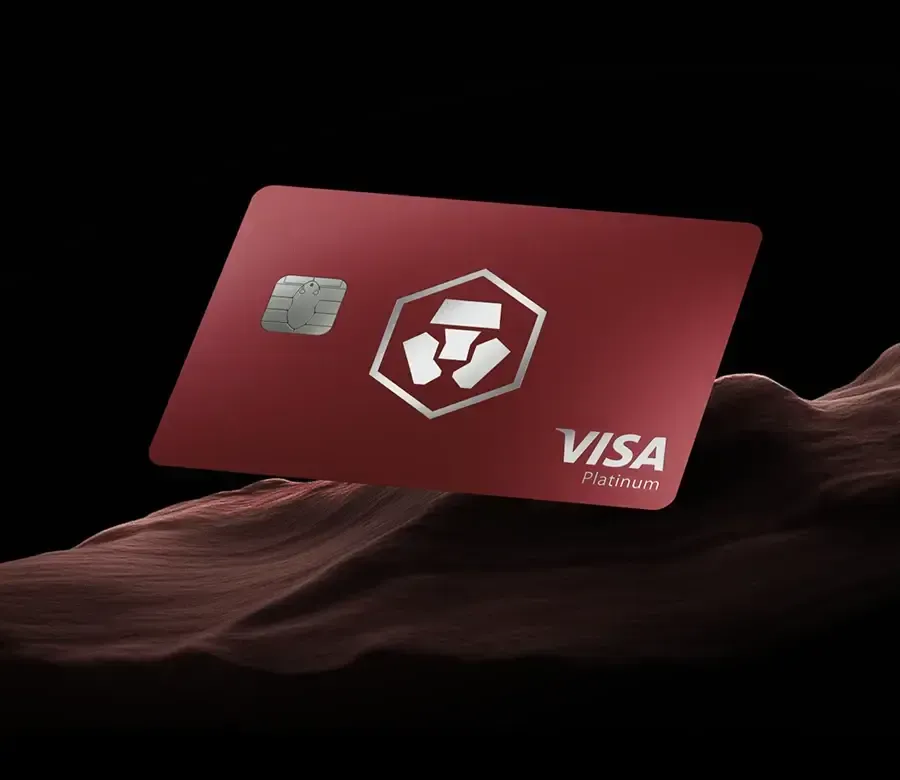
PLUS
2.0%
back in crypto · on every spend
€3.99 / month
or €39.90/year (€3.32/month)
Zero trading fees up to $20K/month
2.0% back in crypto on card spend
0% foreign exchange fees
EUR Cash Yield up to 1.35% p.a.
CRO Yield up to 2.00% p.a.
Virtual Visa card · Flexible cancel
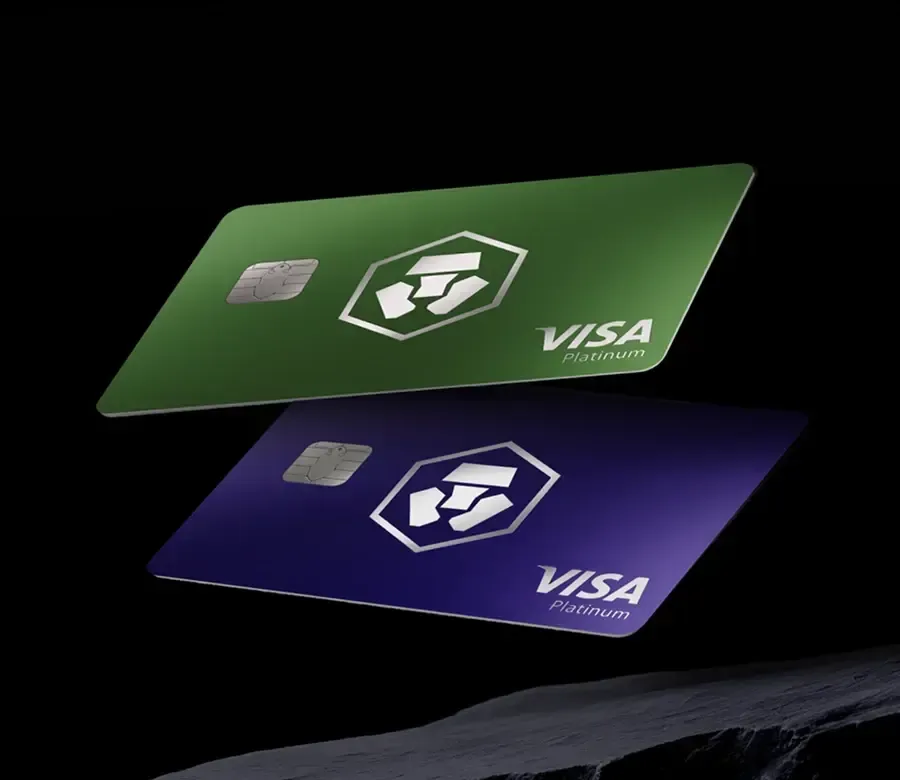
PRO
3.0%
back in crypto · on every spend
€24.99 / month
or €249.90/year (€20.82/month)
Zero trading fees up to $50K/month
3.0% back in crypto on card spend
0% foreign exchange fees
EUR Cash Yield up to 1.70% p.a.
CRO Yield up to 2.50% p.a.
Airport lounge access (Priority Pass)
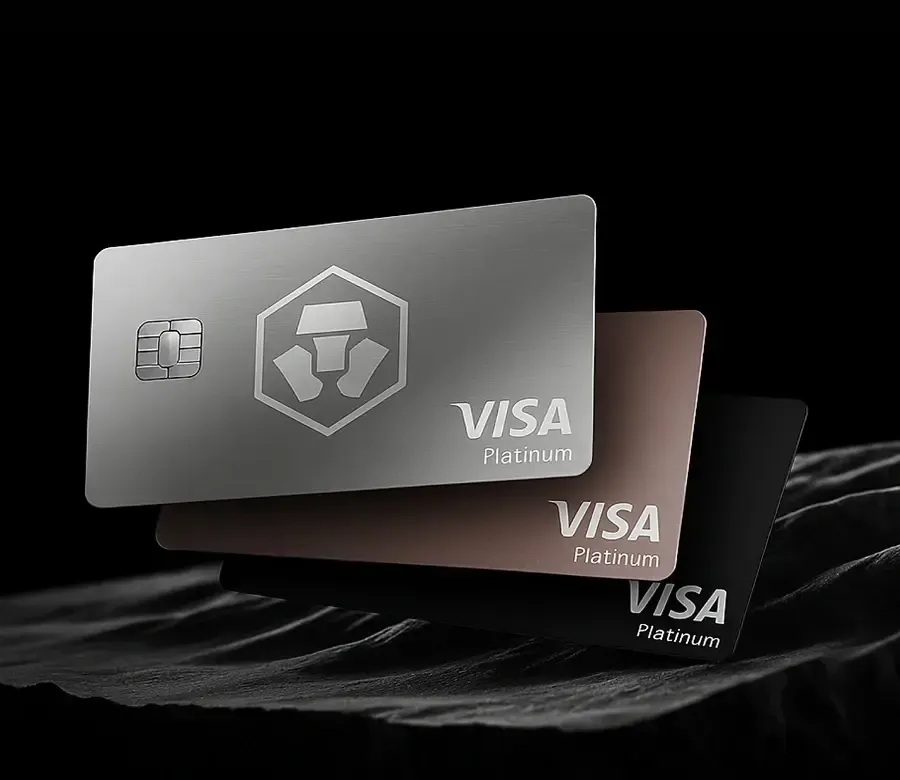
PRIVATE
4–6%
back in crypto · on every spend
CRO Lockup from €45,000
8.5% yield · 12-month staking · €450K tier at 9.5%
Zero trading fees · Unlimited volume
4.0%–6.0% back in crypto
0% foreign exchange fees
EUR Cash Yield up to 1.80% p.a.
Extra 1% p.a. on Earn allocations in CRO
VIP events · Exclusive experiences
8.5% CRO lockup rewards