
Just Eat vs Uber
Founding story, key facts and history — side by side.
Just Eat
The pioneering digital menu aggregator that built a sprawling, multi-continental empire before struggling to adapt to the high-speed logistics era.
| Founded | 2001 |
| Founders | Jesper Buch |
| HQ | Amsterdam, Netherlands |
| Symbol | JET |
VS
Uber
Built by a man fired from his own company. Twice. Now the world's largest robotaxi platform.
| Founded | 2009 |
| Founders | Travis Kalanick, Garrett Camp |
| HQ | San Francisco, California |
| Symbol | UBER |
The Story — Side by Side
2001
The digital menu aggregator origins
Just Eat was founded as a simple, digital directory where restaurants could post their menus, and customers could order food online. It was a low-cost, high-scale "aggregator" model. At the time, it didn't manage the delivery itself; it just connected the hungry customer to the local takeaway restaurant. This "asset-light" model allowed it to expand across Europe with incredible speed, building a dominant market share in a dozen different countries.
2020
The massive Just Eat and Takeaway.com merger
In a move to dominate the European market, Just Eat merged with Takeaway.com, creating a massive, pan-European digital-ordering powerhouse. The combined entity was designed to compete with the new wave of high-speed delivery startups (like Deliveroo and UberEats) that were threatening the traditional aggregator model. The merger was a defensive, scale-driven play to build a defensible moat of regional dominance.
2021
The Grubhub acquisition gamble
The company spent billions to acquire the American giant Grubhub, an ambitious, high-stakes move meant to make Just Eat Takeaway a global leader. However, the integration was an operational and cultural disaster. The US market was far more competitive and logistics-heavy than the European aggregator market the firm was used to. The acquisition weighed down the entire group, eventually forcing them to sell Grubhub at a loss.
2024
The consolidation and the focus on core markets
After the Grubhub failure, the company began a painful process of simplification. It cut its footprint, exited non-performing regions, and refocused on its core strength: high-margin, aggregator-led delivery in Western Europe. The goal was to stop the bleeding and prove that the original, "asset-light" aggregator model could still be highly profitable if it focused on the right geographic corridors.
2026
The stabilized European logistics utility
By mid-2026, Just Eat Takeaway operates as a lean, focused, and profitable utility for European food delivery. It has successfully moved past its ill-fated global expansion attempt. By prioritizing its dominance in its core European markets and refining its logistics algorithms, the firm has stabilized as a disciplined, reliable pillar of the regional food-delivery economy.
2009
A Paris night, a broken taxi app
The idea for Uber came to Garrett Camp and Travis Kalanick on a snowy Paris night in 2008 when they couldn't get a cab. Camp had sold his previous startup StumbleUpon to eBay for $75 million. Kalanick had sold his startup Red Swoosh for $19 million. Both had money, both had time, and both were annoyed. UberCab launched in San Francisco in June 2010 with three cars and an immediate cease and desist order from city regulators.
2017
#DeleteUber and the CEO resignation
2017 was catastrophic for Uber. A former engineer published a blog post detailing systematic sexual harassment. A video emerged of Kalanick berating an Uber driver. The company was found to have used software called Greyball to evade law enforcement. The board forced Kalanick to resign in June 2017. Over 200,000 users deleted the app in a single weekend. CEO Dara Khosrowshahi was brought in from Expedia to stabilise the company.
2019
The IPO that disappointed everyone
Uber went public in May 2019 at $45 per share — below its expected range — in what became one of the most disappointing major tech IPOs in years. The stock fell on its first day of trading. SoftBank, which had invested $7.7 billion, watched its investment immediately decline in value. The road to profitability looked long and uncertain.
2023
Finally profitable — and pivoting to autonomy
Uber achieved consistent profitability in 2023 — fourteen years after its founding. The company generated $6.9 billion in free cash flow in 2024, its highest operating margin since going public. CEO Dara Khosrowshahi declared autonomous vehicles "the single greatest opportunity ahead for Uber," and began building a network of AV partnerships rather than developing the technology itself — a deliberate reversal of the strategy that had cost Uber billions in its failed self-driving division.
2025
20 autonomous partners and the robotaxi era begins
By mid-2025, Uber had partnered with 20 autonomous vehicle companies globally — including Waymo, Volkswagen, Avride, May Mobility, and Aurora — integrating their fleets directly into the Uber app. In Austin, Texas, Waymo robotaxis deployed exclusively through Uber were completing more trips per day than 99% of all human drivers. Uber reached an annual run-rate of 1.5 million autonomous trips. Q2 2025 revenue was $14.4 billion — up 20% year-over-year. The company that had once tried and failed to build its own self-driving car had become the distribution layer for everyone else's.
Tools & Platforms
For Investors
The market doesn't care about your feelings.
But your broker's fees do.
But your broker's fees do.
Most people have a brokerage account. Fewer understand what it really costs them — in spreads, in fees, in missed instruments. Malta-regulated, direct market access, 600,000+ instruments.
Exante
Malta MFSA · 50 exchanges
Tickmill
Forex from 0.0 pips
Vantage
Multi-asset trading
Polymarket
Prediction markets
For Entrepreneurs
Opening a US company costs $300.
Most people think it's complicated. It isn't.
Most people think it's complicated. It isn't.
Most founders spend weeks on formation, banking and payments. The ones who move fast know which tools to use before they start. A US LLC, a real business account, and a way to pay people — in that order.
Mercury
Business finance · 300K+ founders
Doola
US LLC formation · YC backed
Melio
B2B payments
Xero 95% OFF
Accounting · 6 months
For C-Suite
Your competitor pays $200 less per month for EOR.
You're still on a spreadsheet.
You're still on a spreadsheet.
BVNK hired 20% of its workforce through Deel. The smartest operators aren't managing payroll complexity — they're outsourcing it. EOR in 150+ countries, multi-currency accounts, workforce payments at $200 less per month than competitors.
Deel
EOR · 150+ countries
Payoneer
$399/mo EOR · Save $200
Wise Business
40+ currencies · No hidden fees
Gusto
US payroll & benefits
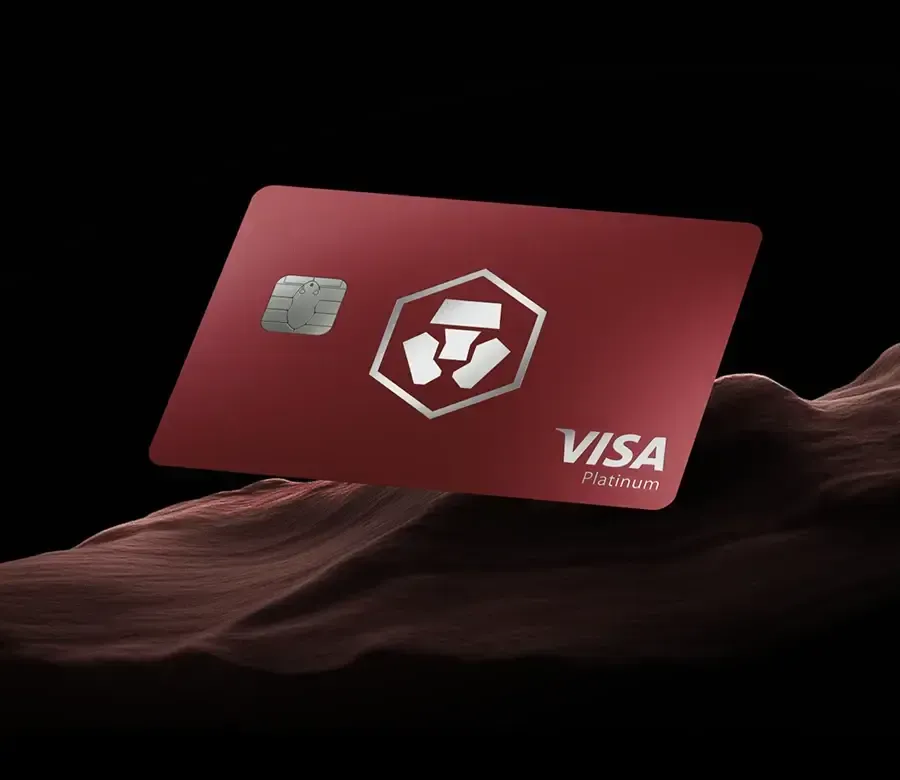
PLUS
2.0%
back in crypto · on every spend
€3.99 / month
or €39.90/year (€3.32/month)
Zero trading fees up to $20K/month
2.0% back in crypto on card spend
0% foreign exchange fees
EUR Cash Yield up to 1.35% p.a.
CRO Yield up to 2.00% p.a.
Virtual Visa card · Flexible cancel
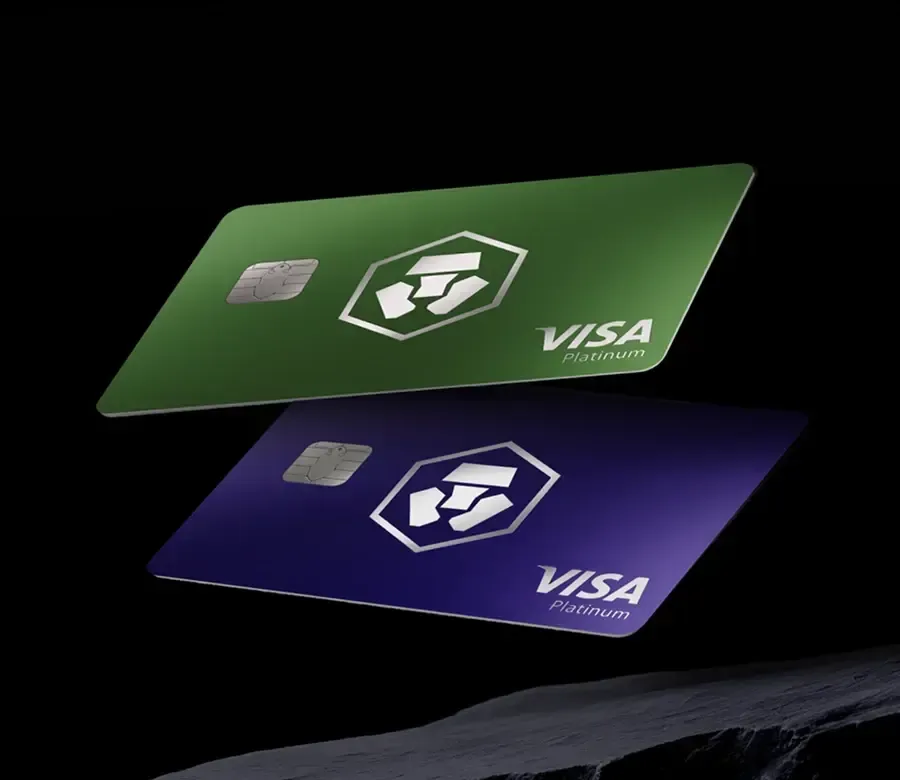
PRO
3.0%
back in crypto · on every spend
€24.99 / month
or €249.90/year (€20.82/month)
Zero trading fees up to $50K/month
3.0% back in crypto on card spend
0% foreign exchange fees
EUR Cash Yield up to 1.70% p.a.
CRO Yield up to 2.50% p.a.
Airport lounge access (Priority Pass)
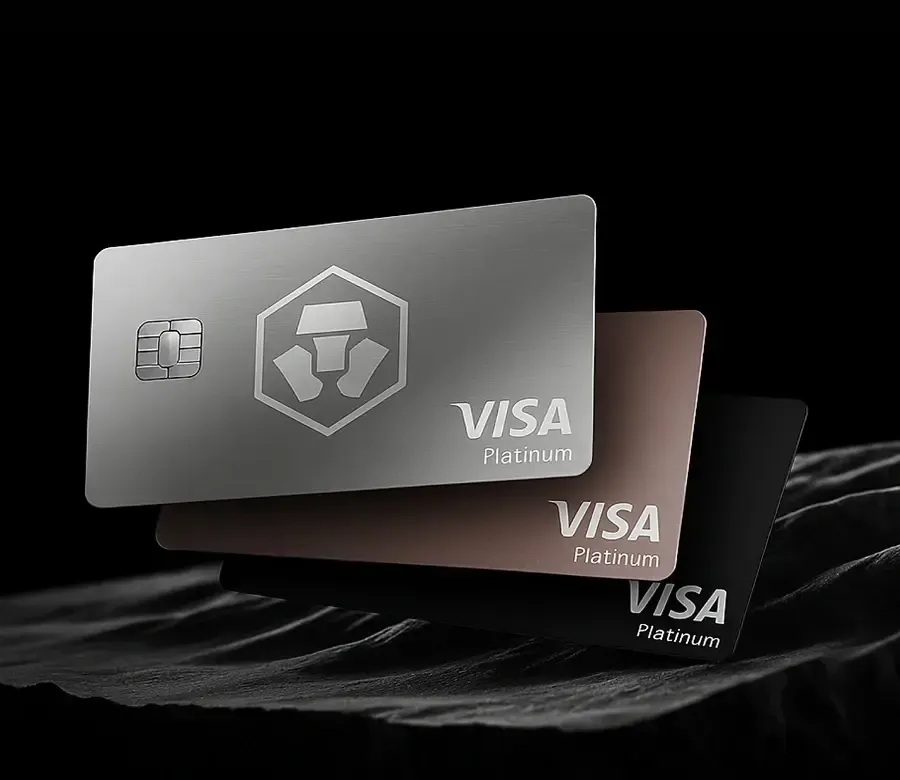
PRIVATE
4–6%
back in crypto · on every spend
CRO Lockup from €45,000
8.5% yield · 12-month staking · €450K tier at 9.5%
Zero trading fees · Unlimited volume
4.0%–6.0% back in crypto
0% foreign exchange fees
EUR Cash Yield up to 1.80% p.a.
Extra 1% p.a. on Earn allocations in CRO
VIP events · Exclusive experiences
8.5% CRO lockup rewards