
KAYAK vs Alphabet Inc. (Google)
Founding story, key facts and history — side by side.
KAYAK
Built by the co-founders of Orbitz and CenterRun to kill boring travel search. Acquired for $1.8 billion right before its IPO victory lap.
| Founded | 2004 |
| Founders | Steve Hafner, Paul English |
| HQ | Stamford, Connecticut |
| Symbol | BKNG |
VS
Alphabet Inc. (Google)
Almost sold for $1 million. The buyer said no. Now facing the biggest antitrust case since Microsoft.
| Founded | 1998 |
| Founders | Larry Page, Sergey Brin |
| HQ | Mountain View, California |
| Symbol | GOOGL |
The Story — Side by Side
2004
The multi-founder dream team alliance
KAYAK was co-founded in 2004 by Steve Hafner, a founding executive of Orbitz, and Paul English, a brilliant software engineer who had recently sold his technology firm CenterRun. Recognizing that travelers were wasting hours opening dozens of web tabs to compare flight options, they set out to build the definitive travel meta-search engine. Operating with a lean engineering culture, they built a highly advanced, ultra-fast data aggregation pipeline that queried hundreds of airlines, hotels, and rental car databases simultaneously within a single web screen.
2013
The $1.8 billion Booking Holdings pre-IPO hijack
KAYAK successfully executed a public listing on the NASDAQ in July 2012, displaying exceptional revenue growth and proving the high consumer value of independent meta-search. However, its time as a public stock was incredibly short-lived; in May 2013, global travel monopoly Priceline Group (now Booking Holdings) officially stepped in and hijacked the business, acquiring KAYAK for $1.8 billion. The acquisition gave Booking Holdings a powerful consumer top-of-funnel defense shield against competing travel platforms.
2018
The Google Flights defensive margin war
As an independent brand under the Booking Holdings umbrella, KAYAK faced a massive, highly dangerous existential threat when search giant Google aggressively deployed its own native Google Flights and Google Hotels modules directly at the top of organic web search results. This antitrust positioning severely choked off KAYAK's organic traffic flow, forcing the company to engage in expensive paid brand advertising campaigns and pivot heavily toward developing specialized, advanced consumer tools like automated price prediction algorithms.
2021
The multi-brand search engine centralization roll-up
To optimize operational costs during the severe pandemic travel slowdown, Booking Holdings corporate management chose to centralize multiple secondary international meta-search assets directly under KAYAK's executive leadership team. Steve Hafner was tasked with managing a massive, aggregated portfolio of international search engines, including the European platform Momondo, Cheapflights, and the specialized international brand Mundi, streamlining back-end infrastructure into a single core platform.
2026
The corporate software matrix and corporate travel push
By mid-2026, KAYAK operated as the primary global meta-search division within the Booking Holdings ecosystem, processing tens of billions of search queries annually. Under corporate strategy adjustments, the business expanded heavily into specialized SaaS corporate travel management software via KAYAK for Business, providing mid-market companies with automated expense and trip tracking. Fueled by highly optimized ad revenue splits, the division maintained solid financial contribution metrics for the parent firm.
1996
BackRub: the search engine with an ugly name
Larry Page and Sergey Brin met at Stanford in 1995. By 1996 they had built a search engine called BackRub — named after its method of analysing backlinks. It ran on Stanford's servers and consumed so much bandwidth that the university repeatedly asked them to take it down.
1998
The $100,000 cheque for a company that didn't exist
Sun Microsystems co-founder Andy Bechtolsheim wrote Google a cheque for $100,000 in August 1998 after a brief demo in a Stanford parking lot. There was one problem: Google Inc. didn't exist yet. Page and Brin had to incorporate the company before they could cash it.
1999
They tried to sell Google for $1 million
In 1999, Page and Brin tried to sell Google to Excite CEO George Bell for $1 million. Bell turned them down — the search was too good, it would send users away from Excite's portal too quickly. Bell later called it the worst decision of his career. Excite filed for bankruptcy in 2001. Google became worth more than $2 trillion.
2023
Code red: the ChatGPT war begins
When OpenAI launched ChatGPT in November 2022, Google declared an internal "code red." The company that had invented the transformer architecture — the technology that made ChatGPT possible — had published its research openly and was now scrambling to compete with the system it had inadvertently enabled. Google rushed Bard to market. It made a factual error in its first public demo. The stock dropped $100 billion in a single day. Google's search share fell from 80% to under 70% as users migrated to ChatGPT, Perplexity, and Claude.
2025
The antitrust ruling that changed everything
In September 2025, a U.S. federal court ruled that Google had illegally maintained its monopoly in search, ordering the company to end exclusive distribution contracts with Apple, device manufacturers, and browser makers. The Apple deal alone had been worth approximately $20 billion per year to keep Google as the default search engine on Safari. The court stopped short of forcing Google to sell Chrome or Android, but the ruling was the most consequential antitrust action against a technology company since the Microsoft case of 1998. Google announced it would appeal. The case is expected to reach the Supreme Court.
Tools & Platforms
For Investors
The market doesn't care about your feelings.
But your broker's fees do.
But your broker's fees do.
Most people have a brokerage account. Fewer understand what it really costs them — in spreads, in fees, in missed instruments. Malta-regulated, direct market access, 600,000+ instruments.
Exante
Malta MFSA · 50 exchanges
Tickmill
Forex from 0.0 pips
Vantage
Multi-asset trading
Polymarket
Prediction markets
For Entrepreneurs
Opening a US company costs $300.
Most people think it's complicated. It isn't.
Most people think it's complicated. It isn't.
Most founders spend weeks on formation, banking and payments. The ones who move fast know which tools to use before they start. A US LLC, a real business account, and a way to pay people — in that order.
Mercury
Business finance · 300K+ founders
Doola
US LLC formation · YC backed
Melio
B2B payments
Xero 95% OFF
Accounting · 6 months
For C-Suite
Your competitor pays $200 less per month for EOR.
You're still on a spreadsheet.
You're still on a spreadsheet.
BVNK hired 20% of its workforce through Deel. The smartest operators aren't managing payroll complexity — they're outsourcing it. EOR in 150+ countries, multi-currency accounts, workforce payments at $200 less per month than competitors.
Deel
EOR · 150+ countries
Payoneer
$399/mo EOR · Save $200
Wise Business
40+ currencies · No hidden fees
Gusto
US payroll & benefits
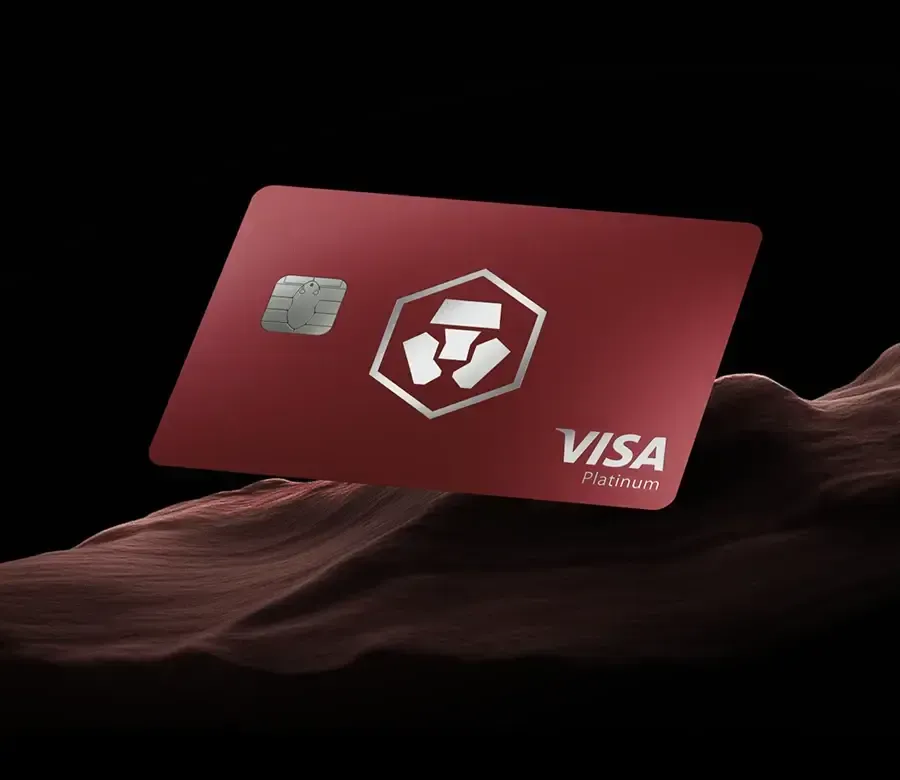
PLUS
2.0%
back in crypto · on every spend
€3.99 / month
or €39.90/year (€3.32/month)
Zero trading fees up to $20K/month
2.0% back in crypto on card spend
0% foreign exchange fees
EUR Cash Yield up to 1.35% p.a.
CRO Yield up to 2.00% p.a.
Virtual Visa card · Flexible cancel
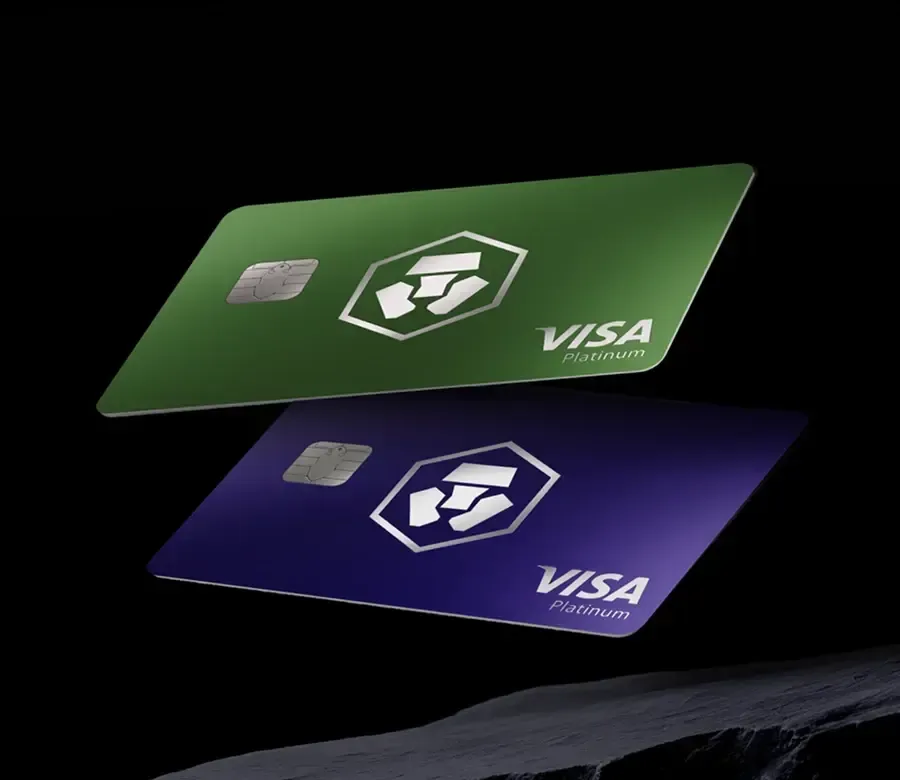
PRO
3.0%
back in crypto · on every spend
€24.99 / month
or €249.90/year (€20.82/month)
Zero trading fees up to $50K/month
3.0% back in crypto on card spend
0% foreign exchange fees
EUR Cash Yield up to 1.70% p.a.
CRO Yield up to 2.50% p.a.
Airport lounge access (Priority Pass)
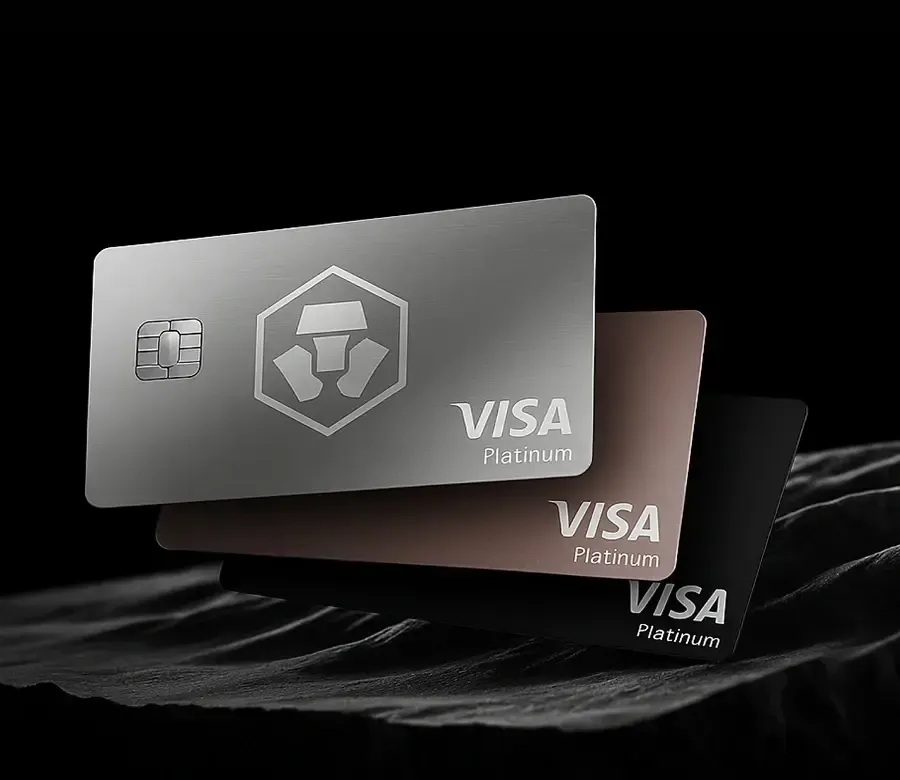
PRIVATE
4–6%
back in crypto · on every spend
CRO Lockup from €45,000
8.5% yield · 12-month staking · €450K tier at 9.5%
Zero trading fees · Unlimited volume
4.0%–6.0% back in crypto
0% foreign exchange fees
EUR Cash Yield up to 1.80% p.a.
Extra 1% p.a. on Earn allocations in CRO
VIP events · Exclusive experiences
8.5% CRO lockup rewards