
Klarna vs Afterpay
Founding story, key facts and history — side by side.
Klarna
Humiliated at a startup competition in 2005, it hit a $45 billion peak, suffered an 85% valuation crash, and rebuilt itself via AI.
| Founded | 2005 |
| Founders | Sebastian Siemiatkowski, Niklas Adalberth, Victor Jacobsson |
| HQ | Stockholm, Sweden |
| Symbol | PRIVATE |
VS
Afterpay
Built by a millennial selling jewelry from his bedroom, it tricked the credit card industry by charging merchants instead of kids.
| Founded | 2014 |
| Founders | Nick Molnar, Anthony Eisen |
| HQ | Melbourne, Australia |
| Symbol | SQ |
The Story — Side by Side
2005
The last-place startup competition humiliation
In 2005, Stockholm School of Economics students Sebastian Siemiatkowski, Niklas Adalberth, and Victor Jacobsson entered the school's annual entrepreneurship competition with a radical concept: an online checkout system that allowed consumers to buy products first and pay for them after delivery. The panel of elite Swedish judges completely hated the idea, giving the project last place and telling the founders their model was commercially impossible. Defiant, they founded Klarna anyway, operating out of a borrowed basement and writing the initial code on bare minimum credit card debt.
2021
The SoftBank peak and the $456 million cash burn
Driven by an absolute online shopping explosion during global pandemic lockdowns, Klarna became the undisputed crown jewel of European fintech. In June 2021, following a massive $639 million funding round led by the SoftBank Vision Fund, Klarna's private market valuation soared to an astronomical $45.6 billion, making it the most valuable private tech startup in Europe. Sebastian Siemiatkowski launched an aggressive, high-cost marketing expansion into the United States, hiring pop stars like Snoop Dogg and burning through over $450 million in cash annually to acquire retail market share.
2022
The brutal 85% down-round massacre
When the Federal Reserve aggressively hiked interest rates in 2022, the era of free money instantly ended, triggering a catastrophic financial reality check for the Buy-Now-Pay-Later sector. Faced with ballooning consumer credit losses and a frozen capital market, Klarna was forced to execute a humiliating "down-round" financing deal in July 2022 to survive. The company raised $800 million, but its valuation was brutally slashed from $45.6 billion down to a mere $6.7 billion — a staggering 85% wipeout of paper wealth that forced immediate corporate layoffs.
2024
The radical OpenAI workforce replacement experiment
In early 2024, Klarna stunned the global corporate world by emerging as a primary case study for aggressive generative AI workforce replacement. CEO Sebastian Siemiatkowski proudly announced that the company had integrated an OpenAI-powered customer service assistant that handled over 2.3 million conversations in its first month, performing the work of 700 full-time human customer support agents. While drawing intense fire from global labor unions, Klarna's corporate operating costs plummeted, turning the company profitable and establishing a new blueprint for automated tech operations.
2026
The highly anticipated Wall Street IPO resurrection
By mid-2026, Klarna successfully completed a historic corporate resurrection, filing for a massive, highly anticipated public listing on the New York Stock Exchange at a target valuation of approximately $18 billion. Fueled almost entirely by their high-margin AI infrastructure, which cut corporate overhead by 40% and reduced customer resolution times from 11 minutes to under 2 minutes, the Swedish fintech recorded record fiscal profits. The brand successfully expanded its integrated shopping app to over 150 million active consumers globally, fully vindicating the founders' long survival struggle.
2014
The bedroom jewelry store insight
Afterpay was conceived in a suburban bedroom by 24-year-old Nick Molnar, who was running the largest online jewelry store in Australia out of his parents' home. He noticed a profound psychological shift after the 2008 financial crisis: millennial shoppers were actively terrified of credit card debt and were abandoning traditional credit products in droves. He teamed up with his next-door neighbor, veteran investment banker Anthony Eisen, to build a payment system that allowed consumers to split purchases into four interest-free installments, fundamentally changing youth spending habits.
2017
Tricking credit rules with merchant fees
The stroke of genius that allowed Afterpay to grow exponentially was flipping the traditional lending business model completely upside down. Instead of charging consumers high interest rates, Afterpay made its service completely interest-free for shoppers, but charged retail merchants a steep 4% to 6% transaction fee. Retailers willingly paid this premium rate because Afterpay's digital checkout integration instantly boosted average order values by over 20% and slashed cart abandonment rates, effectively turning a credit product into a marketing channel.
2020
The regulatory loophole and late fee cash cow
As Afterpay expanded globally into the US and UK markets, it faced immense pressure from consumer advocacy groups who claimed the service was a predatory debt trap masquerading as a budgeting tool. In Australia, Afterpay successfully exploited a critical legal loophole by arguing that because it did not charge interest, it did not fall under the strict jurisdiction of the National Consumer Credit Protection Act. However, financial audits revealed a hidden vulnerability: a massive chunk of Afterpay's corporate revenue was being generated by penalizing its young user base with steep, non-negotiable late fees.
2021
The historic $29 billion SoftBank era cash-out
In August 2021, at the absolute absolute peak of the pandemic tech valuation bubble, US fintech titan Block, Inc. announced a definitive agreement to acquire Afterpay for a jaw-dropping $29 billion in stock. The transaction closed as the largest corporate acquisition in Australian corporate history, instantly turning Nick Molnar into the country's youngest self-made billionaire. The timing proved to be an unbelievable stroke of luck for the founders, as the global Buy-Now-Pay-Later sector suffered a massive valuation collapse months later due to rising interest rates.
2026
The complete integration inside Cash App Commerce
By mid-2026, Afterpay was completely absorbed into Block's digital ecosystem, operating as the default credit engine powering Cash App's growing e-commerce marketplace. Under parent company management, the standalone Afterpay consumer app was largely phased out in the US, transitioning instead into an embedded checkout button used by over 30 million active digital shoppers. Despite tightening federal regulations that forced the industry to perform mandatory credit checks on users, Afterpay's micro-lending architecture generated a record $980 million in high-margin financing fees for the parent organization.
Tools & Platforms
For Investors
The market doesn't care about your feelings.
But your broker's fees do.
But your broker's fees do.
Most people have a brokerage account. Fewer understand what it really costs them — in spreads, in fees, in missed instruments. Malta-regulated, direct market access, 600,000+ instruments.
Exante
Malta MFSA · 50 exchanges
Tickmill
Forex from 0.0 pips
Vantage
Multi-asset trading
Polymarket
Prediction markets
For Entrepreneurs
Opening a US company costs $300.
Most people think it's complicated. It isn't.
Most people think it's complicated. It isn't.
Most founders spend weeks on formation, banking and payments. The ones who move fast know which tools to use before they start. A US LLC, a real business account, and a way to pay people — in that order.
Mercury
Business finance · 300K+ founders
Doola
US LLC formation · YC backed
Melio
B2B payments
Xero 95% OFF
Accounting · 6 months
For C-Suite
Your competitor pays $200 less per month for EOR.
You're still on a spreadsheet.
You're still on a spreadsheet.
BVNK hired 20% of its workforce through Deel. The smartest operators aren't managing payroll complexity — they're outsourcing it. EOR in 150+ countries, multi-currency accounts, workforce payments at $200 less per month than competitors.
Deel
EOR · 150+ countries
Payoneer
$399/mo EOR · Save $200
Wise Business
40+ currencies · No hidden fees
Gusto
US payroll & benefits
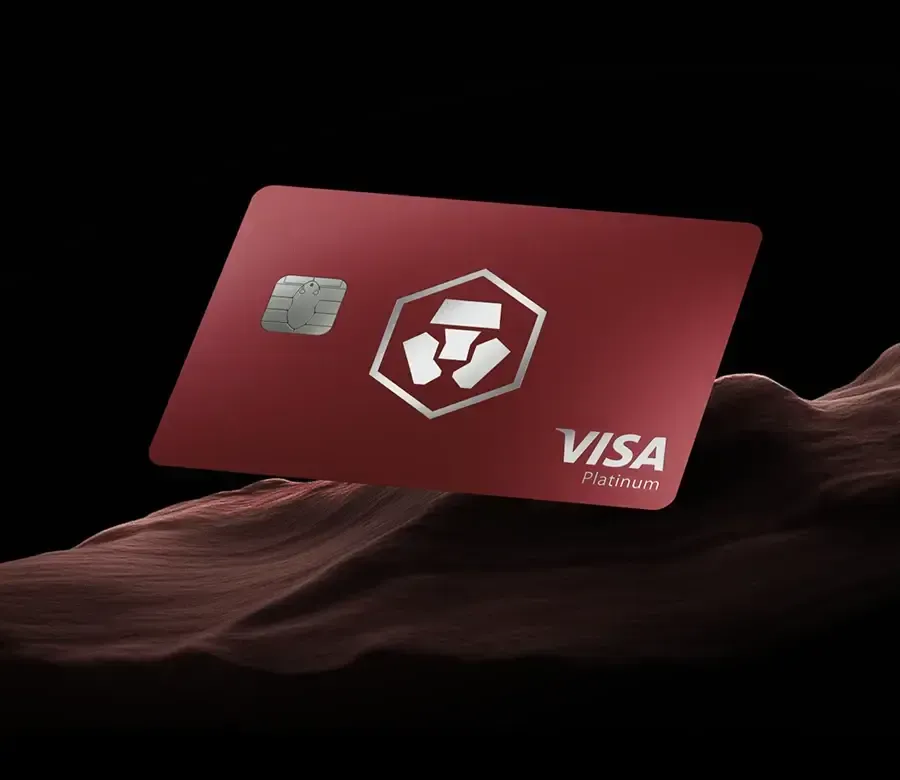
PLUS
2.0%
back in crypto · on every spend
€3.99 / month
or €39.90/year (€3.32/month)
Zero trading fees up to $20K/month
2.0% back in crypto on card spend
0% foreign exchange fees
EUR Cash Yield up to 1.35% p.a.
CRO Yield up to 2.00% p.a.
Virtual Visa card · Flexible cancel
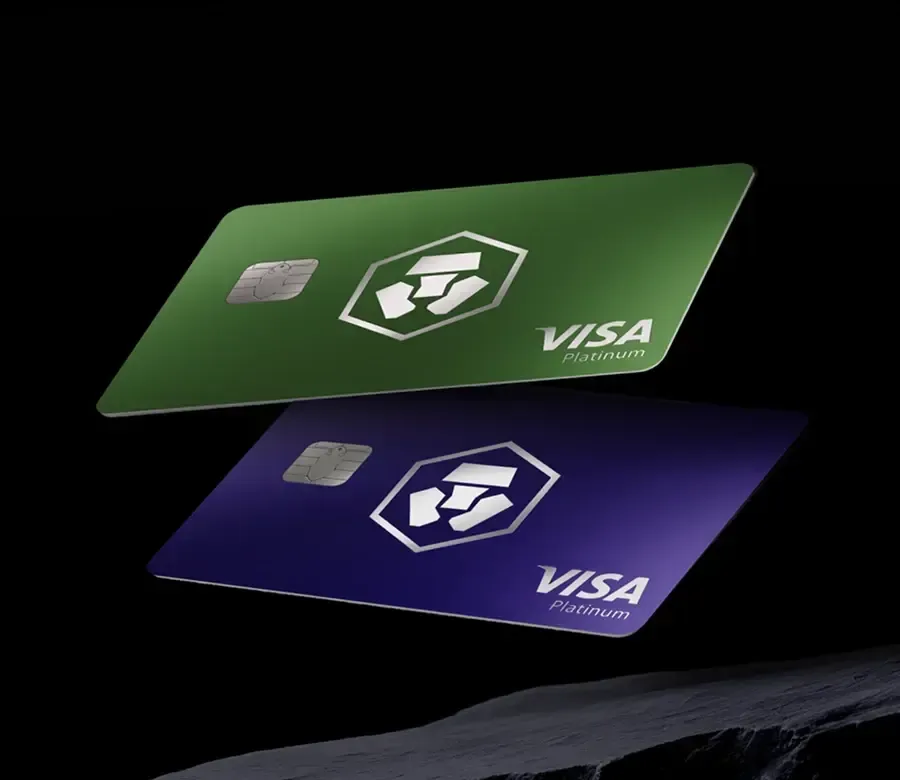
PRO
3.0%
back in crypto · on every spend
€24.99 / month
or €249.90/year (€20.82/month)
Zero trading fees up to $50K/month
3.0% back in crypto on card spend
0% foreign exchange fees
EUR Cash Yield up to 1.70% p.a.
CRO Yield up to 2.50% p.a.
Airport lounge access (Priority Pass)
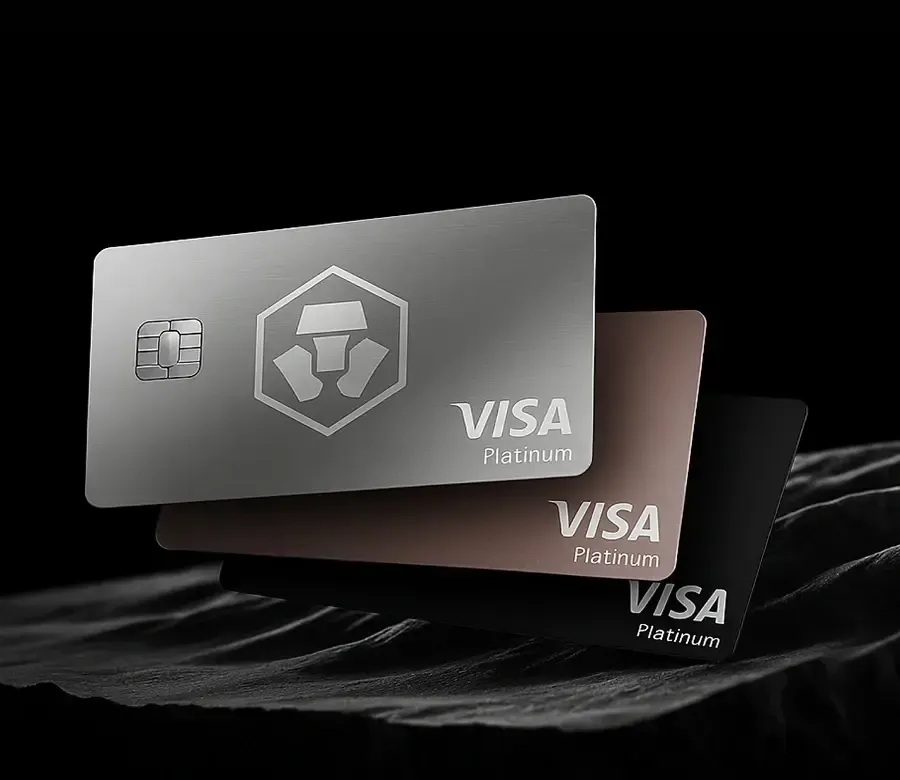
PRIVATE
4–6%
back in crypto · on every spend
CRO Lockup from €45,000
8.5% yield · 12-month staking · €450K tier at 9.5%
Zero trading fees · Unlimited volume
4.0%–6.0% back in crypto
0% foreign exchange fees
EUR Cash Yield up to 1.80% p.a.
Extra 1% p.a. on Earn allocations in CRO
VIP events · Exclusive experiences
8.5% CRO lockup rewards