
The Kraft Heinz vs Unilever
Founding story, key facts and history — side by side.
The Kraft Heinz
A massive American pantry consolidation engine, working to adapt iconic grocery brands to a modern, health-conscious consumer landscape.
| Founded | 2015 (Merger) |
| Founders | Orchestrated by 3G Capital and Berkshire Hathaway |
| HQ | Chicago, Illinois / Pittsburgh, Pennsylvania |
| Symbol | NASDAQ: KHC |
VS
Unilever
A British soap company and a Dutch margarine company merged in 1929. Built the world's largest FMCG company. Now spinning off Ben & Jerry's and selling the food business.
| Founded | 1929 |
| Founders | William Lever, Samuel van den Bergh (merger) |
| HQ | London, United Kingdom |
| Symbol | ULVR.L (LSE) / UL (NYSE) |
The Story — Side by Side
1869
The clear glass horseradish bottle and early cheese pasteurization
The company's twin legacies are anchored by Henry J. Heinz selling high-quality horseradish in transparent glass bottles to prove its absolute purity, alongside James L. Kraft patenting a revolutionary method for pasteurizing natural cheese to prevent spoilage, transforming the scale of American processed food distribution.
2015
The mega-merger orchestration by 3G Capital and Berkshire Hathaway
Backed by private equity firm 3G Capital and Warren Buffett's Berkshire Hathaway, Kraft Foods and H.J. Heinz merged in a staggering transaction that created the fifth-largest food company in the world. The newly formed conglomerate focused heavily on aggressive corporate cost-cutting via zero-based budgeting.
2019
The $15.4 billion asset write-down shock and portfolio re-evaluation
The company suffered a massive financial blow, taking a jaw-dropping $15.4 billion non-cash asset impairment charge that slashed the book value of its iconic Kraft and Oscar Mayer brands. The historic write-down exposed the limits of pure cost-cutting when consumer preferences were shifting rapidly toward organic alternatives.
2026
The agile growth transformation and institutional menu optimization
By mid-2026, The Kraft Heinz Company stabilized its commercial trajectory under optimized operational frameworks, prioritizing taste platform innovations and clean-label product lines. The consumer packaged food enterprise maintained steady revenue streams, projecting annual net sales tracking close to $26 billion.
1884
Sunlight Soap and the Port Sunlight model village
William Hesketh Lever founded Lever Brothers in 1884 in Warrington, England, to produce Sunlight Soap — the world's first packaged and branded soap. The soap was made partly from vegetable oils rather than tallow, was white and consistent in quality, and was sold in individual bars with a guarantee of purity. Lever was not just a businessman; he was a social visionary who built Port Sunlight in Merseyside in 1888 — a model village of 800 houses for his factory workers, with libraries, schools, recreational facilities, and hospitals. The Port Sunlight model became a reference point for corporate social responsibility decades before the concept was formalised.
1929
The margarine merger — Lever Brothers meets Van den Bergh
Unilever was formed on January 1, 1929, through the merger of Lever Brothers and Margarine Unie — the holding company for two Dutch margarine producers, Van den Bergh and Jurgens. Both companies had been competing for similar raw materials (vegetable oils and animal fats) and both had expanded internationally. The logic of combination was industrial: shared sourcing, shared distribution, shared research. The merged entity immediately became one of the world's largest consumer goods companies, selling soap, margarine, and food products across Europe and beyond under a dual Anglo-Dutch corporate structure that would persist until the 20th century.
1970
Building the brand portfolio — Dove, Lipton, Hellmann's, Knorr
Through acquisitions and organic growth across the 20th century, Unilever assembled one of the most valuable brand portfolios in consumer goods. Lipton tea (acquired 1972), Hellmann's mayonnaise, Knorr soups and seasonings, Dove soap and personal care, Lynx/Axe deodorant, Magnum ice cream, and Ben & Jerry's (acquired 2000) gave Unilever products in virtually every daily consumption category. The company operated in over 190 countries, sold 2.5 billion units daily, and was a primary supplier to retailers on every continent.
2020
The Unilever Purpose war — Ben & Jerry's, Paul Polman, and activist investors
Former CEO Paul Polman's "Unilever Sustainable Living Plan" made the company a reference point globally for purpose-driven business — arguing that companies addressing sustainability challenges could grow faster and more profitably than those that didn't. His successor Hein Schumacher pivoted under activist investor pressure to a more commercially focused strategy, cutting brands that couldn't justify their scale, reducing headcount, and concentrating investment on 30 "Power Brands." Ben & Jerry's became a recurring conflict: the ice cream brand's independent board used its social mission mandate to take political positions that created tension with Unilever's corporate structure.
2024
€60.8 billion turnover — Ice Cream separating — Foods combining with McCormick
Unilever reported €60.8 billion in turnover for 2024 — up 1.9% — with underlying operating margin expanding to 18.4%, the highest gross margin in a decade at 45%. The company announced the separation of its Ice Cream division (Magnum, Ben & Jerry's, Wall's, Cornetto) as a standalone public company. In early 2026, Unilever announced a landmark combination of its Foods division with McCormick — the global flavour and spices giant — creating a combined Foods and Flavours business of approximately €25 billion in sales. Unilever was reinventing itself as a focused personal care and home care company, shedding the food heritage that traced back to the original 1929 merger of a soap company and a margarine producer.
Tools & Platforms
For Investors
The market doesn't care about your feelings.
But your broker's fees do.
But your broker's fees do.
Most people have a brokerage account. Fewer understand what it really costs them — in spreads, in fees, in missed instruments. Malta-regulated, direct market access, 600,000+ instruments.
Exante
Malta MFSA · 50 exchanges
Tickmill
Forex from 0.0 pips
Vantage
Multi-asset trading
Polymarket
Prediction markets
For Entrepreneurs
Opening a US company costs $300.
Most people think it's complicated. It isn't.
Most people think it's complicated. It isn't.
Most founders spend weeks on formation, banking and payments. The ones who move fast know which tools to use before they start. A US LLC, a real business account, and a way to pay people — in that order.
Mercury
Business finance · 300K+ founders
Doola
US LLC formation · YC backed
Melio
B2B payments
Xero 95% OFF
Accounting · 6 months
For C-Suite
Your competitor pays $200 less per month for EOR.
You're still on a spreadsheet.
You're still on a spreadsheet.
BVNK hired 20% of its workforce through Deel. The smartest operators aren't managing payroll complexity — they're outsourcing it. EOR in 150+ countries, multi-currency accounts, workforce payments at $200 less per month than competitors.
Deel
EOR · 150+ countries
Payoneer
$399/mo EOR · Save $200
Wise Business
40+ currencies · No hidden fees
Gusto
US payroll & benefits
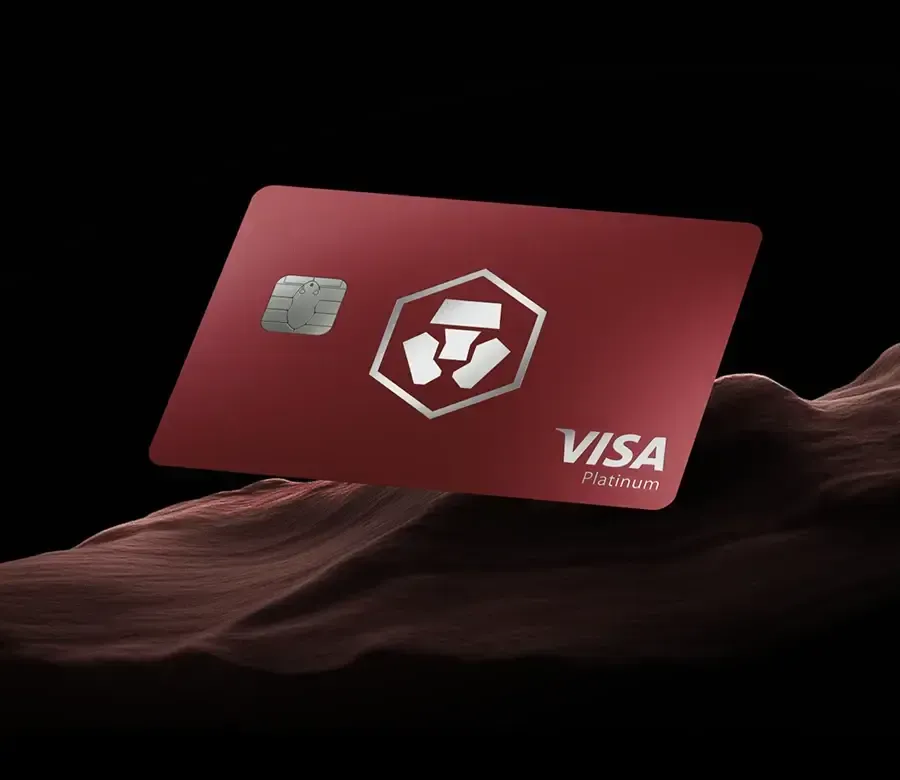
PLUS
2.0%
back in crypto · on every spend
€3.99 / month
or €39.90/year (€3.32/month)
Zero trading fees up to $20K/month
2.0% back in crypto on card spend
0% foreign exchange fees
EUR Cash Yield up to 1.35% p.a.
CRO Yield up to 2.00% p.a.
Virtual Visa card · Flexible cancel
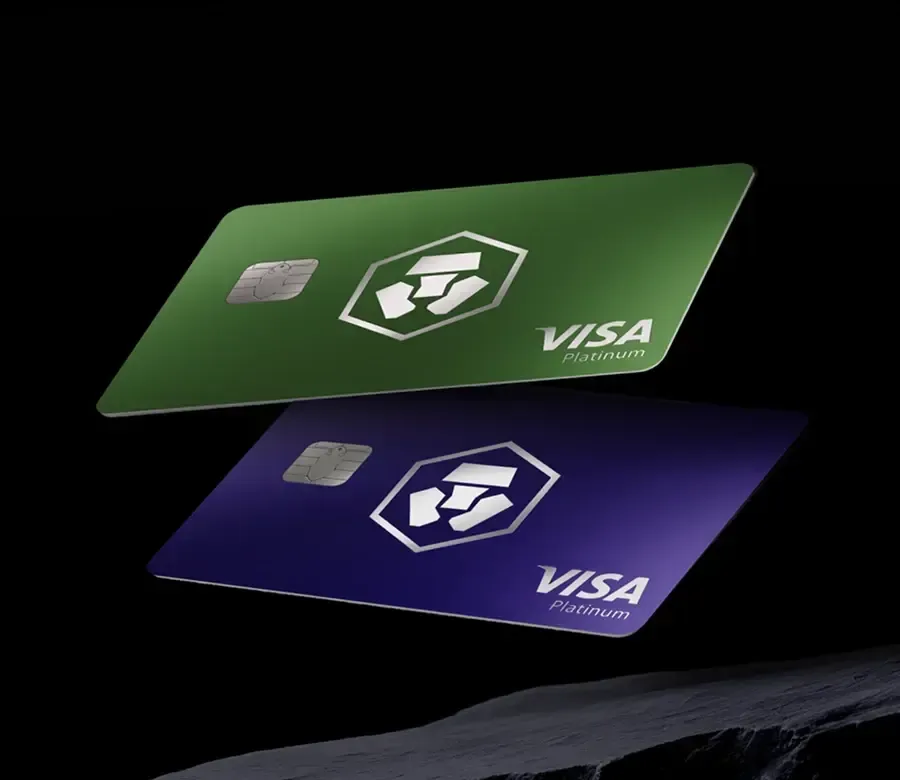
PRO
3.0%
back in crypto · on every spend
€24.99 / month
or €249.90/year (€20.82/month)
Zero trading fees up to $50K/month
3.0% back in crypto on card spend
0% foreign exchange fees
EUR Cash Yield up to 1.70% p.a.
CRO Yield up to 2.50% p.a.
Airport lounge access (Priority Pass)
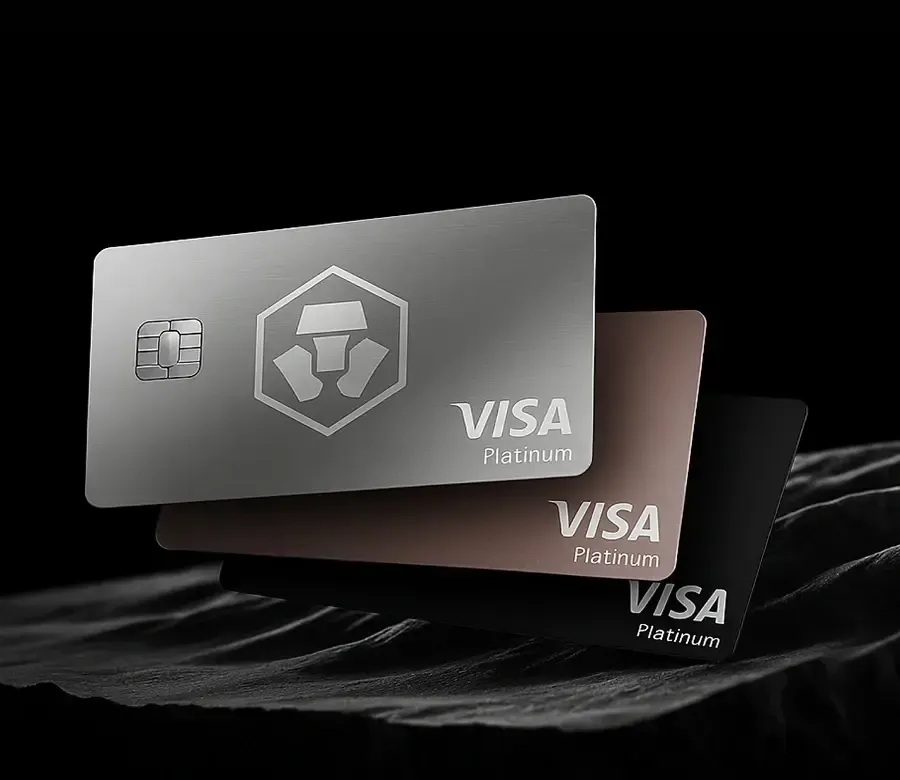
PRIVATE
4–6%
back in crypto · on every spend
CRO Lockup from €45,000
8.5% yield · 12-month staking · €450K tier at 9.5%
Zero trading fees · Unlimited volume
4.0%–6.0% back in crypto
0% foreign exchange fees
EUR Cash Yield up to 1.80% p.a.
Extra 1% p.a. on Earn allocations in CRO
VIP events · Exclusive experiences
8.5% CRO lockup rewards