
Lamborghini vs Ferrari
Founding story, key facts and history — side by side.
Lamborghini
Ferruccio complained to Enzo Ferrari about his clutch. Ferrari told him to stick to tractors. Third year in a row above 10,000 cars sold.
| Founded | 1963 |
| Founders | Ferruccio Lamborghini |
| HQ | Sant'Agata Bolognese, Italy |
| Symbol | Private |
VS
Ferrari
Enzo Ferrari hated selling road cars. He did it anyway. Now Ferrari prints money at 29.5% EBIT margins.
| Founded | 1939 |
| Founders | Enzo Ferrari |
| HQ | Maranello, Italy |
| Symbol | RACE |
The Story — Side by Side
1948
Tractors from war surplus
Ferruccio Lamborghini was born in 1916 in Sant'Agata Bolognese — the same small town where Lamborghini cars are still built today. After serving as a mechanic in the Italian Air Force during World War II, he founded Lamborghini Trattori in 1948, converting surplus military vehicles into agricultural tractors. The business was enormously successful. Postwar Italian agriculture needed mechanisation desperately, and Lamborghini's tractors were well-engineered and affordable.
1963
Ferrari told him to stick to tractors
Having become wealthy from the tractor business, Ferruccio Lamborghini bought a Ferrari 250 GT and found the clutch unsatisfactory — it was the same type used in his tractors. He drove to Maranello to discuss the problem with Enzo Ferrari personally. Ferrari told him that a tractor manufacturer had no business telling Ferrari how to build a car. Lamborghini founded Automobili Lamborghini in May 1963. The first Lamborghini, the 350 GT, was shown at the Turin Motor Show thirteen months later. Automotive journalists noted it was better finished than comparable Ferraris.
1966
The Miura and the birth of the supercar
The Lamborghini Miura, unveiled at the 1966 Geneva Motor Show, is widely credited with inventing the modern supercar concept. Its mid-engine layout, aggressive styling, and 170 mph top speed were unprecedented in a road car. The Miura was designed largely by a 25-year-old engineer named Giampaolo Dallara working in secret — Lamborghini had not authorised the project. When Ferruccio saw the finished chassis at the Turin Show, he was surprised. He gave the project his blessing and the supercar era began.
1998
Audi saves it — and Gallardo makes it profitable
Ferruccio Lamborghini sold the company in 1972, disillusioned by labour strikes and the 1973 oil crisis. The company passed through several owners before being acquired by Volkswagen Group's Audi subsidiary in 1998. Under Audi's ownership, Lamborghini's manufacturing quality and financial stability improved dramatically. The Gallardo, launched in 2003, became the best-selling Lamborghini in history and the vehicle that transformed Lamborghini from a legendary but financially fragile brand into a profitable one.
2025
€3.2 billion, 10,747 cars, 94% customised — and going hybrid
Lamborghini delivered 10,747 cars in 2025 — its third consecutive year above 10,000 units — with record revenue of €3.2 billion, up 3.3% from 2024. Operating margin remained at 24%, among the highest in luxury automotive. The Revuelto (the first hybrid V12 Lamborghini) and Urus SE (the hybrid Super SUV) drove both volume and value. 94% of cars delivered in 2025 were personalised through the Ad Personam programme — the primary driver of margin expansion. The entire Lamborghini lineup was now hybrid. A first fully electric Lamborghini was in development, though the company was in no hurry to get there. Ferruccio, who died in 1993, never knew his revenge on Enzo Ferrari would eventually become a €3 billion enterprise.
1939
A racing team, not a car company
Enzo Ferrari founded Scuderia Ferrari as a racing team in 1929, initially operating as the official Alfa Romeo factory racing team. When Alfa Romeo shut down its racing programme in 1938, Ferrari founded his own company — Auto Avio Costruzioni — in 1939. His vision was purely motorsport: he wanted to build race cars and win races. Road cars were, from the beginning, a necessary evil to fund what he actually cared about.
1947
The first Ferrari road car
The first car to bear the Ferrari name, the 125 S, was completed in 1947. Enzo Ferrari reportedly said: "I sell my clients the engine. I give them the rest of the car for free." This statement captured his philosophy precisely: the road cars existed to subsidise the racing programme, not the other way around. Ferrari personally approved every car sold and maintained a customer waiting list regardless of demand — scarcity was always deliberate.
1969
The deal with Fiat that saved everything
By the late 1960s, the cost of Formula One competition had outgrown what road car sales could sustain. In 1969, Enzo Ferrari sold 50% of Ferrari to Fiat, retaining personal control of the racing operation. Fiat eventually increased its stake to 90%, but Enzo retained effective control until his death in 1988. The deal gave Ferrari the financial resources to keep racing — while keeping Enzo in charge of the only part that mattered to him.
2015
The IPO and the luxury goods revelation
Ferrari went public on the New York Stock Exchange in October 2015, spinning off from Fiat Chrysler at a valuation of approximately $10 billion. Investors quickly revalued the company as a luxury goods business rather than an automotive manufacturer — comparing it to Hermès and LVMH rather than Ford and Volkswagen. The logic was simple: Ferrari's profit margins were multiples of any conventional car company, and it could raise prices without losing customers. Ferrari's order book routinely extended two years into the future regardless of economic conditions.
2025
€7.1 billion, 29.5% EBIT margin, order book to end of 2027
Ferrari reported full-year 2025 revenues of €7.146 billion — up 7% — with operating profit of €2.11 billion at a 29.5% EBIT margin. The company delivered 13,640 cars in the year, slightly fewer than 2024, reflecting its deliberate strategy of keeping volumes flat while driving revenue higher through richer product mix and personalisation. The order book extended to the end of 2027. Ferrari's 2030 strategic plan targets €9 billion in revenue and €3.6 billion in EBITDA. Six new models were launched in 2025, including the 296 Speciale and the Amalfi. Enzo had been right: it was never really a car company. It was a brand that happened to make cars.
Tools & Platforms
For Investors
The market doesn't care about your feelings.
But your broker's fees do.
But your broker's fees do.
Most people have a brokerage account. Fewer understand what it really costs them — in spreads, in fees, in missed instruments. Malta-regulated, direct market access, 600,000+ instruments.
Exante
Malta MFSA · 50 exchanges
Tickmill
Forex from 0.0 pips
Vantage
Multi-asset trading
Polymarket
Prediction markets
For Entrepreneurs
Opening a US company costs $300.
Most people think it's complicated. It isn't.
Most people think it's complicated. It isn't.
Most founders spend weeks on formation, banking and payments. The ones who move fast know which tools to use before they start. A US LLC, a real business account, and a way to pay people — in that order.
Mercury
Business finance · 300K+ founders
Doola
US LLC formation · YC backed
Melio
B2B payments
Xero 95% OFF
Accounting · 6 months
For C-Suite
Your competitor pays $200 less per month for EOR.
You're still on a spreadsheet.
You're still on a spreadsheet.
BVNK hired 20% of its workforce through Deel. The smartest operators aren't managing payroll complexity — they're outsourcing it. EOR in 150+ countries, multi-currency accounts, workforce payments at $200 less per month than competitors.
Deel
EOR · 150+ countries
Payoneer
$399/mo EOR · Save $200
Wise Business
40+ currencies · No hidden fees
Gusto
US payroll & benefits
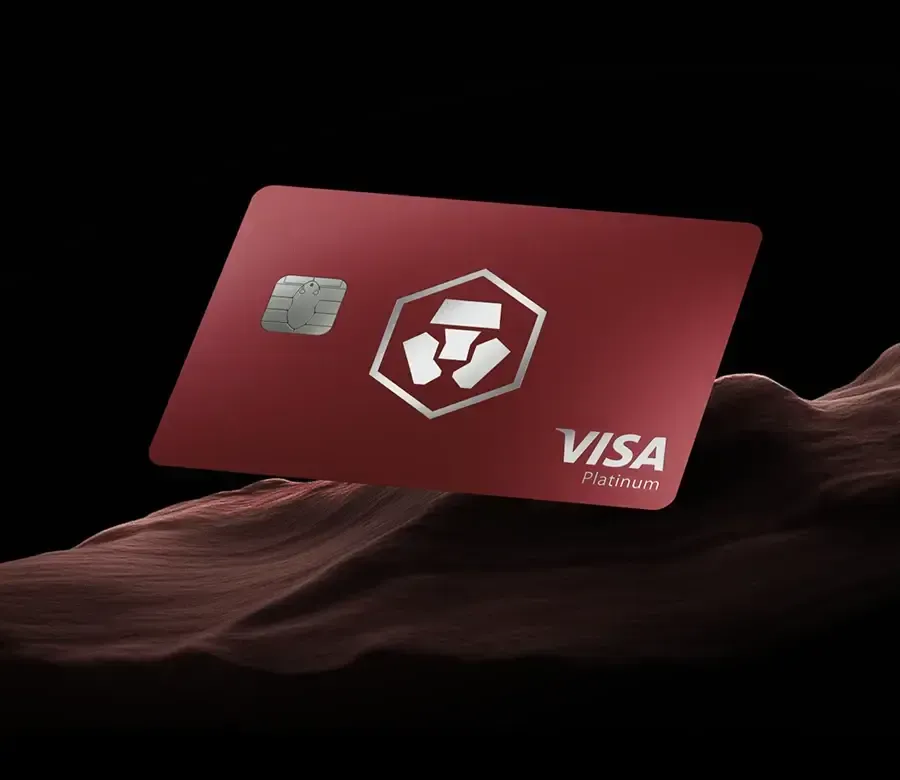
PLUS
2.0%
back in crypto · on every spend
€3.99 / month
or €39.90/year (€3.32/month)
Zero trading fees up to $20K/month
2.0% back in crypto on card spend
0% foreign exchange fees
EUR Cash Yield up to 1.35% p.a.
CRO Yield up to 2.00% p.a.
Virtual Visa card · Flexible cancel
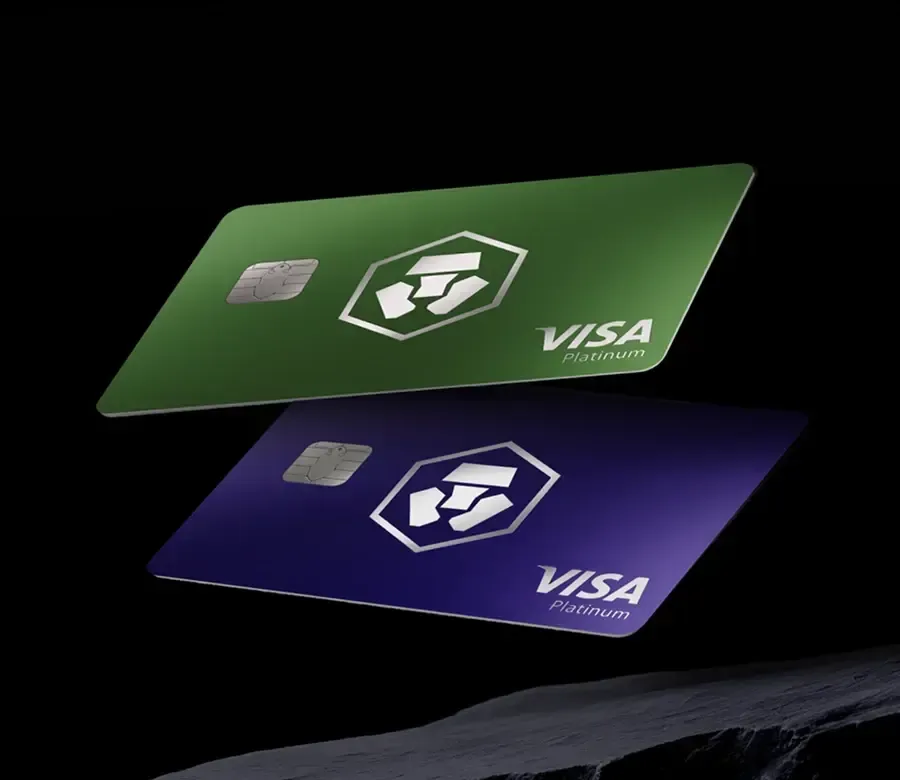
PRO
3.0%
back in crypto · on every spend
€24.99 / month
or €249.90/year (€20.82/month)
Zero trading fees up to $50K/month
3.0% back in crypto on card spend
0% foreign exchange fees
EUR Cash Yield up to 1.70% p.a.
CRO Yield up to 2.50% p.a.
Airport lounge access (Priority Pass)
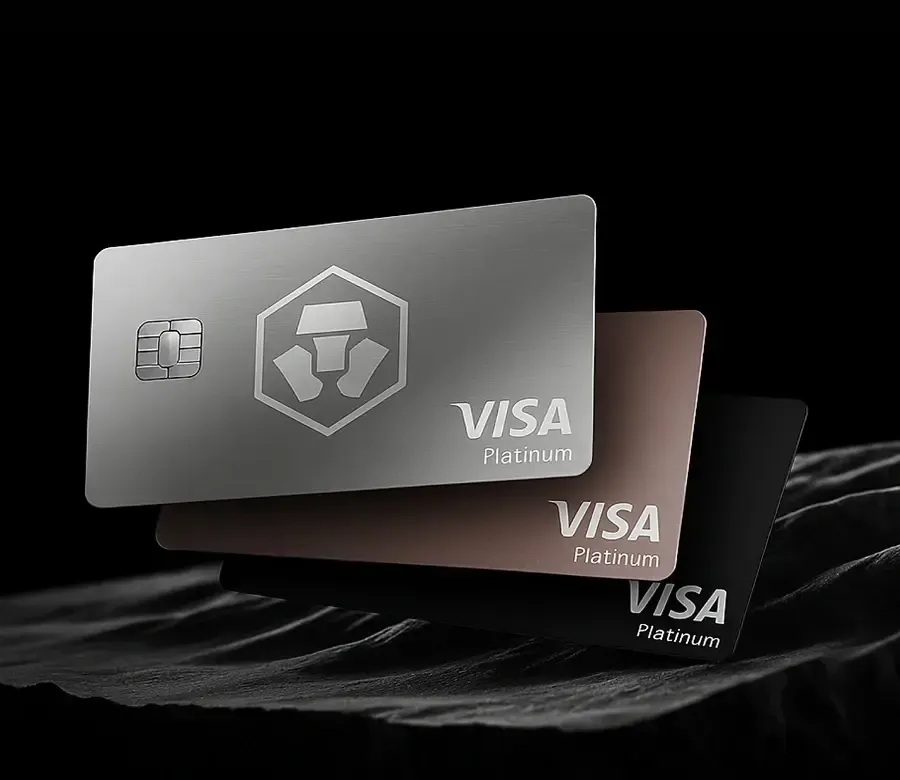
PRIVATE
4–6%
back in crypto · on every spend
CRO Lockup from €45,000
8.5% yield · 12-month staking · €450K tier at 9.5%
Zero trading fees · Unlimited volume
4.0%–6.0% back in crypto
0% foreign exchange fees
EUR Cash Yield up to 1.80% p.a.
Extra 1% p.a. on Earn allocations in CRO
VIP events · Exclusive experiences
8.5% CRO lockup rewards