
LinkedIn (Microsoft) vs X (formerly Twitter)
Founding story, key facts and history — side by side.
LinkedIn (Microsoft)
Reid Hoffman launched it on a Sunday in May 2003 with 350 connections from his address book. Built the world's largest professional network. Microsoft paid $26.2 billion for it.
| Founded | 2003 |
| Founders | Reid Hoffman, Allen Blue, Konstantin Guericke, Eric Ly, Jean-Luc Vaillant |
| HQ | Sunnyvale, California |
| Symbol | MSFT (Nasdaq) — Microsoft subsidiary |
VS
X (formerly Twitter)
Jack Dorsey was fired twice. Musk paid $44 billion. Then sold it to himself for $33 billion.
| Founded | 2006 |
| Founders | Jack Dorsey, Noah Glass, Biz Stone, Evan Williams |
| HQ | Bastrop, Texas |
| Symbol | Private |
The Story — Side by Side
2003
350 connections, a Sunday launch, and the professional graph
Reid Hoffman was a PayPal mafia member — he'd been Executive Vice President at PayPal before its $1.5 billion sale to eBay in 2002. He'd been thinking about the problem of professional identity online: Facebook would capture your social life, but where did you represent your professional self, your work history, your career ambitions? On May 5, 2003, he and four co-founders launched LinkedIn, each inviting their professional connections. Hoffman personally emailed 350 people from his address book. The site had 2,700 users in the first week. The growth was slow — only 4,500 members by the end of the first month — but the use case was genuine: people wanted to represent their professional identity and maintain relationships with former colleagues.
2005
Job listings, subscriptions, and the business model clicks
LinkedIn's revenue model crystallised around two core businesses: a marketplace for recruitment (companies paying to post jobs and source candidates) and premium subscriptions (members paying for enhanced features including the ability to contact strangers outside their network). The recruiting side proved particularly valuable: LinkedIn had something no other job site had — a professional graph in which the relationship between a candidate's current role, their former colleagues, and their connections was explicitly mapped. A recruiter could identify not just that a candidate was qualified but who in their network knew that candidate and could provide a reference.
2011
The New York Stock Exchange IPO — $4.25 billion valuation
LinkedIn went public on May 19, 2011, at $45 per share, raising approximately $353 million. Shares doubled on the first day, closing at $94.25 — a 109% first-day gain that reflected both investor enthusiasm and the relative novelty of a profitable social network going public. The IPO valued the company at approximately $4.25 billion. By the time of the Microsoft acquisition in 2016, LinkedIn had 433 million members, was profitable on an EBITDA basis, and was generating revenue approaching $3 billion annually from a combination of talent solutions (recruiting), marketing solutions (advertising), and premium subscriptions.
2016
Microsoft pays $26.2 billion — the largest acquisition in its history
Microsoft acquired LinkedIn on December 8, 2016 for $26.2 billion in cash — the largest acquisition in Microsoft's history and one of the largest in technology history at the time. Satya Nadella's reasoning was explicit: Microsoft's productivity software (Office, Outlook, Teams) would be more valuable if integrated with the professional identity and relationship data LinkedIn held. A Microsoft Word user writing a proposal could see their contact's LinkedIn profile; an Outlook user scheduling a meeting could see the attendees' professional context. LinkedIn retained independent operations and continued under CEO Jeff Weiner (then Ryan Roslansky from 2020).
2024
1 billion members — $16+ billion annual revenue — AI features
LinkedIn reached 1 billion members in 2023, making it the largest professional network by any measure. Within Microsoft's financial reporting, the "LinkedIn" segment generated approximately $16+ billion in revenue for fiscal year 2024, growing mid-teens year-on-year. The platform had become the essential infrastructure of professional life: a résumé, a job board, a publishing platform, an advertising network, a B2B sales channel, and an e-learning marketplace (LinkedIn Learning) simultaneously. AI features — including AI-assisted job applications, AI-powered InMail responses, and AI-generated profile suggestions — were integrated from 2023. Reid Hoffman's 350 address book contacts had become a billion-person professional record of the world economy.
2006
A status update idea in a playground
The idea for Twitter came from Jack Dorsey during a brainstorming session at podcasting startup Odeo in March 2006. The first tweet was sent by Dorsey on March 21, 2006: "just setting up my twttr." The name Twitter was chosen because it described the short bursts of inconsequential information that birds make. Within four years, Twitter had become the nervous system of breaking news worldwide.
2008
Dorsey fired for the first time
Jack Dorsey was removed as CEO of Twitter in October 2008 by co-founder Evan Williams, who took over the role himself. The official reason was that Dorsey spent too much time on personal interests — including fashion design and yoga. Dorsey went on to found Square (later Block). Williams later said firing Dorsey was simultaneously the right decision and the wrong decision.
2022
Musk buys Twitter for $44 billion
Elon Musk began buying Twitter shares in January 2022, eventually accumulating a 9.1% stake. He offered to buy the entire company for $54.20 per share — $44 billion total. Then tried to back out. Twitter sued him. A Delaware court ruled against Musk. On October 27, 2022, Musk completed the acquisition, walked into Twitter headquarters carrying a sink, fired approximately half the company within 48 hours, renamed it X, and replaced the iconic bird logo with a stylised X. Brand consultancies estimated the rebrand destroyed $4 billion in brand value overnight.
2023
The everything app that wasn't
Musk renamed Twitter to X in July 2023, describing his vision as a WeChat-style "everything app" combining payments, messaging, news, and social media. Advertisers fled over content moderation concerns. Revenue fell by an estimated 50% from Twitter's pre-acquisition levels. Musk responded by suing advertisers for what he called an illegal boycott. Linda Yaccarino, hired as CEO to rebuild advertiser relationships, resigned in July 2025.
2025
xAI acquires X — Musk buys Twitter from himself
In March 2025, Elon Musk's AI startup xAI formally acquired X in an all-stock deal that valued X at $33 billion — $11 billion less than Musk had paid for it three years earlier. xAI, which had been valued at $80 billion, absorbed X to combine its Grok chatbot with X's 600 million monthly users and real-time data. The combined entity, called xAI Holdings, was worth approximately $113 billion. Musk had effectively bought Twitter from himself — using a company he had founded specifically to compete with OpenAI.
Tools & Platforms
For Investors
The market doesn't care about your feelings.
But your broker's fees do.
But your broker's fees do.
Most people have a brokerage account. Fewer understand what it really costs them — in spreads, in fees, in missed instruments. Malta-regulated, direct market access, 600,000+ instruments.
Exante
Malta MFSA · 50 exchanges
Tickmill
Forex from 0.0 pips
Vantage
Multi-asset trading
Polymarket
Prediction markets
For Entrepreneurs
Opening a US company costs $300.
Most people think it's complicated. It isn't.
Most people think it's complicated. It isn't.
Most founders spend weeks on formation, banking and payments. The ones who move fast know which tools to use before they start. A US LLC, a real business account, and a way to pay people — in that order.
Mercury
Business finance · 300K+ founders
Doola
US LLC formation · YC backed
Melio
B2B payments
Xero 95% OFF
Accounting · 6 months
For C-Suite
Your competitor pays $200 less per month for EOR.
You're still on a spreadsheet.
You're still on a spreadsheet.
BVNK hired 20% of its workforce through Deel. The smartest operators aren't managing payroll complexity — they're outsourcing it. EOR in 150+ countries, multi-currency accounts, workforce payments at $200 less per month than competitors.
Deel
EOR · 150+ countries
Payoneer
$399/mo EOR · Save $200
Wise Business
40+ currencies · No hidden fees
Gusto
US payroll & benefits
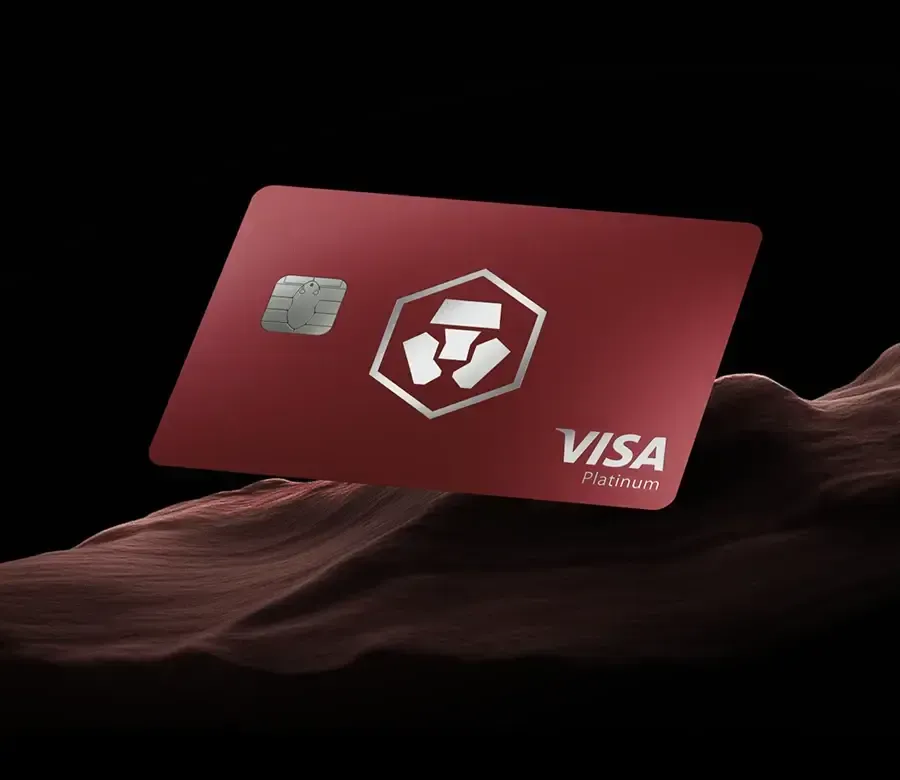
PLUS
2.0%
back in crypto · on every spend
€3.99 / month
or €39.90/year (€3.32/month)
Zero trading fees up to $20K/month
2.0% back in crypto on card spend
0% foreign exchange fees
EUR Cash Yield up to 1.35% p.a.
CRO Yield up to 2.00% p.a.
Virtual Visa card · Flexible cancel
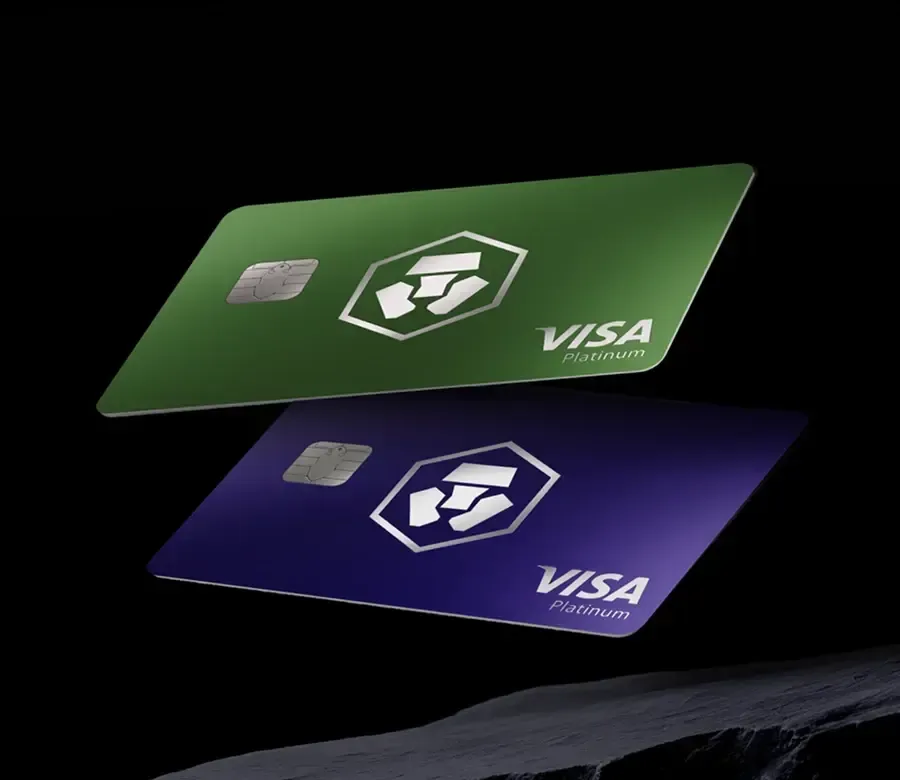
PRO
3.0%
back in crypto · on every spend
€24.99 / month
or €249.90/year (€20.82/month)
Zero trading fees up to $50K/month
3.0% back in crypto on card spend
0% foreign exchange fees
EUR Cash Yield up to 1.70% p.a.
CRO Yield up to 2.50% p.a.
Airport lounge access (Priority Pass)
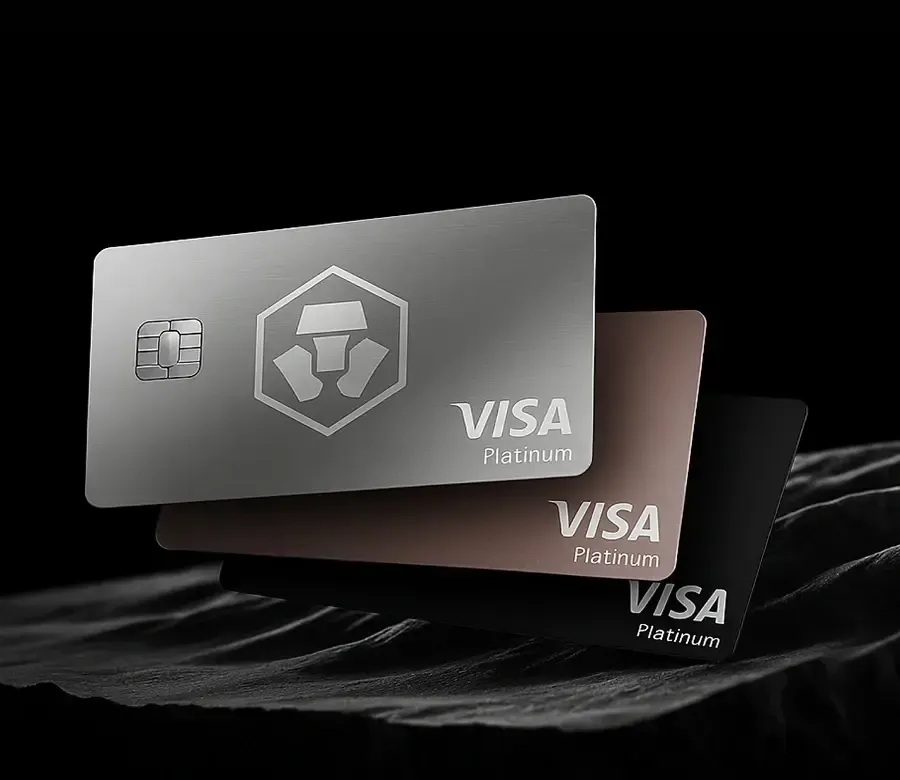
PRIVATE
4–6%
back in crypto · on every spend
CRO Lockup from €45,000
8.5% yield · 12-month staking · €450K tier at 9.5%
Zero trading fees · Unlimited volume
4.0%–6.0% back in crypto
0% foreign exchange fees
EUR Cash Yield up to 1.80% p.a.
Extra 1% p.a. on Earn allocations in CRO
VIP events · Exclusive experiences
8.5% CRO lockup rewards