
Merck & Co. vs Pfizer
Founding story, key facts and history — side by side.
Merck & Co.
The pharmaceutical establishment giant that found its salvation in a single, revolutionary cancer-killing molecule.
| Founded | 1891 |
| Founders | George Merck |
| HQ | Rahway, New Jersey |
| Symbol | MRK |
VS
Pfizer
Started making chemicals to kill intestinal worms. Made the COVID vaccine in 9 months. Now managing the hangover.
| Founded | 1849 |
| Founders | Charles Pfizer, Charles Erhart |
| HQ | New York City, New York |
| Symbol | PFE |
The Story — Side by Side
1891
The US subsidiary beginnings
Originally a subsidiary of the German Merck KGaA, the American company became a fully independent entity following World War I. For the next century, it built a vast, diversified portfolio of pharmaceuticals and animal health products. It became a quintessentially stable, "blue-chip" American corporation known for its deep research bench and massive distribution reach, but as it grew older, it struggled to maintain the high-growth innovation rates that Wall Street demanded.
2014
The Keytruda gamble and the immunotherapy revolution
Merck took a massive, multi-billion-dollar risk on a new class of cancer therapies called immune checkpoint inhibitors. The company’s drug, Keytruda, was designed to "take the brakes off" the immune system, allowing it to recognize and destroy cancer cells. When clinical trials proved its effectiveness across a wide range of cancers, Keytruda became a blockbuster. It transformed from a single research project into the most important, high-revenue oncology asset on the planet.
2022
The Keytruda dependency and the search for the next engine
As Keytruda generated record-breaking annual revenues, Merck faced a new, looming existential crisis: the drug was eventually going to lose patent protection, creating a massive "revenue hole." The company spent heavily, using its Keytruda profits to buy up smaller biotech companies and research teams. The goal was to build a diversified pipeline that could eventually replace the colossal revenue stream of its single, flagship cancer-killing molecule.
2024
The strategic expansion into heart and respiratory diseases
To diversify its risks, Merck initiated an aggressive expansion into cardiovascular and respiratory therapeutics. By acquiring companies with deep experience in specialized, high-margin disease treatments, Merck worked to prove it wasn't just an "oncology company." The strategy was to leverage its massive, global sales force to push new cardiovascular drugs into the same hospitals where they were already successfully selling Keytruda.
2026
The diversified oncology and chronic disease powerhouse
By mid-2026, Merck remains a titan of the global pharmaceutical industry. Under its current leadership, the company has successfully begun to transition away from its extreme dependency on Keytruda. By building a balanced, wide-reaching portfolio of high-value oncology and chronic disease treatments, Merck has successfully stabilized its long-term financial future as a pillar of global healthcare.
1849
Two German cousins and a citric acid factory
Charles Pfizer and his cousin Charles Erhart emigrated from Germany to New York in the 1840s and founded a fine chemicals business in Brooklyn in 1849 with $2,500 borrowed from Pfizer's father. Their first product was santonin — an antiparasitic compound used to treat intestinal worms, which were endemic among American children in the nineteenth century. They mixed it with almond-toffee flavouring to make it palatable. The product was a commercial success, establishing Pfizer as a specialty chemicals company.
1944
Penicillin and the war effort
During World War II, the U.S. government selected Pfizer to scale up penicillin production for Allied forces. Pfizer's fermentation expertise — developed over decades of making citric acid — proved crucial. The company developed a deep-tank fermentation process that dramatically increased penicillin yield. By June 1944, Pfizer was producing half of all penicillin made in the United States for the D-Day invasion. The wartime relationship with the U.S. government funded Pfizer's transition from chemicals to drugs.
1998
Viagra: the accidental lifestyle drug
Pfizer's researchers were conducting clinical trials on sildenafil — a drug intended to treat angina and hypertension — when male trial participants reported an unexpected side effect and were reluctant to return unused pills at the end of the trial. Pfizer pivoted the drug's development toward erectile dysfunction and launched Viagra in 1998. It was the first oral treatment for erectile dysfunction and generated $1 billion in its first year — the fastest pharmaceutical launch in history at the time. Pfizer's share price doubled.
2021
The COVID vaccine in 9 months
Pfizer partnered with German biotechnology company BioNTech in 2020 to develop an mRNA vaccine against COVID-19. The vaccine was authorised for emergency use in the United Kingdom on December 2, 2020 — less than a year after the virus was first identified. Pfizer's COVID vaccine generated $36.8 billion in revenue in 2021 alone — the highest annual revenue from a single drug in pharmaceutical history. The mRNA technology used, previously unproven at scale, opened a new era in vaccine development and eventually earned BioNTech founders Uğur Şahin and Özlem Türeci the Nobel Prize in Medicine in 2023.
2025
$62.6 billion — managing the post-COVID decline
Pfizer reported full-year 2025 revenues of $62.6 billion — down 2% from 2024's $63.6 billion — as COVID vaccine and antiviral revenues continued to decline. Excluding COVID products, non-COVID revenue grew 6% operationally. Pfizer had delivered $4.5 billion in cost savings through 2025, acquired oncology company Seagen for $43 billion in 2023 to build a cancer drug pipeline, and acquired Metsera in November 2025. The company that had become the world's largest pharmaceutical company on the back of a pandemic vaccine was now managing the transition back to conventional pharma economics — where blockbusters took a decade to develop instead of nine months, and rarely generated $36 billion in a single year.
Tools & Platforms
For Investors
The market doesn't care about your feelings.
But your broker's fees do.
But your broker's fees do.
Most people have a brokerage account. Fewer understand what it really costs them — in spreads, in fees, in missed instruments. Malta-regulated, direct market access, 600,000+ instruments.
Exante
Malta MFSA · 50 exchanges
Tickmill
Forex from 0.0 pips
Vantage
Multi-asset trading
Polymarket
Prediction markets
For Entrepreneurs
Opening a US company costs $300.
Most people think it's complicated. It isn't.
Most people think it's complicated. It isn't.
Most founders spend weeks on formation, banking and payments. The ones who move fast know which tools to use before they start. A US LLC, a real business account, and a way to pay people — in that order.
Mercury
Business finance · 300K+ founders
Doola
US LLC formation · YC backed
Melio
B2B payments
Xero 95% OFF
Accounting · 6 months
For C-Suite
Your competitor pays $200 less per month for EOR.
You're still on a spreadsheet.
You're still on a spreadsheet.
BVNK hired 20% of its workforce through Deel. The smartest operators aren't managing payroll complexity — they're outsourcing it. EOR in 150+ countries, multi-currency accounts, workforce payments at $200 less per month than competitors.
Deel
EOR · 150+ countries
Payoneer
$399/mo EOR · Save $200
Wise Business
40+ currencies · No hidden fees
Gusto
US payroll & benefits
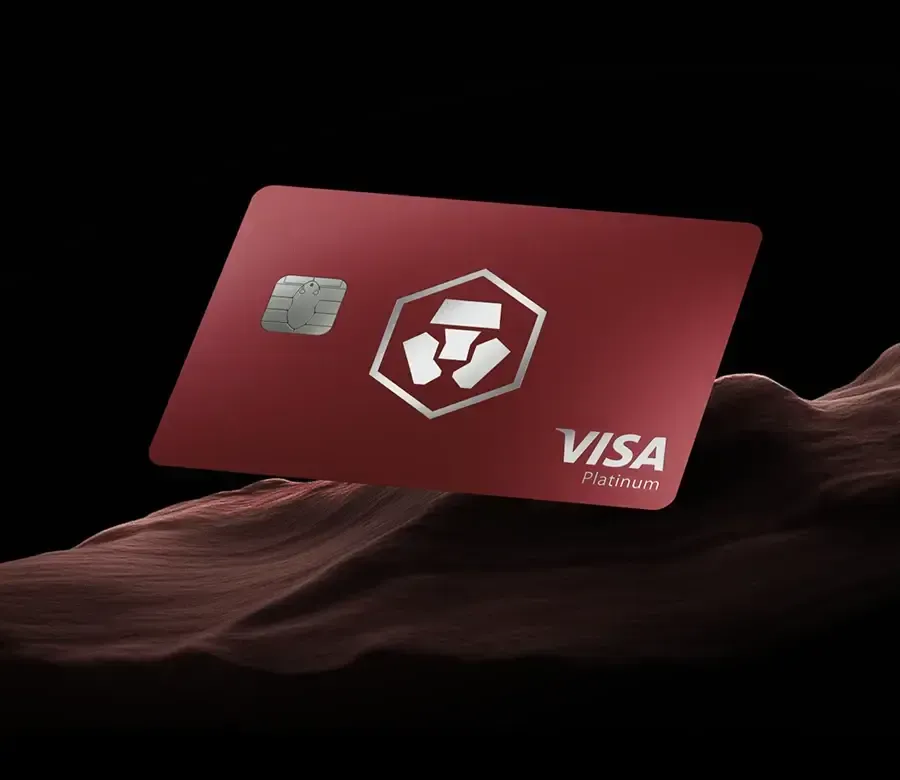
PLUS
2.0%
back in crypto · on every spend
€3.99 / month
or €39.90/year (€3.32/month)
Zero trading fees up to $20K/month
2.0% back in crypto on card spend
0% foreign exchange fees
EUR Cash Yield up to 1.35% p.a.
CRO Yield up to 2.00% p.a.
Virtual Visa card · Flexible cancel
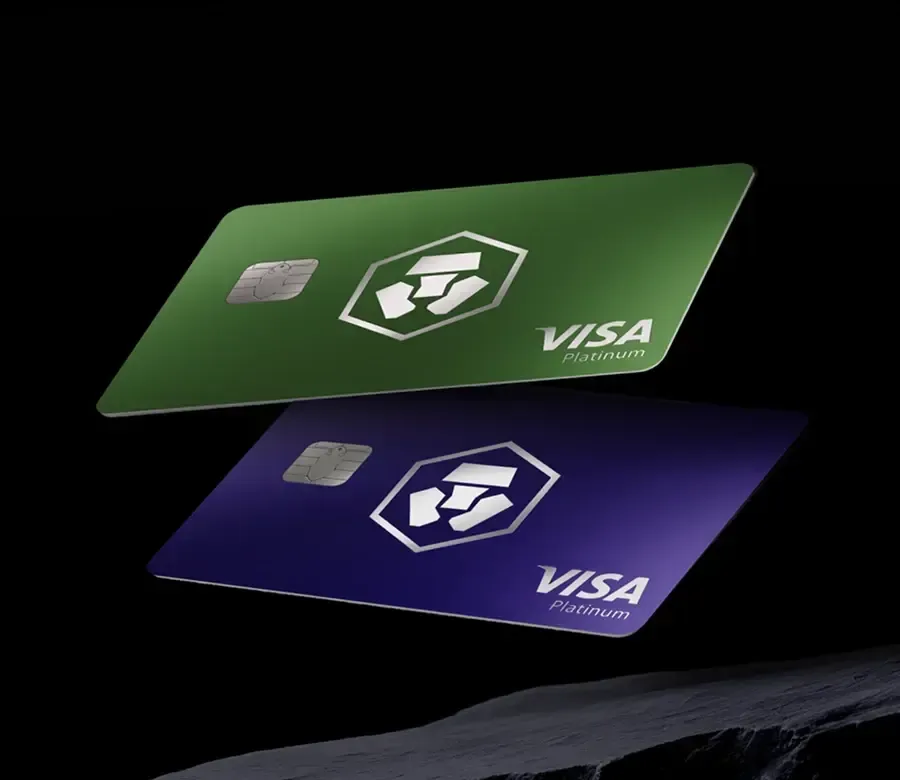
PRO
3.0%
back in crypto · on every spend
€24.99 / month
or €249.90/year (€20.82/month)
Zero trading fees up to $50K/month
3.0% back in crypto on card spend
0% foreign exchange fees
EUR Cash Yield up to 1.70% p.a.
CRO Yield up to 2.50% p.a.
Airport lounge access (Priority Pass)
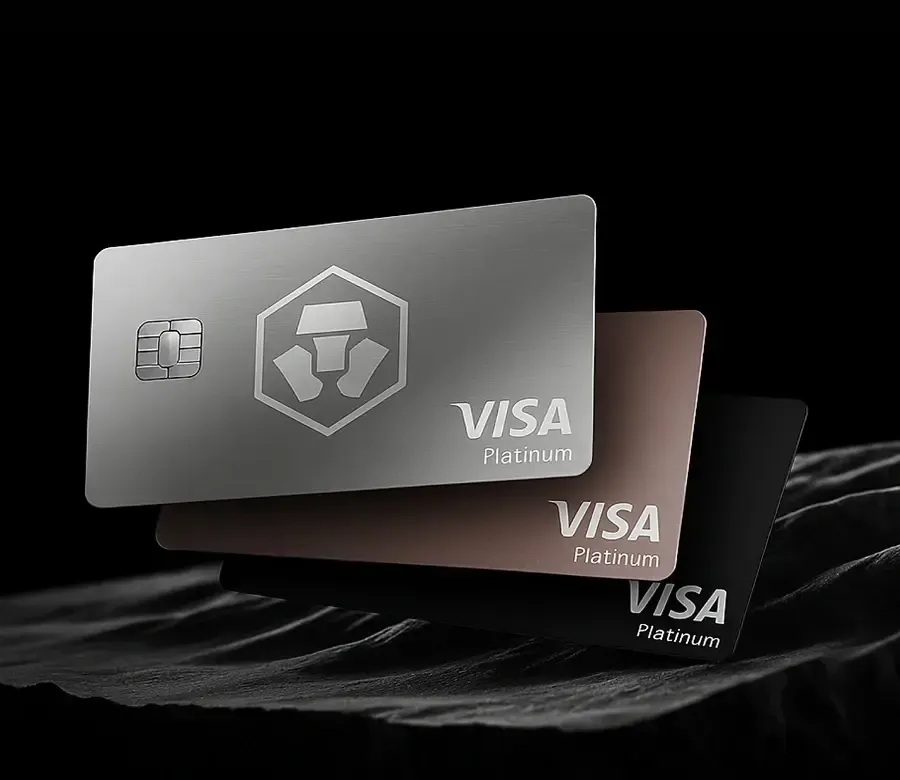
PRIVATE
4–6%
back in crypto · on every spend
CRO Lockup from €45,000
8.5% yield · 12-month staking · €450K tier at 9.5%
Zero trading fees · Unlimited volume
4.0%–6.0% back in crypto
0% foreign exchange fees
EUR Cash Yield up to 1.80% p.a.
Extra 1% p.a. on Earn allocations in CRO
VIP events · Exclusive experiences
8.5% CRO lockup rewards