
Microsoft vs Oracle
Founding story, key facts and history — side by side.
Microsoft
Started with a lie. Built the world's most used software. Bet everything on AI.
| Founded | 1975 |
| Founders | Bill Gates, Paul Allen |
| HQ | Redmond, Washington |
| Symbol | MSFT |
VS
Oracle
Named after a CIA project. Became the landlord of the AI revolution.
| Founded | 1977 |
| Founders | Larry Ellison, Bob Miner, Ed Oates |
| HQ | Austin, Texas |
| Symbol | ORCL |
The Story — Side by Side
1975
The deal that didn't exist yet
In January 1975, Paul Allen showed Bill Gates an issue of Popular Electronics featuring the Altair 8800. Neither of them had written a BASIC interpreter for it. But Gates called MITS and told them Microsoft had a working version ready. They then had eight weeks to actually build it. It worked. Gates was 19.
1980
IBM, DOS, and the deal of the century
IBM approached Microsoft in 1980 to write an operating system for its new PC. Microsoft didn't have one. Gates bought QDOS from a Seattle programmer for $50,000, renamed it MS-DOS, and licensed it to IBM — while retaining the right to license it to other manufacturers. IBM thought hardware was the business. Gates understood it was software. The decision made Microsoft the most powerful company in computing for the next two decades.
2014
Satya Nadella saves the company
When Satya Nadella became CEO in 2014, Microsoft was widely regarded as a company that had missed mobile, missed search, and missed social. Nadella pivoted to cloud computing, transformed Microsoft's culture from internal competition to growth mindset, and repositioned Azure as the foundation of the enterprise. The market cap tripled in his first five years. The transformation is studied in business schools as one of the greatest corporate turnarounds in history.
2023
The OpenAI bet pays off
Microsoft invested $10 billion in OpenAI in January 2023, securing exclusive access to GPT-4. Within months, "Copilot" had been embedded in Word, Excel, Teams, GitHub, and Bing — repositioning Microsoft as the leading AI company in enterprise software. By early 2025, Microsoft's AI business had crossed $13 billion in annualised revenue, growing 175% year-over-year.
2026
$37 billion in AI revenue and the Copilot empire
By Q3 fiscal 2026, Microsoft's AI business had surpassed $37 billion in annualised revenue — growing 123% year-over-year. Azure revenue grew 40%. Microsoft 365 Copilot had over 20 million paid seats, with the number of enterprise customers deploying more than 50,000 seats having quadrupled year-over-year. Cloud revenue crossed $50 billion in a single quarter. Microsoft had extended its OpenAI partnership, securing a 27% stake in the company and cementing its position as the most important distribution partner for large language models in enterprise software.
1977
The CIA contract that became a company
Larry Ellison co-founded Oracle in 1977, naming it after a CIA database project he had worked on. Ellison had dropped out of two universities without completing a degree. He was 33 when he founded the company with Bob Miner and Ed Oates, investing $2,000 of his own money. His original goal was to build a relational database based on a paper published by IBM researcher Edgar Codd — a paper IBM itself had no plans to commercialise. The irony that the company named after a CIA project would end up housing the world's most powerful AI infrastructure was still decades away.
1986
IPO and the accounting scandal
Oracle went public in 1986 and grew explosively. By 1990, it was the second largest software company in the world after Microsoft. Then the company was forced to restate earnings after sales staff had been booking revenue from contracts customers had not yet signed. The stock fell 80%. Oracle nearly went bankrupt. Ellison later said it was the moment he learned that a company's culture reflects its leader.
2004
The hostile takeover era
Oracle launched a hostile takeover bid for rival PeopleSoft in 2003 — an 18-month battle during which PeopleSoft's CEO publicly called Ellison a "sociopath." Oracle eventually prevailed for $10.3 billion. It was the beginning of an acquisition machine: over 100 companies bought in the following decade, workforces cut, software integrated into Oracle's sales engine. The strategy made Oracle dominant in enterprise software and deeply unpopular with the companies it absorbed.
2025
Stargate and the $638 billion backlog
Oracle signed one of the most consequential deals in its history in 2025: a partnership with OpenAI as the anchor cloud provider for the Stargate project — a $500 billion AI infrastructure initiative backed by SoftBank. Oracle committed to building data centres at a scale previously associated only with nation-states: over 5 gigawatts of AI capacity, running more than 2 million chips. Oracle's remaining performance obligations — contracted future revenue — surged 438% year-over-year to $523 billion. By June 2026, full-year cloud revenue was $34 billion, growing 39%.
2026
The AI landlord: $67 billion in revenue
Oracle reported record fiscal year 2026 results in June 2026: total revenue of $67.4 billion, up 17%, with cloud infrastructure revenue growing 77% to $18.1 billion. CEO Safra Catz projected OCI — Oracle Cloud Infrastructure — would hit $144 billion by 2030. Larry Ellison, then 81, had personally negotiated the Stargate deal and was briefly the second-richest person in the world when Oracle's stock surged 36% in a single day following the Q1 2026 earnings announcement. The database company that had been called a legacy software giant was now the primary landlord of the AI revolution.
Tools & Platforms
For Investors
The market doesn't care about your feelings.
But your broker's fees do.
But your broker's fees do.
Most people have a brokerage account. Fewer understand what it really costs them — in spreads, in fees, in missed instruments. Malta-regulated, direct market access, 600,000+ instruments.
Exante
Malta MFSA · 50 exchanges
Tickmill
Forex from 0.0 pips
Vantage
Multi-asset trading
Polymarket
Prediction markets
For Entrepreneurs
Opening a US company costs $300.
Most people think it's complicated. It isn't.
Most people think it's complicated. It isn't.
Most founders spend weeks on formation, banking and payments. The ones who move fast know which tools to use before they start. A US LLC, a real business account, and a way to pay people — in that order.
Mercury
Business finance · 300K+ founders
Doola
US LLC formation · YC backed
Melio
B2B payments
Xero 95% OFF
Accounting · 6 months
For C-Suite
Your competitor pays $200 less per month for EOR.
You're still on a spreadsheet.
You're still on a spreadsheet.
BVNK hired 20% of its workforce through Deel. The smartest operators aren't managing payroll complexity — they're outsourcing it. EOR in 150+ countries, multi-currency accounts, workforce payments at $200 less per month than competitors.
Deel
EOR · 150+ countries
Payoneer
$399/mo EOR · Save $200
Wise Business
40+ currencies · No hidden fees
Gusto
US payroll & benefits
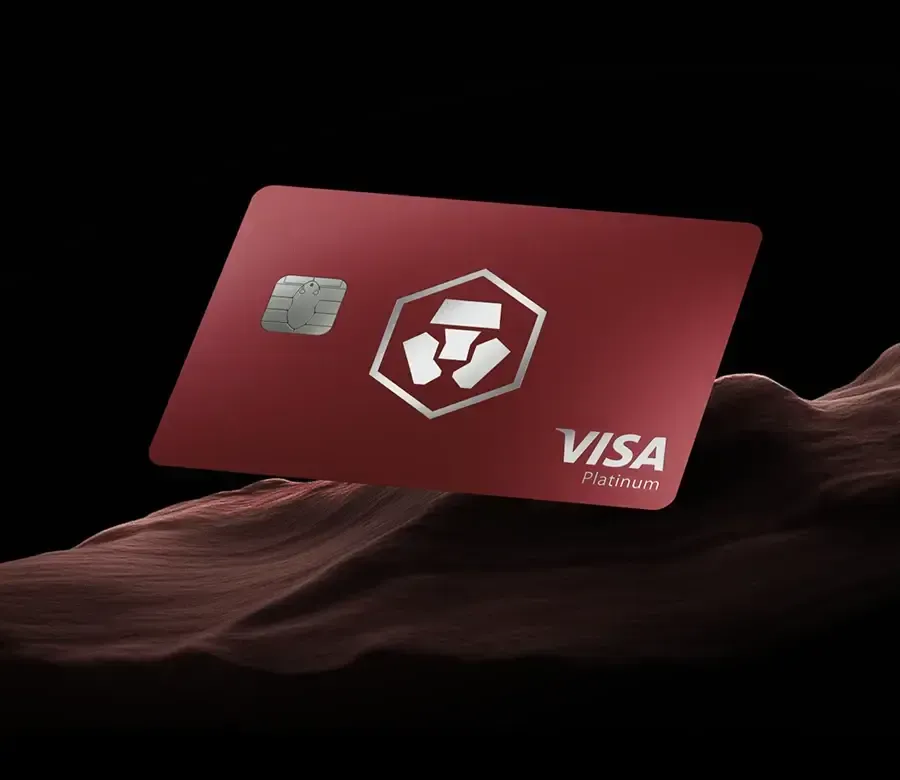
PLUS
2.0%
back in crypto · on every spend
€3.99 / month
or €39.90/year (€3.32/month)
Zero trading fees up to $20K/month
2.0% back in crypto on card spend
0% foreign exchange fees
EUR Cash Yield up to 1.35% p.a.
CRO Yield up to 2.00% p.a.
Virtual Visa card · Flexible cancel
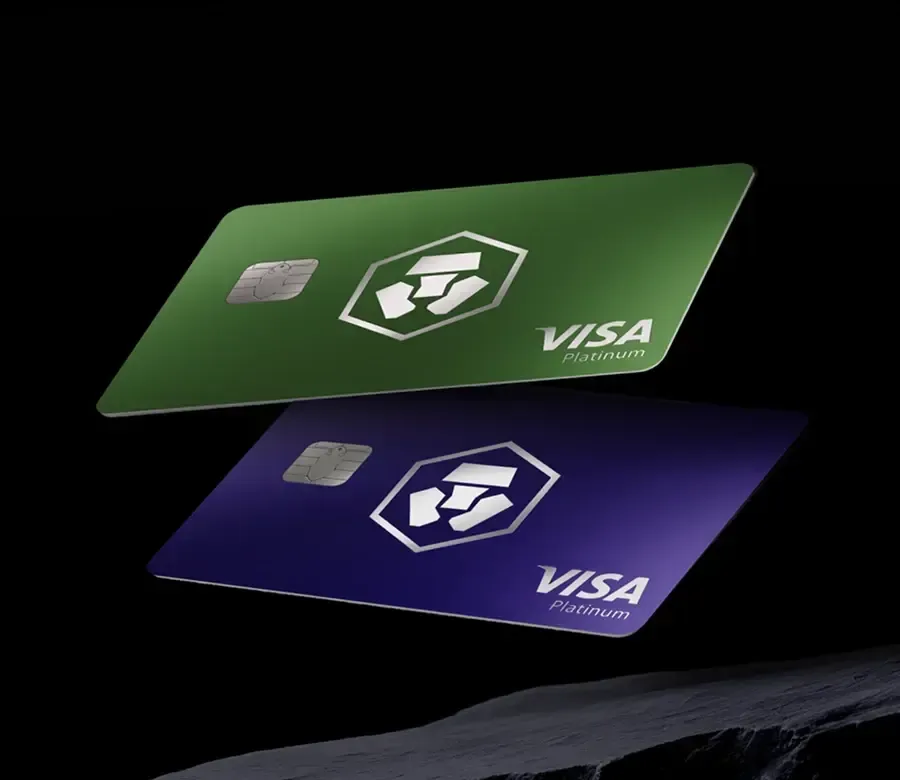
PRO
3.0%
back in crypto · on every spend
€24.99 / month
or €249.90/year (€20.82/month)
Zero trading fees up to $50K/month
3.0% back in crypto on card spend
0% foreign exchange fees
EUR Cash Yield up to 1.70% p.a.
CRO Yield up to 2.50% p.a.
Airport lounge access (Priority Pass)
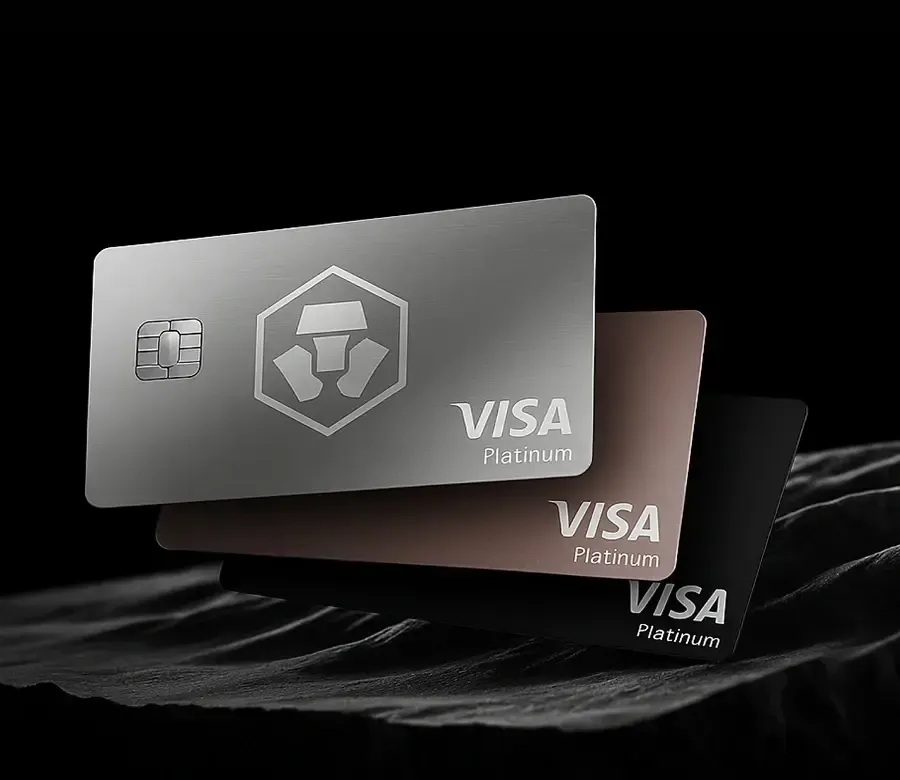
PRIVATE
4–6%
back in crypto · on every spend
CRO Lockup from €45,000
8.5% yield · 12-month staking · €450K tier at 9.5%
Zero trading fees · Unlimited volume
4.0%–6.0% back in crypto
0% foreign exchange fees
EUR Cash Yield up to 1.80% p.a.
Extra 1% p.a. on Earn allocations in CRO
VIP events · Exclusive experiences
8.5% CRO lockup rewards