
Novo Nordisk vs Merck & Co.
Founding story, key facts and history — side by side.
Novo Nordisk
The insulin-making Danish giant that triggered a global health revolution by turning diabetes maintenance into a high-margin, injectable weight-loss powerhouse.
| Founded | 1923 |
| Founders | August Kongsted, Marie Krogh, August Krogh, Harald Pedersen, Thorvald Pedersen |
| HQ | Bagsværd, Denmark |
| Symbol | NVO |
VS
Merck & Co.
The pharmaceutical establishment giant that found its salvation in a single, revolutionary cancer-killing molecule.
| Founded | 1891 |
| Founders | George Merck |
| HQ | Rahway, New Jersey |
| Symbol | MRK |
The Story — Side by Side
1923
The insulin extraction breakthrough and the Danish laboratory
Novo Nordisk was born in Denmark shortly after the discovery of insulin in Canada. The founders, including Nobel laureate August Krogh, obtained the rights to produce insulin in Scandinavia, effectively launching the world's first dedicated industrial-scale diabetes therapeutic operation. For nearly a century, the company remained an obsessive specialist, refining insulin delivery systems and slowly building an impenetrable global manufacturing network for chronic metabolic disease management.
2017
The Ozempic breakthrough and the GLP-1 weight-loss horizon
While developing treatments for Type 2 diabetes, Novo Nordisk researchers discovered that their drug Ozempic (semaglutide) caused significant, consistent weight loss in patients. Recognizing the immense, untapped potential of this side effect, the company launched a massively ambitious clinical trial program to test the drug’s efficacy in weight management. This discovery would eventually transform the firm from a niche diabetes provider into the most valuable corporation in Europe.
2023
The Wegovy viral explosion and the global supply chain crisis
The public and social media frenzy surrounding the weight-loss benefits of Wegovy and Ozempic created an unprecedented, impossible-to-meet global demand. Novo Nordisk faced an existential manufacturing challenge, as hospitals and pharmacies across the world suffered severe inventory shortages. The firm responded by dumping billions of dollars into a frantic, 24/7 expansion of its global production capacity, acquiring massive factory footprints to secure its lead in the new weight-loss market.
2025
The strategic expansion into cardiovascular and metabolic comorbidities
Novo Nordisk pivoted its strategy to prove that its drugs were not just "vanity" weight-loss injections, but life-saving therapies for heart disease and chronic kidney failure. By publishing landmark clinical studies showing significant reductions in cardiovascular events among patients on Wegovy, the company effectively forced global insurance systems to cover their high-cost injections, cementing their place as a foundational therapeutic necessity.
2026
The undisputed leader of the metabolic health revolution
By mid-2026, Novo Nordisk is the most influential medical company in the world. With its injectable therapies now integrated into standard-of-care pipelines for thousands of hospitals, the firm generates massive, record-breaking recurring revenues. Under the steady management of Lars Fruergaard Jørgensen, the company has effectively shifted the global perception of obesity from a lifestyle issue to a treatable chronic disease.
1891
The US subsidiary beginnings
Originally a subsidiary of the German Merck KGaA, the American company became a fully independent entity following World War I. For the next century, it built a vast, diversified portfolio of pharmaceuticals and animal health products. It became a quintessentially stable, "blue-chip" American corporation known for its deep research bench and massive distribution reach, but as it grew older, it struggled to maintain the high-growth innovation rates that Wall Street demanded.
2014
The Keytruda gamble and the immunotherapy revolution
Merck took a massive, multi-billion-dollar risk on a new class of cancer therapies called immune checkpoint inhibitors. The company’s drug, Keytruda, was designed to "take the brakes off" the immune system, allowing it to recognize and destroy cancer cells. When clinical trials proved its effectiveness across a wide range of cancers, Keytruda became a blockbuster. It transformed from a single research project into the most important, high-revenue oncology asset on the planet.
2022
The Keytruda dependency and the search for the next engine
As Keytruda generated record-breaking annual revenues, Merck faced a new, looming existential crisis: the drug was eventually going to lose patent protection, creating a massive "revenue hole." The company spent heavily, using its Keytruda profits to buy up smaller biotech companies and research teams. The goal was to build a diversified pipeline that could eventually replace the colossal revenue stream of its single, flagship cancer-killing molecule.
2024
The strategic expansion into heart and respiratory diseases
To diversify its risks, Merck initiated an aggressive expansion into cardiovascular and respiratory therapeutics. By acquiring companies with deep experience in specialized, high-margin disease treatments, Merck worked to prove it wasn't just an "oncology company." The strategy was to leverage its massive, global sales force to push new cardiovascular drugs into the same hospitals where they were already successfully selling Keytruda.
2026
The diversified oncology and chronic disease powerhouse
By mid-2026, Merck remains a titan of the global pharmaceutical industry. Under its current leadership, the company has successfully begun to transition away from its extreme dependency on Keytruda. By building a balanced, wide-reaching portfolio of high-value oncology and chronic disease treatments, Merck has successfully stabilized its long-term financial future as a pillar of global healthcare.
Tools & Platforms
For Investors
The market doesn't care about your feelings.
But your broker's fees do.
But your broker's fees do.
Most people have a brokerage account. Fewer understand what it really costs them — in spreads, in fees, in missed instruments. Malta-regulated, direct market access, 600,000+ instruments.
Exante
Malta MFSA · 50 exchanges
Tickmill
Forex from 0.0 pips
Vantage
Multi-asset trading
Polymarket
Prediction markets
For Entrepreneurs
Opening a US company costs $300.
Most people think it's complicated. It isn't.
Most people think it's complicated. It isn't.
Most founders spend weeks on formation, banking and payments. The ones who move fast know which tools to use before they start. A US LLC, a real business account, and a way to pay people — in that order.
Mercury
Business finance · 300K+ founders
Doola
US LLC formation · YC backed
Melio
B2B payments
Xero 95% OFF
Accounting · 6 months
For C-Suite
Your competitor pays $200 less per month for EOR.
You're still on a spreadsheet.
You're still on a spreadsheet.
BVNK hired 20% of its workforce through Deel. The smartest operators aren't managing payroll complexity — they're outsourcing it. EOR in 150+ countries, multi-currency accounts, workforce payments at $200 less per month than competitors.
Deel
EOR · 150+ countries
Payoneer
$399/mo EOR · Save $200
Wise Business
40+ currencies · No hidden fees
Gusto
US payroll & benefits
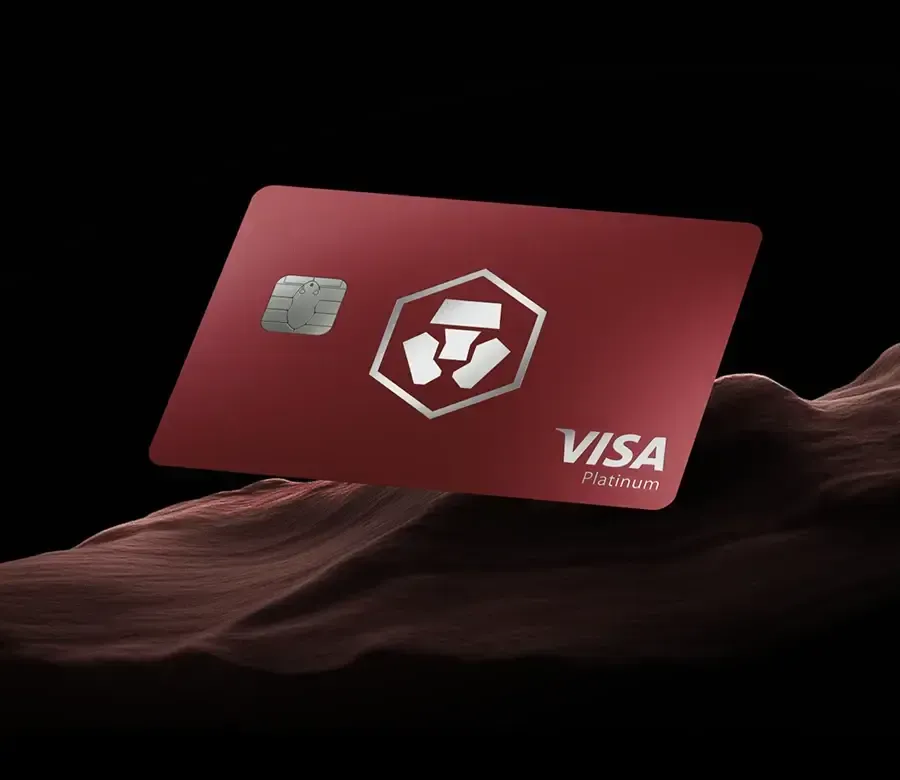
PLUS
2.0%
back in crypto · on every spend
€3.99 / month
or €39.90/year (€3.32/month)
Zero trading fees up to $20K/month
2.0% back in crypto on card spend
0% foreign exchange fees
EUR Cash Yield up to 1.35% p.a.
CRO Yield up to 2.00% p.a.
Virtual Visa card · Flexible cancel

PRO
3.0%
back in crypto · on every spend
€24.99 / month
or €249.90/year (€20.82/month)
Zero trading fees up to $50K/month
3.0% back in crypto on card spend
0% foreign exchange fees
EUR Cash Yield up to 1.70% p.a.
CRO Yield up to 2.50% p.a.
Airport lounge access (Priority Pass)
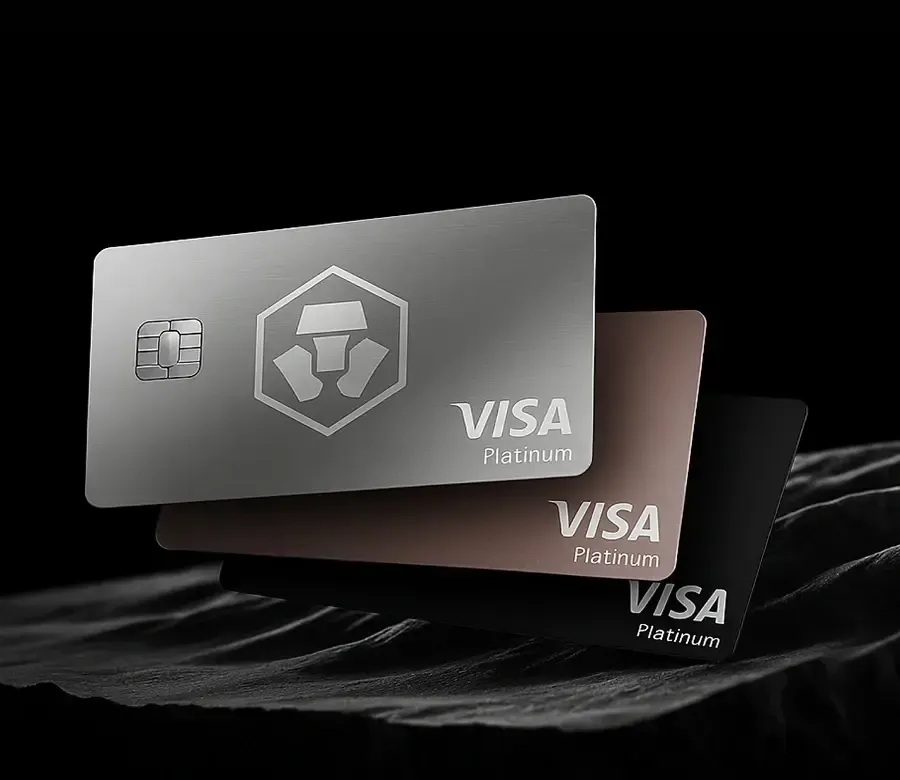
PRIVATE
4–6%
back in crypto · on every spend
CRO Lockup from €45,000
8.5% yield · 12-month staking · €450K tier at 9.5%
Zero trading fees · Unlimited volume
4.0%–6.0% back in crypto
0% foreign exchange fees
EUR Cash Yield up to 1.80% p.a.
Extra 1% p.a. on Earn allocations in CRO
VIP events · Exclusive experiences
8.5% CRO lockup rewards