
Nuvei vs Adyen
Founding story, key facts and history — side by side.
Nuvei
Philip Fayer took a small Montreal payment company and built a $3 billion revenue fintech. Then took it private. Then bought Payoneer for $2.75 billion.
| Founded | 2003 |
| Founders | Philip Fayer |
| HQ | Montreal, Canada |
| Symbol | Private (formerly TSX: NVEI) |
VS
Adyen
Built behind a quiet Amsterdam canal to replace global banking spaghetti. The silent engine behind Netflix and Uber.
| Founded | 2006 |
| Founders | Pieter van der Does, Arnout Schuijff |
| HQ | Amsterdam, Netherlands |
| Symbol | ADYEN |
The Story — Side by Side
2003
A Montreal payment startup and the iGaming niche
Nuvei was founded in Montreal in 2003 by Philip Fayer, who became chairman and CEO. The company initially focused on payment processing for high-risk industries — particularly online gambling and iGaming — that major processors like Visa and Mastercard made difficult to service due to regulatory complexity. This niche positioning gave Nuvei deep expertise in cross-border payments, currency conversion, and the compliance requirements of regulated gambling markets. The company expanded its technology stack to serve e-commerce, sports betting, financial services, and digital goods as these sectors grew.
2021
TSX IPO at $7 billion — then taken private at $6.3 billion
Nuvei went public on the Toronto Stock Exchange in September 2020, raising approximately $833 million in one of Canada's largest tech IPOs. The company subsequently listed on Nasdaq as well. At its peak, Nuvei reached a market capitalisation of approximately $7 billion. In 2024, a consortium led by Philip Fayer and private equity firm Advent International took Nuvei private in a deal valued at $6.3 billion — one of the largest take-private transactions in Canadian tech history. The deal allowed Nuvei to restructure and make acquisitions without public market scrutiny.
2024
$3 billion in revenue — and the $2.75 billion Payoneer acquisition
The most significant development in Nuvei's history came in June 2026, when the company announced the acquisition of Payoneer — the platform used by freelancers, Amazon sellers, and global SMBs to receive and transfer money across borders — for $2.75 billion in cash. Payoneer had been publicly listed on Nasdaq (PAYO) and was a critical payment infrastructure layer for the gig economy and international e-commerce. The combined entity generated approximately $3 billion in annual revenue and processed over $500 billion in annual payment volume, serving merchants and platforms in over 200 markets. Nuvei had gone from a Montreal iGaming payment processor to one of the most significant fintech infrastructure companies in the world.
2025
The unified platform — from casino payments to freelancer payroll
The Nuvei-Payoneer combination created a payment infrastructure spanning the full spectrum of digital commerce: from regulated gambling operators receiving crypto deposits to YouTube creators receiving monetisation payments, from Amazon marketplace sellers to multinational corporations managing cross-border payroll. The company's technology covered acquiring (accepting payments), issuing (sending payments), currency conversion, localised payment methods (the critical capability for processing in markets like Brazil, India, or Southeast Asia), and compliance. Philip Fayer had built in Montreal what others had built in Silicon Valley — a global payments infrastructure company with a distinctive specialisation in the regulatory complexity that mainstream processors avoided.
2026
Post-Payoneer integration — targeting $500B+ in annual volume
Following the Payoneer acquisition, Nuvei disclosed combined annual processing volume exceeding $500 billion. The integration brought Payoneer's network of 5 million SMBs and freelancers in 190+ countries into Nuvei's enterprise and regulated sector client base. The company was competing directly with Stripe (for platform and marketplace payments), Adyen (for enterprise card processing), and PayPal (for cross-border freelancer payments) — while retaining its original advantage in high-risk regulated sectors where those competitors were less willing to operate. The Montreal startup that had begun as a payment processor for online casinos was now a legitimate challenger to the global payment giants.
2006
The canal house spaghetti code rebellion
Adyen was founded in 2006 by a tight-knit team of Dutch fintech veterans who had previously built Bibit and sold it to Royal Bank of Scotland. Operating quietly out of an Amsterdam office, co-founders Pieter van der Does and Arnout Schuijff chose the name "Adyen," which translates to "Start Over" in Surinamese. They realized the global payments infrastructure was a broken mess of legacy corporate code, with merchant transactions routed through dozens of regional brokers, banks, and clearing houses. They spent years writing a single, unified global codebase from scratch to bypass the entire legacy banking network.
2018
Dethroning PayPal from the eBay throne
Adyen sent a shockwave through the global financial sector in January 2018 by pulling off an incredible corporate coup against PayPal. eBay publicly announced that after 15 years of treating PayPal as its exclusive payment processing partner, it was dropping the company to sign a long-term strategic agreement with Adyen. Adyen won the historic contract because its unified software allowed international buyers to pay using hyper-local regional methods without leaving the store page, shifting billions of dollars in transaction volume away from Silicon Valley.
2020
The hyper-efficient merchant acquisition focus
Unlike its primary competitor Stripe, which grew rapidly by targeting millions of tiny venture-backed startups, Adyen focused exclusively on enterprise whales. The company built a high-volume, low-margin transaction engine engineered specifically for multi-national giants like Netflix, Uber, Spotify, and McDonald's. By maintaining a tiny sales team and avoiding expensive marketing campaigns, Adyen achieved an astonishing level of operational efficiency, frequently reporting EBITDA margins above 50% that traditional payment processing companies considered completely impossible.
2023
The brutal $20 billion market capitalisation haircut
In August 2023, Adyen suffered the worst single-day financial disaster in its corporate history, with its stock price crashing 39% in a few hours and erasing $20 billion in value. The company's semi-annual earnings report revealed a sudden slowdown in North American revenue growth as digital price wars escalated. US tech clients began shifting lower-tier volumes to cheaper commodity processors, exposing the deep vulnerability of Adyen's absolute reliance on a small handful of massive digital enterprise accounts.
2026
The global omni-channel terminal integration
By mid-2026, Adyen successfully recovered from its valuation crisis by executing a massive expansion into physical point-of-sale infrastructure for global luxury retail groups like LVMH. The firm's unified platform processed a staggering €1.2 trillion in annualized volume, cementing its position as the primary back-end payment standard for the global enterprise tier. Operating with zero long-term debt and maintaining a highly conservative cash position, Adyen grew its net revenues past €2.1 billion while keeping its engineering operations centralized in Amsterdam.
Tools & Platforms
For Investors
The market doesn't care about your feelings.
But your broker's fees do.
But your broker's fees do.
Most people have a brokerage account. Fewer understand what it really costs them — in spreads, in fees, in missed instruments. Malta-regulated, direct market access, 600,000+ instruments.
Exante
Malta MFSA · 50 exchanges
Tickmill
Forex from 0.0 pips
Vantage
Multi-asset trading
Polymarket
Prediction markets
For Entrepreneurs
Opening a US company costs $300.
Most people think it's complicated. It isn't.
Most people think it's complicated. It isn't.
Most founders spend weeks on formation, banking and payments. The ones who move fast know which tools to use before they start. A US LLC, a real business account, and a way to pay people — in that order.
Mercury
Business finance · 300K+ founders
Doola
US LLC formation · YC backed
Melio
B2B payments
Xero 95% OFF
Accounting · 6 months
For C-Suite
Your competitor pays $200 less per month for EOR.
You're still on a spreadsheet.
You're still on a spreadsheet.
BVNK hired 20% of its workforce through Deel. The smartest operators aren't managing payroll complexity — they're outsourcing it. EOR in 150+ countries, multi-currency accounts, workforce payments at $200 less per month than competitors.
Deel
EOR · 150+ countries
Payoneer
$399/mo EOR · Save $200
Wise Business
40+ currencies · No hidden fees
Gusto
US payroll & benefits
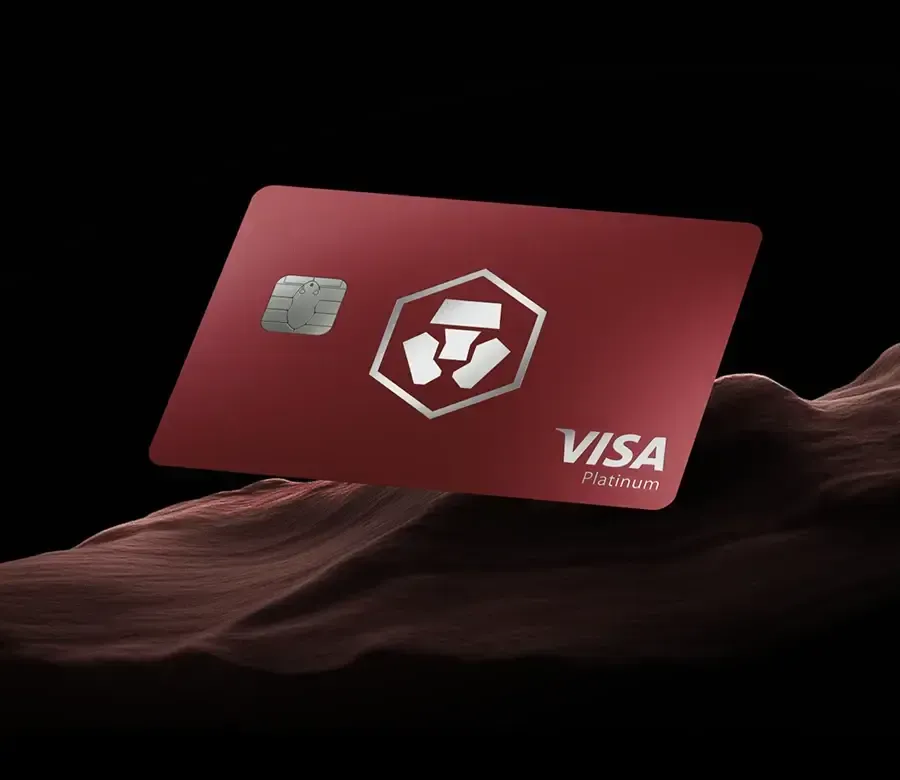
PLUS
2.0%
back in crypto · on every spend
€3.99 / month
or €39.90/year (€3.32/month)
Zero trading fees up to $20K/month
2.0% back in crypto on card spend
0% foreign exchange fees
EUR Cash Yield up to 1.35% p.a.
CRO Yield up to 2.00% p.a.
Virtual Visa card · Flexible cancel

PRO
3.0%
back in crypto · on every spend
€24.99 / month
or €249.90/year (€20.82/month)
Zero trading fees up to $50K/month
3.0% back in crypto on card spend
0% foreign exchange fees
EUR Cash Yield up to 1.70% p.a.
CRO Yield up to 2.50% p.a.
Airport lounge access (Priority Pass)
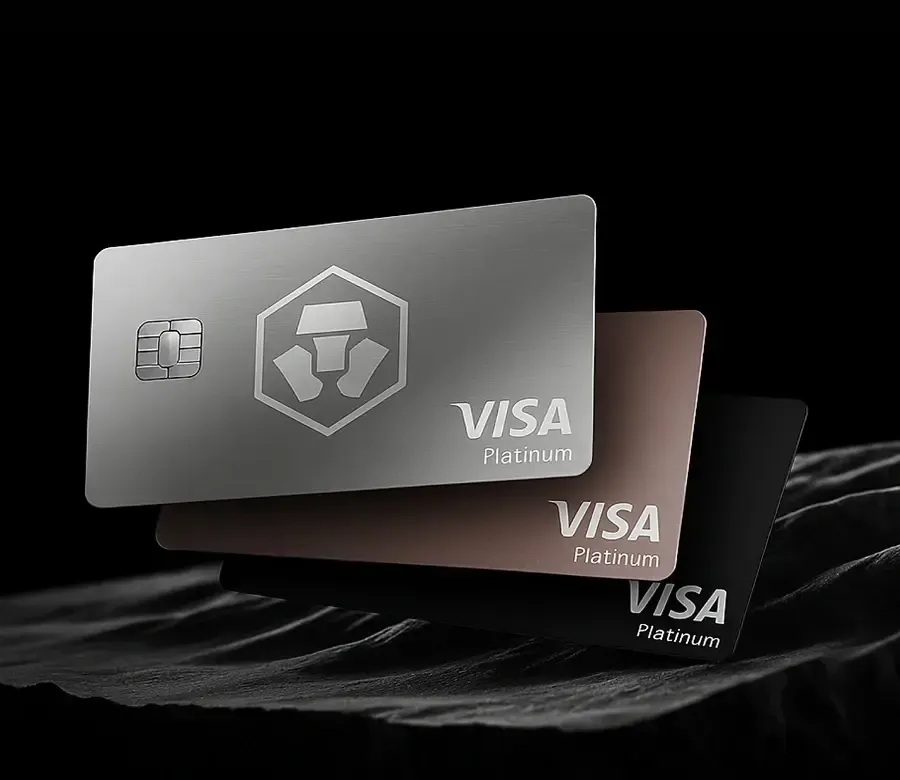
PRIVATE
4–6%
back in crypto · on every spend
CRO Lockup from €45,000
8.5% yield · 12-month staking · €450K tier at 9.5%
Zero trading fees · Unlimited volume
4.0%–6.0% back in crypto
0% foreign exchange fees
EUR Cash Yield up to 1.80% p.a.
Extra 1% p.a. on Earn allocations in CRO
VIP events · Exclusive experiences
8.5% CRO lockup rewards