
PayPal vs Visa
Founding story, key facts and history — side by side.
PayPal
It was called X.com. Elon Musk was fired on his honeymoon. The Mafia built Silicon Valley.
| Founded | 1998 |
| Founders | Peter Thiel, Max Levchin, Elon Musk |
| HQ | San Jose, California |
| Symbol | PYPL |
VS
Visa
Bank of America sent credit cards to 60,000 people who never asked for them. It accidentally invented modern payments.
| Founded | 1958 |
| Founders | Dee Hock, Bank of America |
| HQ | San Francisco, California |
| Symbol | V |
The Story — Side by Side
1998
Two companies, same idea
PayPal was not originally called PayPal. Confinity — founded by Peter Thiel and Max Levchin — built software that could beam money between PDAs. At the same time, Elon Musk founded X.com, an online bank. In March 2000, they merged. The combined company was renamed PayPal in 2001, after a product Musk reportedly disliked. Musk would spend decades later trying to revive the X name for Twitter.
2000
Musk is ousted as CEO on his honeymoon
While Elon Musk was on his honeymoon in October 2000, the board voted to remove him as CEO and replace him with Peter Thiel. Among the complaints: Musk wanted to migrate the entire payment platform from Unix to Windows servers — a decision engineers considered technically catastrophic. Musk was furious. The company kept Unix. The episode foreshadowed Musk's combative relationship with boards for the next two decades.
2002
eBay acquires PayPal — the Mafia is born
PayPal went public in February 2002. Eight months later, eBay acquired it for $1.5 billion. The group of early PayPal employees — Musk, Thiel, Levchin, Reid Hoffman, David Sacks, Keith Rabois — became known as the "PayPal Mafia." They went on to found or fund LinkedIn, YouTube, Yelp, Palantir, SpaceX, and dozens of other companies. No single company has produced more consequential founders than PayPal.
2015
Separation from eBay
After years of activist investor pressure, eBay spun off PayPal as an independent publicly traded company in July 2015. PayPal's market cap at separation was $46 billion. eBay's was $33 billion. The subsidiary had become more valuable than the parent — a pattern that would repeat across corporate history.
2021
Peak valuation, then the crash
PayPal reached a peak market cap of over $360 billion in July 2021. Then rising interest rates, intensifying competition from Apple Pay, Stripe, Cash App, and Venmo eroded its edge. The stock fell over 75% from its peak by 2022 — one of the most dramatic collapses of any major U.S. fintech. Under new CEO Alex Chriss, appointed in 2023, PayPal pivoted aggressively toward AI-powered checkout tools and merchant services, attempting to recapture relevance in a payments landscape it once dominated.
1958
The BankAmericard mass mailing disaster
Bank of America launched the BankAmericard in Fresno, California in September 1958 by mailing unsolicited credit cards to 60,000 residents — a practice called "dropping" that was later made illegal. The experiment was chaotic: thousands of people who had received cards they never requested ran up debts they couldn't repay. Within a year, 22% of accounts were delinquent. Bank of America lost millions. The programme nearly ended before it began. The bank persisted, improved its credit screening, and the BankAmericard gradually became viable.
1968
Dee Hock and the impossible organisation
Bank of America began licensing the BankAmericard to other banks in 1966, creating a fragmented network with no consistent standards. Dee Hock, a banker with no establishment credentials, proposed a radical solution: a non-stock membership corporation owned by its member banks, with no central authority but shared infrastructure. The concept — which Hock called a "chaordic" organisation, combining chaos and order — was unlike any corporate structure that existed. It worked. The organisation was renamed Visa in 1976.
1976
A name for the world
The name Visa was chosen in 1976 because it was recognisable in every language, required no translation, and did not suggest it was owned by a single bank. The rebranding coincided with international expansion. Visa established the technical infrastructure for electronic payment authorisation that allowed a card issued by any member bank to be accepted at any merchant anywhere in the world — a network effect that became almost impossible to replicate and gave Visa its permanent competitive advantage.
2008
The largest IPO in U.S. history
Visa went public in March 2008 — two weeks before Bear Stearns collapsed — raising $17.9 billion in the largest IPO in U.S. history at the time. The timing was extraordinary: one of the largest financial transactions in history completed days before the financial crisis erupted. Visa's stock held up while bank stocks collapsed, because Visa earned fees on transaction volume regardless of whether cardholders paid their bills — the credit risk belonged to the issuing banks, not to Visa. This structural insight made Visa one of the most resilient business models ever built.
2024
The DOJ lawsuit — and a debit monopoly that survived the motion to dismiss
The U.S. Department of Justice sued Visa in September 2024, alleging it had illegally maintained a monopoly in the debit card market — processing more than 60% of U.S. debit transactions and collecting over $7 billion in annual processing fees. The DOJ alleged Visa had imposed exclusionary agreements on merchants, banks, and fintech companies to prevent competing debit networks from gaining scale. Visa moved to dismiss the lawsuit in December 2024; the motion was denied in June 2025. The case was proceeding to discovery as of 2026, with a trial date not yet set. Visa and Mastercard together processed approximately $4 trillion in U.S. debit purchases annually. The lawsuit represented the most significant existential regulatory challenge Visa had faced since its 2008 IPO.
Tools & Platforms
For Investors
The market doesn't care about your feelings.
But your broker's fees do.
But your broker's fees do.
Most people have a brokerage account. Fewer understand what it really costs them — in spreads, in fees, in missed instruments. Malta-regulated, direct market access, 600,000+ instruments.
Exante
Malta MFSA · 50 exchanges
Tickmill
Forex from 0.0 pips
Vantage
Multi-asset trading
Polymarket
Prediction markets
For Entrepreneurs
Opening a US company costs $300.
Most people think it's complicated. It isn't.
Most people think it's complicated. It isn't.
Most founders spend weeks on formation, banking and payments. The ones who move fast know which tools to use before they start. A US LLC, a real business account, and a way to pay people — in that order.
Mercury
Business finance · 300K+ founders
Doola
US LLC formation · YC backed
Melio
B2B payments
Xero 95% OFF
Accounting · 6 months
For C-Suite
Your competitor pays $200 less per month for EOR.
You're still on a spreadsheet.
You're still on a spreadsheet.
BVNK hired 20% of its workforce through Deel. The smartest operators aren't managing payroll complexity — they're outsourcing it. EOR in 150+ countries, multi-currency accounts, workforce payments at $200 less per month than competitors.
Deel
EOR · 150+ countries
Payoneer
$399/mo EOR · Save $200
Wise Business
40+ currencies · No hidden fees
Gusto
US payroll & benefits
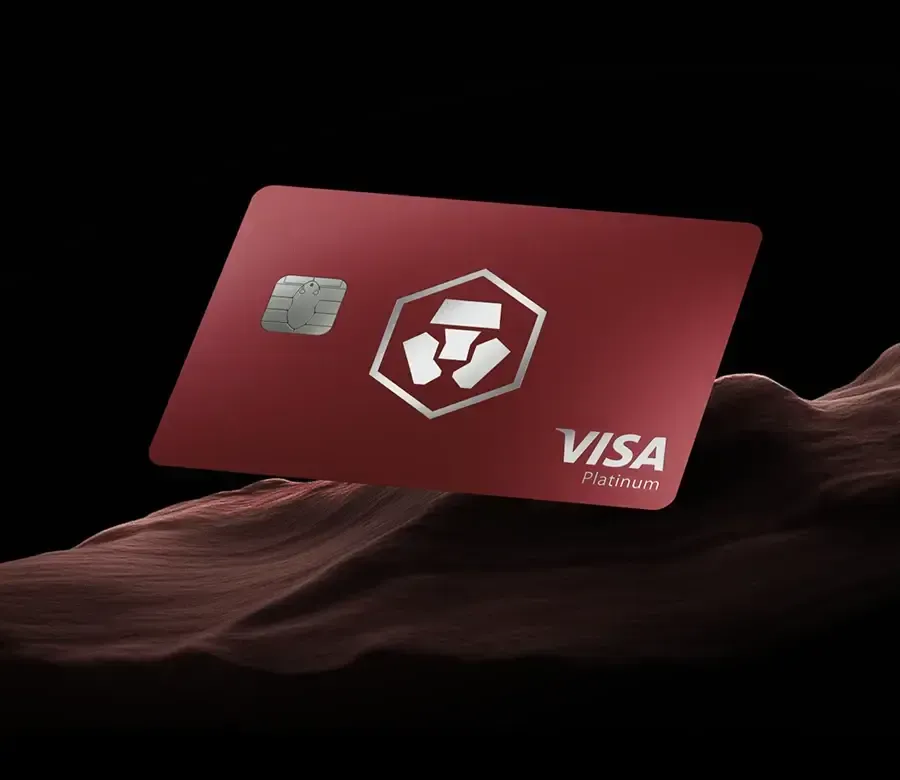
PLUS
2.0%
back in crypto · on every spend
€3.99 / month
or €39.90/year (€3.32/month)
Zero trading fees up to $20K/month
2.0% back in crypto on card spend
0% foreign exchange fees
EUR Cash Yield up to 1.35% p.a.
CRO Yield up to 2.00% p.a.
Virtual Visa card · Flexible cancel
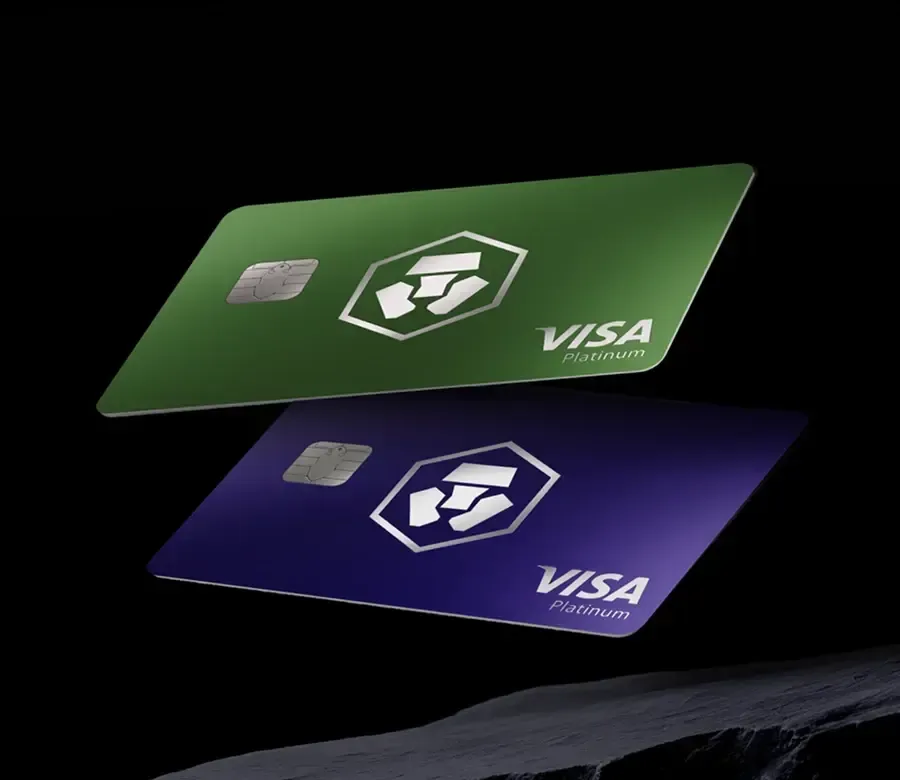
PRO
3.0%
back in crypto · on every spend
€24.99 / month
or €249.90/year (€20.82/month)
Zero trading fees up to $50K/month
3.0% back in crypto on card spend
0% foreign exchange fees
EUR Cash Yield up to 1.70% p.a.
CRO Yield up to 2.50% p.a.
Airport lounge access (Priority Pass)
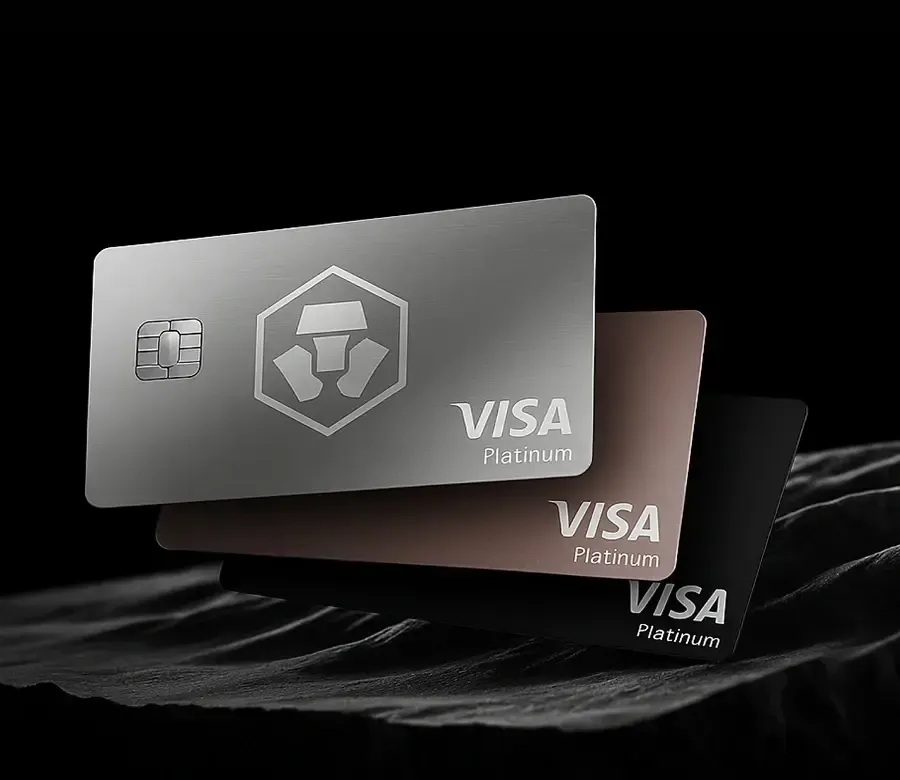
PRIVATE
4–6%
back in crypto · on every spend
CRO Lockup from €45,000
8.5% yield · 12-month staking · €450K tier at 9.5%
Zero trading fees · Unlimited volume
4.0%–6.0% back in crypto
0% foreign exchange fees
EUR Cash Yield up to 1.80% p.a.
Extra 1% p.a. on Earn allocations in CRO
VIP events · Exclusive experiences
8.5% CRO lockup rewards