
Puma vs New Balance
Founding story, key facts and history — side by side.
Puma
The rebellious offshoot of the Dassler family that pioneered the intersection of elite sport and high-fashion style.
| Founded | 1948 |
| Founders | Rudolf Dassler |
| HQ | Herzogenaurach, Germany |
| Symbol | PUM |
VS
New Balance
A British immigrant made arch supports for chickens in 1906. Built a shoe company. It stayed private, made shoes in America, and waited 118 years for culture to find it.
| Founded | 1906 |
| Founders | William J. Riley |
| HQ | Boston, Massachusetts |
| Symbol | Private (Davis family) |
The Story — Side by Side
1948
The family fallout and the birth of a rival
Puma was founded by Rudolf Dassler in the same small German town as his brother Adi’s Adidas. Following their falling out, Rudolf aimed to create a brand that was just as fast and aggressive as his brother’s, naming it after the predatory big cat. The competition between the two brothers effectively turned their town into a battleground of innovation, forcing Puma to be constantly creative and lean to survive against its massive, established sibling.
1968
The suede sneaker and the counter-culture status
Puma defined its early fashion credibility with the release of the "Puma Suede." The shoe was adopted by athletes and artists alike, becoming a staple of 1970s basketball courts and the burgeoning B-boy culture in New York. By refusing to be just a "track and field" brand, Puma established an early, deep connection with lifestyle consumers, a strategy that would become the cornerstone of its modern business model.
2000
The high-fashion partnership gamble
In a radical pivot, Puma decided to stop competing purely on athletic specs and started betting on high-fashion collaborations. By partnering with luxury designers like Jil Sander, Puma effectively invented the modern "sports-luxe" trend. This strategy allowed the brand to charge premium prices for apparel that looked as good in a runway show as it did on a racetrack, carving out a unique, high-margin niche that distanced it from the broader, mass-market sports manufacturers.
2023
The global athlete endorsement and recovery strategy
After a period of losing ground to the massive marketing budgets of Nike and Adidas, Puma aggressively refreshed its roster, signing global superstars across football, Formula 1, and music. This strategy wasn't just about selling shoes; it was about securing "cultural relevance." By tying its products to the most influential figures in global entertainment, Puma successfully boosted its brand heat and reclaimed its position as a major contender in the youth-oriented apparel market.
2026
The agile lifestyle and sports performance hybrid
By mid-2026, Puma thrives as the "third force" in the global sportswear industry. Its operational model is highly flexible, focusing on rapid-turnaround collections that react to real-time fashion trends. By maintaining its unique position between high-fashion and sports, Puma continues to grow, attracting a demographic that values style and individuality as much as performance.
1906
A British immigrant, a chicken farm, and arch support
New Balance was founded in 1906 by William J. Riley, a British immigrant in Boston who made arch supports inspired by the way chickens balanced on three points. Riley's company — New Balance Arch Support Company — made customised arch supports and insoles, selling to workers who spent long hours on their feet. Riley believed he could design a shoe that provided perfect balance through an arch support with three points of contact, the same stability system he observed in chickens. For its first forty years, New Balance focused on arch supports and orthopaedic shoes rather than athletic footwear.
1960
The first New Balance running shoe and a small but loyal following
The company produced its first athletic shoe — the Trackster — in 1960, a waffle-soled running shoe designed for serious runners. The Trackster sold through mail order and was adopted by several Boston-area running clubs, building a small but intensely loyal customer base that valued performance over marketing. New Balance's approach was distinctive from the outset: no celebrity endorsements, no advertising stars, no professional athlete sponsorships that drove Nike's and later Reebok's marketing. The brand would be validated by the performance of the shoe, communicated through specialist running communities.
1972
Jim Davis buys a struggling shoe company on the day of the Boston Marathon
Jim Davis purchased New Balance in 1972 for $100,000 on the day of the Boston Marathon — a coincidence that felt intentional in retrospect. Davis had been working in running shoe retail and recognised that the existing models were inadequate for the running boom that was beginning. He invested in manufacturing, expanded the product line, and made the decision that would define New Balance's identity for the following 50 years: maintain manufacturing in the United States. While Nike outsourced production to Asia in the 1970s, New Balance kept factories in Massachusetts and Maine. The US manufacturing carried real cost disadvantages — American-made New Balance shoes cost significantly more to produce — but Davis believed the authenticity was worth the premium.
1998
The width sizing system and the dad shoe archetype
New Balance developed a distinctive width sizing system — offering shoes in narrow (2A), standard (D), wide (2E/4E), and extra-wide formats — that addressed a genuine customer need that competitors ignored. People with wide feet who had been unable to find comfortable athletic shoes found New Balance through necessity and became loyal customers. The 574, 990, and 993 models — chunky, deliberately unglamorous designs built for comfort and durability rather than style — became associated with a certain archetype: the practical American professional, the suburban dad, the person who cared more about whether their feet hurt than whether their shoes appeared in a magazine.
2020
The cultural moment — from dad shoe to streetwear status symbol
New Balance underwent one of the most striking brand transformations in contemporary fashion. The "dad shoe" aesthetic that had previously been a liability became a cultural asset as streetwear and fashion embraced chunky, retro athletic footwear. Collaborations with Joe Freshgoods, Aimé Leon Dore, Salehe Bembury, and other influential designers created limited-edition versions of classic New Balance silhouettes that sold out immediately and traded on secondary markets at significant premiums. New Balance revenue grew from approximately $3.3 billion in 2018 to over $7 billion by 2023 — the fastest organic growth period in the company's 118-year history. The brand Jim Davis had bought for $100,000 on Marathon day had become a billion-dollar global fashion statement.
Tools & Platforms
For Investors
The market doesn't care about your feelings.
But your broker's fees do.
But your broker's fees do.
Most people have a brokerage account. Fewer understand what it really costs them — in spreads, in fees, in missed instruments. Malta-regulated, direct market access, 600,000+ instruments.
Exante
Malta MFSA · 50 exchanges
Tickmill
Forex from 0.0 pips
Vantage
Multi-asset trading
Polymarket
Prediction markets
For Entrepreneurs
Opening a US company costs $300.
Most people think it's complicated. It isn't.
Most people think it's complicated. It isn't.
Most founders spend weeks on formation, banking and payments. The ones who move fast know which tools to use before they start. A US LLC, a real business account, and a way to pay people — in that order.
Mercury
Business finance · 300K+ founders
Doola
US LLC formation · YC backed
Melio
B2B payments
Xero 95% OFF
Accounting · 6 months
For C-Suite
Your competitor pays $200 less per month for EOR.
You're still on a spreadsheet.
You're still on a spreadsheet.
BVNK hired 20% of its workforce through Deel. The smartest operators aren't managing payroll complexity — they're outsourcing it. EOR in 150+ countries, multi-currency accounts, workforce payments at $200 less per month than competitors.
Deel
EOR · 150+ countries
Payoneer
$399/mo EOR · Save $200
Wise Business
40+ currencies · No hidden fees
Gusto
US payroll & benefits
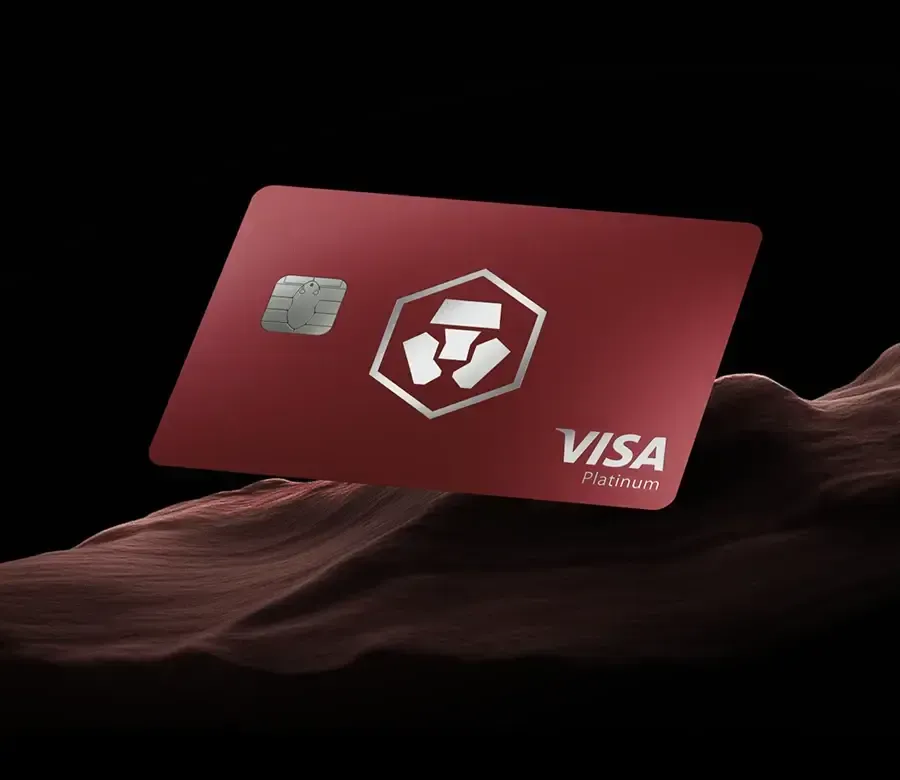
PLUS
2.0%
back in crypto · on every spend
€3.99 / month
or €39.90/year (€3.32/month)
Zero trading fees up to $20K/month
2.0% back in crypto on card spend
0% foreign exchange fees
EUR Cash Yield up to 1.35% p.a.
CRO Yield up to 2.00% p.a.
Virtual Visa card · Flexible cancel
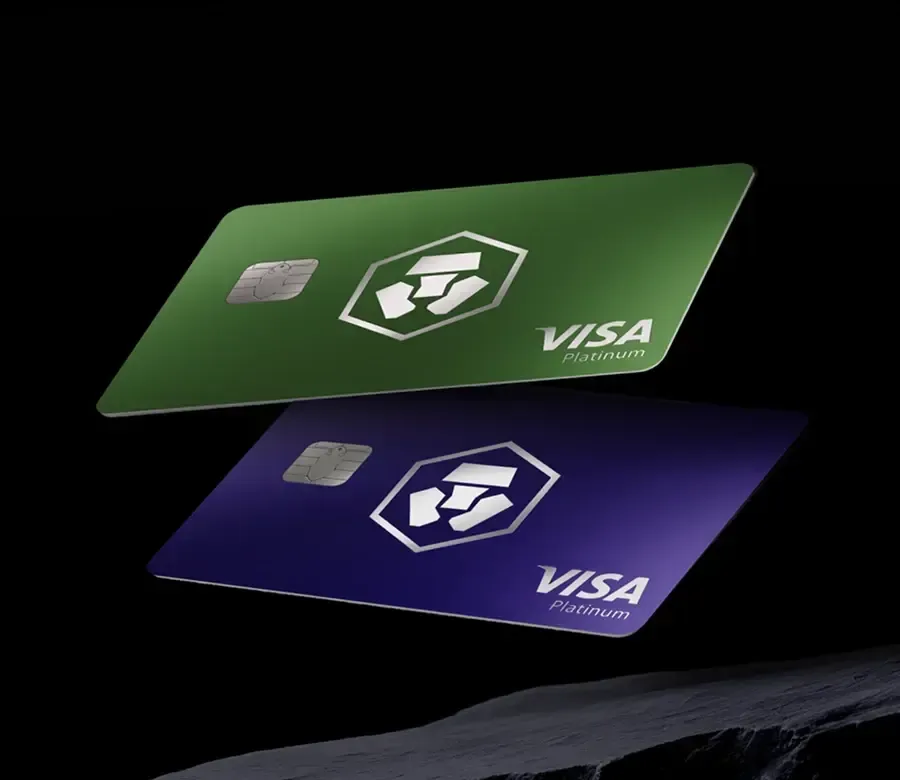
PRO
3.0%
back in crypto · on every spend
€24.99 / month
or €249.90/year (€20.82/month)
Zero trading fees up to $50K/month
3.0% back in crypto on card spend
0% foreign exchange fees
EUR Cash Yield up to 1.70% p.a.
CRO Yield up to 2.50% p.a.
Airport lounge access (Priority Pass)
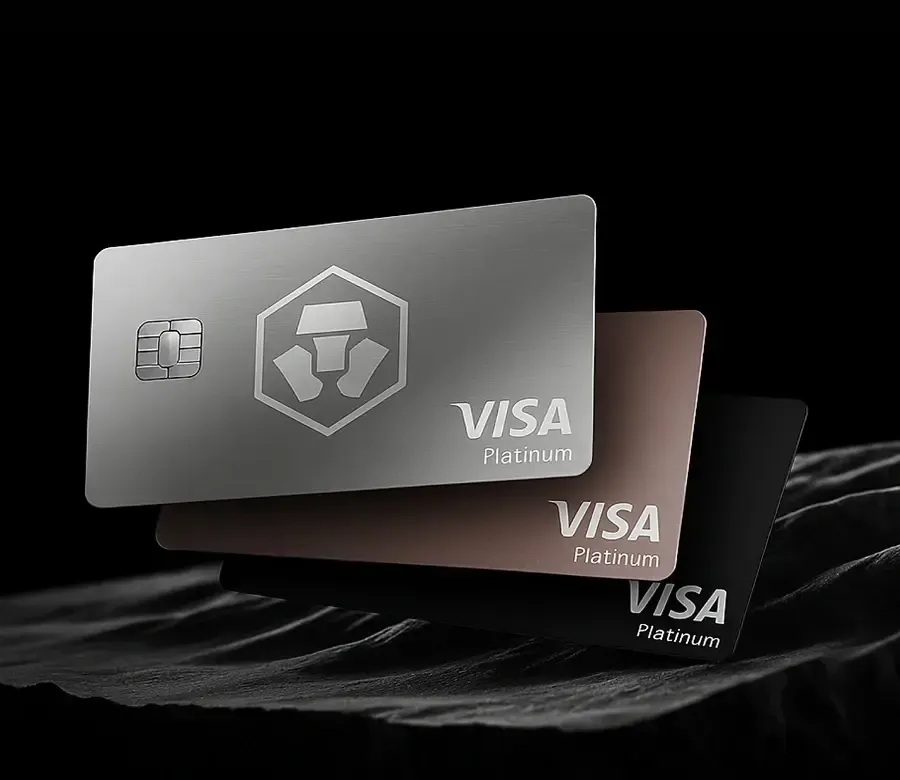
PRIVATE
4–6%
back in crypto · on every spend
CRO Lockup from €45,000
8.5% yield · 12-month staking · €450K tier at 9.5%
Zero trading fees · Unlimited volume
4.0%–6.0% back in crypto
0% foreign exchange fees
EUR Cash Yield up to 1.80% p.a.
Extra 1% p.a. on Earn allocations in CRO
VIP events · Exclusive experiences
8.5% CRO lockup rewards