
Roblox vs Unity
Founding story, key facts and history — side by side.
Roblox
The user-generated world-building platform that turned millions of children into amateur developers and digital entrepreneurs.
| Founded | 2004 |
| Founders | David Baszucki, Erik Cassel |
| HQ | San Mateo, California |
| Symbol | RBLX |
VS
Unity
The democratizer of game development that put high-end 3D-engine technology into the hands of every indie developer on the planet.
| Founded | 2004 |
| Founders | David Helgason, Nicholas Francis, Joachim Ante |
| HQ | San Francisco, California |
| Symbol | U |
The Story — Side by Side
2004
The "DynaBlocks" prototype
Roblox began as a platform for 3D physics experiments. David Baszucki’s vision was to provide users with simple tools to build and share their own games. By creating a sandbox where code could be shared easily, he unwittingly started the largest "creator-driven" game engine in history, focusing on the premise that kids don’t just want to play games—they want to make them.
2015
The viral creator economy
The company matured into a true "metaverse" ecosystem. By allowing users to trade digital currency (Robux) and share in the revenue generated by their creations, Roblox incentivized millions of teenagers to learn basic programming and design. This "democratization of game development" created a self-sustaining loop of content, where the users are both the developers and the primary consumers.
2021
The public listing and safety challenges
Roblox went public during a global surge in remote-work and digital-schooling interest. However, the company faced massive challenges regarding content moderation, virtual-currency scams, and the safety of its young user base. This era forced Roblox to invest heavily in its "Trust and Safety" infrastructure, transforming from a loose sandbox into a highly regulated, monitored digital space.
2024
The transition to virtual social events
Roblox pivoted from "gaming" to "virtual hangouts." Brands, artists, and educators started using the platform for virtual concerts, classrooms, and product launches. This demonstrated the platform’s value as a digital social space rather than just a game engine, moving the company into competition with social media platforms like Meta and Discord.
2026
The massive creator-driven empire
By mid-2026, Roblox is the most successful example of the creator economy. It serves as the training ground for the next generation of software engineers and designers. By providing the tools, the distribution, and the payment infrastructure, Roblox has become an essential digital infrastructure—a massive, self-policing virtual continent where the "users" do all the work, and the corporation takes a percentage of the trade.
2004
The indie revolution
Unity was born with a mission to "democratize game development." At the time, engines like Unreal were prohibitively expensive and difficult to use. Unity created an accessible, cross-platform engine that allowed a single developer to build a game once and export it to a PC, console, or—most importantly—the emerging mobile market. It became the default engine for the explosive growth of smartphone gaming.
2015
The mobile app-store gold rush
Unity became the "engine" of the mobile gaming boom. Because it was lightweight and flexible, it dominated the App Store and Google Play. If you played a game on your phone in the 2010s, there is a very high probability it was built in Unity. This market dominance gave the company immense leverage and turned it into the industry’s most critical software-as-a-service (SaaS) provider.
2020
The IPO and the diversification strategy
Unity went public with a massive valuation, but quickly faced pressure to diversify beyond just gaming. It began acquiring companies in AI, data analytics, and digital-twin technology. The goal was to become a "real-time 3D" company, serving architects, automotive designers, and industrial engineers who needed to visualize complex digital spaces, not just game developers.
2023
The monetization friction
The company stumbled significantly when it attempted to change its pricing model in a way that alienated its core base of indie developers. The backlash was severe, highlighting the difficult balance between being a "democratizer" of the industry and a profit-focused public corporation. This period marked a painful pivot toward more transparent communication and a renewed focus on technical stability.
2026
The essential real-time 3D utility
By mid-2026, Unity is the fundamental software layer for any real-time 3D application. While it faces stiff competition, its massive library of assets, training materials, and developer documentation gives it an unshakeable position. It remains the "gateway" for anyone wanting to build in 3D, operating as a vital piece of the global, industrial software infrastructure.
Tools & Platforms
For Investors
The market doesn't care about your feelings.
But your broker's fees do.
But your broker's fees do.
Most people have a brokerage account. Fewer understand what it really costs them — in spreads, in fees, in missed instruments. Malta-regulated, direct market access, 600,000+ instruments.
Exante
Malta MFSA · 50 exchanges
Tickmill
Forex from 0.0 pips
Vantage
Multi-asset trading
Polymarket
Prediction markets
For Entrepreneurs
Opening a US company costs $300.
Most people think it's complicated. It isn't.
Most people think it's complicated. It isn't.
Most founders spend weeks on formation, banking and payments. The ones who move fast know which tools to use before they start. A US LLC, a real business account, and a way to pay people — in that order.
Mercury
Business finance · 300K+ founders
Doola
US LLC formation · YC backed
Melio
B2B payments
Xero 95% OFF
Accounting · 6 months
For C-Suite
Your competitor pays $200 less per month for EOR.
You're still on a spreadsheet.
You're still on a spreadsheet.
BVNK hired 20% of its workforce through Deel. The smartest operators aren't managing payroll complexity — they're outsourcing it. EOR in 150+ countries, multi-currency accounts, workforce payments at $200 less per month than competitors.
Deel
EOR · 150+ countries
Payoneer
$399/mo EOR · Save $200
Wise Business
40+ currencies · No hidden fees
Gusto
US payroll & benefits
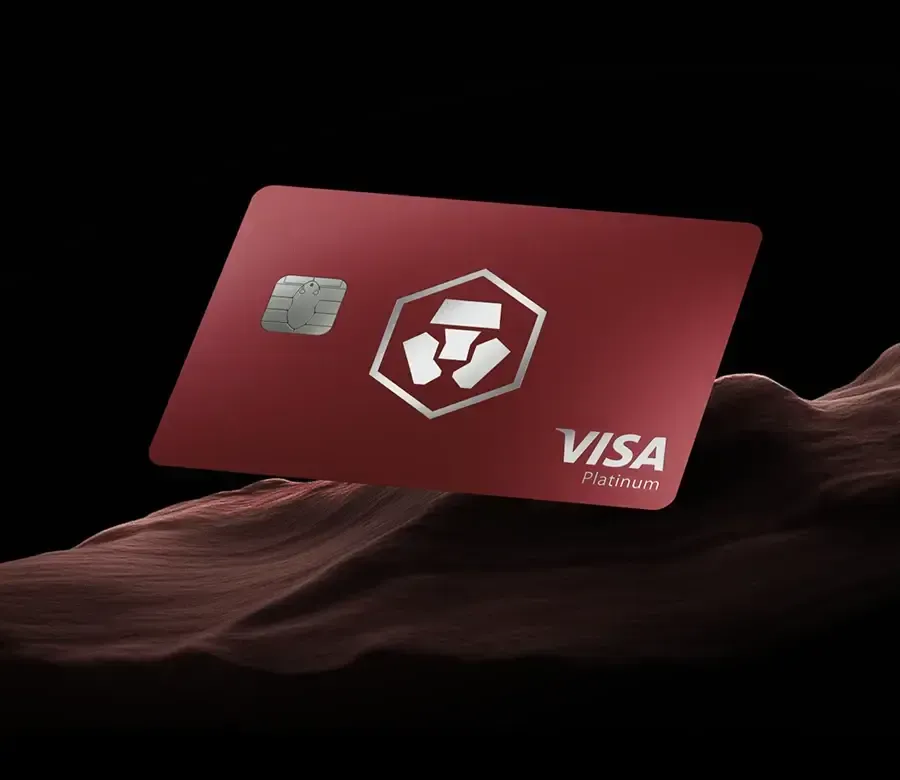
PLUS
2.0%
back in crypto · on every spend
€3.99 / month
or €39.90/year (€3.32/month)
Zero trading fees up to $20K/month
2.0% back in crypto on card spend
0% foreign exchange fees
EUR Cash Yield up to 1.35% p.a.
CRO Yield up to 2.00% p.a.
Virtual Visa card · Flexible cancel
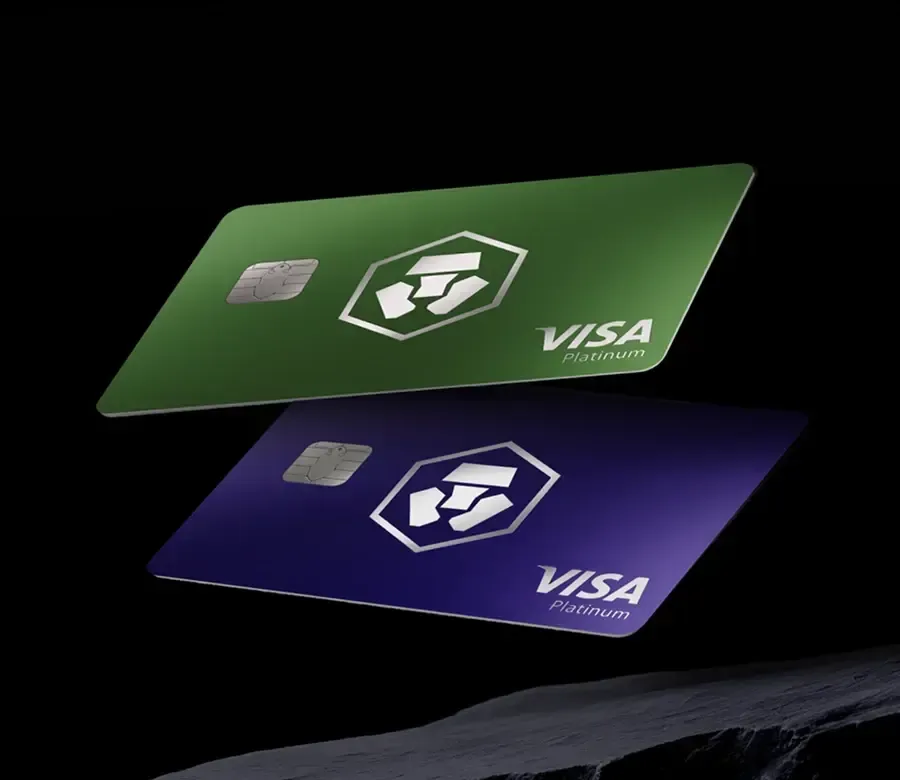
PRO
3.0%
back in crypto · on every spend
€24.99 / month
or €249.90/year (€20.82/month)
Zero trading fees up to $50K/month
3.0% back in crypto on card spend
0% foreign exchange fees
EUR Cash Yield up to 1.70% p.a.
CRO Yield up to 2.50% p.a.
Airport lounge access (Priority Pass)
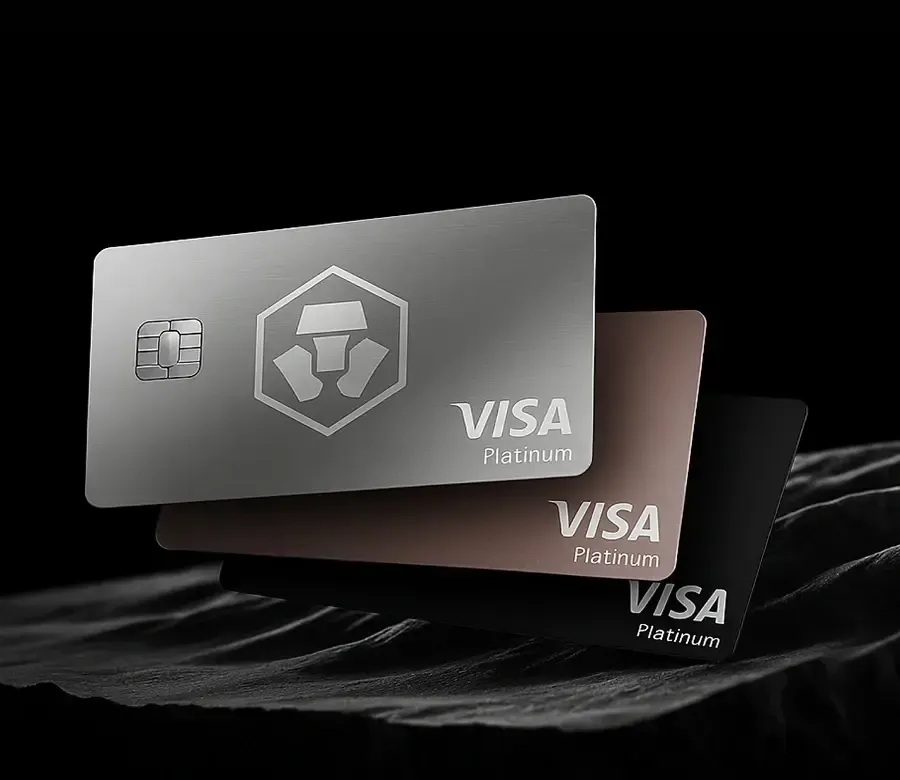
PRIVATE
4–6%
back in crypto · on every spend
CRO Lockup from €45,000
8.5% yield · 12-month staking · €450K tier at 9.5%
Zero trading fees · Unlimited volume
4.0%–6.0% back in crypto
0% foreign exchange fees
EUR Cash Yield up to 1.80% p.a.
Extra 1% p.a. on Earn allocations in CRO
VIP events · Exclusive experiences
8.5% CRO lockup rewards