
Roku vs Apple TV+
Founding story, key facts and history — side by side.
Roku
The Trojan horse of the streaming wars, disguised as a cheap hardware box while secretly building a multi-billion dollar advertising tollbooth.
| Founded | 2002 |
| Founders | Anthony Wood |
| HQ | San Jose, California |
| Symbol | ROKU |
VS
Apple TV+
A prestige streaming network deploying endless corporate cash reserves to capture cultural prestige, premium Hollywood awards, and global sports rights.
| Founded | 2019 |
| Founders | Tim Cook, Zack Van Amburg, Jamie Erlicht |
| HQ | Cupertino, California |
| Symbol | BRAND |
The Story — Side by Side
2002
The serial DVR inventor's initial corporate incubation project
Roku was founded by Anthony Wood, the brilliant engineer who previously invented the digital video recorder (DVR) company ReplayTV, which lost a brutal market war to TiVo. Following the collapse of his previous venture, Wood briefly served as a vice president at Netflix, where he personally engineered a prototype standalone internet streaming player box. Fearing that building proprietary hardware would permanently alienate Netflix's third-party hardware relationships, Reed Hastings spun Wood's project out as an independent company.
2014
The OS license Trojan horse and the hardware underpricing strategy
Recognizing that standalone streaming stick profit margins would inevitably drop to zero, Roku executed a brilliant, highly predatory software platform pivot. The company began licensing its proprietary Roku Operating System (Roku OS) to low-end television manufacturers like TCL and Hisense at near-zero costs. This Trojan horse strategy allowed Roku to quickly capture the underlying operating system layer of millions of smart TVs, creating a massive, captive digital user footprint across the world.
2017
The high-profile IPO and the shift to a digital advertising tollbooth
In September 2017, Roku listed publicly on the Nasdaq, raising over $219 million and explicitly revealing its true business model to Wall Street. The corporation successfully transformed itself from a basic consumer electronics manufacturer into a highly sophisticated digital advertising and distribution platform. Roku forced streaming apps like Netflix, Disney+, and HBO Max to surrender 20% of their subscription revenues or 30% of their ad inventory just to remain accessible on the platform.
2021
The aggressive content bidding wars and the Quibi library ambush
In early 2021, Roku attempted an aggressive, highly unexpected foray into proprietary content creation by purchasing the entire content library of Jeffrey Katzenberg's failed short-form streaming startup, Quibi, for less than $100 million. Rebranding the asset as Roku Originals, the hardware platform spent heavily to build out The Roku Channel, seeking to reduce its long-term dependency on third-party media companies. The pivot drove up operational overhead, creating sharp tensions with traditional studio partners.
2026
The home-screen programmatic ad peak and the linear CTV capture
By mid-2026, Roku, Inc. solidified its status as the dominant programmatic Connected TV (CTV) gatekeeper in North America, driving annual platform ad revenues past $4.2 billion under CEO Anthony Wood. Fully weaponizing its home-screen real estate and its proprietary automated ad-buying platform, the company successfully captured massive legacy linear television ad budgets. Despite constant ecosystem pressure from Amazon and Google, the platform maintained its independent tollbooth advantage.
2019
The star-studded Cupertino keynote and premium original launch
Apple announced its aggressive entry into the global streaming wars by unveiling Apple TV+ during a theatrical star-studded keynote featuring Steven Spielberg and Oprah Winfrey. Unlike rival platforms that bought massive legacy back-catalogs, Apple committed to a highly risky, 100% exclusive original production strategy.
2022
The historic Best Picture Oscar victory and live sports expansion
Apple TV+ achieved a massive validation milestone when its original film *CODA* won the highly coveted Academy Award for Best Picture, making Apple the first streaming service in human history to beat Netflix to the Oscar apex. Concurrently, the platform entered live sports by securing an exclusive, multi-billion dollar 10-year global broadcast deal with Major League Soccer.
2024
The theatrical prestige strategy and budget optimization era
Facing rising industry-wide streaming monetization scrutiny, Apple pivoted its film release model, partnering with traditional studios to give massive $200 million spectacles like *Killers of the Flower Moon* and *Napoleon* wide global theatrical windows before hitting the digital app, seeking to subsidize its enormous production budgets.
2026
The bundled ecosystem lock-in and international content scale
By mid-2026, Apple TV+ maintained its position as the premium artistic anchor of the Apple One subscription bundle. Under Hollywood veterans Zack Van Amburg and Jamie Erlicht, the platform optimized its massive content expenditure, leveraging massive sci-fi franchises like *Foundation* alongside highly targeted global streaming expansions.
Tools & Platforms
For Investors
The market doesn't care about your feelings.
But your broker's fees do.
But your broker's fees do.
Most people have a brokerage account. Fewer understand what it really costs them — in spreads, in fees, in missed instruments. Malta-regulated, direct market access, 600,000+ instruments.
Exante
Malta MFSA · 50 exchanges
Tickmill
Forex from 0.0 pips
Vantage
Multi-asset trading
Polymarket
Prediction markets
For Entrepreneurs
Opening a US company costs $300.
Most people think it's complicated. It isn't.
Most people think it's complicated. It isn't.
Most founders spend weeks on formation, banking and payments. The ones who move fast know which tools to use before they start. A US LLC, a real business account, and a way to pay people — in that order.
Mercury
Business finance · 300K+ founders
Doola
US LLC formation · YC backed
Melio
B2B payments
Xero 95% OFF
Accounting · 6 months
For C-Suite
Your competitor pays $200 less per month for EOR.
You're still on a spreadsheet.
You're still on a spreadsheet.
BVNK hired 20% of its workforce through Deel. The smartest operators aren't managing payroll complexity — they're outsourcing it. EOR in 150+ countries, multi-currency accounts, workforce payments at $200 less per month than competitors.
Deel
EOR · 150+ countries
Payoneer
$399/mo EOR · Save $200
Wise Business
40+ currencies · No hidden fees
Gusto
US payroll & benefits

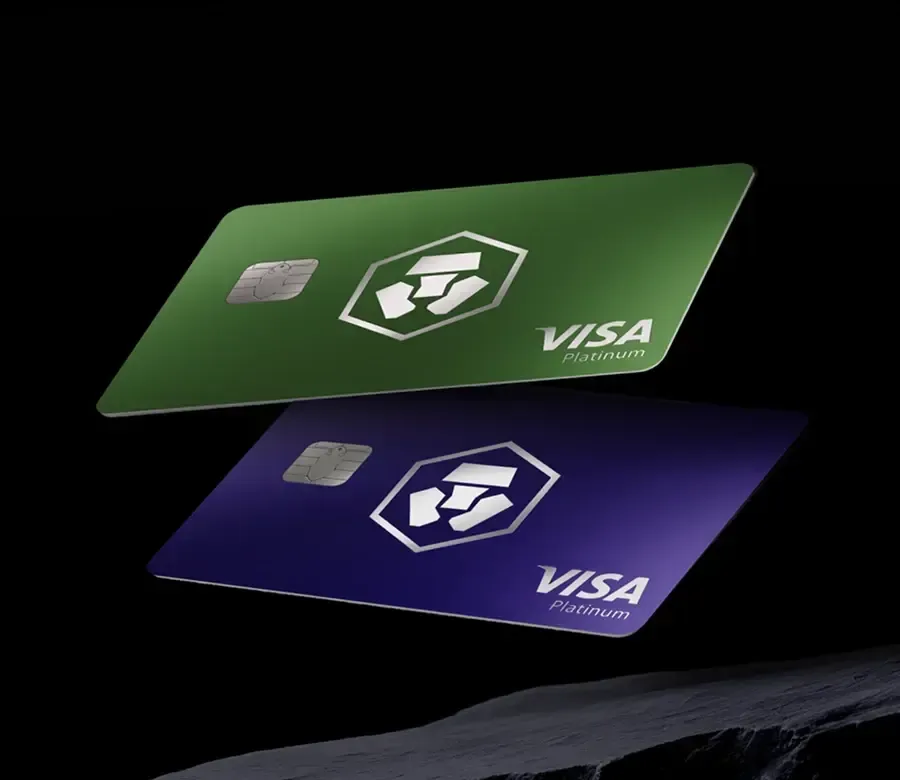
PLUS
2.0%
back in crypto · on every spend
€3.99 / month
or €39.90/year (€3.32/month)
Zero trading fees up to $20K/month
2.0% back in crypto on card spend
0% foreign exchange fees
EUR Cash Yield up to 1.35% p.a.
CRO Yield up to 2.00% p.a.
Virtual Visa card · Flexible cancel
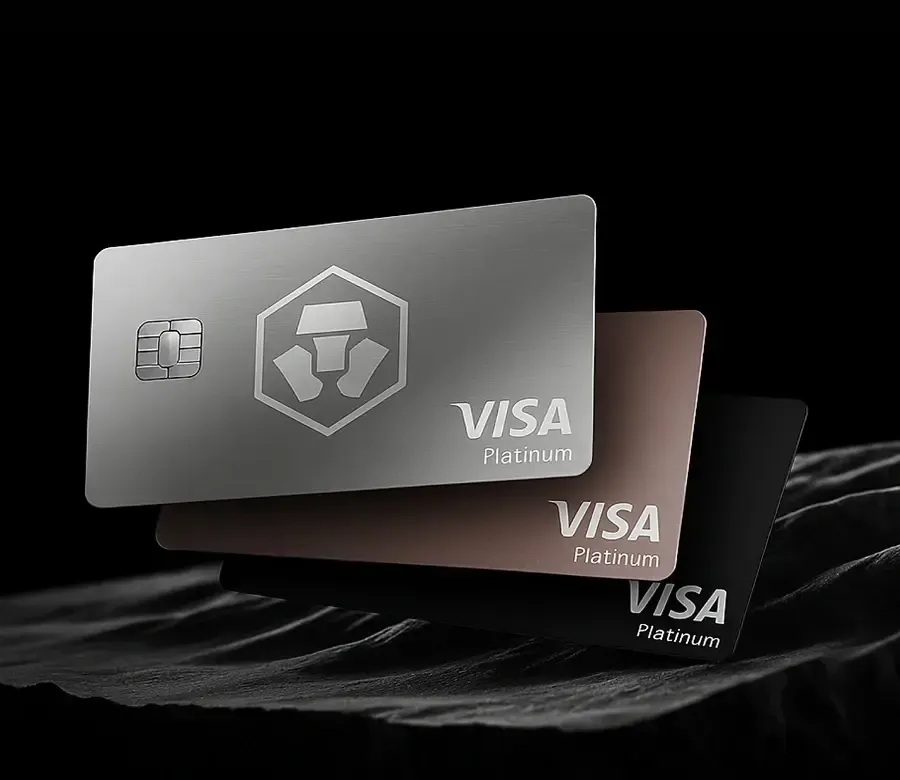
PRO
3.0%
back in crypto · on every spend
€24.99 / month
or €249.90/year (€20.82/month)
Zero trading fees up to $50K/month
3.0% back in crypto on card spend
0% foreign exchange fees
EUR Cash Yield up to 1.70% p.a.
CRO Yield up to 2.50% p.a.
Airport lounge access (Priority Pass)
PRIVATE
4–6%
back in crypto · on every spend
CRO Lockup from €45,000
8.5% yield · 12-month staking · €450K tier at 9.5%
Zero trading fees · Unlimited volume
4.0%–6.0% back in crypto
0% foreign exchange fees
EUR Cash Yield up to 1.80% p.a.
Extra 1% p.a. on Earn allocations in CRO
VIP events · Exclusive experiences
8.5% CRO lockup rewards