
Ryanair vs Southwest Airlines
Founding story, key facts and history — side by side.
Ryanair
Michael O'Leary turned a struggling Irish airline into Europe's most profitable carrier. Every penny saved is a penny of ancillary revenue earned.
| Founded | 1984 |
| Founders | Tony Ryan, Liam Lonergan, Christopher Ryan |
| HQ | Swords, Dublin, Ireland |
| Symbol | RYA.I (Dublin) / RYAAY (Nasdaq) |
VS
Southwest Airlines
Herb Kelleher sketched the airline on a cocktail napkin. The carrier that never assigned seats — until Elliott Management forced it to.
| Founded | 1967 |
| Founders | Herb Kelleher, Rollin King |
| HQ | Dallas, Texas |
| Symbol | LUV (NYSE) |
The Story — Side by Side
1984
A small Irish airline with one route and a dream of disruption
Ryanair was founded in 1984 by the Ryan family — Tony Ryan, Liam Lonergan, and Christopher Ryan — initially operating a 15-seat Embraer 110 Bandeirante from Waterford to London Gatwick. The airline was losing money rapidly. In 1994, the Ryan family hired Michael O'Leary — an accountant who had never worked in aviation — as CEO. O'Leary studied Southwest Airlines intensively and concluded that the US low-cost model could be even more aggressively applied in Europe, where airlines were protected by government ownership and bilateral agreements that restricted competition.
1997
EU deregulation and the explosion of cheap European flying
European Union air transport deregulation in 1997 allowed airlines to fly any route within the EU at any price. Ryanair had anticipated the change and was positioned to exploit it immediately: the airline offered fares that were fractions of the legacy carriers' prices, using secondary airports (Stansted rather than Heathrow, Charleroi rather than Brussels) that offered lower charges and faster turnaround times. The formula was simple and devastating for incumbents: fill the plane with passengers at any price necessary, then earn the real margin on baggage fees, seat selection charges, car hire commissions, and hotel sales.
2000
The O'Leary model — baggage fees as the product
O'Leary's genius was recognising that the base airfare was not the product — it was the marketing. The product was the ancillary revenue that passengers generated once they had committed to flying: checked bag fees (introduced in 2006), priority boarding fees, in-flight food and drink, car hire commissions, hotel bookings, and eventually seat selection charges for every seat on the aircraft. The model converted Ryanair's customers into a captive audience of millions who, having bought a cheap ticket, were then upsold at every stage of the journey.
2014
Always Getting Better — and the surprising softening
By 2014, Ryanair's customer satisfaction scores were among the worst of any airline in Europe. O'Leary launched an "Always Getting Better" programme that softened the most egregious fee structures, improved the website, introduced allocated seating for the first time, and ended the practice of charging for printing boarding passes. The improvements dramatically improved customer satisfaction without significantly denting the financial model. Passenger numbers continued to grow, and the stock rose accordingly.
2024
€15 billion in revenue — 180 million passengers — Europe's most valuable airline
Ryanair reported revenues of approximately €15 billion for fiscal year 2024, carrying 180 million passengers — more than any other European airline. Its market capitalisation of €31.8 billion made it the most valuable airline in Europe, exceeding Lufthansa Group despite operating a fraction of the routes. The airline's fleet of Boeing 737 MAX 8-200 jets — a variant developed specifically for Ryanair to carry 197 passengers on a standard 737 body — operated with the lowest unit costs in European aviation. O'Leary, approaching 25 years as CEO, remained the most recognised and most contentious figure in European aviation.
1967
A cocktail napkin and three Texas cities
Southwest Airlines was conceived in 1967 when Rollin King sketched a triangle on a cocktail napkin connecting Dallas, Houston, and San Antonio — proposing an airline that would serve Texas cities at fares low enough to compete with driving. He took the idea to lawyer Herb Kelleher, who became the airline's legal counsel and eventually its CEO. The established Texas carriers — Braniff, Continental, and Texas International — fought the airline's certification in courts for three years, believing correctly that Southwest threatened their intrastate routes. Southwest finally took its first flight in 1971.
1971
The Southwest model — one aircraft type, no frills, high frequency
Southwest operated only Boeing 737s — a deliberate decision that simplified maintenance, crew training, and spare parts management. It charged no bag fees, assigned no seats, and operated shorter turn times than competitors, allowing aircraft to make more flights per day. The combination of low costs and high frequency built Southwest into the dominant domestic US airline by passengers carried. The "love theme" — the airline was incorporated as Air Southwest and its ticker symbol is LUV — was built around irreverent marketing that employees and customers embraced.
2001
The only US airline to be profitable every year from 1973 to 2020
Southwest maintained an unbroken streak of annual profitability from 1973 to 2019 — 47 consecutive years — a record unmatched in commercial aviation history. The streak survived oil price shocks, the September 11 attacks, the 2008 financial crisis, and multiple recessions. The airline's fuel hedging programme — a sophisticated derivatives strategy that locked in fuel prices years in advance — shielded it from the price volatility that devastated competitors. Southwest's culture — genuinely unusual among large corporations for its documented warmth and employee loyalty — was often cited as equally important to its financial discipline.
2022
The Christmas meltdown — 16,700 cancelled flights in five days
Southwest's legacy technology and point-to-point scheduling model collapsed catastrophically in December 2022 during Winter Storm Elliott. While competitors recovered within days, Southwest cancelled 16,700 flights over five days, stranding approximately two million passengers. The disaster revealed that Southwest's crew scheduling software — which had not been substantially updated in decades — could not recover from the scale of disruption the storm created. Southwest paid $825 million in compensation and fines and was forced to invest heavily in technology modernisation.
2025
Elliott Management — assigned seating — the model that survived 54 years finally changes
Activist investor Elliott Management acquired a significant stake in Southwest in 2025 and pressured the company into its most significant strategy shift in its 54-year history. Southwest announced it would begin assigning seats — ending the open-seating model that had been a defining element of its brand since 1971. The airline also introduced premium seating and began charging for checked bags. The changes were expected to generate significant additional revenue but broke from the founding philosophy that Herb Kelleher had established on a cocktail napkin. Southwest reported $28 billion in revenue for 2024.
Tools & Platforms
For Investors
The market doesn't care about your feelings.
But your broker's fees do.
But your broker's fees do.
Most people have a brokerage account. Fewer understand what it really costs them — in spreads, in fees, in missed instruments. Malta-regulated, direct market access, 600,000+ instruments.
Exante
Malta MFSA · 50 exchanges
Tickmill
Forex from 0.0 pips
Vantage
Multi-asset trading
Polymarket
Prediction markets
For Entrepreneurs
Opening a US company costs $300.
Most people think it's complicated. It isn't.
Most people think it's complicated. It isn't.
Most founders spend weeks on formation, banking and payments. The ones who move fast know which tools to use before they start. A US LLC, a real business account, and a way to pay people — in that order.
Mercury
Business finance · 300K+ founders
Doola
US LLC formation · YC backed
Melio
B2B payments
Xero 95% OFF
Accounting · 6 months
For C-Suite
Your competitor pays $200 less per month for EOR.
You're still on a spreadsheet.
You're still on a spreadsheet.
BVNK hired 20% of its workforce through Deel. The smartest operators aren't managing payroll complexity — they're outsourcing it. EOR in 150+ countries, multi-currency accounts, workforce payments at $200 less per month than competitors.
Deel
EOR · 150+ countries
Payoneer
$399/mo EOR · Save $200
Wise Business
40+ currencies · No hidden fees
Gusto
US payroll & benefits
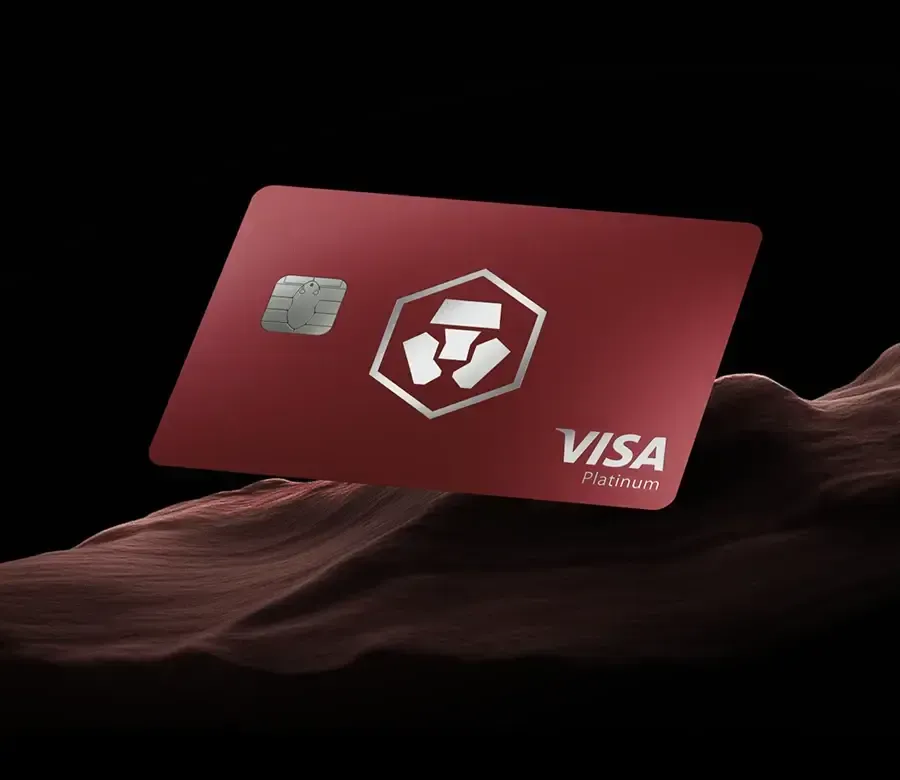
PLUS
2.0%
back in crypto · on every spend
€3.99 / month
or €39.90/year (€3.32/month)
Zero trading fees up to $20K/month
2.0% back in crypto on card spend
0% foreign exchange fees
EUR Cash Yield up to 1.35% p.a.
CRO Yield up to 2.00% p.a.
Virtual Visa card · Flexible cancel
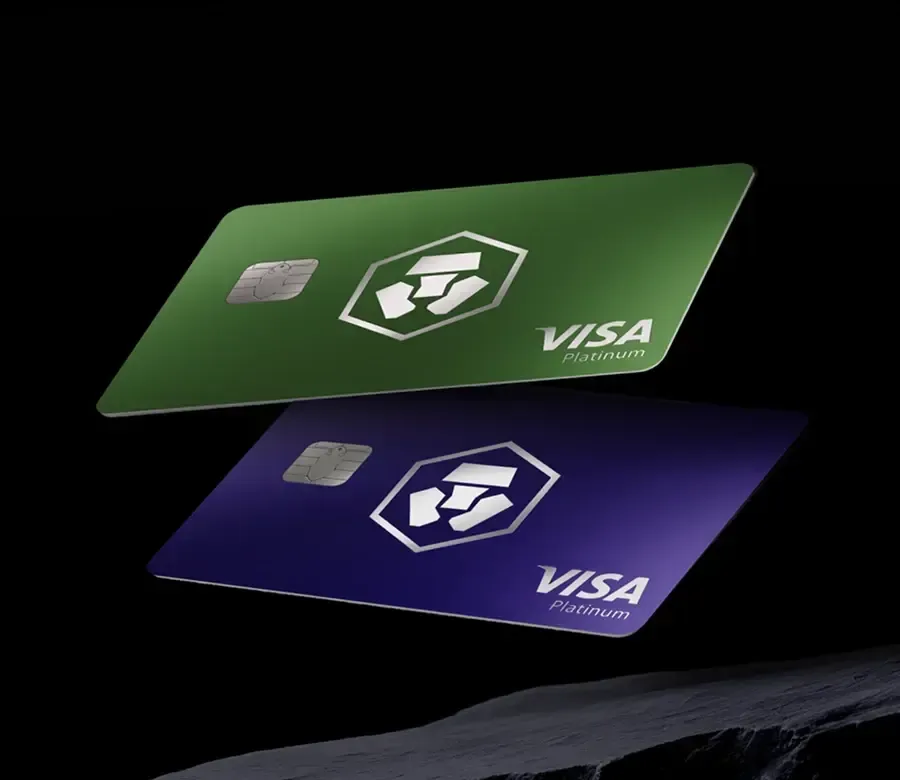
PRO
3.0%
back in crypto · on every spend
€24.99 / month
or €249.90/year (€20.82/month)
Zero trading fees up to $50K/month
3.0% back in crypto on card spend
0% foreign exchange fees
EUR Cash Yield up to 1.70% p.a.
CRO Yield up to 2.50% p.a.
Airport lounge access (Priority Pass)
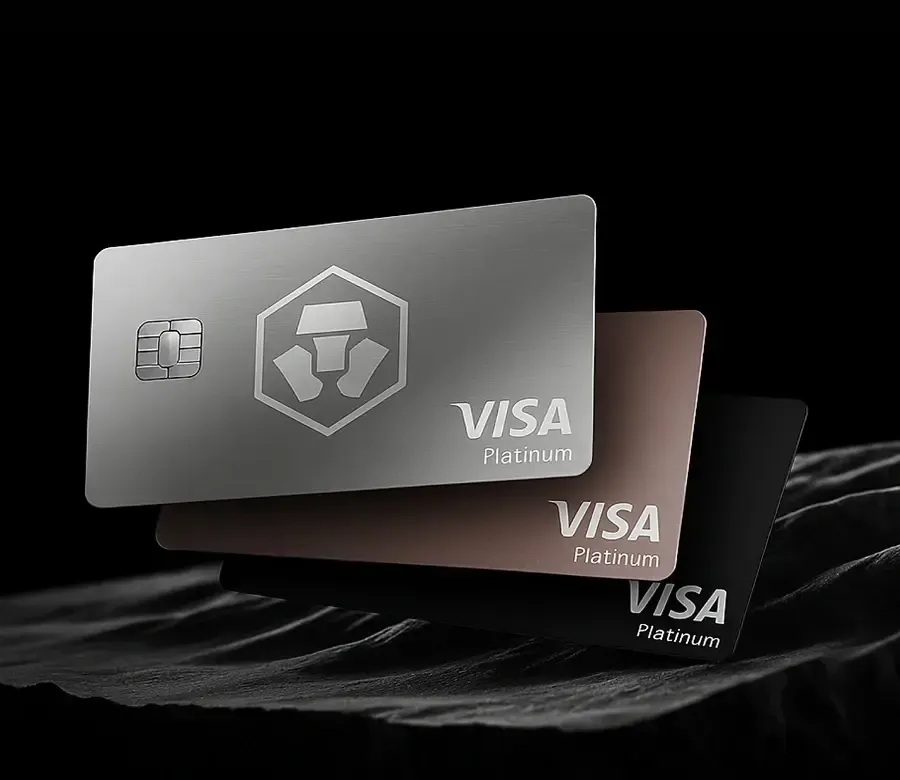
PRIVATE
4–6%
back in crypto · on every spend
CRO Lockup from €45,000
8.5% yield · 12-month staking · €450K tier at 9.5%
Zero trading fees · Unlimited volume
4.0%–6.0% back in crypto
0% foreign exchange fees
EUR Cash Yield up to 1.80% p.a.
Extra 1% p.a. on Earn allocations in CRO
VIP events · Exclusive experiences
8.5% CRO lockup rewards