
Signal Technology vs WhatsApp (Meta)
Founding story, key facts and history — side by side.
Signal Technology
Funded by a disgruntled WhatsApp billionaire, it engineered the gold standard of end-to-end encryption to shield global privacy from corporate surveillance.
| Founded | 2018 (As Foundation) |
| Founders | Moxie Marlinspike, Brian Acton |
| HQ | Mountain View, California |
| Symbol | NONPROFIT |
VS
WhatsApp (Meta)
Rejected by Facebook. Sold to Facebook for $19 billion. Left Facebook over privacy.
| Founded | 2009 |
| Founders | Jan Koum, Brian Acton |
| HQ | Menlo Park, California |
| Symbol | META |
The Story — Side by Side
2014
The Whisper Systems consolidation and the corporate code standard
Signal emerged from the merger of two open-source privacy apps, TextSecure and RedPhone, created by legendary cypherpunk hacker Moxie Marlinspike under the banner of Whisper Systems. Marlinspike engineered the highly revolutionary Signal Protocol, an open end-to-end encryption mechanism that made it mathematically impossible for servers to read user chat logs. The architecture was so secure that tech titans like Facebook, Google, and Microsoft licensed the protocol to secure their own mass-market chat engines.
2018
The $50 million Brian Acton cash injection and non-profit shield
In a dramatic twist, WhatsApp co-founder Brian Acton walked away from a massive $850 million payout at Facebook over intense user privacy disagreements with Mark Zuckerberg, partnering with Moxie Marlinspike to launch the non-profit Signal Technology Foundation. Acton injected an initial $50 million interest-free personal loan into the project to bankroll independent software scale. This structural non-profit model insulated Signal from ever being sold to ad-tech networks or private equity.
2021
The massive WhatsApp privacy policy exodus tipping point
Signal experienced a historic user acquisition explosion in January 2021 when Facebook announced a confusing, mandatory update to WhatsApp's privacy policies regarding commercial data sharing. High-profile tech figures like Elon Musk tweeted a simple two-word message—"Use Signal"—triggering an unprecedented wave of millions of new user downloads that temporarily crashed Signal's verification servers. The app transitioned from a niche developer utility into a mainstream global security tool.
2026
The username privacy evolution and zero-knowledge cloud scale
By mid-2026, the Signal Technology Foundation sustained its massive global messaging framework under the operational leadership of CEO Meredith Whittaker, running entirely on independent user donations. The platform successfully rolled out complete phone-number hiding mechanics via default username lookups, permanently severing communication graphs from real-world identities. The enterprise successfully defended its zero-knowledge infrastructure against international state attempts to mandate backdoors.
2009
Rejected by Facebook and Twitter
Jan Koum and Brian Acton both worked at Yahoo for nine years before leaving in 2007. In 2009, both applied for jobs at Facebook. Both were rejected. Acton later tweeted about the rejection: "Facebook turned me down. It was a great opportunity to connect with some fantastic people. Looking forward to life's next adventure." Five years later, Facebook paid $19 billion to acquire the company they had built. It remains one of the most expensive rejection stories in corporate history.
2011
200 million users. Zero marketing budget.
WhatsApp grew to 200 million users without spending a dollar on marketing or advertising. Jan Koum had grown up in Soviet Ukraine where surveillance was normalised — he had a deep personal aversion to both advertising and data collection. WhatsApp's business model was a $1 annual subscription fee, later dropped entirely. The product spread purely by word of mouth, across borders and language barriers, because it simply worked better than SMS and cost nothing to use internationally.
2014
$19 billion and a promise Zuckerberg would break
Facebook acquired WhatsApp in February 2014 for $19 billion — the largest acquisition of a venture-backed company in history at the time. WhatsApp had 55 employees, making each worth approximately $345 million on paper. Zuckerberg promised publicly that WhatsApp would remain independent and that its privacy principles would be preserved. Within four years, both founders would leave over exactly those issues.
2018
The founders leave, forfeiting hundreds of millions
Brian Acton left in September 2017, forfeiting approximately $850 million in unvested stock over pressure to monetise WhatsApp through advertising. Jan Koum left in April 2018, forfeiting further hundreds of millions. Acton later tweeted "#deletefacebook" and donated $50 million to fund Signal, an encrypted messaging competitor. Their departures were among the most principled — and expensive — resignations in Silicon Valley history.
2025
3 billion users and the business messaging empire
By 2025, WhatsApp had over 3 billion users across 180 countries — making it the most widely used messaging app in the world. Meta had found the monetisation model the founders had refused: business messaging. WhatsApp Business, which charges companies for customer communication tools, was generating $2 billion in annualised revenue by Q4 2025. The privacy-first messaging app the founders had built to avoid advertising had become a cornerstone of Meta's $200 billion revenue machine.
Tools & Platforms
For Investors
The market doesn't care about your feelings.
But your broker's fees do.
But your broker's fees do.
Most people have a brokerage account. Fewer understand what it really costs them — in spreads, in fees, in missed instruments. Malta-regulated, direct market access, 600,000+ instruments.
Exante
Malta MFSA · 50 exchanges
Tickmill
Forex from 0.0 pips
Vantage
Multi-asset trading
Polymarket
Prediction markets
For Entrepreneurs
Opening a US company costs $300.
Most people think it's complicated. It isn't.
Most people think it's complicated. It isn't.
Most founders spend weeks on formation, banking and payments. The ones who move fast know which tools to use before they start. A US LLC, a real business account, and a way to pay people — in that order.
Mercury
Business finance · 300K+ founders
Doola
US LLC formation · YC backed
Melio
B2B payments
Xero 95% OFF
Accounting · 6 months
For C-Suite
Your competitor pays $200 less per month for EOR.
You're still on a spreadsheet.
You're still on a spreadsheet.
BVNK hired 20% of its workforce through Deel. The smartest operators aren't managing payroll complexity — they're outsourcing it. EOR in 150+ countries, multi-currency accounts, workforce payments at $200 less per month than competitors.
Deel
EOR · 150+ countries
Payoneer
$399/mo EOR · Save $200
Wise Business
40+ currencies · No hidden fees
Gusto
US payroll & benefits
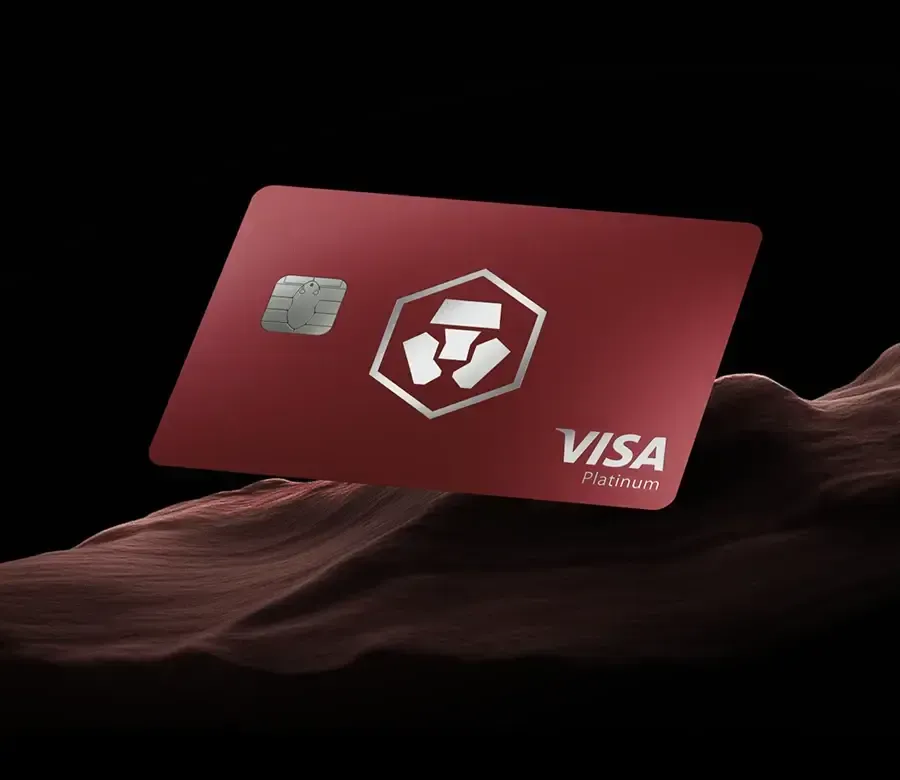
PLUS
2.0%
back in crypto · on every spend
€3.99 / month
or €39.90/year (€3.32/month)
Zero trading fees up to $20K/month
2.0% back in crypto on card spend
0% foreign exchange fees
EUR Cash Yield up to 1.35% p.a.
CRO Yield up to 2.00% p.a.
Virtual Visa card · Flexible cancel
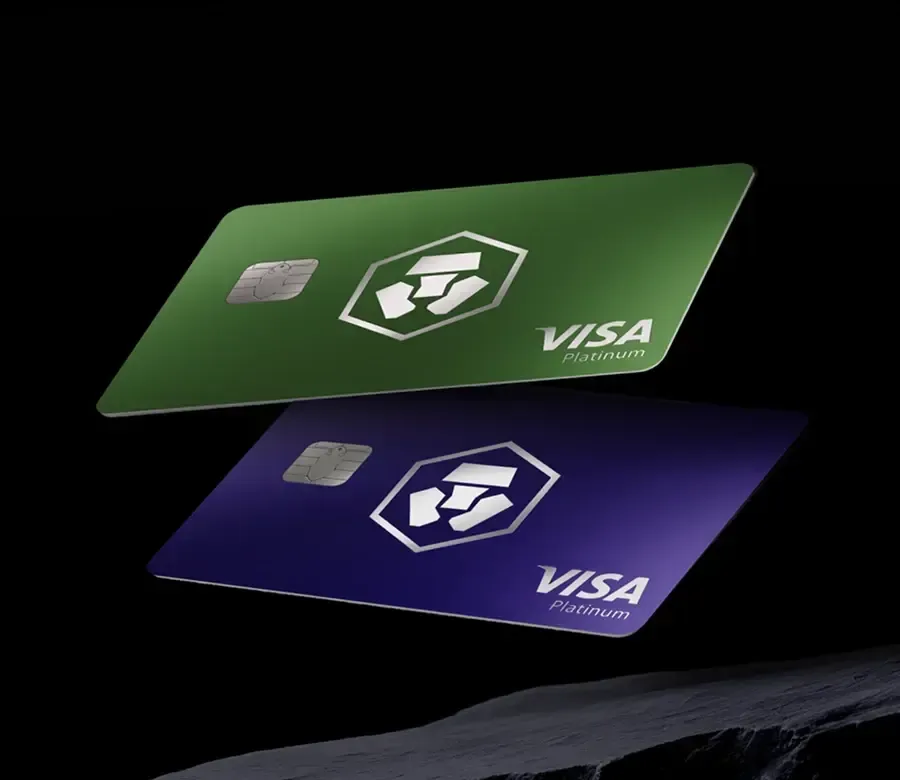
PRO
3.0%
back in crypto · on every spend
€24.99 / month
or €249.90/year (€20.82/month)
Zero trading fees up to $50K/month
3.0% back in crypto on card spend
0% foreign exchange fees
EUR Cash Yield up to 1.70% p.a.
CRO Yield up to 2.50% p.a.
Airport lounge access (Priority Pass)
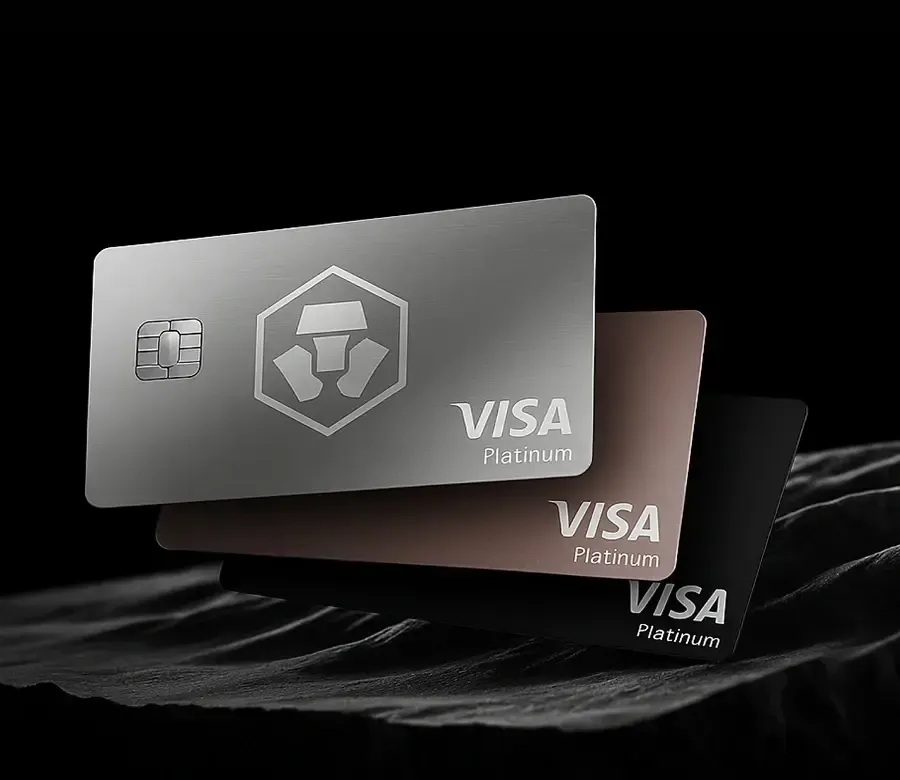
PRIVATE
4–6%
back in crypto · on every spend
CRO Lockup from €45,000
8.5% yield · 12-month staking · €450K tier at 9.5%
Zero trading fees · Unlimited volume
4.0%–6.0% back in crypto
0% foreign exchange fees
EUR Cash Yield up to 1.80% p.a.
Extra 1% p.a. on Earn allocations in CRO
VIP events · Exclusive experiences
8.5% CRO lockup rewards