
Skyscanner vs Alphabet Inc. (Google)
Founding story, key facts and history — side by side.
Skyscanner
Triggered by a founder's frustration with finding cheap ski flights, it grew into a global meta-search giant bought for £1.4 billion.
| Founded | 2003 |
| Founders | Gareth Williams, Bonamy Grimes, Barry Smith |
| HQ | Edinburgh, Scotland |
| Symbol | 9961 (Hong Kong) |
VS
Alphabet Inc. (Google)
Almost sold for $1 million. The buyer said no. Now facing the biggest antitrust case since Microsoft.
| Founded | 1998 |
| Founders | Larry Page, Sergey Brin |
| HQ | Mountain View, California |
| Symbol | GOOGL |
The Story — Side by Side
2003
The budget ski resort spreadsheet obsession
Skyscanner was created by software developer Gareth Williams, who grew deeply frustrated with the tedious process of manually checking dozens of individual airline websites to find cheap flights to visit his brother in Chamonix, France. He built a massive, complex Excel spreadsheet to track prices, which eventually evolved into a specialized web scraping engine alongside co-founders Bonamy Grimes and Barry Smith. Launched out of Edinburgh in 2003, the platform scraped real-time pricing data directly from low-cost European carriers, presenting it in a clean interface.
2013
The Silicon Valley venture backing scale-up
While early growth was entirely bootstrapped and organic, Skyscanner's exceptional technical data scraping capabilities caught the attention of global institutional investors. In 2013, Silicon Valley venture capital giant Sequoia Capital led a massive funding round that valued the Scottish tech company at $800 million, marking one of Sequoia's most significant investments into the European technology ecosystem. The capital was immediately weaponized to expand Skyscanner's geographic footprint across the highly lucrative North American and Asian markets.
2016
The massive £1.4 billion Trip.com mega-exit
In November 2016, Chinese travel behemoth Ctrip (now globally rebranded as Trip.com Group) executed a major strategic expansion by acquiring Skyscanner for £1.4 billion in cash and stock. The blockbuster acquisition allowed Skyscanner to remain operationally independent in Edinburgh while gaining direct backend access to Trip.com's massive inventory of international rail, hotel, and Chinese corporate travel lines, turning the search engine into a truly comprehensive global mobile travel utility.
2020
The aviation collapse and the direct-booking shift
The near-total grounding of the global aviation sector during the 2020 pandemic forced Skyscanner into severe operational survival mode, leading to a major cost-cutting restructuring that eliminated roughly 20% of its staff. To combat the structural decline in traditional meta-search click-out revenue, the engineering team accelerated the deployment of its Direct Booking platform, allowing users to purchase airline tickets directly inside the Skyscanner mobile application interface without ever leaving the platform.
2026
The clean tech architecture and carbon tracking engine
By mid-2026, Skyscanner successfully capitalized on the complete structural resurgence of global international flight volume, processing over 110 million monthly active users. Operating as a critical international growth driver for parent entity Trip.com Group, the tech firm successfully scaled its advanced, automated NDC (New Distribution Capability) airline ticketing integrations. The platform heavily integrated automated carbon-emissions routing calculators, driving independent net platform revenues past £320 million.
1996
BackRub: the search engine with an ugly name
Larry Page and Sergey Brin met at Stanford in 1995. By 1996 they had built a search engine called BackRub — named after its method of analysing backlinks. It ran on Stanford's servers and consumed so much bandwidth that the university repeatedly asked them to take it down.
1998
The $100,000 cheque for a company that didn't exist
Sun Microsystems co-founder Andy Bechtolsheim wrote Google a cheque for $100,000 in August 1998 after a brief demo in a Stanford parking lot. There was one problem: Google Inc. didn't exist yet. Page and Brin had to incorporate the company before they could cash it.
1999
They tried to sell Google for $1 million
In 1999, Page and Brin tried to sell Google to Excite CEO George Bell for $1 million. Bell turned them down — the search was too good, it would send users away from Excite's portal too quickly. Bell later called it the worst decision of his career. Excite filed for bankruptcy in 2001. Google became worth more than $2 trillion.
2023
Code red: the ChatGPT war begins
When OpenAI launched ChatGPT in November 2022, Google declared an internal "code red." The company that had invented the transformer architecture — the technology that made ChatGPT possible — had published its research openly and was now scrambling to compete with the system it had inadvertently enabled. Google rushed Bard to market. It made a factual error in its first public demo. The stock dropped $100 billion in a single day. Google's search share fell from 80% to under 70% as users migrated to ChatGPT, Perplexity, and Claude.
2025
The antitrust ruling that changed everything
In September 2025, a U.S. federal court ruled that Google had illegally maintained its monopoly in search, ordering the company to end exclusive distribution contracts with Apple, device manufacturers, and browser makers. The Apple deal alone had been worth approximately $20 billion per year to keep Google as the default search engine on Safari. The court stopped short of forcing Google to sell Chrome or Android, but the ruling was the most consequential antitrust action against a technology company since the Microsoft case of 1998. Google announced it would appeal. The case is expected to reach the Supreme Court.
Tools & Platforms
For Investors
The market doesn't care about your feelings.
But your broker's fees do.
But your broker's fees do.
Most people have a brokerage account. Fewer understand what it really costs them — in spreads, in fees, in missed instruments. Malta-regulated, direct market access, 600,000+ instruments.
Exante
Malta MFSA · 50 exchanges
Tickmill
Forex from 0.0 pips
Vantage
Multi-asset trading
Polymarket
Prediction markets
For Entrepreneurs
Opening a US company costs $300.
Most people think it's complicated. It isn't.
Most people think it's complicated. It isn't.
Most founders spend weeks on formation, banking and payments. The ones who move fast know which tools to use before they start. A US LLC, a real business account, and a way to pay people — in that order.
Mercury
Business finance · 300K+ founders
Doola
US LLC formation · YC backed
Melio
B2B payments
Xero 95% OFF
Accounting · 6 months
For C-Suite
Your competitor pays $200 less per month for EOR.
You're still on a spreadsheet.
You're still on a spreadsheet.
BVNK hired 20% of its workforce through Deel. The smartest operators aren't managing payroll complexity — they're outsourcing it. EOR in 150+ countries, multi-currency accounts, workforce payments at $200 less per month than competitors.
Deel
EOR · 150+ countries
Payoneer
$399/mo EOR · Save $200
Wise Business
40+ currencies · No hidden fees
Gusto
US payroll & benefits
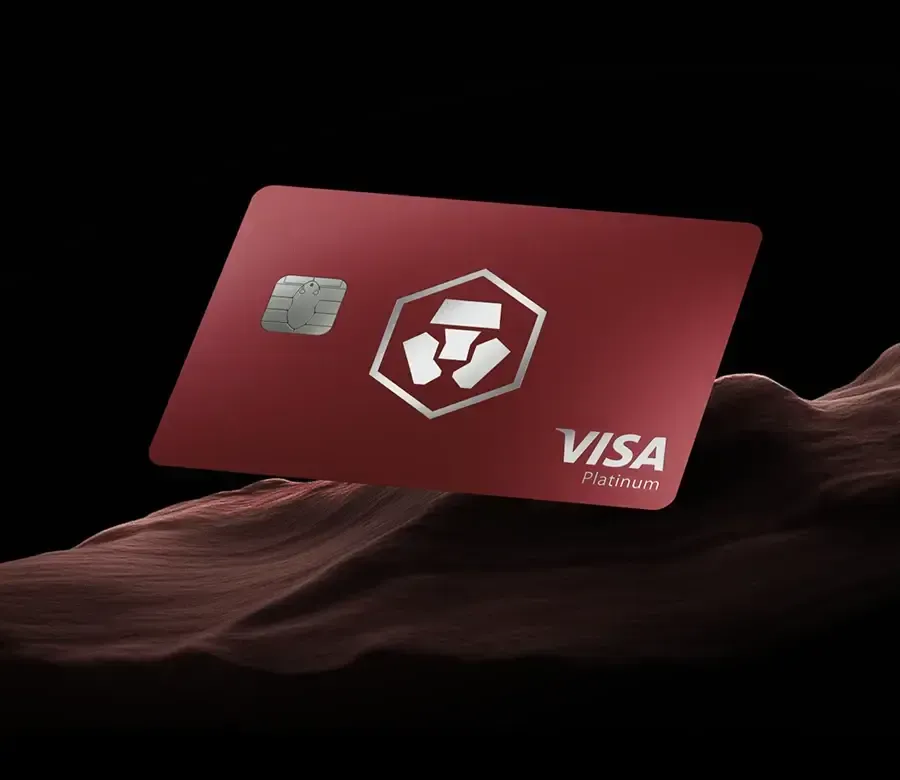
PLUS
2.0%
back in crypto · on every spend
€3.99 / month
or €39.90/year (€3.32/month)
Zero trading fees up to $20K/month
2.0% back in crypto on card spend
0% foreign exchange fees
EUR Cash Yield up to 1.35% p.a.
CRO Yield up to 2.00% p.a.
Virtual Visa card · Flexible cancel
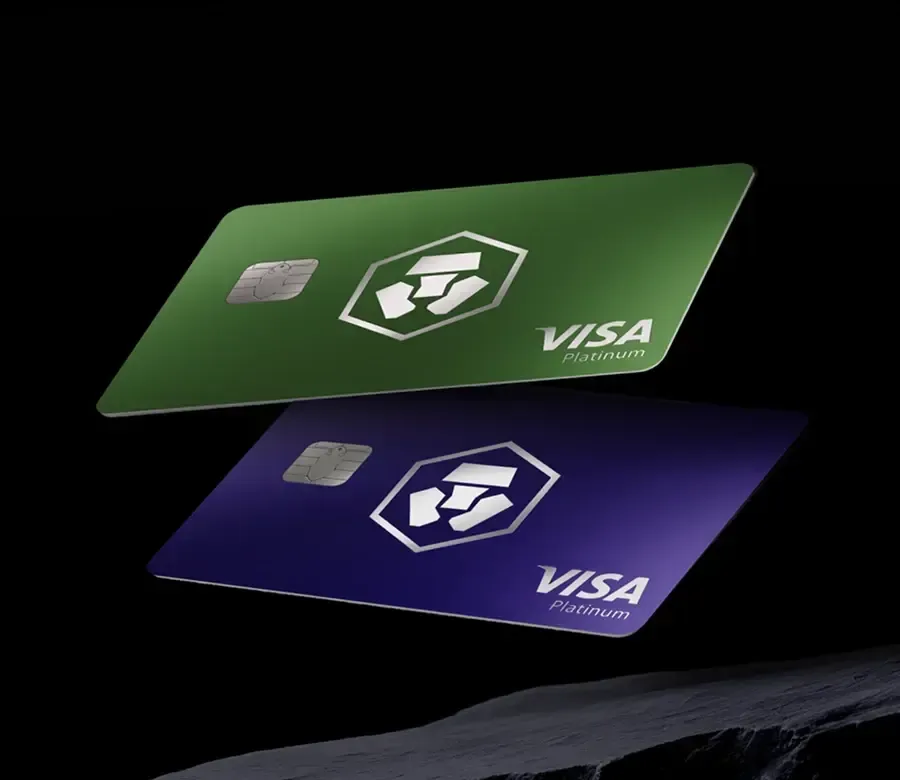
PRO
3.0%
back in crypto · on every spend
€24.99 / month
or €249.90/year (€20.82/month)
Zero trading fees up to $50K/month
3.0% back in crypto on card spend
0% foreign exchange fees
EUR Cash Yield up to 1.70% p.a.
CRO Yield up to 2.50% p.a.
Airport lounge access (Priority Pass)
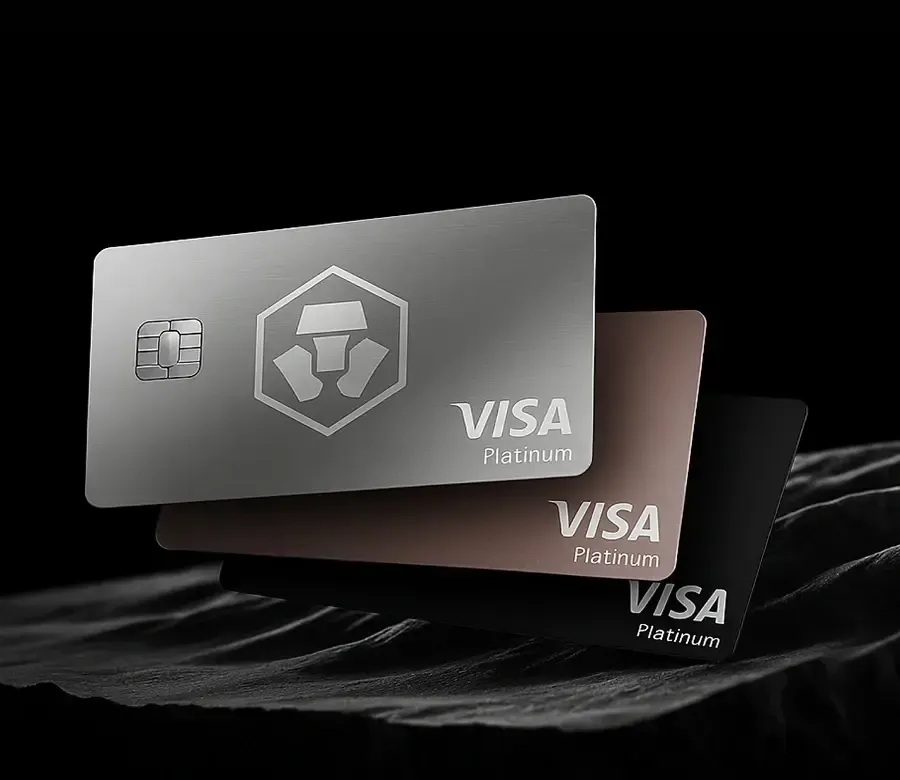
PRIVATE
4–6%
back in crypto · on every spend
CRO Lockup from €45,000
8.5% yield · 12-month staking · €450K tier at 9.5%
Zero trading fees · Unlimited volume
4.0%–6.0% back in crypto
0% foreign exchange fees
EUR Cash Yield up to 1.80% p.a.
Extra 1% p.a. on Earn allocations in CRO
VIP events · Exclusive experiences
8.5% CRO lockup rewards