
Snap vs Instagram (Meta)
Founding story, key facts and history — side by side.
Snap
Rejected $3 billion from Facebook at age 23. Then watched Facebook copy everything. Stock never recovered.
| Founded | 2011 |
| Founders | Evan Spiegel, Bobby Murphy, Reggie Brown |
| HQ | Santa Monica, California |
| Symbol | SNAP |
VS

Instagram (Meta)
13 employees. $1 billion. Eight days. Now 3 billion users.
| Founded | 2010 |
| Founders | Kevin Systrom, Mike Krieger |
| HQ | Menlo Park, California |
| Symbol | META |
The Story — Side by Side
2011
A class project and a lawsuit
Evan Spiegel pitched the concept of disappearing photo messages as a class project at Stanford in 2011. His classmates Bobby Murphy and Reggie Brown helped build the first version. The app launched as Picaboo in July 2011, renamed Snapchat in September 2011. Brown was pushed out of the company shortly after launch; he later sued Spiegel and Murphy, claiming they had stolen the original concept. The lawsuit was settled for an undisclosed amount. Brown's name was not included when Snap went public.
2013
Zuckerberg offers $3 billion. Spiegel says no.
Mark Zuckerberg flew to Los Angeles in November 2013 to meet Evan Spiegel in person and offer $3 billion in cash to acquire Snapchat. Spiegel, then 23 years old, turned him down. The decision was widely criticised — $3 billion for a company less than two years old with no revenue seemed extraordinary. Spiegel believed Snapchat would be worth far more. Within a year, Snapchat was raising money at a $10 billion valuation.
2013
Stories: the feature Facebook had to steal
Snapchat launched Stories in 2013 — a format allowing users to post photos and videos visible for 24 hours before disappearing. The format was so successful that Facebook copied it directly into Instagram in 2016, then WhatsApp, then Facebook itself. Zuckerberg acknowledged the copying openly. Instagram Stories rapidly overtook Snapchat's Stories in daily users. The company that had rejected Facebook's $3 billion acquisition watched Facebook replicate its most innovative feature and deploy it across platforms with a combined user base ten times larger than Snapchat's.
2017
IPO at $24 billion — and the permanent control structure
Snap went public in March 2017 at $17 per share, valuing the company at $24 billion — making Spiegel one of the youngest self-made billionaires in history. The IPO gave Spiegel and Murphy shares with ten times the voting rights of public shareholders, giving them permanent control regardless of investor sentiment. Snap's user growth subsequently slowed dramatically as Instagram Stories captured the casual user market.
2024
$5.3 billion in revenue — stuck below $17 a share
Snap reported revenues of $5.3 billion for 2024 — up 16% — with 443 million daily active users. The company had successfully built a large, profitable-ish advertising business. But the stock had never recovered to its $17 IPO price since falling 80% in the 18 months following the IPO, reflecting investor skepticism about Snap's ability to grow beyond its core teenage demographic and compete with TikTok, Instagram Reels, and YouTube Shorts for creator content. The founder who had rejected $3 billion at 23 had built a $12 billion market cap company — real, but a fraction of what the rejection had been expected to yield.
Instagram (Meta) 2010
Burbn becomes Instagram
Kevin Systrom originally built an app called Burbn — a location check-in service heavily inspired by Foursquare. It had too many features and users were confused. Systrom and his co-founder Mike Krieger stripped everything out except one feature that users actually loved: photo sharing with filters. They renamed it Instagram and launched on October 6, 2010. It hit one million users in three months.
2012
$1 billion, 13 employees, zero revenue
On April 9, 2012, Facebook acquired Instagram for approximately $1 billion in cash and stock. Instagram had 13 employees, no revenue, and had been operating for 551 days. The deal was negotiated personally between Mark Zuckerberg and Kevin Systrom over eight days, without the board being told first. Zuckerberg later said he was afraid Instagram would become what Facebook could have been if it had focused on mobile earlier. By 2018, Instagram was worth an estimated $100 billion — 100 times the acquisition price.
2018
The founders walk out
In September 2018, both Kevin Systrom and Mike Krieger resigned from Instagram simultaneously, citing growing friction with Zuckerberg over autonomy and direction. Zuckerberg had begun integrating Instagram more deeply into Facebook's infrastructure, overriding product decisions the founders had made. The departure was one of the most consequential in social media history — leaving Instagram without the creative vision that had built it.
2020
Reels, TikTok, and the identity crisis
When TikTok exploded globally in 2020, Instagram launched Reels — a near-identical short video format. Instagram head Adam Mosseri announced the app was "no longer a photo-sharing app." Long-term users were furious. The app that had been built around the beauty of a single photograph was now competing with TikTok for 15-second dances. The pivot worked commercially but cost Instagram its distinct identity.
2025
3 billion users and the AI creative era
By September 2025, Instagram had reached 3 billion monthly active users — making it one of only three apps ever to reach that scale, alongside Facebook and WhatsApp. Meta's AI-powered ad tools, which used Reels and Feed targeting to drive conversions, generated $46.6 billion in ad revenue for Meta in Q2 2025 alone. Instagram's Generative Ads Recommendation Model delivered a 5% increase in conversions that quarter. The app that Kevin Systrom had built as a simple photo filter had become one of the most powerful advertising machines in history.
Tools & Platforms
For Investors
The market doesn't care about your feelings.
But your broker's fees do.
But your broker's fees do.
Most people have a brokerage account. Fewer understand what it really costs them — in spreads, in fees, in missed instruments. Malta-regulated, direct market access, 600,000+ instruments.
Exante
Malta MFSA · 50 exchanges
Tickmill
Forex from 0.0 pips
Vantage
Multi-asset trading
Polymarket
Prediction markets
For Entrepreneurs
Opening a US company costs $300.
Most people think it's complicated. It isn't.
Most people think it's complicated. It isn't.
Most founders spend weeks on formation, banking and payments. The ones who move fast know which tools to use before they start. A US LLC, a real business account, and a way to pay people — in that order.
Mercury
Business finance · 300K+ founders
Doola
US LLC formation · YC backed
Melio
B2B payments
Xero 95% OFF
Accounting · 6 months
For C-Suite
Your competitor pays $200 less per month for EOR.
You're still on a spreadsheet.
You're still on a spreadsheet.
BVNK hired 20% of its workforce through Deel. The smartest operators aren't managing payroll complexity — they're outsourcing it. EOR in 150+ countries, multi-currency accounts, workforce payments at $200 less per month than competitors.
Deel
EOR · 150+ countries
Payoneer
$399/mo EOR · Save $200
Wise Business
40+ currencies · No hidden fees
Gusto
US payroll & benefits
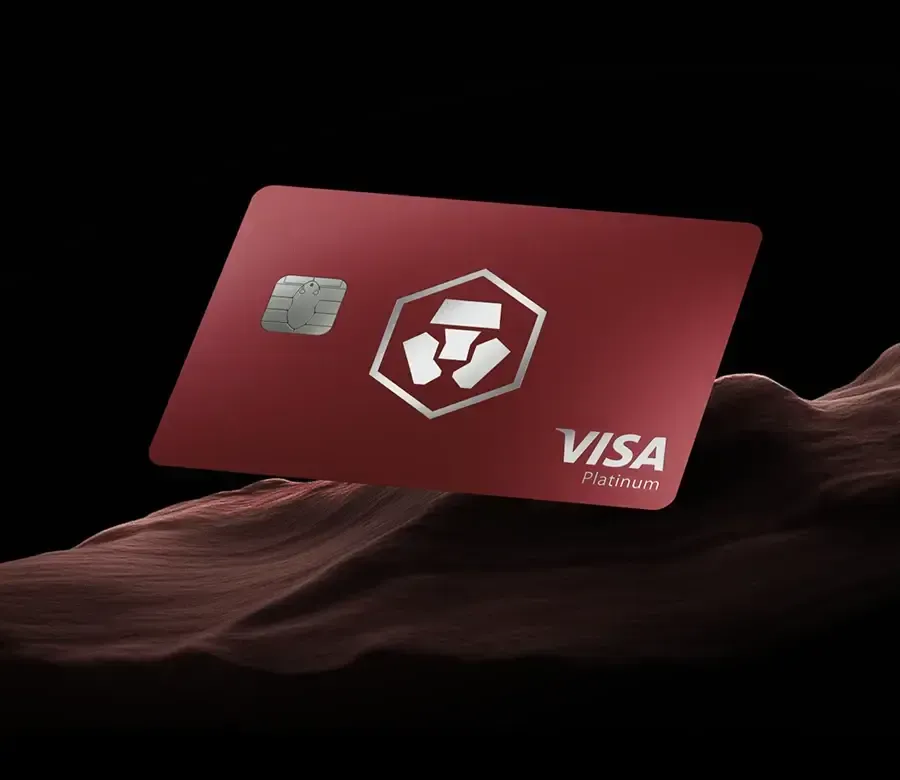
PLUS
2.0%
back in crypto · on every spend
€3.99 / month
or €39.90/year (€3.32/month)
Zero trading fees up to $20K/month
2.0% back in crypto on card spend
0% foreign exchange fees
EUR Cash Yield up to 1.35% p.a.
CRO Yield up to 2.00% p.a.
Virtual Visa card · Flexible cancel
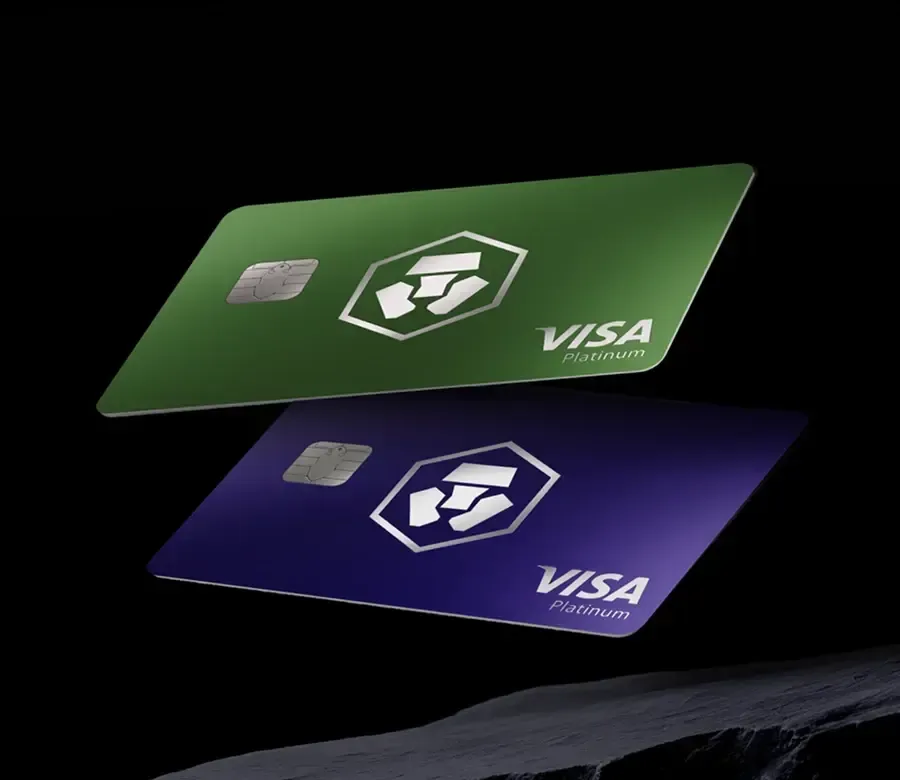
PRO
3.0%
back in crypto · on every spend
€24.99 / month
or €249.90/year (€20.82/month)
Zero trading fees up to $50K/month
3.0% back in crypto on card spend
0% foreign exchange fees
EUR Cash Yield up to 1.70% p.a.
CRO Yield up to 2.50% p.a.
Airport lounge access (Priority Pass)
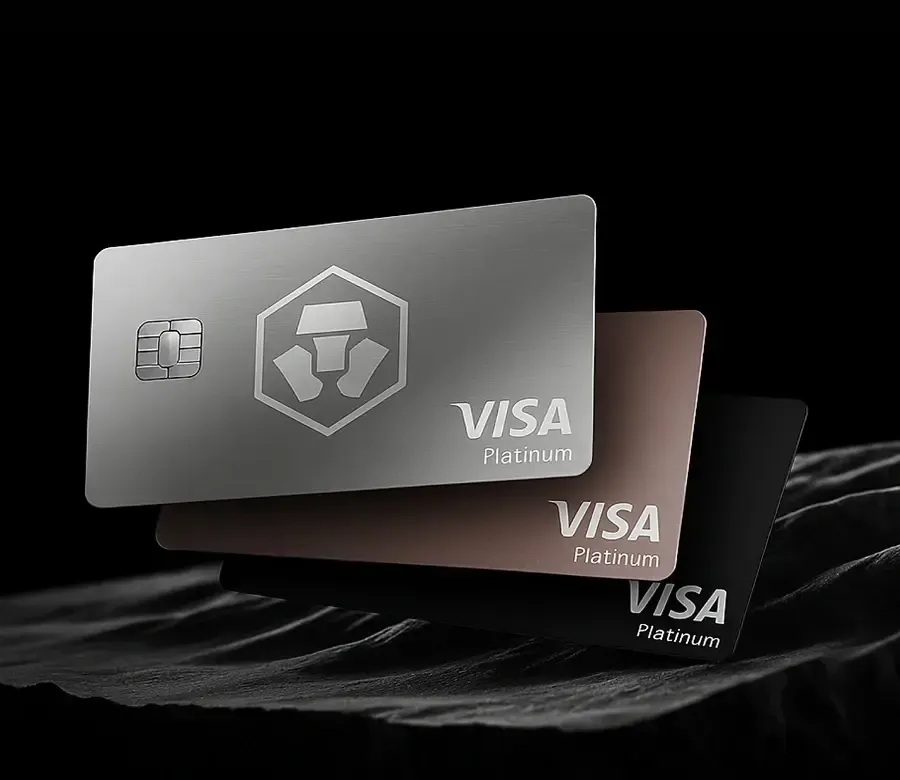
PRIVATE
4–6%
back in crypto · on every spend
CRO Lockup from €45,000
8.5% yield · 12-month staking · €450K tier at 9.5%
Zero trading fees · Unlimited volume
4.0%–6.0% back in crypto
0% foreign exchange fees
EUR Cash Yield up to 1.80% p.a.
Extra 1% p.a. on Earn allocations in CRO
VIP events · Exclusive experiences
8.5% CRO lockup rewards