
Spotify vs YouTube
Founding story, key facts and history — side by side.
Spotify
Built to kill piracy. Finally turned a profit — 18 years later.
| Founded | 2006 |
| Founders | Daniel Ek, Martin Lorentzon |
| HQ | Stockholm, Sweden |
| Symbol | SPOT |
VS
YouTube
Three PayPal employees built YouTube in a garage in 2005. Google bought it for $1.65 billion in 2006. It now generates $36 billion a year and hosts 500 hours of video every minute.
| Founded | 2005 |
| Founders | Chad Hurley, Steve Chen, Jawed Karim |
| HQ | San Bruno, California |
| Symbol | GOOGL (Nasdaq) — Alphabet subsidiary |
The Story — Side by Side
2006
The Napster problem
Daniel Ek founded Spotify in Stockholm in 2006 at age 23. His thesis was simple: piracy exists because buying music is more inconvenient than stealing it. If you could make legal music more convenient than piracy, people would pay. Ek had grown up in Sweden, where Napster and The Pirate Bay had made music theft the cultural norm. He understood the pirate's psychology because he had been one.
2008
Two years of music industry negotiations
Before Spotify could launch, Ek spent two years negotiating licensing deals with the four major music labels — Universal, Sony, Warner, and EMI. Every one of them initially refused. Ek eventually convinced them by offering equity stakes in Spotify itself — giving the labels a financial incentive to make the platform succeed. It worked. Spotify launched and the labels became its most ambivalent business partners: dependent on Spotify for most of their streaming revenue while simultaneously lobbying for higher royalty rates that would destroy Spotify's economics.
2018
The unusual IPO
Spotify went public in April 2018 through a direct listing rather than a traditional IPO — meaning it sold no new shares and raised no new capital. The move bypassed investment banks and their fees. It was the largest direct listing in history at the time and became a template that Slack and Palantir would later follow.
2023
Layoffs and the podcasting reckoning
In 2023, Spotify laid off 1,600 employees — 17% of its workforce — after a costly bet on podcasting failed to deliver the margins Ek had promised investors. Spotify had paid $1 billion to acquire podcast networks including Gimlet and Anchor. The returns were disappointing. The company refocused on its core music business and began cutting costs aggressively.
2025
700 million users and the first full year of profit
2024 was the year Spotify finally proved it could make money: the company posted its first full year of operating profitability, with €1.4 billion in operating income. By Q3 2025, Spotify had surpassed 700 million monthly active users and 281 million paying subscribers — more than double Netflix's subscriber count. The company that had spent 18 years being asked when it would become profitable had quietly become one of the most dominant consumer platforms in the world. Daniel Ek, still CEO, described 2025 as the beginning of Spotify's next chapter.
2005
A PayPal garage and a Super Bowl wardrobe malfunction
YouTube was founded in February 2005 by Chad Hurley, Steve Chen, and Jawed Karim — all former PayPal employees who had been enriched by eBay's $1.5 billion acquisition of the payment company. The founding story most commonly told: they wanted to share videos from a party and couldn't find a simple way to do it online. Karim later gave a different origin: he wanted to find video of Janet Jackson's Super Bowl wardrobe malfunction from February 2004 and the Asian tsunami from December 2004, and discovered that neither was easily findable online. The gap in the market was clear. YouTube launched publicly in November 2005 from a garage in Menlo Park.
2006
Google pays $1.65 billion — one of the best acquisitions in history
In October 2006, Google acquired YouTube for $1.65 billion in stock — then considered a significant premium for a company that was eighteen months old, had no meaningful revenue, and was facing massive copyright infringement lawsuits from Viacom and others. The strategic logic was overwhelming: Google had tried to build Google Video and failed to attract users at the scale YouTube had achieved organically. YouTube had 100 million video views per day at the time of acquisition. By any subsequent measure, $1.65 billion was an extraordinary bargain. At YouTube's current revenue run rate, Google recouped the acquisition price in approximately three weeks of advertising revenue.
2012
One billion monthly users — and the mobile video revolution
YouTube reached one billion monthly unique users in March 2012. The shift to mobile — accelerated by iPhone and Android adoption — transformed YouTube's usage patterns: users who had previously watched videos at a desktop for 5-10 minutes now watched on phones for 40+ minutes daily, during commutes, in bed, while eating. YouTube became the world's second-largest search engine by query volume (behind Google itself) as users searched it for how-to tutorials, music, product reviews, and entertainment. The platform launched the Partner Programme in 2007, allowing creators to share advertising revenue — creating the first large-scale creator economy where individuals could build businesses around video content.
2015
YouTube Premium, Shorts, and the TikTok threat
YouTube launched YouTube Premium (originally YouTube Red) in 2015 — a subscription tier removing advertising and providing original content — as a hedge against advertising dependence and platform competition. The TikTok challenge from 2018 onwards was the most serious competitive threat YouTube had faced: short-form vertical video was taking time from YouTube, particularly among younger users. YouTube's response was YouTube Shorts, launched globally in 2021, which reached 70 billion daily views by 2023. Shorts created a new discovery mechanism for creators and kept users within the YouTube ecosystem rather than defecting to TikTok entirely.
2024
$36 billion revenue — 500 hours per minute — TV market challenger
Alphabet disclosed YouTube advertising revenue of approximately $36 billion for fiscal 2024. The platform hosted content representing 500 hours of video uploaded every minute, accessed by more than 2.5 billion monthly users. YouTube had become the most-watched streaming platform on connected TVs in the United States — overtaking Netflix in TV viewership share. The creator economy YouTube had pioneered had become an industry employing millions globally: top YouTube channels generated tens of millions of dollars annually, and the average American viewer watched YouTube more than any other streaming service. The three PayPal employees who had built a video-sharing site in a garage in 2005 had inadvertently created the most consequential video platform in human history.
Tools & Platforms
For Investors
The market doesn't care about your feelings.
But your broker's fees do.
But your broker's fees do.
Most people have a brokerage account. Fewer understand what it really costs them — in spreads, in fees, in missed instruments. Malta-regulated, direct market access, 600,000+ instruments.
Exante
Malta MFSA · 50 exchanges
Tickmill
Forex from 0.0 pips
Vantage
Multi-asset trading
Polymarket
Prediction markets
For Entrepreneurs
Opening a US company costs $300.
Most people think it's complicated. It isn't.
Most people think it's complicated. It isn't.
Most founders spend weeks on formation, banking and payments. The ones who move fast know which tools to use before they start. A US LLC, a real business account, and a way to pay people — in that order.
Mercury
Business finance · 300K+ founders
Doola
US LLC formation · YC backed
Melio
B2B payments
Xero 95% OFF
Accounting · 6 months
For C-Suite
Your competitor pays $200 less per month for EOR.
You're still on a spreadsheet.
You're still on a spreadsheet.
BVNK hired 20% of its workforce through Deel. The smartest operators aren't managing payroll complexity — they're outsourcing it. EOR in 150+ countries, multi-currency accounts, workforce payments at $200 less per month than competitors.
Deel
EOR · 150+ countries
Payoneer
$399/mo EOR · Save $200
Wise Business
40+ currencies · No hidden fees
Gusto
US payroll & benefits
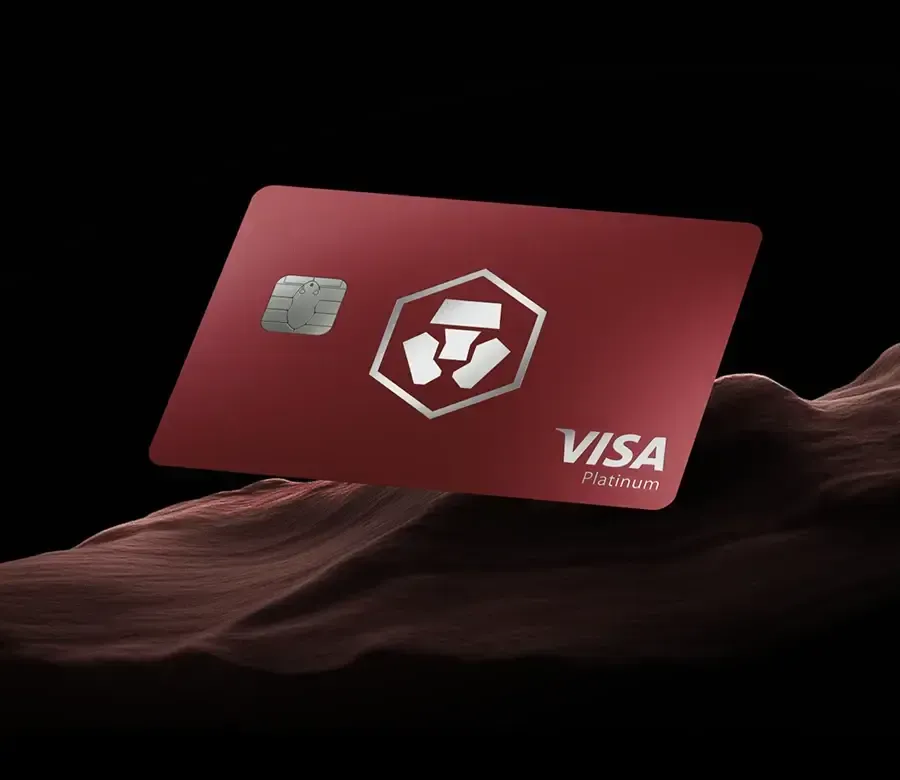
PLUS
2.0%
back in crypto · on every spend
€3.99 / month
or €39.90/year (€3.32/month)
Zero trading fees up to $20K/month
2.0% back in crypto on card spend
0% foreign exchange fees
EUR Cash Yield up to 1.35% p.a.
CRO Yield up to 2.00% p.a.
Virtual Visa card · Flexible cancel
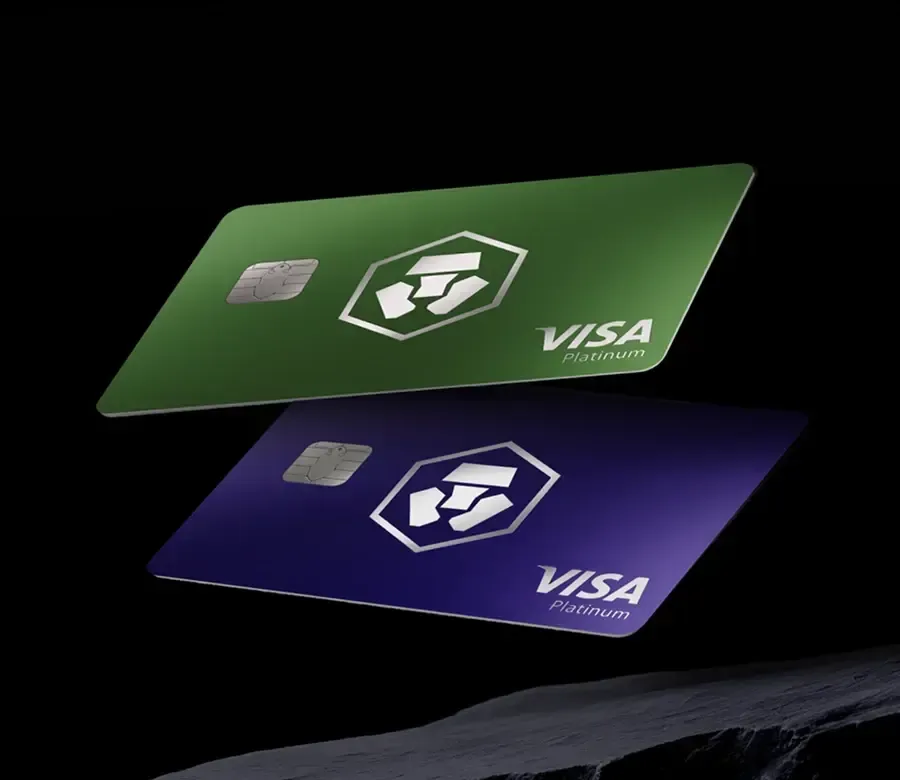
PRO
3.0%
back in crypto · on every spend
€24.99 / month
or €249.90/year (€20.82/month)
Zero trading fees up to $50K/month
3.0% back in crypto on card spend
0% foreign exchange fees
EUR Cash Yield up to 1.70% p.a.
CRO Yield up to 2.50% p.a.
Airport lounge access (Priority Pass)
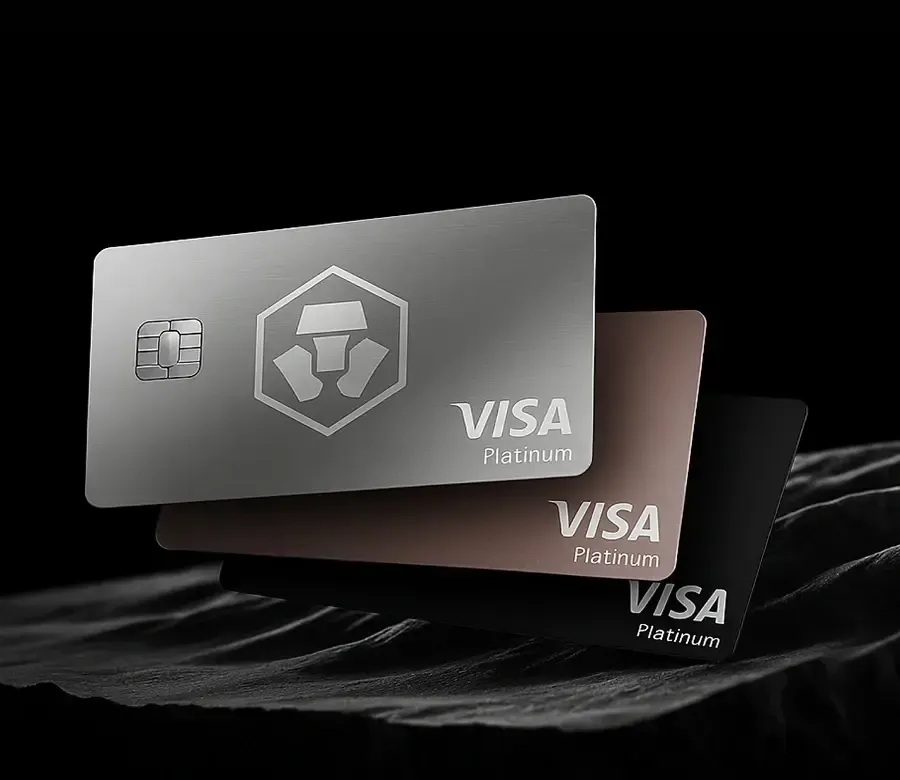
PRIVATE
4–6%
back in crypto · on every spend
CRO Lockup from €45,000
8.5% yield · 12-month staking · €450K tier at 9.5%
Zero trading fees · Unlimited volume
4.0%–6.0% back in crypto
0% foreign exchange fees
EUR Cash Yield up to 1.80% p.a.
Extra 1% p.a. on Earn allocations in CRO
VIP events · Exclusive experiences
8.5% CRO lockup rewards