
Starbucks vs McDonald's
Founding story, key facts and history — side by side.
Starbucks
Three academics opened a coffee bean shop in Seattle. A salesman walked in, saw a vision, bought the company for $3.8 million, and built it into the world's most valuable coffee brand.
| Founded | 1971 |
| Founders | Jerry Baldwin, Gordon Bowker, Zev Siegl |
| HQ | Seattle, Washington |
| Symbol | SBUX (Nasdaq) |
VS
McDonald's
Ray Kroc was 52, selling milkshake machines, when he found the restaurant that changed the world.
| Founded | 1940 |
| Founders | Richard McDonald, Maurice McDonald, Ray Kroc |
| HQ | Chicago, Illinois |
| Symbol | MCD |
The Story — Side by Side
1971
Three academics and a Moby Dick character
Starbucks was founded on March 30, 1971 by three friends who shared an academic background and a love of fine coffee: Jerry Baldwin (English literature), Gordon Bowker (writer and journalist), and Zev Siegl (teacher). They opened their first store near Seattle's Pike Place Market, naming it after the first mate in Herman Melville's Moby Dick — a name they felt evoked the romance of the sea and early coffee traders. For the first decade, Starbucks sold only whole coffee beans — not beverages. They sourced Peet's Coffee initially, then roasted their own. They had no idea what the business would become.
1982
Howard Schultz walks in — and sees everything differently
Howard Schultz was working as head of marketing for Hammarplast, a Swedish housewares company, when he noticed Starbucks was ordering a disproportionate number of drip coffee makers. He visited the Pike Place store in 1982, was captivated, and convinced the founders to hire him as marketing director. In 1983, Schultz travelled to Milan and was transformed: Italian espresso bars — the social gathering places where baristas knew customers by name, where coffee was ceremony rather than commodity — showed him what Starbucks could be. He proposed the concept to the founders. They rejected it; they wanted to sell beans, not drinks.
1987
Schultz buys Starbucks for $3.8 million — and builds the coffeehouse vision
Schultz left to found his own espresso bar concept, Il Giornale, in 1985. When the original Starbucks founders decided to sell the company in 1987, Schultz raised the money to buy it. Bill Gates Sr. helped secure the deal when one investor wavered. Schultz paid $3.8 million for Starbucks — 11 stores — and merged it with his Il Giornale locations. He then built the Italian coffeehouse vision in America: not just coffee, but an experience; not just a transaction, but a "third place" between home and work. By 1992, Starbucks had gone public. By 1997, revenue had grown from $55 million to $1.3 billion.
2008
The over-expansion and Schultz returns
Starbucks opened so many locations in the 2000s that stores began cannibalising each other. The company lost what Schultz called its "soul" — its stores smelled like eggs rather than coffee; automation had removed the theatre of handcrafted espresso; growth metrics had overridden experience. In 2008, during the financial crisis, Schultz returned as CEO — having stepped back in 2000 — and oversaw the closure of 900 underperforming stores, comprehensive retraining, and a return to the craft coffee identity. The turnaround worked. Schultz returned again in 2022 as interim CEO after his successor Kevin Johnson stepped down.
2024
$36.2 billion revenue — Brian Niccol — Back to Starbucks
Starbucks reported $36.2 billion in total revenue for fiscal year 2024 (ending September 2024), operating approximately 40,199 stores globally. The year was characterised by declining comparable store sales — down 2% globally — as mobile order complexity, long wait times, and a difficult environment in China eroded traffic. In August 2024, Starbucks ousted CEO Laxman Narasimhan and appointed Brian Niccol — who had transformed Chipotle — as chairman and CEO. Niccol's "Back to Starbucks" strategy aimed to restore the coffeehouse experience: ceramic mugs for in-store customers, markers to write names on cups, reduced menu complexity, and a return to the culture of the Pike Place original. By Q4 FY2025, comparable store sales had turned positive at +3%.
1940
Two brothers and a barbecue stand
Richard and Maurice McDonald opened a barbecue restaurant in San Bernardino, California in 1940. After analysing their sales data, they discovered that hamburgers, french fries, and milkshakes accounted for 80% of their revenue. In 1948, they closed the restaurant for three months, fired their carhops, and reopened with a radically simplified menu of nine items. The Speedee Service System — an assembly-line kitchen based on Henry Ford's manufacturing principles — could produce a hamburger in 30 seconds. Prices were cut by 50%. Lines formed around the block.
1954
Ray Kroc and the milkshake machine
Ray Kroc was a 52-year-old milkshake machine salesman when he noticed that a single McDonald's restaurant in San Bernardino had ordered eight of his Multi-Mixer machines — enough to make 40 milkshakes simultaneously. Curious, he drove to California and was astonished by the operation he found: fast, consistent, and enormously popular. He proposed franchising. The McDonald brothers were content with their single successful restaurant. Kroc eventually convinced them and signed a franchise agreement in 1954.
1961
Buying out the brothers for $2.7 million
Kroc bought the McDonald's name and concept from the brothers in 1961 for $2.7 million. The brothers retained their original San Bernardino restaurant, which they renamed "The Big M." Kroc opened a McDonald's directly across the street and drove them out of business. He later said he was not proud of it. Richard McDonald died in 1998 with a net worth of approximately $1.8 million — a fraction of what his name had generated. The original brothers received nothing from the subsequent growth of the McDonald's empire.
2004
Super Size Me and the reinvention
Morgan Spurlock's documentary Super Size Me, released in 2004, depicted the health consequences of eating McDonald's three times a day for a month and triggered a global conversation about fast food and obesity. McDonald's discontinued the Super Size option within six weeks of the film's release. The company subsequently invested heavily in menu diversification — salads, wraps, fruit, and coffee — transforming from a burger-only operation into a broader fast food restaurant. The McCafé concept, launched in Australia in 1993 and expanded globally, made McDonald's one of the world's largest coffee retailers.
2025
$26.9 billion revenue — 175 million loyalty members
McDonald's reported full-year 2025 revenues of $26.9 billion — up 3.7% — with systemwide sales growing 7% across its 43,000+ locations in over 100 countries. Global comparable sales increased 3.1%, with the U.S. increasing 2.1% and International Operated Markets increasing 3.2%. The company had 175 million active loyalty members across 60 markets, with systemwide loyalty sales of approximately $30 billion in 2024 — growing 30% year-over-year. Q4 2025 saw U.S. comparable sales increase 6.8%, reflecting recovery from a prior-year period that had been hurt by a widely reported E. coli outbreak linked to the Quarter Pounder. The company that Ray Kroc had built from a milkshake machine discovery was serving roughly 70 million customers per day across the planet.
Tools & Platforms
For Investors
The market doesn't care about your feelings.
But your broker's fees do.
But your broker's fees do.
Most people have a brokerage account. Fewer understand what it really costs them — in spreads, in fees, in missed instruments. Malta-regulated, direct market access, 600,000+ instruments.
Exante
Malta MFSA · 50 exchanges
Tickmill
Forex from 0.0 pips
Vantage
Multi-asset trading
Polymarket
Prediction markets
For Entrepreneurs
Opening a US company costs $300.
Most people think it's complicated. It isn't.
Most people think it's complicated. It isn't.
Most founders spend weeks on formation, banking and payments. The ones who move fast know which tools to use before they start. A US LLC, a real business account, and a way to pay people — in that order.
Mercury
Business finance · 300K+ founders
Doola
US LLC formation · YC backed
Melio
B2B payments
Xero 95% OFF
Accounting · 6 months
For C-Suite
Your competitor pays $200 less per month for EOR.
You're still on a spreadsheet.
You're still on a spreadsheet.
BVNK hired 20% of its workforce through Deel. The smartest operators aren't managing payroll complexity — they're outsourcing it. EOR in 150+ countries, multi-currency accounts, workforce payments at $200 less per month than competitors.
Deel
EOR · 150+ countries
Payoneer
$399/mo EOR · Save $200
Wise Business
40+ currencies · No hidden fees
Gusto
US payroll & benefits
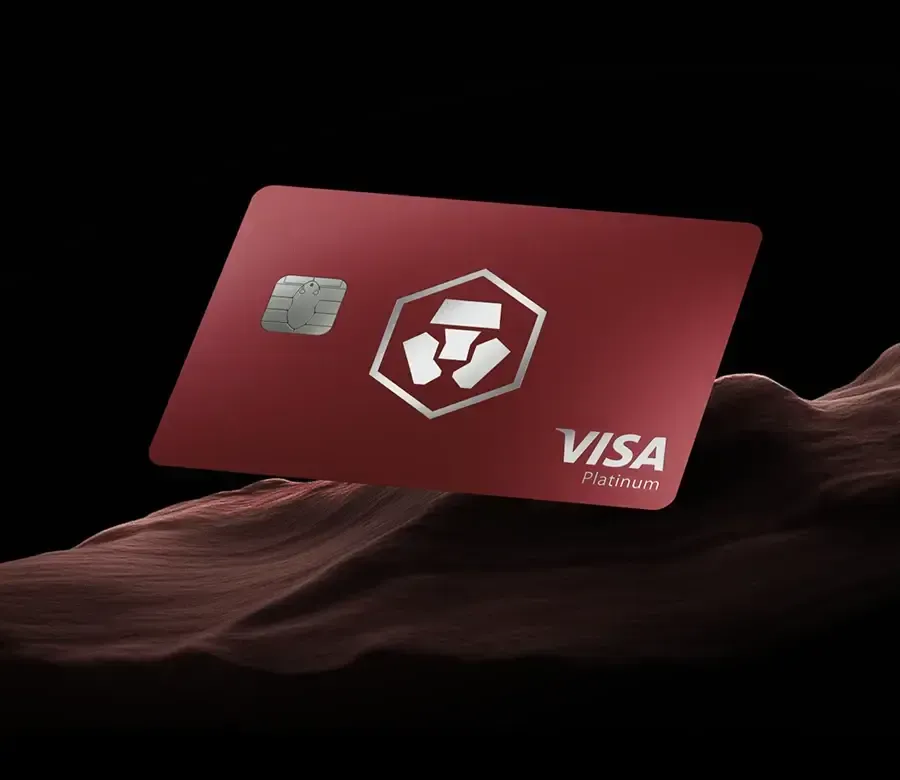
PLUS
2.0%
back in crypto · on every spend
€3.99 / month
or €39.90/year (€3.32/month)
Zero trading fees up to $20K/month
2.0% back in crypto on card spend
0% foreign exchange fees
EUR Cash Yield up to 1.35% p.a.
CRO Yield up to 2.00% p.a.
Virtual Visa card · Flexible cancel
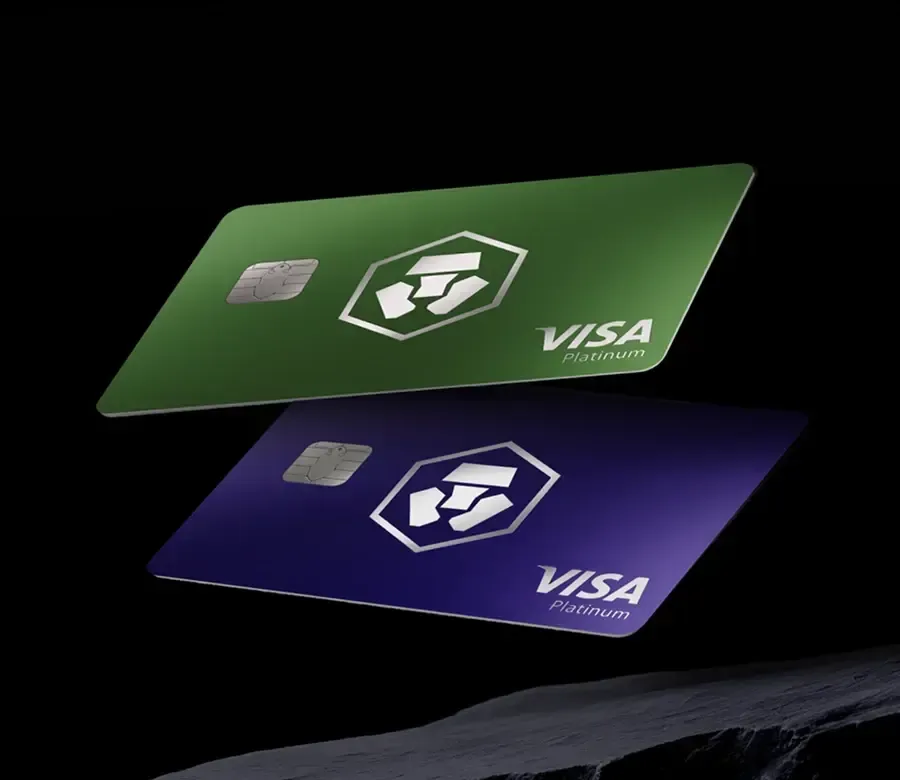
PRO
3.0%
back in crypto · on every spend
€24.99 / month
or €249.90/year (€20.82/month)
Zero trading fees up to $50K/month
3.0% back in crypto on card spend
0% foreign exchange fees
EUR Cash Yield up to 1.70% p.a.
CRO Yield up to 2.50% p.a.
Airport lounge access (Priority Pass)
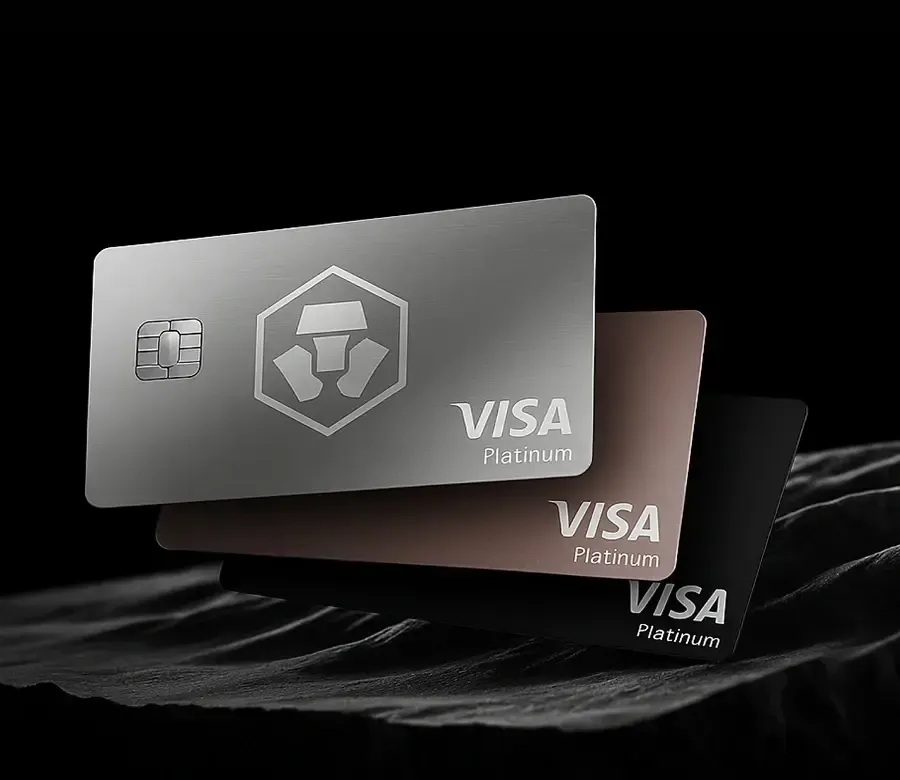
PRIVATE
4–6%
back in crypto · on every spend
CRO Lockup from €45,000
8.5% yield · 12-month staking · €450K tier at 9.5%
Zero trading fees · Unlimited volume
4.0%–6.0% back in crypto
0% foreign exchange fees
EUR Cash Yield up to 1.80% p.a.
Extra 1% p.a. on Earn allocations in CRO
VIP events · Exclusive experiences
8.5% CRO lockup rewards