
Starlink (SpaceX) vs SpaceX
Founding story, key facts and history — side by side.
Starlink (SpaceX)
Elon Musk needed a way to fund Mars. He put 7,000 satellites in orbit. Now Starlink generates $11.4 billion a year and is the only profitable division keeping SpaceX alive.
| Founded | 2015 |
| Founders | Elon Musk / SpaceX |
| HQ | Hawthorne, California |
| Symbol | Private (SpaceX IPO planned 2026) |
VS
SpaceX
Three rockets exploded. The fourth changed everything. Then came the $1.75 trillion IPO.
| Founded | 2002 |
| Founders | Elon Musk |
| HQ | Hawthorne, California |
| Symbol | SPCX |
The Story — Side by Side
2015
A revenue problem and an orbital solution
SpaceX needed money to build Starship and colonise Mars. Rocket launches were profitable but episodic — dependent on NASA contracts, satellite deployments, and the pace of commercial space demand. Elon Musk's solution was structural: put enough satellites in low Earth orbit to provide high-speed internet to anyone on Earth, generating a subscription revenue stream that would be continuous, scalable, and largely independent of the geopolitical variables that complicated government launch contracts. The concept was announced in 2015. The first prototype Starlink satellites launched in 2018. The first 60 operational satellites went up in May 2019 aboard a Falcon 9 rocket.
2020
Beta launch — high latency problem solved from orbit
Traditional satellite internet suffered from latency that made video calls impossible: geostationary satellites orbit at 35,786 kilometres, and the round-trip light travel time alone created delays of 600+ milliseconds. Starlink's constellation orbited at 550 kilometres — close enough for latency of 20-40 milliseconds, comparable to ground-based broadband. The "Better Than Nothing Beta" public launch in October 2020 — at $99 per month for residential service plus $499 for the antenna — attracted 10,000 users immediately. The product worked: rural users who had never had broadband-speed internet were receiving 100+ Mbps download speeds via a pizza-box-sized terminal pointed at the sky.
2022
Ukraine and the geopolitical weapon
When Russia invaded Ukraine in February 2022, Ukrainian forces relied heavily on Starlink for battlefield communications — coordinating drone strikes, artillery, and logistics using the satellite network after terrestrial infrastructure was destroyed. The US government and NATO allies shipped thousands of Starlink terminals to Ukraine. The episode made Starlink simultaneously the most visible military satellite communication system in the world and a source of significant controversy: Elon Musk's decisions about Starlink coverage in Crimea directly affected military operations, giving a private company unprecedented influence over a conflict between nations. Musk's political interventions — including reported conversations with Russian officials — generated extraordinary scrutiny.
2024
4.6 million subscribers — $7.7 billion revenue — the airline market
Starlink reached 4.6 million active subscribers by end of 2024, generating $7.7 billion in revenue — 58% of SpaceX's total. The subscriber base included residential customers in 160+ countries, maritime operators, airlines (United, Southwest, Hawaiian among many), and government clients through the Starshield military satellite division. In July 2025, T-Mobile launched "T-Satellite" using Starlink's Direct-to-Cell technology, extending satellite coverage to standard smartphones across North America without a special terminal. The de minimis exemption that had allowed Starlink to ship hardware cheaply globally had no relevance here — Starlink's growth was in service subscriptions.
2025
10 million subscribers — $11.4 billion — SpaceX's IPO plans $1.5-2 trillion
Starlink surpassed 10 million active subscribers in February 2026, having doubled its user base in twelve months. Revenue reached $11.4 billion in 2025 — a 49% year-on-year increase — with operating profit of $4.42 billion: Starlink was the only profitable segment in SpaceX's business, subsidising the $6.35 billion operating loss of the AI division (following the xAI merger). SpaceX filed a prospectus for a Nasdaq IPO seeking to raise $75-80 billion at a $1.5-2 trillion valuation. Elon Musk retained 85% of voting control through Class B shares. The satellite internet service that had been conceived to fund Mars colonisation had become the most valuable broadband subscription business in the world.
2002
The Russian trip that started everything
In 2001, Elon Musk flew to Moscow to buy refurbished ICBMs to send a greenhouse to Mars — a publicity stunt to reignite public interest in space exploration. The Russians refused to sell, and reportedly laughed at him. On the flight home, Musk opened a spreadsheet and began calculating the cost of building rockets from scratch. He concluded it was cheaper than buying them. SpaceX was incorporated on May 6, 2002 with $100 million of Musk's own money from the PayPal acquisition.
2008
The fourth launch: everything on the line
SpaceX's first three Falcon 1 rockets all exploded. By September 2008, Musk had spent nearly his entire fortune. Tesla was also on the verge of bankruptcy. The fourth Falcon 1 launch on September 28, 2008 was successful — the first privately developed liquid-fuelled rocket to reach orbit in history. Musk broke down in tears at the launch site. Six weeks later, SpaceX won a $1.6 billion NASA contract to resupply the International Space Station.
2015
Landing a rocket upright — and changing the economics of space
On December 21, 2015, SpaceX landed the first stage of a Falcon 9 rocket vertically back at the launch site — something no company had ever done. Reusable rockets cut launch costs by an order of magnitude. SpaceX went from a curiosity to the dominant force in commercial launch services. NASA, the Pentagon, and dozens of commercial satellite operators became customers.
2023
Starship: the most powerful rocket ever built
SpaceX launched Starship — the largest and most powerful rocket ever built — on its first orbital test flight in 2023. The first two attempts ended in spectacular explosions. By the fourth test in 2024, Starship had successfully returned its Super Heavy booster to the launch pad, caught by mechanical arms called "chopsticks." The feat was considered impossible by most aerospace engineers. Starlink, the satellite internet division, had grown to over 4 million subscribers across 100 countries.
2026
The $1.75 trillion IPO
SpaceX went public in June 2026 at a valuation exceeding $1.75 trillion — making it one of the most valuable companies ever to list on a public exchange and the largest IPO in U.S. history. The IPO was the most anticipated market event since Facebook's listing in 2012. On its first day of trading, the stock rose over 19%. The company founded on a spreadsheet calculation on a flight home from Moscow had become worth more than every aerospace company in history combined.
Tools & Platforms
For Investors
The market doesn't care about your feelings.
But your broker's fees do.
But your broker's fees do.
Most people have a brokerage account. Fewer understand what it really costs them — in spreads, in fees, in missed instruments. Malta-regulated, direct market access, 600,000+ instruments.
Exante
Malta MFSA · 50 exchanges
Tickmill
Forex from 0.0 pips
Vantage
Multi-asset trading
Polymarket
Prediction markets
For Entrepreneurs
Opening a US company costs $300.
Most people think it's complicated. It isn't.
Most people think it's complicated. It isn't.
Most founders spend weeks on formation, banking and payments. The ones who move fast know which tools to use before they start. A US LLC, a real business account, and a way to pay people — in that order.
Mercury
Business finance · 300K+ founders
Doola
US LLC formation · YC backed
Melio
B2B payments
Xero 95% OFF
Accounting · 6 months
For C-Suite
Your competitor pays $200 less per month for EOR.
You're still on a spreadsheet.
You're still on a spreadsheet.
BVNK hired 20% of its workforce through Deel. The smartest operators aren't managing payroll complexity — they're outsourcing it. EOR in 150+ countries, multi-currency accounts, workforce payments at $200 less per month than competitors.
Deel
EOR · 150+ countries
Payoneer
$399/mo EOR · Save $200
Wise Business
40+ currencies · No hidden fees
Gusto
US payroll & benefits
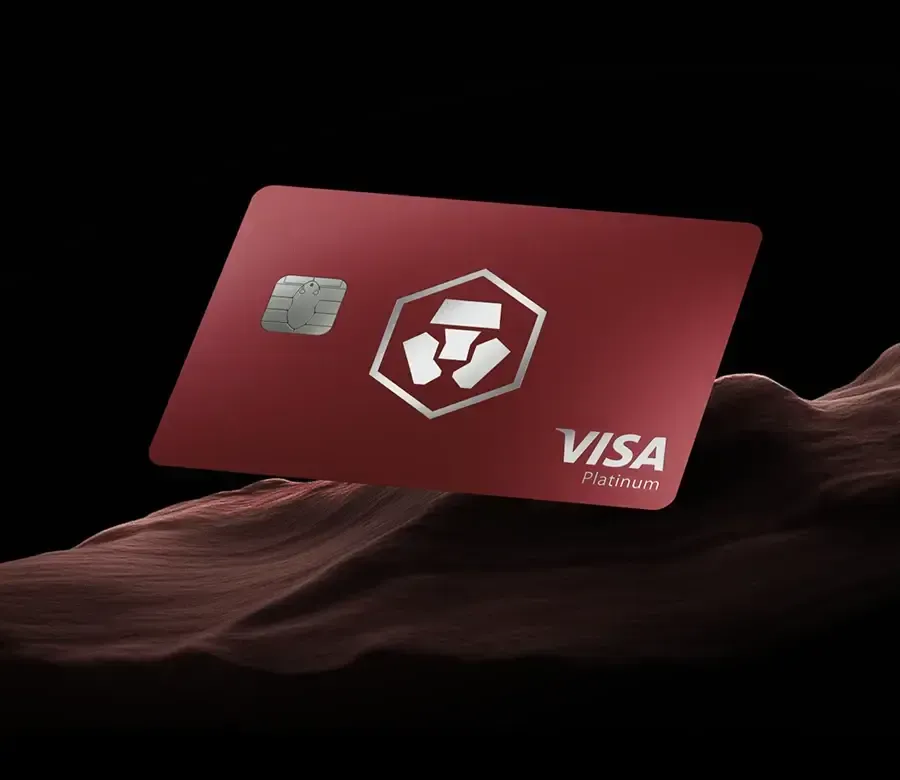
PLUS
2.0%
back in crypto · on every spend
€3.99 / month
or €39.90/year (€3.32/month)
Zero trading fees up to $20K/month
2.0% back in crypto on card spend
0% foreign exchange fees
EUR Cash Yield up to 1.35% p.a.
CRO Yield up to 2.00% p.a.
Virtual Visa card · Flexible cancel
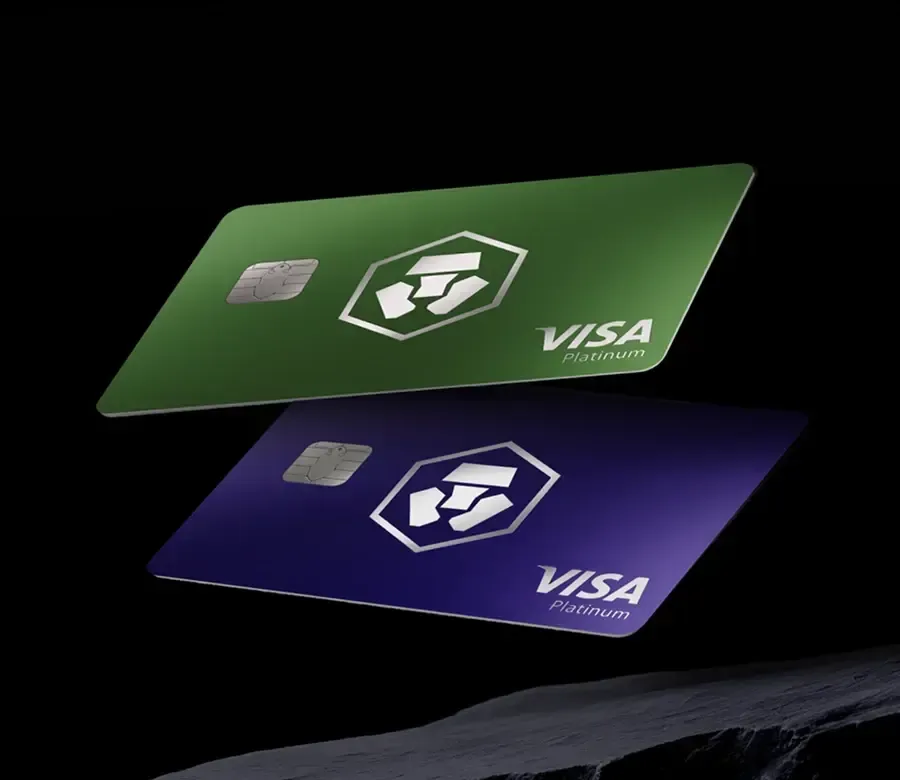
PRO
3.0%
back in crypto · on every spend
€24.99 / month
or €249.90/year (€20.82/month)
Zero trading fees up to $50K/month
3.0% back in crypto on card spend
0% foreign exchange fees
EUR Cash Yield up to 1.70% p.a.
CRO Yield up to 2.50% p.a.
Airport lounge access (Priority Pass)
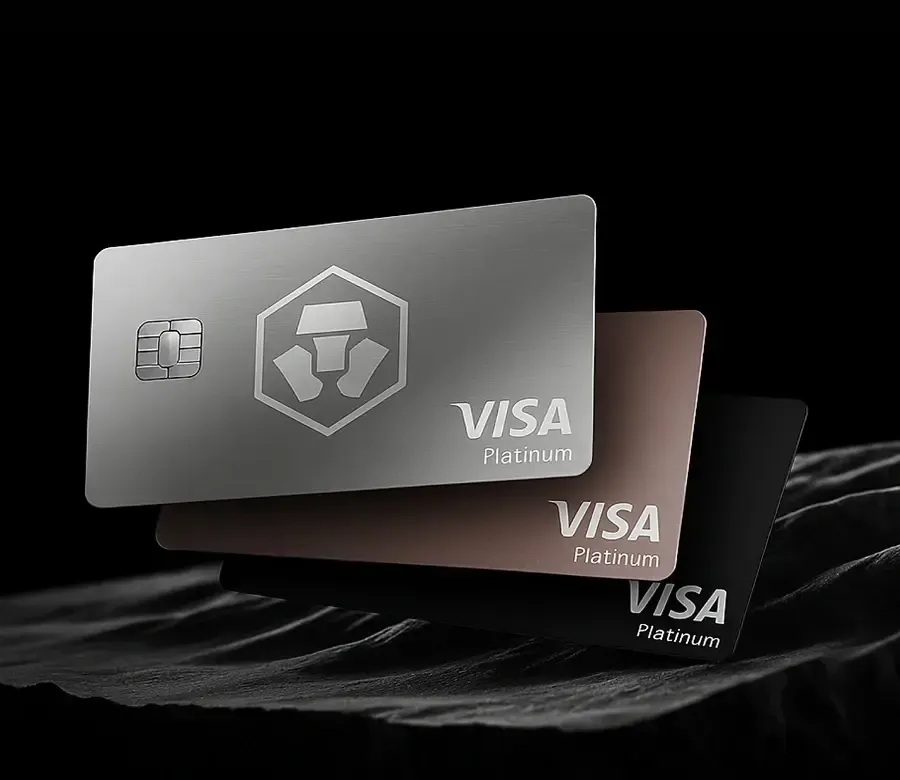
PRIVATE
4–6%
back in crypto · on every spend
CRO Lockup from €45,000
8.5% yield · 12-month staking · €450K tier at 9.5%
Zero trading fees · Unlimited volume
4.0%–6.0% back in crypto
0% foreign exchange fees
EUR Cash Yield up to 1.80% p.a.
Extra 1% p.a. on Earn allocations in CRO
VIP events · Exclusive experiences
8.5% CRO lockup rewards