
T-Mobile US vs AT&T
Founding story, key facts and history — side by side.
T-Mobile US
The rebellious "Un-carrier" that dismantled rigid consumer contract models to capture absolute mid-band 5G network dominance.
| Founded | 1994 |
| Founders | John W. Stanton (As VoiceStream Wireless) |
| HQ | Bellevue, Washington |
| Symbol | NASDAQ: TMUS |
VS
AT&T
The historic "Ma Bell" telephone monopoly that built, split, and rebuilt its empire, resetting its core focus to premium connectivity pipelines.
| Founded | 1885 (Tracing back to Alexander Graham Bell) |
| Founders | Alexander Graham Bell, Gardiner Greene Hubbard |
| HQ | Dallas, Texas |
| Symbol | NYSE: T |
The Story — Side by Side
2001
The VoiceStream acquisition by Deutsche Telekom
The company originated as VoiceStream Wireless, an early pioneer in regional digital GSM network architecture. In 2001, German telecommunications giant Deutsche Telekom acquired VoiceStream for approximately $35 billion, rebranding the North American operating subsidiary as T-Mobile US to scale its international footprint.
2013
The John Legere Un-carrier revolution and contract execution
Led by eccentric, leather-jacket-wearing CEO John Legere, T-Mobile launched its historic "Un-carrier" marketing counter-offensive. The company aggressively abolished traditional multi-year wireless consumer contracts, eliminated international data roaming charges, and subsidized streaming plans, triggering an intense domestic wireless price war.
2020
The massive $26 billion Sprint merger and 5G spectrum capture
T-Mobile successfully finalized its highly complex, multi-year $26 billion merger with rival carrier Sprint after clearing intense federal antitrust review. This landmark transaction handed T-Mobile a massive, highly prized portfolio of mid-band 2.5 GHz radio spectrum, allowing it to leapfrog AT&T and Verizon in 5G network buildouts.
2026
The $14 billion cash return engine and multi-play fiber scale
By mid-2026, T-Mobile US, Inc. dominated corporate free cash flow metrics within the domestic telecom sector, driving a massive $14 billion shareholder capital return pipeline under CEO Mike Sievert. The carrier aggressively expanded its high-margin 5G home broadband services alongside major fiber-to-the-home infrastructure partnerships.
1885
The Bell Telephone legacy and the absolute antitrust breakup
AT&T built an absolute monopoly over global communications via its long-distance telephone network. In a historic 1982 antitrust decree, the company agreed to break itself apart, spinning off its local operations into seven independent regional carriers known as the "Baby Bells," while retaining its long-distance division.
2005
The Baby Bell counter-merger and the legendary Apple iPhone exclusive
SBC Communications, one of the original spun-off Baby Bells, grew large enough to acquire its former parent company for $16 billion, adopting the iconic AT&T corporate brand. In 2007, the company scored a historic technological coup by securing an exclusive multi-year carrier contract for the launch of the original Apple iPhone.
2018
The disastrous $85 billion Time Warner media conglomeration era
AT&T closed its highly controversial $85 billion acquisition of Time Warner, attempting to combine a massive nationwide wireless network with premium Hollywood content. The media empire crumbled under massive debt, forcing AT&T to execute a humbling corporate spin-off to Discovery just a few years later.
2026
The pure telecom restoration and fiber broadband expansion
By mid-2026, AT&T Inc. successfully stabilized its financial trajectory by focusing exclusively on its core wireless and fiber broadband buildout pipelines. Under CEO John Stankey, the legacy carrier actively worked down its debt load while aggressively expanding its high-speed fiber footprint past 30 million customer passings.
Tools & Platforms
For Investors
The market doesn't care about your feelings.
But your broker's fees do.
But your broker's fees do.
Most people have a brokerage account. Fewer understand what it really costs them — in spreads, in fees, in missed instruments. Malta-regulated, direct market access, 600,000+ instruments.
Exante
Malta MFSA · 50 exchanges
Tickmill
Forex from 0.0 pips
Vantage
Multi-asset trading
Polymarket
Prediction markets
For Entrepreneurs
Opening a US company costs $300.
Most people think it's complicated. It isn't.
Most people think it's complicated. It isn't.
Most founders spend weeks on formation, banking and payments. The ones who move fast know which tools to use before they start. A US LLC, a real business account, and a way to pay people — in that order.
Mercury
Business finance · 300K+ founders
Doola
US LLC formation · YC backed
Melio
B2B payments
Xero 95% OFF
Accounting · 6 months
For C-Suite
Your competitor pays $200 less per month for EOR.
You're still on a spreadsheet.
You're still on a spreadsheet.
BVNK hired 20% of its workforce through Deel. The smartest operators aren't managing payroll complexity — they're outsourcing it. EOR in 150+ countries, multi-currency accounts, workforce payments at $200 less per month than competitors.
Deel
EOR · 150+ countries
Payoneer
$399/mo EOR · Save $200
Wise Business
40+ currencies · No hidden fees
Gusto
US payroll & benefits
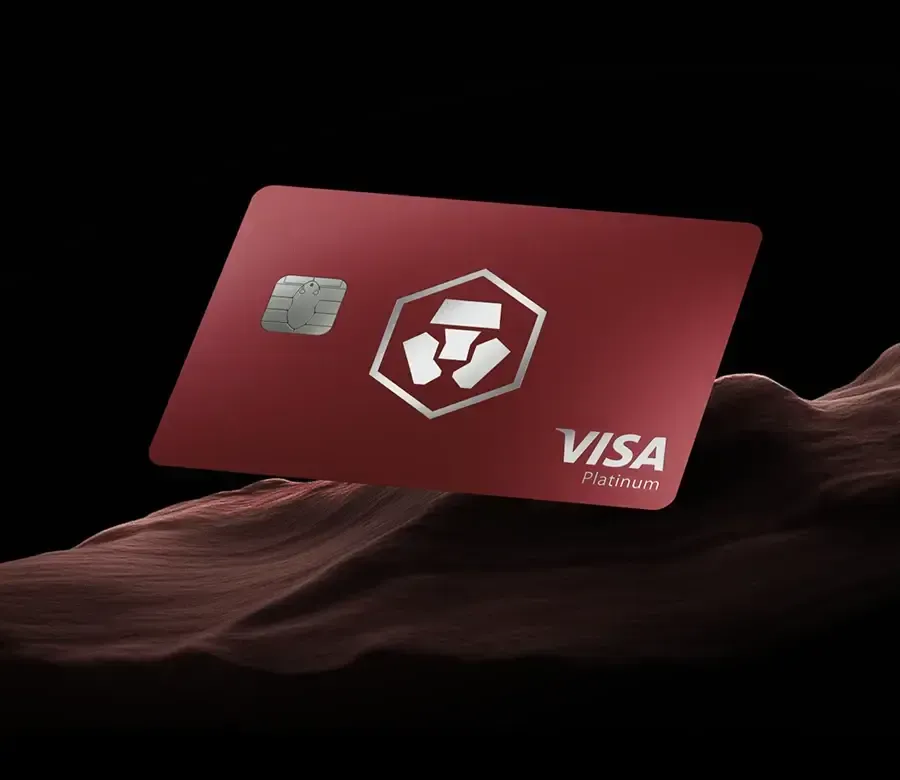
PLUS
2.0%
back in crypto · on every spend
€3.99 / month
or €39.90/year (€3.32/month)
Zero trading fees up to $20K/month
2.0% back in crypto on card spend
0% foreign exchange fees
EUR Cash Yield up to 1.35% p.a.
CRO Yield up to 2.00% p.a.
Virtual Visa card · Flexible cancel

PRO
3.0%
back in crypto · on every spend
€24.99 / month
or €249.90/year (€20.82/month)
Zero trading fees up to $50K/month
3.0% back in crypto on card spend
0% foreign exchange fees
EUR Cash Yield up to 1.70% p.a.
CRO Yield up to 2.50% p.a.
Airport lounge access (Priority Pass)
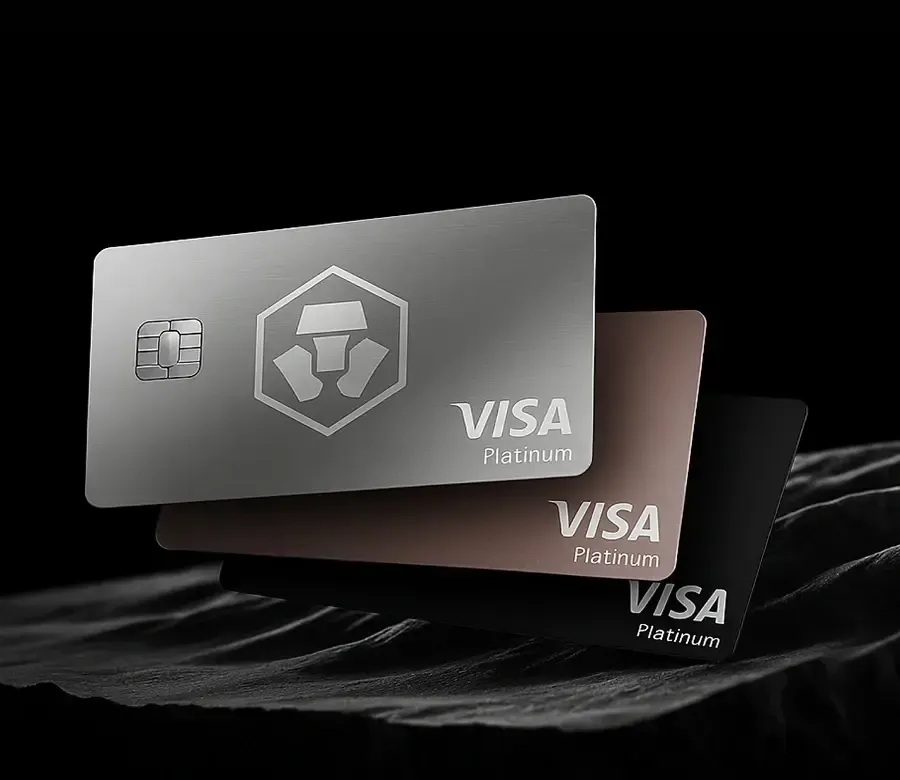
PRIVATE
4–6%
back in crypto · on every spend
CRO Lockup from €45,000
8.5% yield · 12-month staking · €450K tier at 9.5%
Zero trading fees · Unlimited volume
4.0%–6.0% back in crypto
0% foreign exchange fees
EUR Cash Yield up to 1.80% p.a.
Extra 1% p.a. on Earn allocations in CRO
VIP events · Exclusive experiences
8.5% CRO lockup rewards