
Tesla vs BMW
Founding story, key facts and history — side by side.
Tesla
Not founded by Elon Musk — but he changed everything. Now building robotaxis.
| Founded | 2003 |
| Founders | Martin Eberhard, Marc Tarpenning, Elon Musk, JB Straubel, Ian Wright |
| HQ | Austin, Texas |
| Symbol | TSLA |
VS
BMW
Started making aircraft engines. Banned from making them. Bought Rover for £800M and sold it for £10. Kept Mini and Rolls-Royce.
| Founded | 1916 |
| Founders | Franz Josef Popp, Karl Rapp, Camillo Castiglioni |
| HQ | Munich, Germany |
| Symbol | BMW.DE |
The Story — Side by Side
2003
The founders Musk didn't found
Tesla Motors was incorporated on July 1, 2003 by Martin Eberhard and Marc Tarpenning. Elon Musk did not found the company. He joined as chairman and lead investor in the Series A round in 2004, contributing $6.5 million. Musk would later fight a prolonged legal battle with Eberhard over credit for the founding — a dispute settled out of court in 2009.
2008
Christmas Eve, $3 million, and one last loan
By Christmas Eve 2008, Tesla was days from bankruptcy. The global financial crisis had frozen capital markets, and Musk had personally invested nearly his entire fortune into Tesla and SpaceX simultaneously. On December 24, Tesla closed a $40 million emergency financing round with hours to spare. It remains one of the most dramatic near-death experiences in corporate history.
2012
The Model S redefines the car
When Tesla launched the Model S in 2012, Consumer Reports gave it 99 out of 100 — the highest score in the publication's history. Motor Trend named it Car of the Year. The automotive industry, which had dismissed electric vehicles as glorified golf carts, quietly began its own electric programmes. Tesla had proved the concept was real.
2023
Price wars and the BYD threat
Tesla began aggressive price cuts in 2023, dropping some vehicle prices by over 20% to protect market share against surging Chinese competition, particularly from BYD, which overtook Tesla as the world's largest EV manufacturer by volume. The strategy worked for volume but crushed margins. Tesla's operating margin fell from 17% to under 10%. Investors began questioning whether the EV market was becoming a commodity business.
2025
Robotaxi launches in Austin
In June 2025, Tesla launched its robotaxi service in Austin, Texas — fully autonomous rides using Model Y vehicles, with no safety driver. It was the moment Elon Musk had been promising for years, finally real. The service subsequently expanded to Dallas and Houston. By January 2026, Tesla was operating driverless robotaxis in Austin with no human safety backup — a first for any service outside Waymo.
2026
Cybercab enters production
Tesla began manufacturing the Cybercab in April 2026 at Gigafactory Texas — a purpose-built robotaxi with no steering wheel, no pedals, and no side mirrors, designed entirely for autonomous operation and priced under $30,000. Elon Musk's compensation package of $1 trillion — contingent on scaling robotaxis to 10 million units — had been approved by shareholders. The company that had spent its first decade surviving was now betting its next decade on replacing human drivers entirely.
1916
Aircraft engines in wartime Bavaria
BMW — Bayerische Motoren Werke, or Bavarian Motor Works — was founded in Munich in 1916 to manufacture aircraft engines for the German military. The company's logo, a white and blue propeller against a sky background, reflects these aviation origins. The war ended in 1918. Aircraft engine production was prohibited by the Treaty of Versailles. BMW needed a new product.
1923
Motorcycles, then cars
BMW produced its first motorcycle, the R 32, in 1923 — a flat-twin design that established the layout BMW motorcycles still use today. The company entered automobile production in 1928 by acquiring the Eisenach vehicle factory. The acquisition gave BMW manufacturing capability; the engineering culture from aircraft and motorcycle production gave it a performance orientation that would eventually define the brand.
1945
Bombed flat, rescued by the Quandts
BMW's Munich factory was almost completely destroyed by Allied bombing during World War II. BMW survived by making pots, pans, and bicycles. When automobile production was permitted again, BMW had to start from scratch. The company nearly went bankrupt in 1959 before a rescue by the Quandt family — who remain the company's controlling shareholders today and whose wealth is tied entirely to BMW's performance.
1975
The Ultimate Driving Machine
BMW's U.S. marketing campaign launched the slogan "The Ultimate Driving Machine" in 1975 — one of the most enduring advertising claims in automotive history. The 3 Series, launched in 1975, became the best-selling luxury car in history and the vehicle that defined the compact executive segment. BMW's engineering philosophy consistently prioritised driver engagement over passenger comfort, giving it a devoted following that competitors could not easily replicate.
1994
Rover for £800 million. Sold for £10. Kept Mini and Rolls-Royce.
BMW acquired the British Rover Group in 1994 for £800 million in what became one of the most disastrous automotive acquisitions in history. Rover's manufacturing quality was poor, its products were outdated, and its labour relations were toxic. BMW invested billions attempting to turn Rover around. By 2000, BMW sold Rover for £10 — essentially giving it away — retaining only the Mini brand and the Rolls-Royce name rights. The Mini, relaunched in 2001 as a premium product, became one of the most successful automotive reinventions of the century. Rolls-Royce, produced from a new factory in Goodwood from 2003, became the world's most profitable luxury car brand per unit sold. The worst acquisition in automotive history produced two of BMW's greatest assets.
Tools & Platforms
For Investors
The market doesn't care about your feelings.
But your broker's fees do.
But your broker's fees do.
Most people have a brokerage account. Fewer understand what it really costs them — in spreads, in fees, in missed instruments. Malta-regulated, direct market access, 600,000+ instruments.
Exante
Malta MFSA · 50 exchanges
Tickmill
Forex from 0.0 pips
Vantage
Multi-asset trading
Polymarket
Prediction markets
For Entrepreneurs
Opening a US company costs $300.
Most people think it's complicated. It isn't.
Most people think it's complicated. It isn't.
Most founders spend weeks on formation, banking and payments. The ones who move fast know which tools to use before they start. A US LLC, a real business account, and a way to pay people — in that order.
Mercury
Business finance · 300K+ founders
Doola
US LLC formation · YC backed
Melio
B2B payments
Xero 95% OFF
Accounting · 6 months
For C-Suite
Your competitor pays $200 less per month for EOR.
You're still on a spreadsheet.
You're still on a spreadsheet.
BVNK hired 20% of its workforce through Deel. The smartest operators aren't managing payroll complexity — they're outsourcing it. EOR in 150+ countries, multi-currency accounts, workforce payments at $200 less per month than competitors.
Deel
EOR · 150+ countries
Payoneer
$399/mo EOR · Save $200
Wise Business
40+ currencies · No hidden fees
Gusto
US payroll & benefits
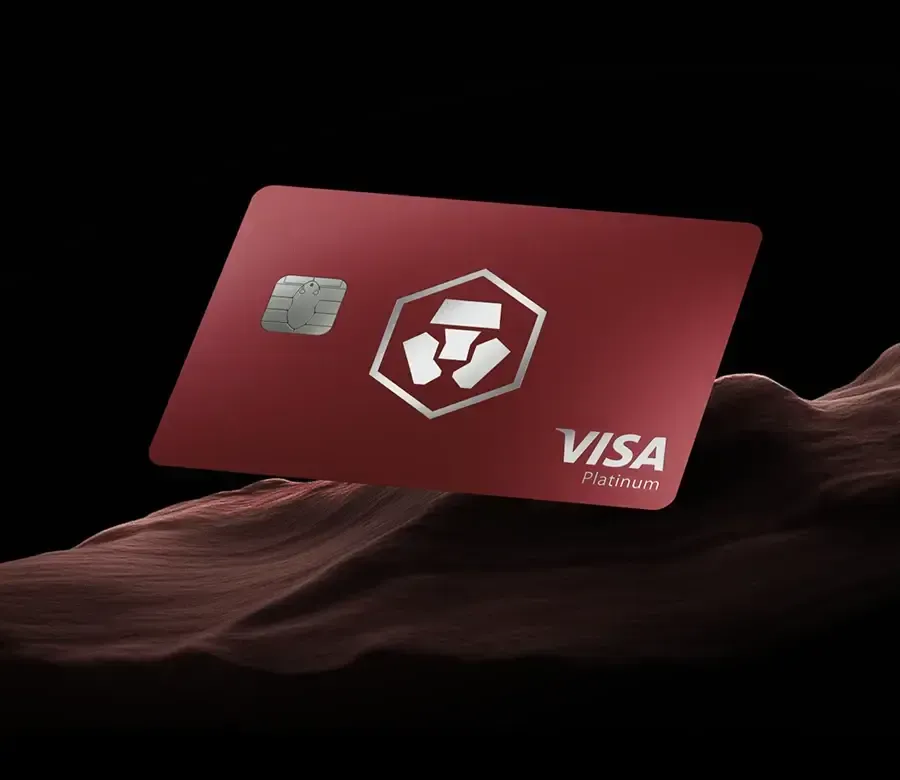
PLUS
2.0%
back in crypto · on every spend
€3.99 / month
or €39.90/year (€3.32/month)
Zero trading fees up to $20K/month
2.0% back in crypto on card spend
0% foreign exchange fees
EUR Cash Yield up to 1.35% p.a.
CRO Yield up to 2.00% p.a.
Virtual Visa card · Flexible cancel
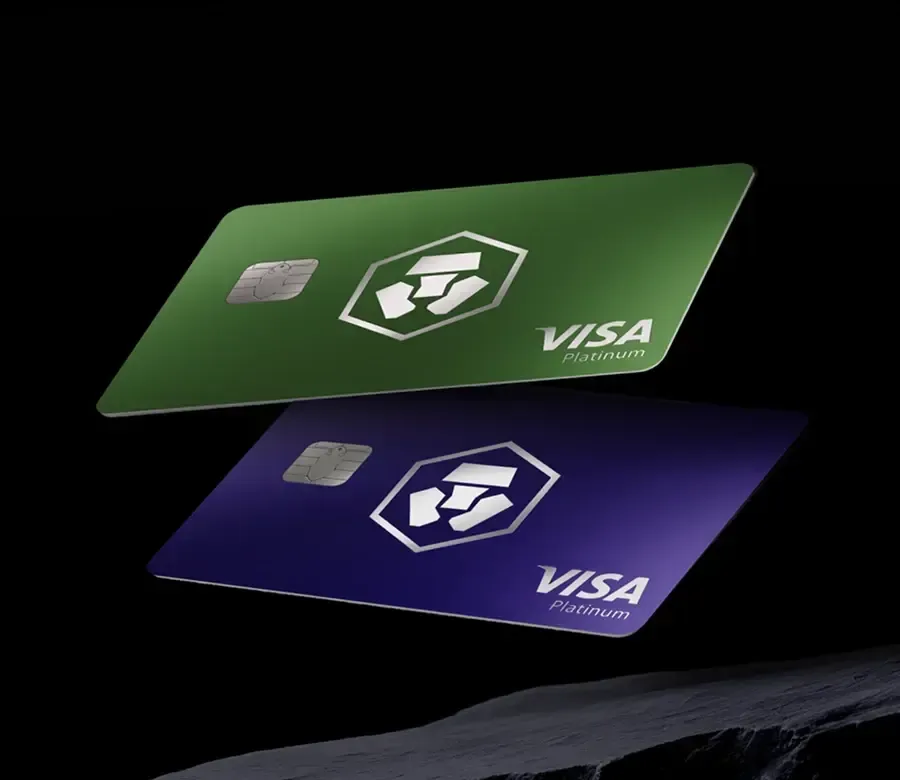
PRO
3.0%
back in crypto · on every spend
€24.99 / month
or €249.90/year (€20.82/month)
Zero trading fees up to $50K/month
3.0% back in crypto on card spend
0% foreign exchange fees
EUR Cash Yield up to 1.70% p.a.
CRO Yield up to 2.50% p.a.
Airport lounge access (Priority Pass)
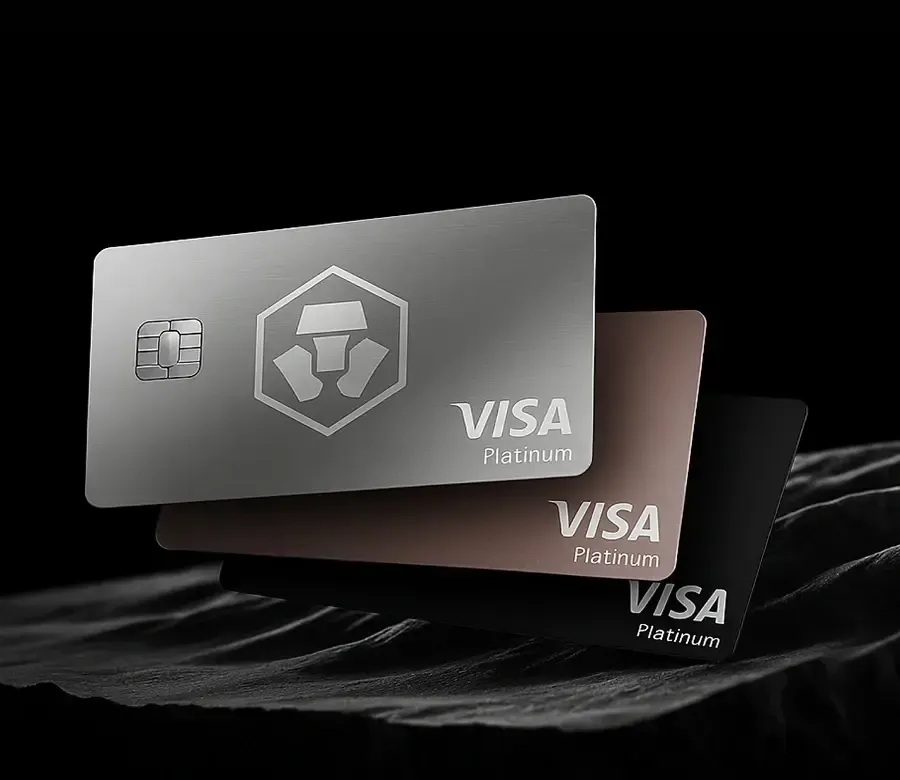
PRIVATE
4–6%
back in crypto · on every spend
CRO Lockup from €45,000
8.5% yield · 12-month staking · €450K tier at 9.5%
Zero trading fees · Unlimited volume
4.0%–6.0% back in crypto
0% foreign exchange fees
EUR Cash Yield up to 1.80% p.a.
Extra 1% p.a. on Earn allocations in CRO
VIP events · Exclusive experiences
8.5% CRO lockup rewards