
Tesla vs Mercedes-Benz
Founding story, key facts and history — side by side.
Tesla
Not founded by Elon Musk — but he changed everything. Now building robotaxis.
| Founded | 2003 |
| Founders | Martin Eberhard, Marc Tarpenning, Elon Musk, JB Straubel, Ian Wright |
| HQ | Austin, Texas |
| Symbol | TSLA |
VS
Mercedes-Benz
Invented the car in 1885. Paid $36 billion for Chrysler. Sold it for $7.4 billion. Still here.
| Founded | 1926 |
| Founders | Karl Benz, Gottlieb Daimler, Wilhelm Maybach |
| HQ | Stuttgart, Germany |
| Symbol | MBG.DE |
The Story — Side by Side
2003
The founders Musk didn't found
Tesla Motors was incorporated on July 1, 2003 by Martin Eberhard and Marc Tarpenning. Elon Musk did not found the company. He joined as chairman and lead investor in the Series A round in 2004, contributing $6.5 million. Musk would later fight a prolonged legal battle with Eberhard over credit for the founding — a dispute settled out of court in 2009.
2008
Christmas Eve, $3 million, and one last loan
By Christmas Eve 2008, Tesla was days from bankruptcy. The global financial crisis had frozen capital markets, and Musk had personally invested nearly his entire fortune into Tesla and SpaceX simultaneously. On December 24, Tesla closed a $40 million emergency financing round with hours to spare. It remains one of the most dramatic near-death experiences in corporate history.
2012
The Model S redefines the car
When Tesla launched the Model S in 2012, Consumer Reports gave it 99 out of 100 — the highest score in the publication's history. Motor Trend named it Car of the Year. The automotive industry, which had dismissed electric vehicles as glorified golf carts, quietly began its own electric programmes. Tesla had proved the concept was real.
2023
Price wars and the BYD threat
Tesla began aggressive price cuts in 2023, dropping some vehicle prices by over 20% to protect market share against surging Chinese competition, particularly from BYD, which overtook Tesla as the world's largest EV manufacturer by volume. The strategy worked for volume but crushed margins. Tesla's operating margin fell from 17% to under 10%. Investors began questioning whether the EV market was becoming a commodity business.
2025
Robotaxi launches in Austin
In June 2025, Tesla launched its robotaxi service in Austin, Texas — fully autonomous rides using Model Y vehicles, with no safety driver. It was the moment Elon Musk had been promising for years, finally real. The service subsequently expanded to Dallas and Houston. By January 2026, Tesla was operating driverless robotaxis in Austin with no human safety backup — a first for any service outside Waymo.
2026
Cybercab enters production
Tesla began manufacturing the Cybercab in April 2026 at Gigafactory Texas — a purpose-built robotaxi with no steering wheel, no pedals, and no side mirrors, designed entirely for autonomous operation and priced under $30,000. Elon Musk's compensation package of $1 trillion — contingent on scaling robotaxis to 10 million units — had been approved by shareholders. The company that had spent its first decade surviving was now betting its next decade on replacing human drivers entirely.
1885
The first automobile
Karl Benz built the Benz Patent-Motorwagen in 1885 — widely recognised as the world's first true automobile: a vehicle with a petrol-powered internal combustion engine designed specifically for road use. Benz patented the design on January 29, 1886 — a date Mercedes-Benz marks as the birthday of the automobile. Simultaneously, and independently, Gottlieb Daimler and Wilhelm Maybach were developing their own petrol engine in Stuttgart, 60 miles away. The two companies would compete for decades before merging.
1900
The Mercedes name
Emil Jellinek, an Austro-Hungarian diplomat who had become Daimler's primary sales agent, commissioned a new racing car in 1900 and insisted it be named after his daughter, Mercedes. The car was so successful on the racing circuit that Jellinek ordered 36 of them — the largest single automotive order in history at the time — on the condition that Daimler use the Mercedes name on all its models. Mercedes Jellinek herself never drove.
1926
Rivals become partners
Daimler Motoren Gesellschaft and Benz & Cie merged in June 1926 to form Daimler-Benz AG — uniting the two companies whose founders had independently invented the automobile forty years earlier. The merger was driven by economic necessity: the post-World War I German economy was devastated. The combined company adopted the three-pointed star — representing Daimler's ambition to motorise land, sea, and air — as its emblem.
1954
The 300 SL Gullwing and the return to racing
Mercedes-Benz returned to motorsport in 1954 after a hiatus following World War II, winning both the Formula One and sports car world championships in its first season back. The 300 SL Gullwing road car, launched simultaneously, became one of the most iconic automobiles ever built — its distinctive upward-opening doors necessitated by the space frame chassis structure. The 300 SL was the fastest production car in the world in 1954.
1998
The merger of equals that wasn't — and the recovery
Daimler-Benz merged with Chrysler in 1998 in a $38 billion deal described as a "merger of equals." It was not equal. German executives gradually took control, cultural clashes were severe, and Chrysler lost billions. Daimler sold Chrysler to private equity firm Cerberus Capital in 2007 for $7.4 billion — having paid $36 billion to acquire it nine years earlier. The company refocused entirely on Mercedes-Benz and repositioned toward ultra-luxury, reducing volume and increasing margins. By the mid-2020s, Mercedes-Benz had become one of the most profitable automotive brands in the world — generating margins that would have been unthinkable when Chrysler was bleeding billions.
Tools & Platforms
For Investors
The market doesn't care about your feelings.
But your broker's fees do.
But your broker's fees do.
Most people have a brokerage account. Fewer understand what it really costs them — in spreads, in fees, in missed instruments. Malta-regulated, direct market access, 600,000+ instruments.
Exante
Malta MFSA · 50 exchanges
Tickmill
Forex from 0.0 pips
Vantage
Multi-asset trading
Polymarket
Prediction markets
For Entrepreneurs
Opening a US company costs $300.
Most people think it's complicated. It isn't.
Most people think it's complicated. It isn't.
Most founders spend weeks on formation, banking and payments. The ones who move fast know which tools to use before they start. A US LLC, a real business account, and a way to pay people — in that order.
Mercury
Business finance · 300K+ founders
Doola
US LLC formation · YC backed
Melio
B2B payments
Xero 95% OFF
Accounting · 6 months
For C-Suite
Your competitor pays $200 less per month for EOR.
You're still on a spreadsheet.
You're still on a spreadsheet.
BVNK hired 20% of its workforce through Deel. The smartest operators aren't managing payroll complexity — they're outsourcing it. EOR in 150+ countries, multi-currency accounts, workforce payments at $200 less per month than competitors.
Deel
EOR · 150+ countries
Payoneer
$399/mo EOR · Save $200
Wise Business
40+ currencies · No hidden fees
Gusto
US payroll & benefits
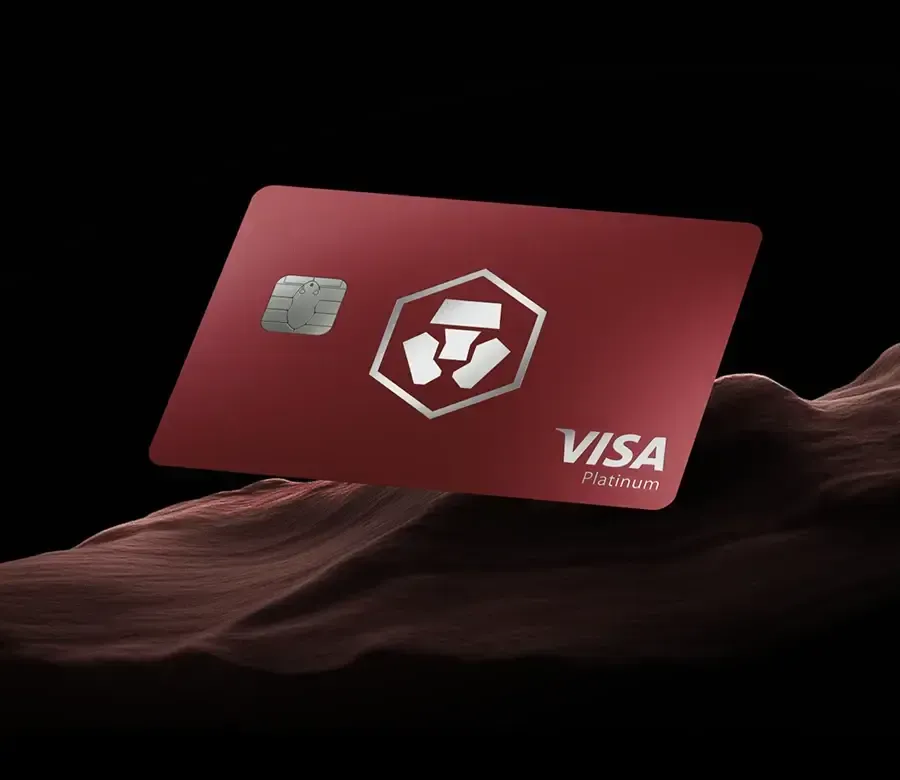
PLUS
2.0%
back in crypto · on every spend
€3.99 / month
or €39.90/year (€3.32/month)
Zero trading fees up to $20K/month
2.0% back in crypto on card spend
0% foreign exchange fees
EUR Cash Yield up to 1.35% p.a.
CRO Yield up to 2.00% p.a.
Virtual Visa card · Flexible cancel
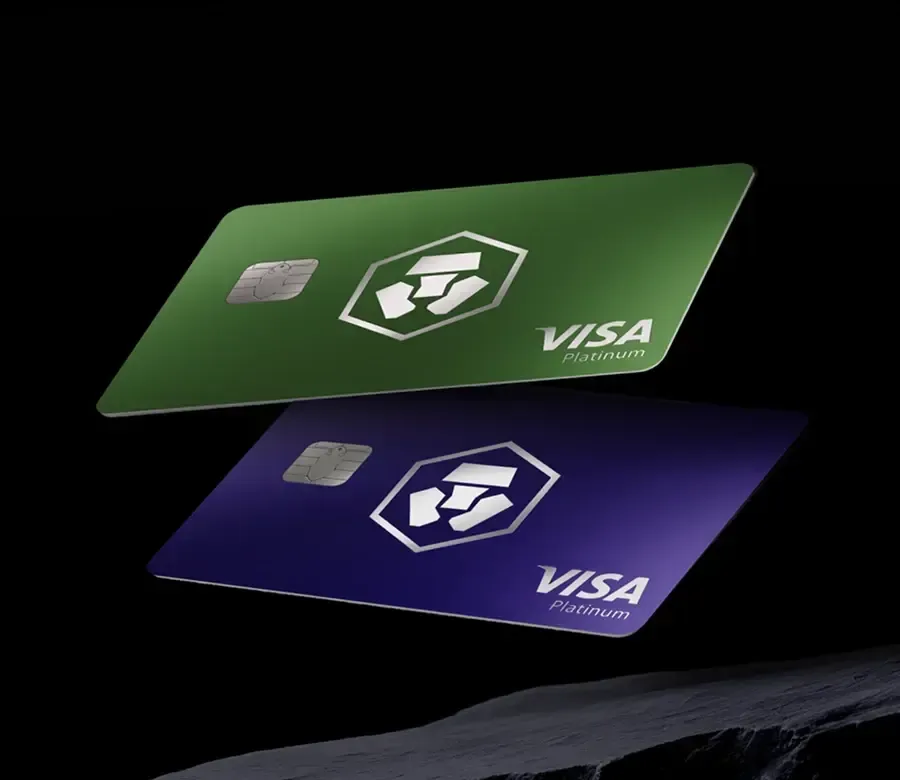
PRO
3.0%
back in crypto · on every spend
€24.99 / month
or €249.90/year (€20.82/month)
Zero trading fees up to $50K/month
3.0% back in crypto on card spend
0% foreign exchange fees
EUR Cash Yield up to 1.70% p.a.
CRO Yield up to 2.50% p.a.
Airport lounge access (Priority Pass)
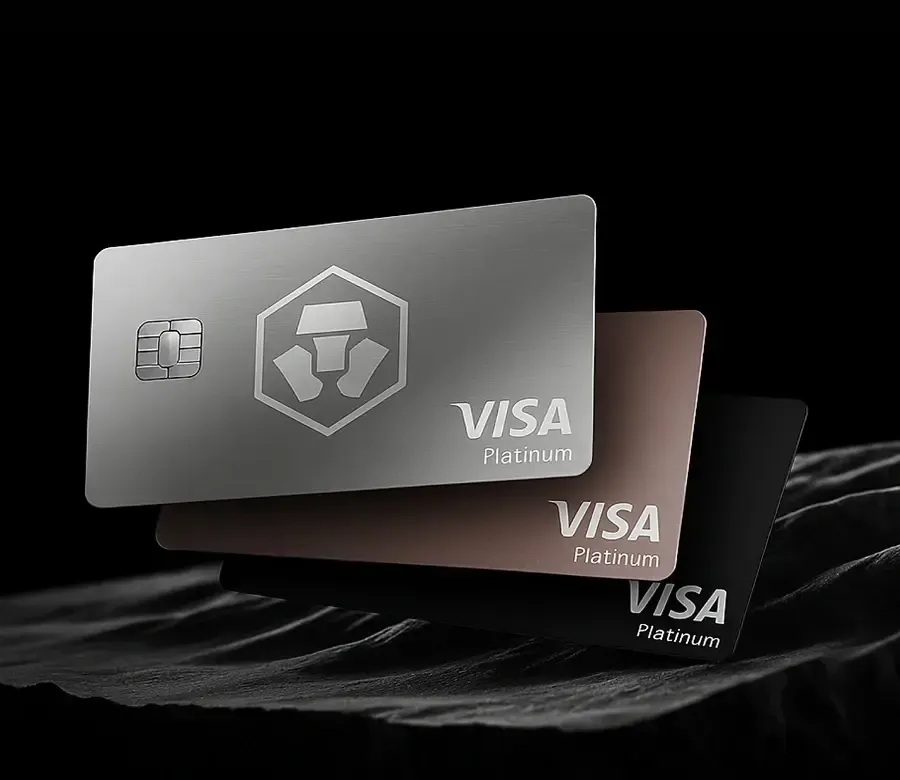
PRIVATE
4–6%
back in crypto · on every spend
CRO Lockup from €45,000
8.5% yield · 12-month staking · €450K tier at 9.5%
Zero trading fees · Unlimited volume
4.0%–6.0% back in crypto
0% foreign exchange fees
EUR Cash Yield up to 1.80% p.a.
Extra 1% p.a. on Earn allocations in CRO
VIP events · Exclusive experiences
8.5% CRO lockup rewards