
TikTok vs Instagram (Meta)
Founding story, key facts and history — side by side.
TikTok
Built in China. Banned in America. Went dark for 12 hours. Still used by 170 million Americans.
| Founded | 2016 |
| Founders | Zhang Yiming |
| HQ | Los Angeles / Beijing |
| Symbol | Private |
VS

Instagram (Meta)
13 employees. $1 billion. Eight days. Now 3 billion users.
| Founded | 2010 |
| Founders | Kevin Systrom, Mike Krieger |
| HQ | Menlo Park, California |
| Symbol | META |
The Story — Side by Side
2012
ByteDance and the algorithm that learns you
Zhang Yiming founded ByteDance in Beijing in 2012, initially building a news aggregation app called Toutiao — "Today's Headlines" — that used machine learning to personalise content without requiring users to select their interests. The algorithm learned what each individual user wanted to see faster than any human editor could. Toutiao reached 13 million users in 90 days. Zhang had discovered something that would define the next decade of social media: the algorithm was better at predicting human attention than humans were.
2018
Musical.ly merger and the Western takeover
ByteDance launched TikTok internationally in 2017, then acquired Musical.ly — a lip-sync app popular with Western teenagers — for $1 billion in 2018 and merged it into TikTok. The acquisition instantly gave TikTok 100 million existing Western users and a viral content format. TikTok grew faster than any social platform in history, reaching 1 billion monthly active users by 2021.
2020
Trump tries to ban it — the first time
In August 2020, U.S. President Donald Trump signed executive orders attempting to ban TikTok, citing national security concerns about Chinese access to American user data. Courts blocked the ban. TikTok continued operating. Four years later, the threat would return — with more legal force.
2025
The Supreme Court upholds the ban — then Trump delays it
In January 2025, the U.S. Supreme Court unanimously upheld legislation requiring ByteDance to divest TikTok's U.S. operations or face a ban. On January 18, TikTok went dark in America for approximately 12 hours. On his inauguration day, January 20, President Trump signed an executive order delaying enforcement — the same man who had tried to ban TikTok in his first term was now saving it. He extended the delay three more times through 2025.
2026
The deal that ended the saga
In December 2025, ByteDance signed a deal backed by President Trump to divest TikTok's U.S. operations into a new joint venture — TikTok USDS — majority-owned by American investors including Oracle and Silver Lake. The deal formally closed on January 22, 2026. ByteDance retained a minority stake and licensed its algorithm to the U.S. entity. TikTok remained available to 170 million American users. The most consequential national security battle over a social media platform in history had ended with a corporate restructuring that satisfied almost nobody — and kept TikTok running anyway.
Instagram (Meta) 2010
Burbn becomes Instagram
Kevin Systrom originally built an app called Burbn — a location check-in service heavily inspired by Foursquare. It had too many features and users were confused. Systrom and his co-founder Mike Krieger stripped everything out except one feature that users actually loved: photo sharing with filters. They renamed it Instagram and launched on October 6, 2010. It hit one million users in three months.
2012
$1 billion, 13 employees, zero revenue
On April 9, 2012, Facebook acquired Instagram for approximately $1 billion in cash and stock. Instagram had 13 employees, no revenue, and had been operating for 551 days. The deal was negotiated personally between Mark Zuckerberg and Kevin Systrom over eight days, without the board being told first. Zuckerberg later said he was afraid Instagram would become what Facebook could have been if it had focused on mobile earlier. By 2018, Instagram was worth an estimated $100 billion — 100 times the acquisition price.
2018
The founders walk out
In September 2018, both Kevin Systrom and Mike Krieger resigned from Instagram simultaneously, citing growing friction with Zuckerberg over autonomy and direction. Zuckerberg had begun integrating Instagram more deeply into Facebook's infrastructure, overriding product decisions the founders had made. The departure was one of the most consequential in social media history — leaving Instagram without the creative vision that had built it.
2020
Reels, TikTok, and the identity crisis
When TikTok exploded globally in 2020, Instagram launched Reels — a near-identical short video format. Instagram head Adam Mosseri announced the app was "no longer a photo-sharing app." Long-term users were furious. The app that had been built around the beauty of a single photograph was now competing with TikTok for 15-second dances. The pivot worked commercially but cost Instagram its distinct identity.
2025
3 billion users and the AI creative era
By September 2025, Instagram had reached 3 billion monthly active users — making it one of only three apps ever to reach that scale, alongside Facebook and WhatsApp. Meta's AI-powered ad tools, which used Reels and Feed targeting to drive conversions, generated $46.6 billion in ad revenue for Meta in Q2 2025 alone. Instagram's Generative Ads Recommendation Model delivered a 5% increase in conversions that quarter. The app that Kevin Systrom had built as a simple photo filter had become one of the most powerful advertising machines in history.
Tools & Platforms
For Investors
The market doesn't care about your feelings.
But your broker's fees do.
But your broker's fees do.
Most people have a brokerage account. Fewer understand what it really costs them — in spreads, in fees, in missed instruments. Malta-regulated, direct market access, 600,000+ instruments.
Exante
Malta MFSA · 50 exchanges
Tickmill
Forex from 0.0 pips
Vantage
Multi-asset trading
Polymarket
Prediction markets
For Entrepreneurs
Opening a US company costs $300.
Most people think it's complicated. It isn't.
Most people think it's complicated. It isn't.
Most founders spend weeks on formation, banking and payments. The ones who move fast know which tools to use before they start. A US LLC, a real business account, and a way to pay people — in that order.
Mercury
Business finance · 300K+ founders
Doola
US LLC formation · YC backed
Melio
B2B payments
Xero 95% OFF
Accounting · 6 months
For C-Suite
Your competitor pays $200 less per month for EOR.
You're still on a spreadsheet.
You're still on a spreadsheet.
BVNK hired 20% of its workforce through Deel. The smartest operators aren't managing payroll complexity — they're outsourcing it. EOR in 150+ countries, multi-currency accounts, workforce payments at $200 less per month than competitors.
Deel
EOR · 150+ countries
Payoneer
$399/mo EOR · Save $200
Wise Business
40+ currencies · No hidden fees
Gusto
US payroll & benefits
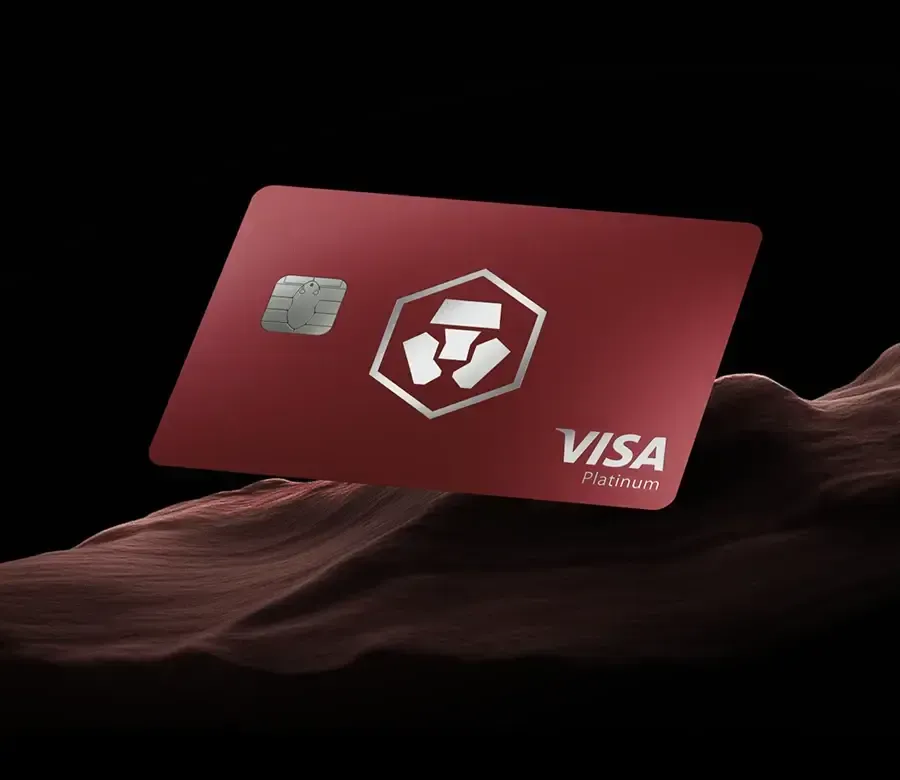
PLUS
2.0%
back in crypto · on every spend
€3.99 / month
or €39.90/year (€3.32/month)
Zero trading fees up to $20K/month
2.0% back in crypto on card spend
0% foreign exchange fees
EUR Cash Yield up to 1.35% p.a.
CRO Yield up to 2.00% p.a.
Virtual Visa card · Flexible cancel
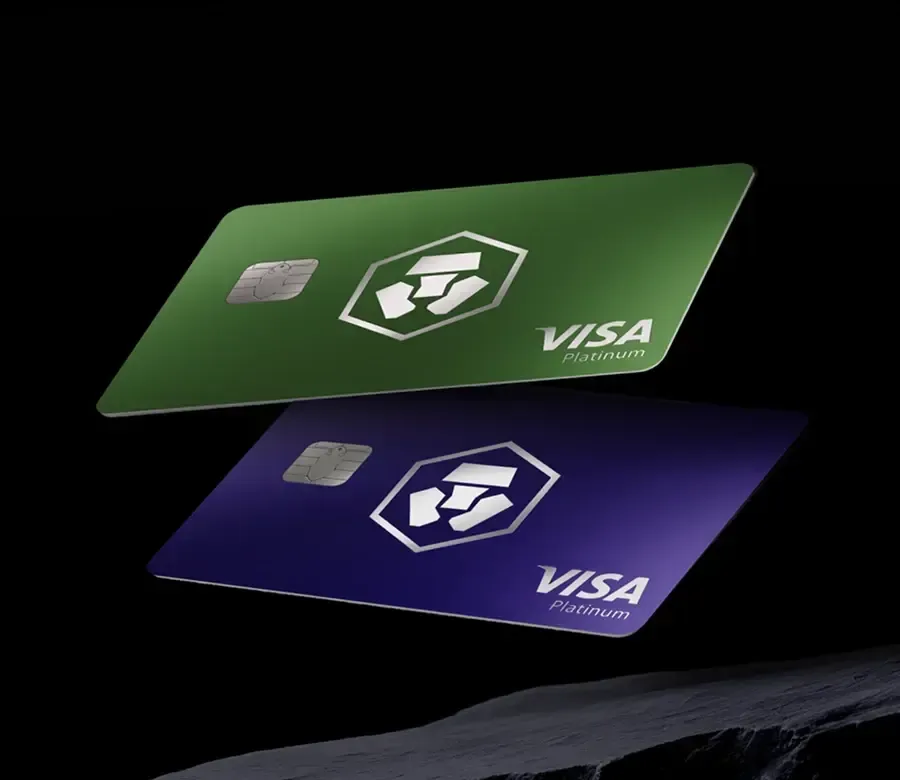
PRO
3.0%
back in crypto · on every spend
€24.99 / month
or €249.90/year (€20.82/month)
Zero trading fees up to $50K/month
3.0% back in crypto on card spend
0% foreign exchange fees
EUR Cash Yield up to 1.70% p.a.
CRO Yield up to 2.50% p.a.
Airport lounge access (Priority Pass)
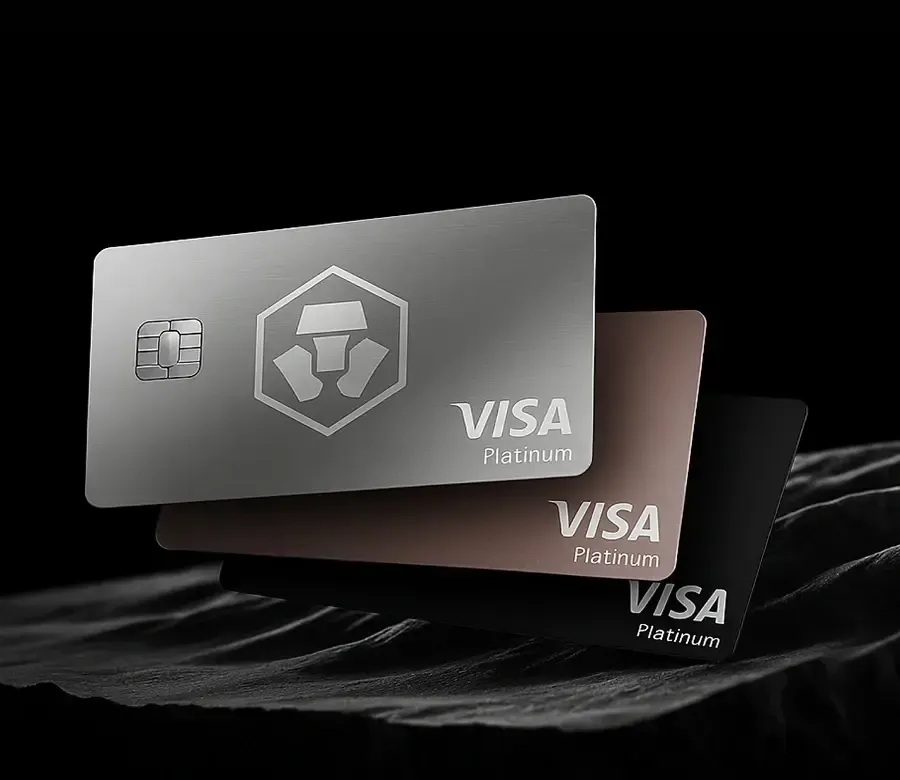
PRIVATE
4–6%
back in crypto · on every spend
CRO Lockup from €45,000
8.5% yield · 12-month staking · €450K tier at 9.5%
Zero trading fees · Unlimited volume
4.0%–6.0% back in crypto
0% foreign exchange fees
EUR Cash Yield up to 1.80% p.a.
Extra 1% p.a. on Earn allocations in CRO
VIP events · Exclusive experiences
8.5% CRO lockup rewards