
Tripadvisor vs Alphabet Inc. (Google)
Founding story, key facts and history — side by side.
Tripadvisor
Born above a suburban pizza shop to replace corporate travel brochures with the brutal, unvarnished truth of real reviews.
| Founded | 2000 |
| Founders | Stephen Kaufer, Langley Steinert |
| HQ | Needham, Massachusetts |
| Symbol | TRIP |
VS
Alphabet Inc. (Google)
Almost sold for $1 million. The buyer said no. Now facing the biggest antitrust case since Microsoft.
| Founded | 1998 |
| Founders | Larry Page, Sergey Brin |
| HQ | Mountain View, California |
| Symbol | GOOGL |
The Story — Side by Side
2000
The suburban pizza shop brainstorm
Tripadvisor was founded in February 2000 by Stephen Kaufer and Langley Steinert above a local pizza parlor in Needham, Massachusetts. The original business plan was not to collect user reviews, but rather to build a highly structured search engine that aggregated official, slick corporate travel brochures from major agencies. The breakthrough occurred when they added a tiny text box at the bottom of the page allowing regular travelers to leave their own raw comments, which quickly exploded in popularity, completely overshadowing the official marketing material.
2004
The IAC acquisition and the early cash-cow meta-search
Recognizing its incredible consumer traffic growth, Barry Diller's IAC acquired Tripadvisor for an estimated $210 million in cash in 2004, later spinning it out inside Expedia. Tripadvisor built an incredibly lucrative monetization model centered around meta-search cost-per-click advertising. Instead of managing complex hotel checkouts, Tripadvisor simply aggregated prices and charged Booking.com and Expedia billions of dollars in advertising fees whenever a user clicked a link to complete a booking, generating massive profit margins with zero transactional liability.
2016
The catastrophic instant booking pivot disaster
Jealous of the high transaction revenues captured by online travel agencies, CEO Stephen Kaufer made a high-stakes strategic pivot in 2016 called "Instant Booking." The plan was to transform Tripadvisor from an advertising site into a direct transactional checkout store. The pivot turned into a complete corporate disaster; consumers were deeply confused by the change, and the major online travel agencies immediately retaliated by pulling their premium advertising dollars from the site, causing Tripadvisor's market valuation and stock price to crash precipitously.
2020
The review fraud crisis and the Viator silver lining
As Tripadvisor struggled to regain its operational identity, it faced a massive PR crisis regarding the systemic proliferation of fake, black-market reviews used by restaurants and hotels to artificially manipulate rankings. The company deployed advanced machine learning algorithms to catch review farm operations, but its financial performance remained highly depressed. The single major bright spot in the corporate portfolio came from Viator, an experiences and tour booking marketplace acquired in 2014, which experienced explosive organic growth post-lockdowns.
2026
The private equity bidding war and the Viator engine
By mid-2026, Tripadvisor became the subject of intense private equity privatization bidding wars as institutional investors sought to unlock value by spinning off its highly profitable Viator division. Under corporate leadership, the core Tripadvisor site was permanently refocused as a high-intent media and subscription guidance destination utilizing customized AI review summarization. Backed by booming global demand for specialized tours, Viator's independent volume grew strongly, keeping total group revenue stable at $1.9 billion.
1996
BackRub: the search engine with an ugly name
Larry Page and Sergey Brin met at Stanford in 1995. By 1996 they had built a search engine called BackRub — named after its method of analysing backlinks. It ran on Stanford's servers and consumed so much bandwidth that the university repeatedly asked them to take it down.
1998
The $100,000 cheque for a company that didn't exist
Sun Microsystems co-founder Andy Bechtolsheim wrote Google a cheque for $100,000 in August 1998 after a brief demo in a Stanford parking lot. There was one problem: Google Inc. didn't exist yet. Page and Brin had to incorporate the company before they could cash it.
1999
They tried to sell Google for $1 million
In 1999, Page and Brin tried to sell Google to Excite CEO George Bell for $1 million. Bell turned them down — the search was too good, it would send users away from Excite's portal too quickly. Bell later called it the worst decision of his career. Excite filed for bankruptcy in 2001. Google became worth more than $2 trillion.
2023
Code red: the ChatGPT war begins
When OpenAI launched ChatGPT in November 2022, Google declared an internal "code red." The company that had invented the transformer architecture — the technology that made ChatGPT possible — had published its research openly and was now scrambling to compete with the system it had inadvertently enabled. Google rushed Bard to market. It made a factual error in its first public demo. The stock dropped $100 billion in a single day. Google's search share fell from 80% to under 70% as users migrated to ChatGPT, Perplexity, and Claude.
2025
The antitrust ruling that changed everything
In September 2025, a U.S. federal court ruled that Google had illegally maintained its monopoly in search, ordering the company to end exclusive distribution contracts with Apple, device manufacturers, and browser makers. The Apple deal alone had been worth approximately $20 billion per year to keep Google as the default search engine on Safari. The court stopped short of forcing Google to sell Chrome or Android, but the ruling was the most consequential antitrust action against a technology company since the Microsoft case of 1998. Google announced it would appeal. The case is expected to reach the Supreme Court.
Tools & Platforms
For Investors
The market doesn't care about your feelings.
But your broker's fees do.
But your broker's fees do.
Most people have a brokerage account. Fewer understand what it really costs them — in spreads, in fees, in missed instruments. Malta-regulated, direct market access, 600,000+ instruments.
Exante
Malta MFSA · 50 exchanges
Tickmill
Forex from 0.0 pips
Vantage
Multi-asset trading
Polymarket
Prediction markets
For Entrepreneurs
Opening a US company costs $300.
Most people think it's complicated. It isn't.
Most people think it's complicated. It isn't.
Most founders spend weeks on formation, banking and payments. The ones who move fast know which tools to use before they start. A US LLC, a real business account, and a way to pay people — in that order.
Mercury
Business finance · 300K+ founders
Doola
US LLC formation · YC backed
Melio
B2B payments
Xero 95% OFF
Accounting · 6 months
For C-Suite
Your competitor pays $200 less per month for EOR.
You're still on a spreadsheet.
You're still on a spreadsheet.
BVNK hired 20% of its workforce through Deel. The smartest operators aren't managing payroll complexity — they're outsourcing it. EOR in 150+ countries, multi-currency accounts, workforce payments at $200 less per month than competitors.
Deel
EOR · 150+ countries
Payoneer
$399/mo EOR · Save $200
Wise Business
40+ currencies · No hidden fees
Gusto
US payroll & benefits
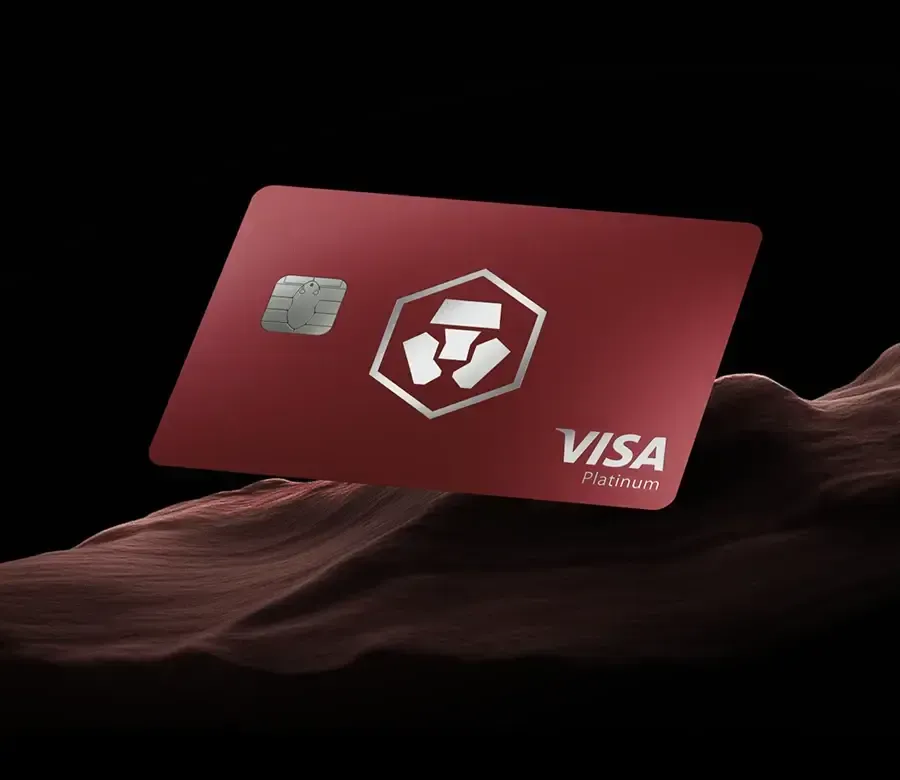
PLUS
2.0%
back in crypto · on every spend
€3.99 / month
or €39.90/year (€3.32/month)
Zero trading fees up to $20K/month
2.0% back in crypto on card spend
0% foreign exchange fees
EUR Cash Yield up to 1.35% p.a.
CRO Yield up to 2.00% p.a.
Virtual Visa card · Flexible cancel
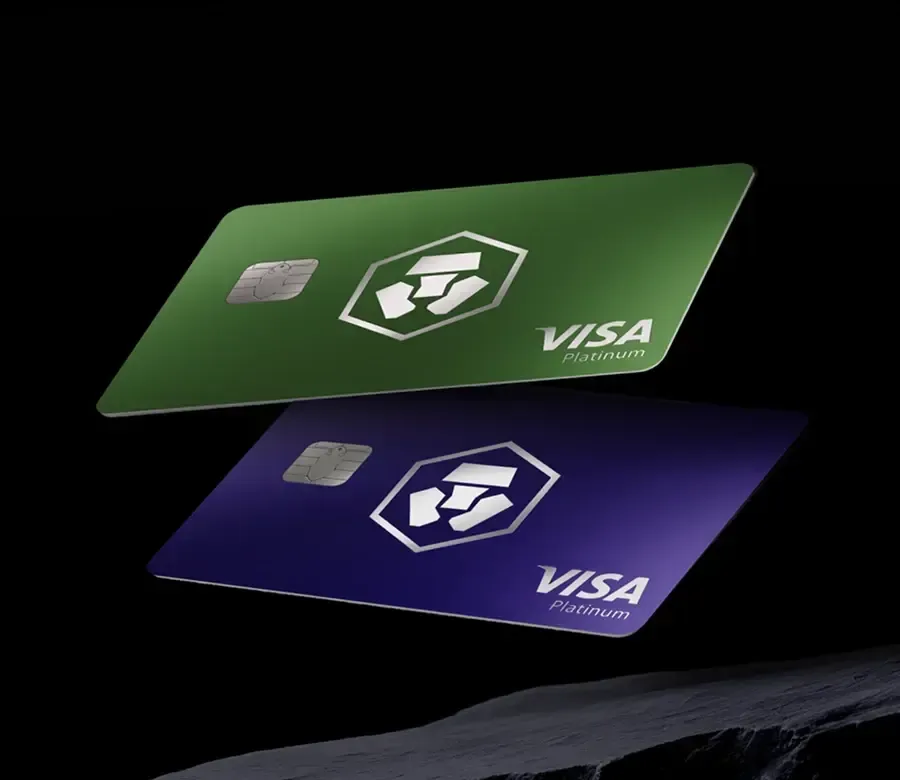
PRO
3.0%
back in crypto · on every spend
€24.99 / month
or €249.90/year (€20.82/month)
Zero trading fees up to $50K/month
3.0% back in crypto on card spend
0% foreign exchange fees
EUR Cash Yield up to 1.70% p.a.
CRO Yield up to 2.50% p.a.
Airport lounge access (Priority Pass)
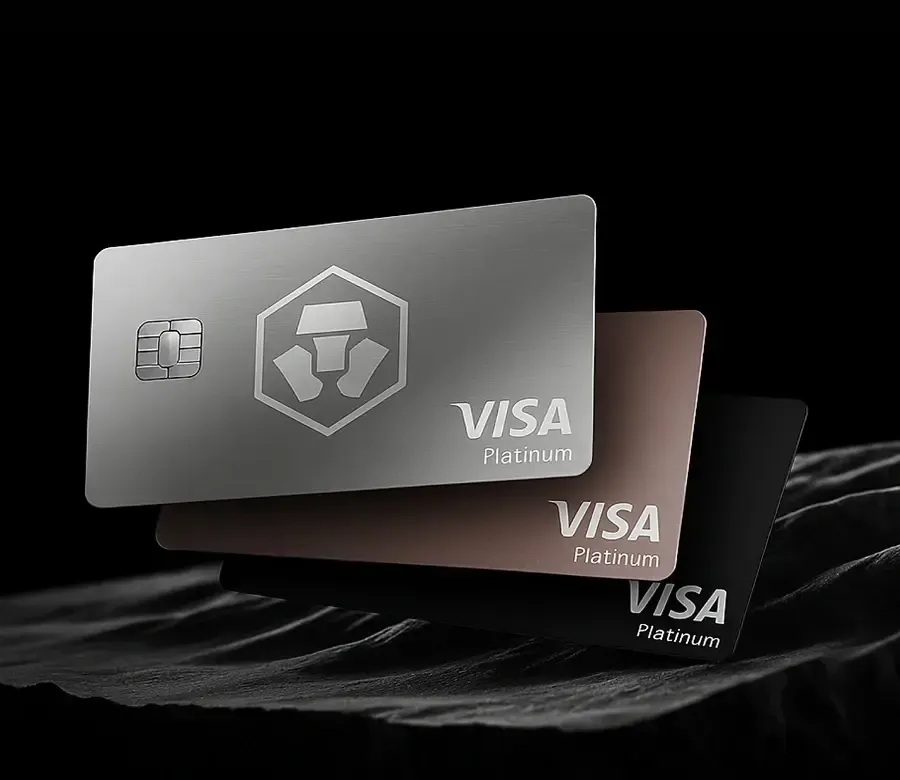
PRIVATE
4–6%
back in crypto · on every spend
CRO Lockup from €45,000
8.5% yield · 12-month staking · €450K tier at 9.5%
Zero trading fees · Unlimited volume
4.0%–6.0% back in crypto
0% foreign exchange fees
EUR Cash Yield up to 1.80% p.a.
Extra 1% p.a. on Earn allocations in CRO
VIP events · Exclusive experiences
8.5% CRO lockup rewards