
Valentino vs Prada
Founding story, key facts and history — side by side.
Valentino
The romantic, ultra-luxurious Roman house that turned "Valentino Red" into the ultimate expression of Italian elegance.
| Founded | 1960 |
| Founders | Valentino Garavani |
| HQ | Rome, Italy |
| Symbol | PRIVATE |
VS
Prada
Mario said women shouldn't run the business. His granddaughter ran it better than anyone. With a nylon backpack.
| Founded | 1913 |
| Founders | Mario Prada |
| HQ | Milan, Italy |
| Symbol | 1913.HK |
The Story — Side by Side
1960
The Roman elegance manifesto
Valentino Garavani founded his fashion house in Rome, a city that offered a perfect backdrop for his romantic, opulent aesthetic. He quickly became famous for his perfectly tailored gowns and his signature shade of brilliant red, which became known globally as "Valentino Red." His designs were favored by stars and royalty, establishing the brand as the quintessential symbol of classic Italian luxury and feminine grace.
2008
The post-founder transition
Valentino Garavani retired in 2008, leaving the house in the hands of new designers. The brand faced the massive, high-stakes task of maintaining its identity without its founding visionary. Through careful creative stewardship, the house successfully transitioned to a more contemporary, yet still romantic, style, proving that its core "codes" were strong enough to endure beyond the founder’s direct oversight.
2016
The accessory-led growth engine
Valentino aggressively pivoted to focus on high-margin accessories, specifically its "Rockstud" line. These products became status symbols, providing the massive cash flow necessary for the company to invest in its haute couture and retail expansion. This move allowed the house to modernize its balance sheet while staying true to its refined, ultra-luxe image.
2024
The strategic Kering minority stake
In a major corporate move, the French conglomerate Kering acquired a significant minority stake in Valentino, with the option to purchase the brand entirely in the future. This move was designed to give Valentino the long-term support and scale it needed to compete in an industry increasingly dominated by massive luxury conglomerates, signaling a new chapter for the historic Roman house.
2026
The eternal house of Italian couture
By mid-2026, Valentino remains a beacon of sophisticated, high-end luxury. By carefully managing its brand identity and focusing on its core strength—romantic, high-quality couture—it continues to thrive as an independent, high-status voice in a sea of massive, multi-brand luxury conglomerates.
1913
Leather goods and a warning about women
Mario Prada opened a leather goods shop in Milan's Galleria Vittorio Emanuele II in 1913, selling handbags, luggage, and accessories. The shop was appointed official supplier to the Italian Royal House. Mario Prada built a reputation for quality and discretion. He also held a firm conviction, which he stated explicitly, that women should not be involved in running a business. His granddaughter Miuccia would prove him comprehensively wrong.
1978
Miuccia takes over a failing company
Miuccia Prada inherited the family business in 1978, having studied political science and trained as a mime artist. She had no fashion training. The company was struggling — sales were minimal, the brand had no direction, and several family members had already given up and sold their stakes. Miuccia, working with businessman Patrizio Bertelli who later became her husband, decided to rebuild the company around a single product: a black nylon backpack.
1985
The ugly bag that conquered fashion
Prada's black nylon backpack, launched in 1985 and made from the industrial nylon used in military parachutes, was deliberately anti-fashionable — plain, functional, and made from a material associated with cheap utility rather than luxury. It became one of the most influential fashion objects of the 1980s, precisely because it rejected the prevailing aesthetic of visible logos and obvious luxury. Miuccia described her design philosophy as "making the ugly beautiful." Fashion critics initially couldn't decide whether to celebrate or condemn her. Eventually they did both.
2006
The Devil Wears Prada
The 2006 film "The Devil Wears Prada," based on Lauren Weisberger's novel, featured Meryl Streep as a thinly veiled Anna Wintour character named Miranda Priestly — who wore Prada exclusively. The film introduced Prada to hundreds of millions of people who had never engaged with fashion. Miranda Priestly's explanation of how cerulean blue was decided in the Prada collection before trickling down to discount bins became one of the most quoted passages in fashion culture — and the definitive articulation of how high fashion influences everything below it.
2024
€5.1 billion and the hottest brand in luxury
Prada Group reported revenues of €5.1 billion in 2024 — up 17% — driven primarily by Miu Miu, which had become the hottest brand in global luxury according to multiple industry indices, overtaking even Bottega Veneta and Balenciaga among fashion insiders. Miuccia's younger, more playful sister brand had eclipsed the parent brand in cultural heat while Prada itself maintained strong growth. Kering made acquisition overtures for Versace, which Prada declined. The woman whose grandfather had explicitly said women should not run the business had built one of the most respected fashion houses in the world — with a military-grade nylon backpack as its founding object.
Tools & Platforms
For Investors
The market doesn't care about your feelings.
But your broker's fees do.
But your broker's fees do.
Most people have a brokerage account. Fewer understand what it really costs them — in spreads, in fees, in missed instruments. Malta-regulated, direct market access, 600,000+ instruments.
Exante
Malta MFSA · 50 exchanges
Tickmill
Forex from 0.0 pips
Vantage
Multi-asset trading
Polymarket
Prediction markets
For Entrepreneurs
Opening a US company costs $300.
Most people think it's complicated. It isn't.
Most people think it's complicated. It isn't.
Most founders spend weeks on formation, banking and payments. The ones who move fast know which tools to use before they start. A US LLC, a real business account, and a way to pay people — in that order.
Mercury
Business finance · 300K+ founders
Doola
US LLC formation · YC backed
Melio
B2B payments
Xero 95% OFF
Accounting · 6 months
For C-Suite
Your competitor pays $200 less per month for EOR.
You're still on a spreadsheet.
You're still on a spreadsheet.
BVNK hired 20% of its workforce through Deel. The smartest operators aren't managing payroll complexity — they're outsourcing it. EOR in 150+ countries, multi-currency accounts, workforce payments at $200 less per month than competitors.
Deel
EOR · 150+ countries
Payoneer
$399/mo EOR · Save $200
Wise Business
40+ currencies · No hidden fees
Gusto
US payroll & benefits
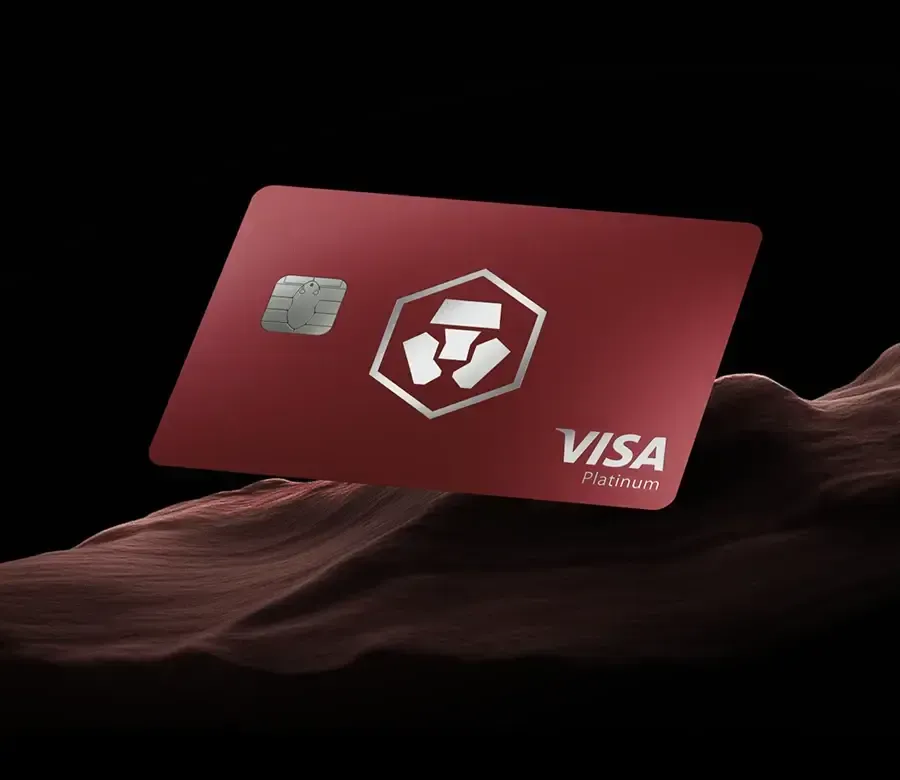
PLUS
2.0%
back in crypto · on every spend
€3.99 / month
or €39.90/year (€3.32/month)
Zero trading fees up to $20K/month
2.0% back in crypto on card spend
0% foreign exchange fees
EUR Cash Yield up to 1.35% p.a.
CRO Yield up to 2.00% p.a.
Virtual Visa card · Flexible cancel

PRO
3.0%
back in crypto · on every spend
€24.99 / month
or €249.90/year (€20.82/month)
Zero trading fees up to $50K/month
3.0% back in crypto on card spend
0% foreign exchange fees
EUR Cash Yield up to 1.70% p.a.
CRO Yield up to 2.50% p.a.
Airport lounge access (Priority Pass)
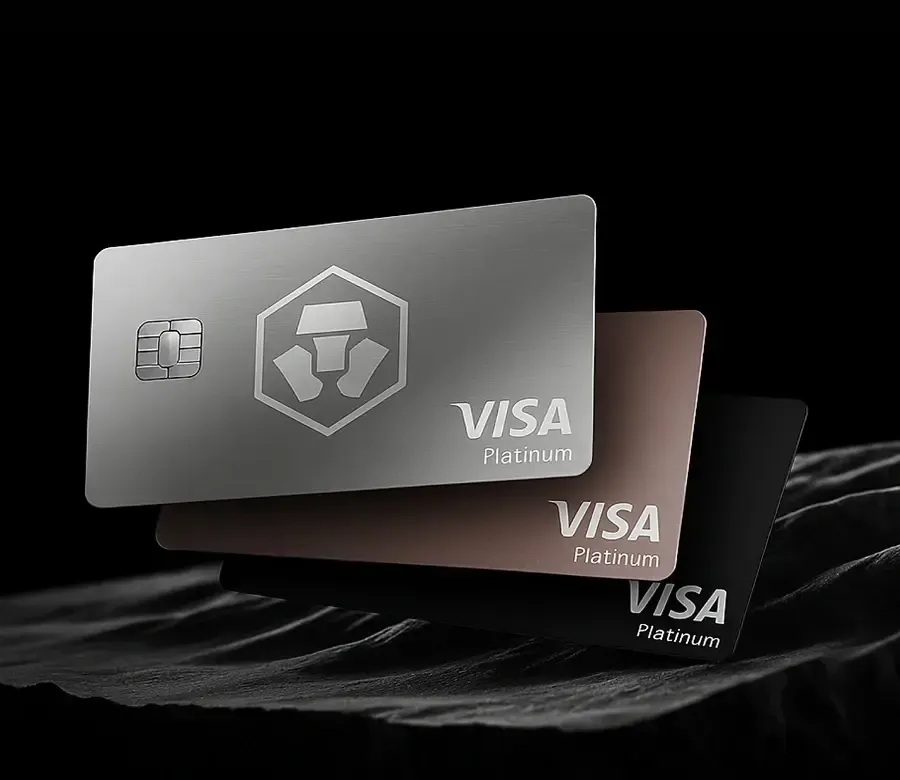
PRIVATE
4–6%
back in crypto · on every spend
CRO Lockup from €45,000
8.5% yield · 12-month staking · €450K tier at 9.5%
Zero trading fees · Unlimited volume
4.0%–6.0% back in crypto
0% foreign exchange fees
EUR Cash Yield up to 1.80% p.a.
Extra 1% p.a. on Earn allocations in CRO
VIP events · Exclusive experiences
8.5% CRO lockup rewards