
Versace (Capri Holdings) vs Gucci
Founding story, key facts and history — side by side.
Versace (Capri Holdings)
The bold, unapologetic Italian fashion house that turned sex appeal, Mediterranean luxury, and maximalism into a global pop-culture phenomenon.
| Founded | 1978 |
| Founders | Gianni Versace |
| HQ | Milan, Italy |
| Symbol | CPRI |
VS
Gucci
The family nearly destroyed it. Tom Ford saved it. Patrizia Reggiani had her ex-husband shot.
| Founded | 1921 |
| Founders | Guccio Gucci |
| HQ | Florence, Italy |
| Symbol | KER.PA |
The Story — Side by Side
1978
The Milanese maximalist explosion
Gianni Versace founded the house in Milan with a vision that was the exact opposite of the minimal, understated fashion of the time. Versace embraced vibrant colors, bold prints, Greek-inspired motifs (like the Medusa head), and daring cuts. The brand instantly became the symbol of high-octane glamour, dressing the world’s biggest stars and defining the look of the 1980s and 90s supermodel era.
1997
The tragic loss and the transition
The brand suffered a massive, existential shock following the assassination of Gianni Versace in 1997. His sister, Donatella Versace, took over the creative direction, a role she successfully maintained for decades. She navigated the brand through a difficult period, preserving Gianni’s legacy while evolving the house into a modern, global retail entity.
2018
The Capri Holdings acquisition
Versace was acquired by the American luxury group Capri Holdings (which also owns Michael Kors). The goal was to provide Versace with the necessary corporate, retail, and supply-chain infrastructure to compete with the massive European conglomerates like LVMH and Kering. This acquisition allowed the brand to accelerate its global expansion and deepen its reach into lucrative Asian markets.
2024
The high-end positioning strategy
Under Capri’s ownership, Versace has been meticulously repositioned to sit firmly at the top of the luxury hierarchy. The focus shifted back to ultra-high-end fashion and exclusive accessories. By reducing its footprint in lower-tier retail and focusing on its core "house codes"—Medusa hardware, safety pins, and bold prints—the company has managed to reclaim its status as a top-tier global luxury player.
2026
The glamorous Italian powerhouse
By mid-2026, Versace stands as the jewel in the Capri Holdings crown. It continues to be the primary leader in the "maximalist" luxury segment, maintaining its unique ability to combine raw, Italian sex appeal with sophisticated, high-end tailoring. The brand remains a dominant cultural force, consistently delivering the high-impact designs that have defined its name for nearly half a century.
1921
A Florentine saddler inspired by London hotels
Guccio Gucci was born in Florence in 1881 and worked as a lift operator and porter at the Savoy Hotel in London as a young man. He observed wealthy guests arriving with exquisite leather luggage and decided to make something similar. He returned to Florence and opened a leather goods shop in 1921, drawing on the Florentine tradition of fine leather craftsmanship. The GG monogram, the horsebit loafer, and the green-red-green stripe were all introduced in the 1950s and remain central to the brand today.
1953
Hollywood discovers Gucci
Grace Kelly was photographed using a Gucci bag to hide her pregnancy from photographers in 1956. Audrey Hepburn, Jackie Kennedy, and Peter Sellers were all photographed with Gucci products. The brand became synonymous with Italian glamour and Hollywood sophistication. Gucci opened stores in New York, Beverly Hills, and Tokyo in the 1960s, becoming one of the first European luxury brands to establish a global retail presence.
1980
The family feud that nearly destroyed everything
Guccio Gucci's sons and grandsons spent decades fighting each other for control of the company in disputes that combined Italian family drama with corporate dysfunction at operatic scale. By the 1980s, Gucci products had been so widely licensed — to luggage, watches, cigarette lighters, even toilet paper — that the brand had lost all prestige. A Gucci logo appeared on approximately 22,000 products. The family had taken one of the world's most distinctive luxury brands and turned it into a synonym for the cheap and ubiquitous.
1995
Tom Ford saves Gucci — and Maurizio Gucci is murdered
Tom Ford joined Gucci as creative director in 1990 and, working with CEO Domenico De Sole, transformed the brand. He eliminated the licensing agreements, reduced the product range, and redesigned Gucci's aesthetic from the ground up. His 1995 collection — featuring satin hipsters, velvet suits, and provocative sexuality — was credited with saving the brand. Gucci's revenues quadrupled in three years. On March 27, 1995, while Ford was rebuilding the brand, Maurizio Gucci — the last family member to control the company — was shot dead on the steps of his Milan office. His ex-wife Patrizia Reggiani had hired a hitman. When asked why she hadn't killed him herself, she reportedly said: "I didn't want to get my hands dirty." She was convicted and sentenced to 29 years; released in 2016. The case was dramatised in Ridley Scott's 2021 film "House of Gucci," starring Lady Gaga.
2023
After the golden decade — and the Sabato De Sarno reset
Gucci's revenues peaked at approximately €10 billion in 2022 under creative director Alessandro Michele, whose maximalist maximalism had defined the brand's decade-long renaissance. Michele departed in 2022. His successor Sabato De Sarno debuted in 2023 with a quieter, more restrained aesthetic that divided observers. Parent company Kering reported Gucci revenue declines through 2024 and into 2025, as the luxury slowdown hit hard and De Sarno's reset took time to gain traction. The brand that had been saved twice — once from the family, once from irrelevance — was in the early stages of its third reinvention.
Tools & Platforms
For Investors
The market doesn't care about your feelings.
But your broker's fees do.
But your broker's fees do.
Most people have a brokerage account. Fewer understand what it really costs them — in spreads, in fees, in missed instruments. Malta-regulated, direct market access, 600,000+ instruments.
Exante
Malta MFSA · 50 exchanges
Tickmill
Forex from 0.0 pips
Vantage
Multi-asset trading
Polymarket
Prediction markets
For Entrepreneurs
Opening a US company costs $300.
Most people think it's complicated. It isn't.
Most people think it's complicated. It isn't.
Most founders spend weeks on formation, banking and payments. The ones who move fast know which tools to use before they start. A US LLC, a real business account, and a way to pay people — in that order.
Mercury
Business finance · 300K+ founders
Doola
US LLC formation · YC backed
Melio
B2B payments
Xero 95% OFF
Accounting · 6 months
For C-Suite
Your competitor pays $200 less per month for EOR.
You're still on a spreadsheet.
You're still on a spreadsheet.
BVNK hired 20% of its workforce through Deel. The smartest operators aren't managing payroll complexity — they're outsourcing it. EOR in 150+ countries, multi-currency accounts, workforce payments at $200 less per month than competitors.
Deel
EOR · 150+ countries
Payoneer
$399/mo EOR · Save $200
Wise Business
40+ currencies · No hidden fees
Gusto
US payroll & benefits
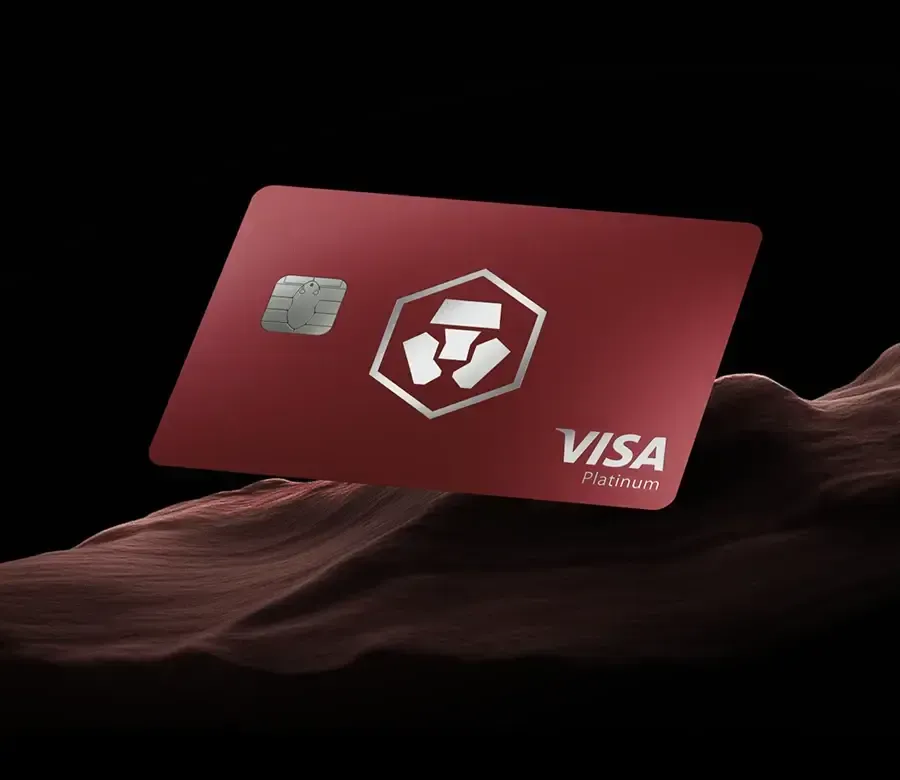
PLUS
2.0%
back in crypto · on every spend
€3.99 / month
or €39.90/year (€3.32/month)
Zero trading fees up to $20K/month
2.0% back in crypto on card spend
0% foreign exchange fees
EUR Cash Yield up to 1.35% p.a.
CRO Yield up to 2.00% p.a.
Virtual Visa card · Flexible cancel

PRO
3.0%
back in crypto · on every spend
€24.99 / month
or €249.90/year (€20.82/month)
Zero trading fees up to $50K/month
3.0% back in crypto on card spend
0% foreign exchange fees
EUR Cash Yield up to 1.70% p.a.
CRO Yield up to 2.50% p.a.
Airport lounge access (Priority Pass)
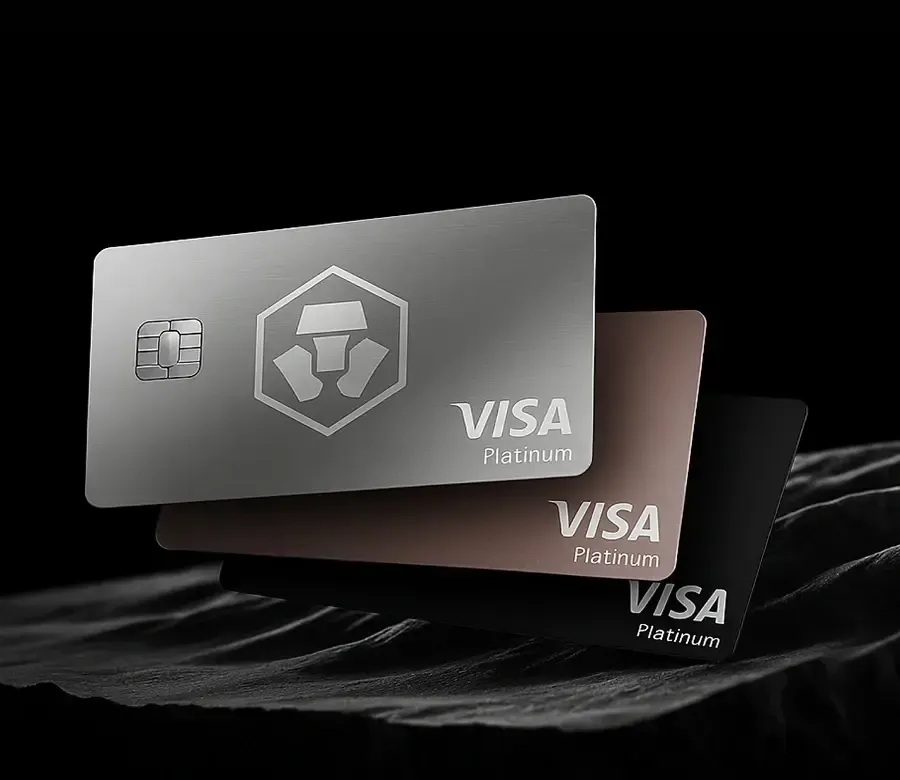
PRIVATE
4–6%
back in crypto · on every spend
CRO Lockup from €45,000
8.5% yield · 12-month staking · €450K tier at 9.5%
Zero trading fees · Unlimited volume
4.0%–6.0% back in crypto
0% foreign exchange fees
EUR Cash Yield up to 1.80% p.a.
Extra 1% p.a. on Earn allocations in CRO
VIP events · Exclusive experiences
8.5% CRO lockup rewards