
RI.PA (Euronext Paris) · Paris, France
Pernod Ricard
Paul Ricard invented pastis in Marseille in 1932. His company merged with Pernod in 1975. Now the world's second-largest spirits company after Diageo.
Live Price
—
Today
—
Symbol
RI.PA (Euronext Paris)
1932
A young Marseille entrepreneur invents pastis
Paul Ricard was 23 years old in 1932 when he developed the formula for pastis — an anise-flavoured spirit that became the defining drink of the French South. Pastis had been popular before absinthe was banned (the wormwood-based liqueur was prohibited in France in 1915), but Ricard's version was distinctive: 45% alcohol, with anise, liquorice root, and aromatic Provençal herbs, diluted with water that turned it milky yellow. He promoted it with the phrase "Ricard, c'est Marseille" — building a brand identity inseparable from a city, a culture, and a way of life in the South of France. Ricard SA became one of France's most recognisable consumer companies.
1975
The merger of France's two pastis rivals
Pernod SA and Ricard SA were France's two competing pastis companies, each with strong regional loyalties. They merged in 1975 to form Pernod Ricard, creating a French spirits group with immediate scale. The combined company added Pernod's anise-flavoured liqueurs to Ricard's pastis dominance, along with early international spirits assets. The merger gave the new group the financial strength to pursue the international acquisitions that would define the following decades.
2001
Seagram and the global portfolio
Pernod Ricard's transformation into a global spirits giant came through the acquisition of the Seagram spirits portfolio in 2001 — purchased jointly with Diageo from Vivendi after Seagram's Edgar Bronfman Jr. sold the company. Pernod Ricard acquired Chivas Regal Scotch whisky, Martell cognac, Ballantine's Scotch, and the Royal Salute ultra-premium whisky. The Seagram portfolio gave Pernod Ricard the premium and ultra-premium Scotch and cognac assets to compete globally with Diageo and the major American spirits companies. Further acquisitions added Jameson Irish whiskey, Absolut vodka (2008, $8.9 billion), The Glenlivet, Beefeater gin, and Malibu.
2008
Absolut — the Swedish vodka that changed everything
Pernod Ricard's $8.9 billion acquisition of Vin & Sprit from the Swedish government in 2008 was its largest deal, adding Absolut vodka to the portfolio. Absolut, launched in 1979 with a distinctive apothecary bottle designed by graphic artist Gunnar Broman, had become one of the world's most recognised premium vodka brands through decades of iconic advertising campaigns using artists including Andy Warhol. The acquisition positioned Pernod Ricard as a serious competitor to Diageo in the premium vodka category, while also adding the Swedish-origin brand story to a portfolio that already included cognac from France, Scotch from Scotland, and whiskey from Ireland.
2024
€11.6 billion in revenue — Jameson, Absolut, Chivas — price/premiumisation pressure
Pernod Ricard reported net revenue of approximately €11.6 billion for fiscal year 2024, with major brands including Jameson (the world's best-selling Irish whiskey), Absolut vodka, Chivas Regal and Ballantine's Scotch, Martell cognac, Malibu, Beefeater, and The Glenlivet. The company faced headwinds from declining spirits volumes in North America and China — where a luxury consumption slowdown hit Martell cognac particularly hard. Premium spirits had grown strongly through the post-COVID "premiumisation" trade-up; the subsequent normalisation created inventory overhang at distributors. Pernod Ricard remained the world's second-largest spirits company with a portfolio assembled through 50 years of acquisition.
Frequently Asked Questions
Who founded Pernod Ricard?
Pernod Ricard was founded by Merger of Pernod SA and Ricard SA.
When was Pernod Ricard founded?
Pernod Ricard was founded in 1975.
Where was Pernod Ricard founded?
Pernod Ricard was headquartered in Paris, France.
Why was Pernod Ricard created?
Paul Ricard was 23 years old in 1932 when he developed the formula for pastis — an anise-flavoured spirit that became the defining drink of the French South. Pastis had been popular before absinthe was banned (the wormwood-based liqueur was prohibited in France in 1915), but Ricard's version was distinctive: 45% alcohol, with anise, liquorice root, and aromatic Provençal herbs, diluted with water that turned it milky yellow. He promoted it with the phrase "Ricard, c'est Marseille" — building a brand identity inseparable from a city, a culture, and a way of life in the South of France. Ricard SA became one of France's most recognisable consumer companies.
What does Pernod Ricard do?
Paul Ricard invented pastis in Marseille in 1932. His company merged with Pernod in 1975. Now the world's second-largest spirits company after Diageo. Paul Ricard invented pastis in Marseille aged 23. His company merged with Pernod in 1975. Bought Seagram, then Absolut for $8.9B. Now world's no.2 spirits company. The full story.
How did Pernod Ricard grow?
Pernod Ricard reported net revenue of approximately €11.6 billion for fiscal year 2024, with major brands including Jameson (the world's best-selling Irish whiskey), Absolut vodka, Chivas Regal and Ballantine's Scotch, Martell cognac, Malibu, Beefeater, and The Glenlivet. The company faced headwinds from declining spirits volumes in North America and China — where a luxury consumption slowdown hit Martell cognac particularly hard. Premium spirits had grown strongly through the post-COVID "premiumisation" trade-up; the subsequent normalisation created inventory overhang at distributors. Pernod Ricard remained the world's second-largest spirits company with a portfolio assembled through 50 years of acquisition.
Tools & Platforms
For Investors
The market doesn't care about your feelings.
But your broker's fees do.
But your broker's fees do.
Most people have a brokerage account. Fewer understand what it really costs them — in spreads, in fees, in missed instruments. Malta-regulated, direct market access, 600,000+ instruments.
Exante
Malta MFSA · 50 exchanges
Tickmill
Forex from 0.0 pips
Vantage
Multi-asset trading
Polymarket
Prediction markets
For Entrepreneurs
Opening a US company costs $300.
Most people think it's complicated. It isn't.
Most people think it's complicated. It isn't.
Most founders spend weeks on formation, banking and payments. The ones who move fast know which tools to use before they start. A US LLC, a real business account, and a way to pay people — in that order.
Mercury
Business finance · 300K+ founders
Doola
US LLC formation · YC backed
Melio
B2B payments
Xero 95% OFF
Accounting · 6 months
For C-Suite
Your competitor pays $200 less per month for EOR.
You're still on a spreadsheet.
You're still on a spreadsheet.
BVNK hired 20% of its workforce through Deel. The smartest operators aren't managing payroll complexity — they're outsourcing it. EOR in 150+ countries, multi-currency accounts, workforce payments at $200 less per month than competitors.
Deel
EOR · 150+ countries
Payoneer
$399/mo EOR · Save $200
Wise Business
40+ currencies · No hidden fees
Gusto
US payroll & benefits
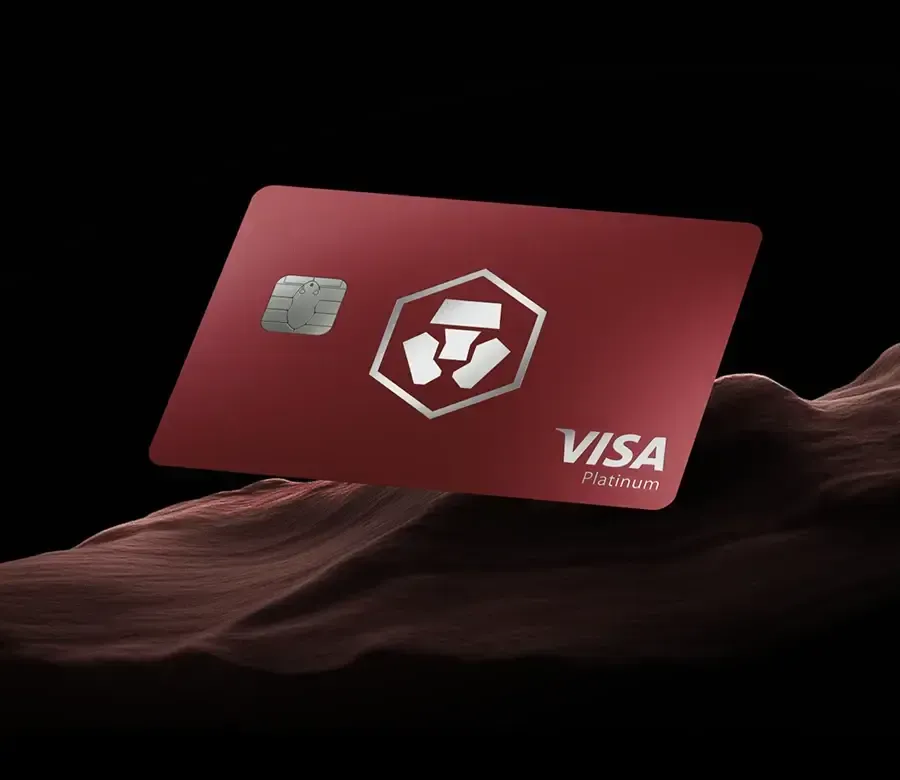
PLUS
2.0%
back in crypto · on every spend
€3.99 / month
or €39.90/year (€3.32/month)
Zero trading fees up to $20K/month
2.0% back in crypto on card spend
0% foreign exchange fees
EUR Cash Yield up to 1.35% p.a.
CRO Yield up to 2.00% p.a.
Virtual Visa card · Flexible cancel
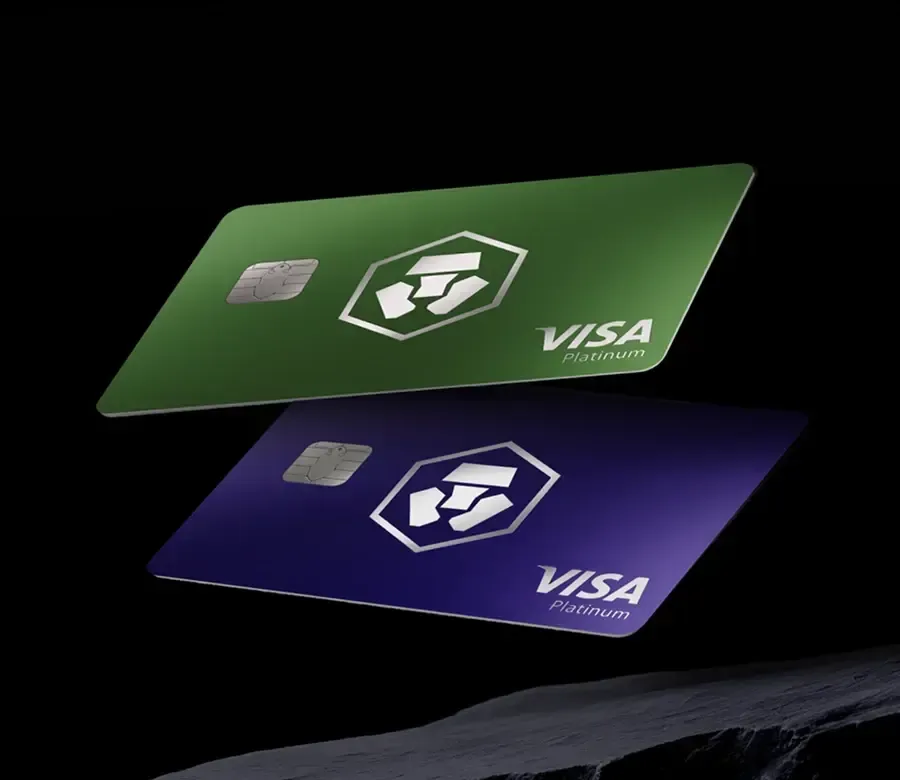
PRO
3.0%
back in crypto · on every spend
€24.99 / month
or €249.90/year (€20.82/month)
Zero trading fees up to $50K/month
3.0% back in crypto on card spend
0% foreign exchange fees
EUR Cash Yield up to 1.70% p.a.
CRO Yield up to 2.50% p.a.
Airport lounge access (Priority Pass)
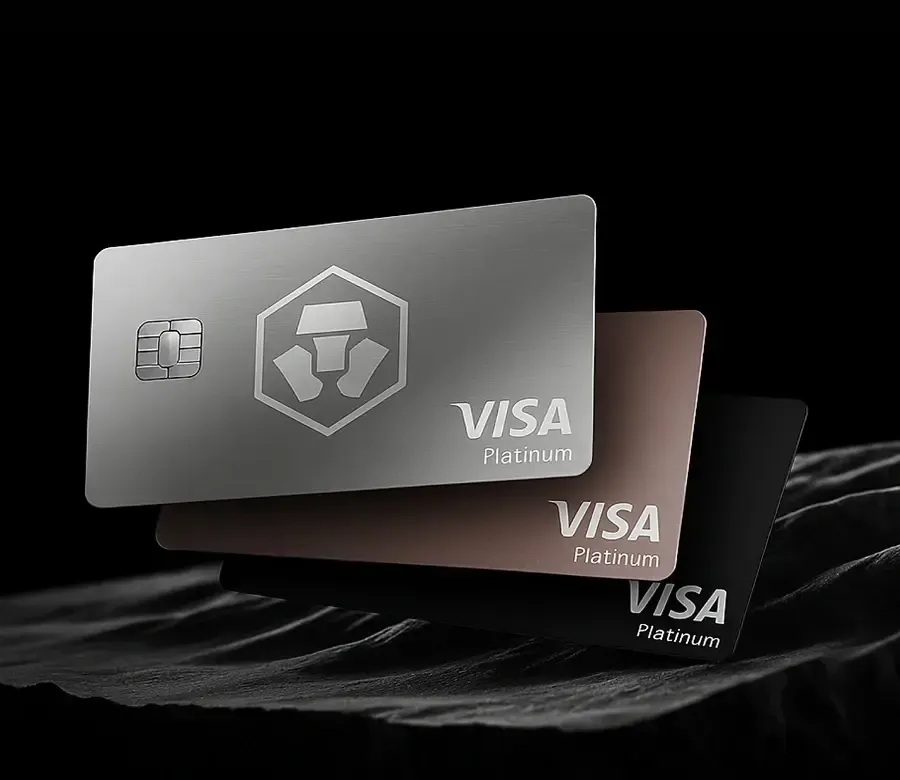
PRIVATE
4–6%
back in crypto · on every spend
CRO Lockup from €45,000
8.5% yield · 12-month staking · €450K tier at 9.5%
Zero trading fees · Unlimited volume
4.0%–6.0% back in crypto
0% foreign exchange fees
EUR Cash Yield up to 1.80% p.a.
Extra 1% p.a. on Earn allocations in CRO
VIP events · Exclusive experiences
8.5% CRO lockup rewards