
Private (2026 Tokyo IPO planned) · Tokyo, Japan
SmartHR
Japan's companies still faxed their payroll in 2013. SmartHR put it in the cloud. 80,000 companies later, it's going public.
Live Price
—
Today
—
Symbol
Private (2026 Tokyo IPO planned)
2013
Japan's paper and fax HR problem
SmartHR was founded in 2013 by Miyata Hiroshi in Tokyo, targeting a problem that was both enormous and widely accepted as immovable: Japan's corporate HR and payroll infrastructure was built on paper, fax machines, and stamped seals (hanko). Japanese companies filed social insurance documents, processed payroll, and managed employment contracts through a physical paper-based bureaucracy that had not substantially changed since the 1960s. The administrative burden on HR departments was extraordinary by any international comparison, and the process was error-prone and time-consuming. Miyata believed cloud software could eliminate most of this friction.
2015
The cloud alternative to the government's paper forms
SmartHR's core product connected directly to Japanese government social insurance databases, allowing companies to file social insurance applications electronically rather than manually completing and submitting paper forms. The government's e-Gov system technically permitted electronic filing but was so cumbersome that almost no companies used it. SmartHR built an interface that made electronic submission practical: a company entered employee data once, and SmartHR generated and submitted all required government filings automatically. The time saving was dramatic — what had taken days of administrative work could be completed in minutes.
2019
Beyond payroll — the talent management platform
SmartHR expanded beyond social insurance and payroll administration into talent management: performance reviews, goal setting, employee surveys, and organisational analytics. The expansion positioned SmartHR as a comprehensive people management platform rather than a compliance tool. Japanese enterprises increasingly recognised that their HR administrative burden was not only expensive but prevented HR departments from focusing on the human aspects of their role — developing talent, improving culture, and retaining employees in a labour market where skilled workers were increasingly scarce due to Japan's declining workforce.
2021
80,000 companies — largest HR SaaS in Japan
SmartHR reached 80,000 company users — the largest HR SaaS platform in Japan by customer count — with ARR exceeding $135 million. The company's customer base ranged from small businesses to major Japanese corporations, with enterprise accounts at companies like SoftBank, Toyota suppliers, and major banks. Growth had been driven primarily through word-of-mouth and product-led growth rather than aggressive sales: in a market where software was traditionally sold through relationships and complex procurement processes, SmartHR's direct sign-up and immediate value demonstration was distinctive.
2026
$1.2 billion valuation — Tokyo IPO — Japan's digital transformation poster child
SmartHR was valued at $1.2 billion and was preparing for an IPO on the Tokyo Stock Exchange expected in late 2026 — which would be one of the largest Japanese SaaS IPOs in history if it proceeded as planned. The company employed approximately 2,000 people and had processed payroll for millions of Japanese workers. ARR had grown substantially from the $135 million reported in 2021. Japan's government had accelerated digital transformation initiatives under Prime Minister Kishida and subsequently, creating regulatory tailwinds for SmartHR's paperless HR mission. The company that had started by replacing Japan's paper social insurance forms was becoming the infrastructure of the country's workplace modernisation.
Frequently Asked Questions
Who founded SmartHR?
SmartHR was founded by Miyata Hiroshi.
When was SmartHR founded?
SmartHR was founded in 2013.
Where was SmartHR founded?
SmartHR was headquartered in Tokyo, Japan.
Why was SmartHR created?
SmartHR was founded in 2013 by Miyata Hiroshi in Tokyo, targeting a problem that was both enormous and widely accepted as immovable: Japan's corporate HR and payroll infrastructure was built on paper, fax machines, and stamped seals (hanko). Japanese companies filed social insurance documents, processed payroll, and managed employment contracts through a physical paper-based bureaucracy that had not substantially changed since the 1960s. The administrative burden on HR departments was extraordinary by any international comparison, and the process was error-prone and time-consuming. Miyata believed cloud software could eliminate most of this friction.
What does SmartHR do?
Japan's companies still faxed their payroll in 2013. SmartHR put it in the cloud. 80,000 companies later, it's going public. Japan still faxed payroll in 2013. SmartHR moved it to the cloud. 80,000 companies. $1.2B valuation. Tokyo IPO planned. The full story of Japan's biggest HR SaaS.
How did SmartHR grow?
SmartHR was valued at $1.2 billion and was preparing for an IPO on the Tokyo Stock Exchange expected in late 2026 — which would be one of the largest Japanese SaaS IPOs in history if it proceeded as planned. The company employed approximately 2,000 people and had processed payroll for millions of Japanese workers. ARR had grown substantially from the $135 million reported in 2021. Japan's government had accelerated digital transformation initiatives under Prime Minister Kishida and subsequently, creating regulatory tailwinds for SmartHR's paperless HR mission. The company that had started by replacing Japan's paper social insurance forms was becoming the infrastructure of the country's workplace modernisation.
Tools & Platforms
For Investors
The market doesn't care about your feelings.
But your broker's fees do.
But your broker's fees do.
Most people have a brokerage account. Fewer understand what it really costs them — in spreads, in fees, in missed instruments. Malta-regulated, direct market access, 600,000+ instruments.
Exante
Malta MFSA · 50 exchanges
Tickmill
Forex from 0.0 pips
Vantage
Multi-asset trading
Polymarket
Prediction markets
For Entrepreneurs
Opening a US company costs $300.
Most people think it's complicated. It isn't.
Most people think it's complicated. It isn't.
Most founders spend weeks on formation, banking and payments. The ones who move fast know which tools to use before they start. A US LLC, a real business account, and a way to pay people — in that order.
Mercury
Business finance · 300K+ founders
Doola
US LLC formation · YC backed
Melio
B2B payments
Xero 95% OFF
Accounting · 6 months
For C-Suite
Your competitor pays $200 less per month for EOR.
You're still on a spreadsheet.
You're still on a spreadsheet.
BVNK hired 20% of its workforce through Deel. The smartest operators aren't managing payroll complexity — they're outsourcing it. EOR in 150+ countries, multi-currency accounts, workforce payments at $200 less per month than competitors.
Deel
EOR · 150+ countries
Payoneer
$399/mo EOR · Save $200
Wise Business
40+ currencies · No hidden fees
Gusto
US payroll & benefits
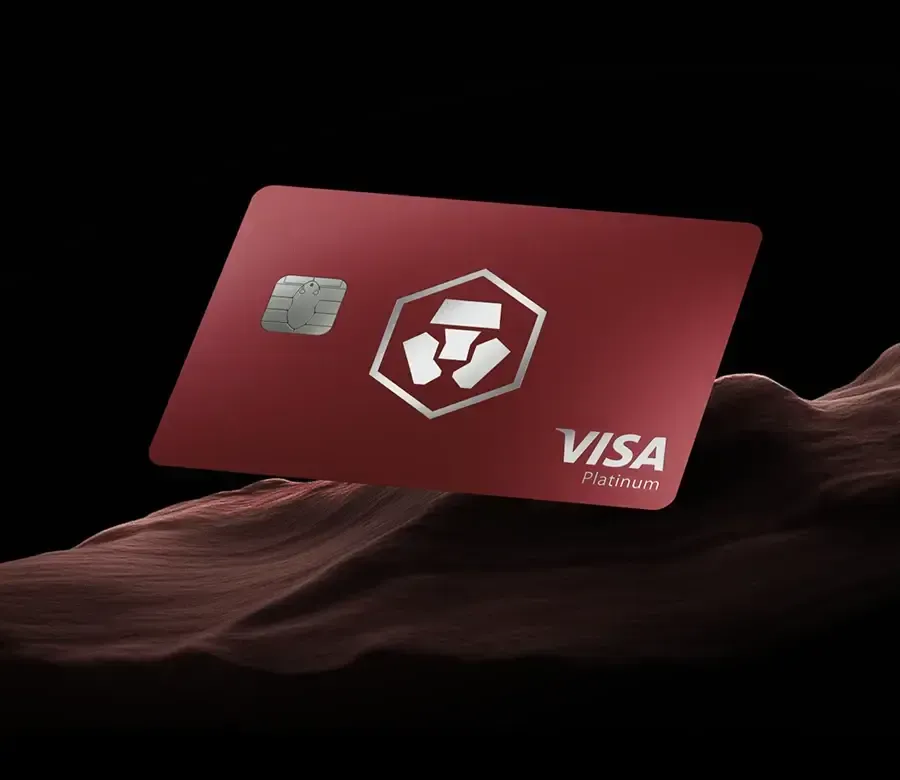
PLUS
2.0%
back in crypto · on every spend
€3.99 / month
or €39.90/year (€3.32/month)
Zero trading fees up to $20K/month
2.0% back in crypto on card spend
0% foreign exchange fees
EUR Cash Yield up to 1.35% p.a.
CRO Yield up to 2.00% p.a.
Virtual Visa card · Flexible cancel

PRO
3.0%
back in crypto · on every spend
€24.99 / month
or €249.90/year (€20.82/month)
Zero trading fees up to $50K/month
3.0% back in crypto on card spend
0% foreign exchange fees
EUR Cash Yield up to 1.70% p.a.
CRO Yield up to 2.50% p.a.
Airport lounge access (Priority Pass)
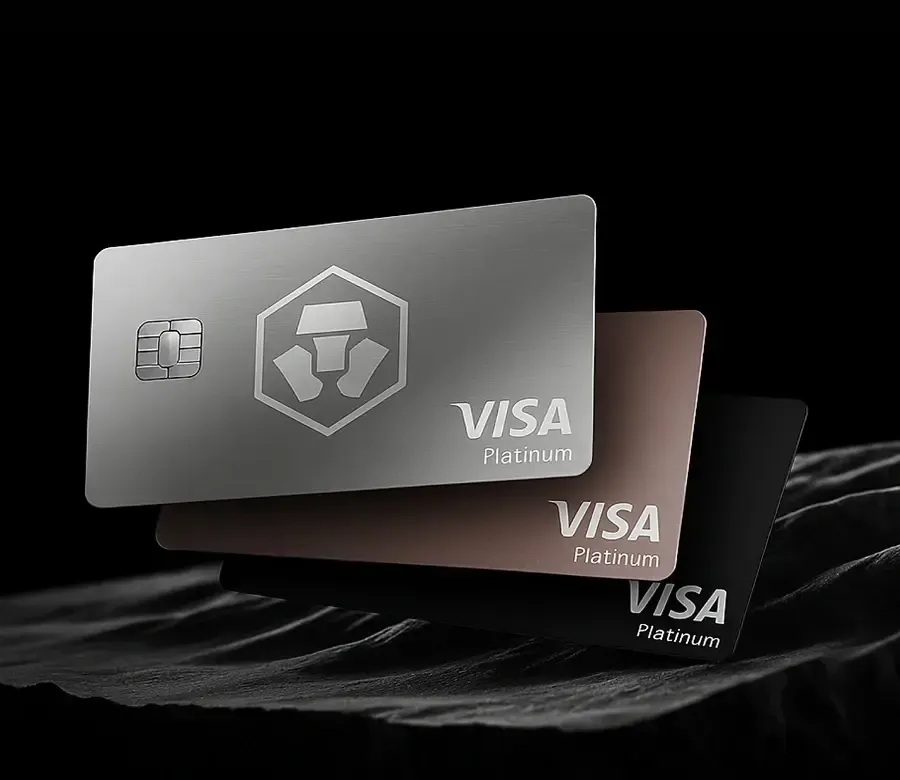
PRIVATE
4–6%
back in crypto · on every spend
CRO Lockup from €45,000
8.5% yield · 12-month staking · €450K tier at 9.5%
Zero trading fees · Unlimited volume
4.0%–6.0% back in crypto
0% foreign exchange fees
EUR Cash Yield up to 1.80% p.a.
Extra 1% p.a. on Earn allocations in CRO
VIP events · Exclusive experiences
8.5% CRO lockup rewards