
SQ · Oakland, California
Block (Square)
Born from a lost $2,000 glassblowing sale, it broke the credit card cartel and built a Bitcoin fortress.
Live Price
—
Today
—
Symbol
SQ
2009
The lost $2,000 glass art sale
In 2009, software engineer Jim McKelvey was trying to sell a custom glass faucet for $2,000 but had to walk away from the sale because he couldn't accept credit cards. Frustrated by the merchant account monopoly that required expensive equipment and long credit checks, he called his friend Jack Dorsey, who was then sidelined from Twitter. Operating out of a studio apartment, they jury-rigged a prototype that plugged a simple plastic reader directly into an iPhone's audio jack. This tiny square dongle bypassed the entire merchant banking cartel, allowing any vendor to process credit cards instantly for a flat 2.75% transaction fee.
2014
The secret multi-million dollar Starbucks bleeding hole
In a desperate bid to gain mainstream corporate legitimacy before its IPO, Square signed a massive processing deal with Starbucks in 2012, with Howard Schultz joining the board. The contract turned into a financial disaster as Square severely underpriced its processing fees to win the volume. By 2014, financial filings revealed that the Starbucks deal had actively bled over $70 million from Square's balance sheet due to high transaction processing costs. Square was forced to terminate the agreement early in 2015, absorbing a huge loss but successfully preserving the cash-generating merchant base that Wall Street valued.
2018
The Cash App viral peer-to-peer engine
While Square was built for physical small businesses, its ultimate modern cash cow came from an internal hackathon project originally called Square Cash. Under the aggressive leadership of Brian Grassadonia, the app integrated a clever peer-to-peer network design that allowed users to claim custom "$cashtags." By adding instant Bitcoin purchasing in 2018 and aggressively sponsoring hip-hop culture through viral Twitter cash giveaways, Cash App evolved from a simple Venmo clone into a dominant banking ecosystem for underbanked demographics, generating over $2 billion in quarterly gross profits.
2021
The Block rebrand and the $29 billion Afterpay gamble
In late 2021, Jack Dorsey stepped down as CEO of Twitter to focus entirely on the fintech company, officially rebranding Square as Block, Inc. to signal a permanent shift toward blockchain technology and decentralized finance architectures. Weeks later, Dorsey executed the company's largest and most controversial transaction: a massive $29 billion all-stock acquisition of Australian Buy-Now-Pay-Later pioneer Afterpay. Critics slammed the deal as a peak-bubble acquisition that diluted existing shareholders, but Dorsey insisted it was crucial to integrate micro-credit directly into the Cash App checkout ecosystem.
2026
The automated terminal ecosystem and the Bitcoin mining shift
By mid-2026, Block, Inc. successfully stabilized its dual ecosystem, with annual transaction volume climbing past a record $240 billion across its merchant terminals. Under Jack Dorsey's strict guidance, the company shifted a significant percentage of its corporate balance sheet and engineering resources into decentralized Bitcoin infrastructure, including the mass production of its proprietary three-nanometer mining chips. This heavy crypto integration drew persistent criticism from conservative institutional analysts, but Cash App's high-margin digital banking services kept total fiscal revenue strong at $24.8 billion.
Frequently Asked Questions
Who founded Block (Square)?
Block (Square) was founded by Jack Dorsey, Jim McKelvey.
When was Block (Square) founded?
Block (Square) was founded in 2009.
Where was Block (Square) founded?
Block (Square) was headquartered in Oakland, California.
Why was Block (Square) created?
In 2009, software engineer Jim McKelvey was trying to sell a custom glass faucet for $2,000 but had to walk away from the sale because he couldn't accept credit cards. Frustrated by the merchant account monopoly that required expensive equipment and long credit checks, he called his friend Jack Dorsey, who was then sidelined from Twitter. Operating out of a studio apartment, they jury-rigged a prototype that plugged a simple plastic reader directly into an iPhone's audio jack. This tiny square dongle bypassed the entire merchant banking cartel, allowing any vendor to process credit cards instantly for a flat 2.75% transaction fee.
What does Block (Square) do?
Born from a lost $2,000 glassblowing sale, it broke the credit card cartel and built a Bitcoin fortress. Square started from a failed glass art sale, survived a toxic Starbucks contract, and spent $29 billion on Afterpay. Discover the untold history of Block.
How did Block (Square) grow?
By mid-2026, Block, Inc. successfully stabilized its dual ecosystem, with annual transaction volume climbing past a record $240 billion across its merchant terminals. Under Jack Dorsey's strict guidance, the company shifted a significant percentage of its corporate balance sheet and engineering resources into decentralized Bitcoin infrastructure, including the mass production of its proprietary three-nanometer mining chips. This heavy crypto integration drew persistent criticism from conservative institutional analysts, but Cash App's high-margin digital banking services kept total fiscal revenue strong at $24.8 billion.
Tools & Platforms
For Investors
The market doesn't care about your feelings.
But your broker's fees do.
But your broker's fees do.
Most people have a brokerage account. Fewer understand what it really costs them — in spreads, in fees, in missed instruments. Malta-regulated, direct market access, 600,000+ instruments.
Exante
Malta MFSA · 50 exchanges
Tickmill
Forex from 0.0 pips
Vantage
Multi-asset trading
Polymarket
Prediction markets
For Entrepreneurs
Opening a US company costs $300.
Most people think it's complicated. It isn't.
Most people think it's complicated. It isn't.
Most founders spend weeks on formation, banking and payments. The ones who move fast know which tools to use before they start. A US LLC, a real business account, and a way to pay people — in that order.
Mercury
Business finance · 300K+ founders
Doola
US LLC formation · YC backed
Melio
B2B payments
Xero 95% OFF
Accounting · 6 months
For C-Suite
Your competitor pays $200 less per month for EOR.
You're still on a spreadsheet.
You're still on a spreadsheet.
BVNK hired 20% of its workforce through Deel. The smartest operators aren't managing payroll complexity — they're outsourcing it. EOR in 150+ countries, multi-currency accounts, workforce payments at $200 less per month than competitors.
Deel
EOR · 150+ countries
Payoneer
$399/mo EOR · Save $200
Wise Business
40+ currencies · No hidden fees
Gusto
US payroll & benefits
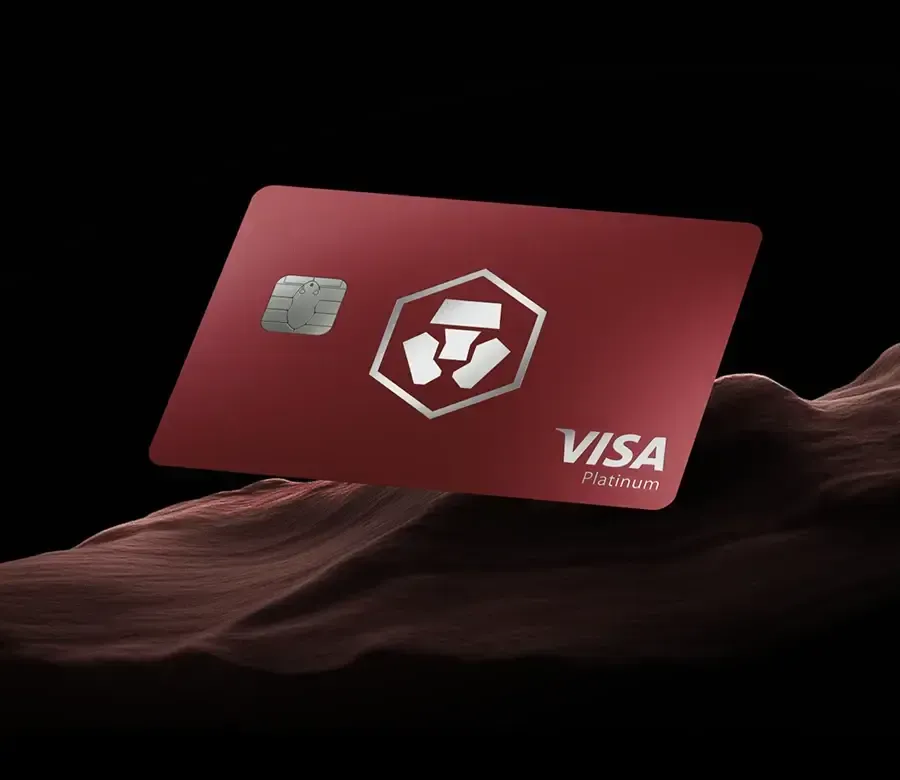
PLUS
2.0%
back in crypto · on every spend
€3.99 / month
or €39.90/year (€3.32/month)
Zero trading fees up to $20K/month
2.0% back in crypto on card spend
0% foreign exchange fees
EUR Cash Yield up to 1.35% p.a.
CRO Yield up to 2.00% p.a.
Virtual Visa card · Flexible cancel
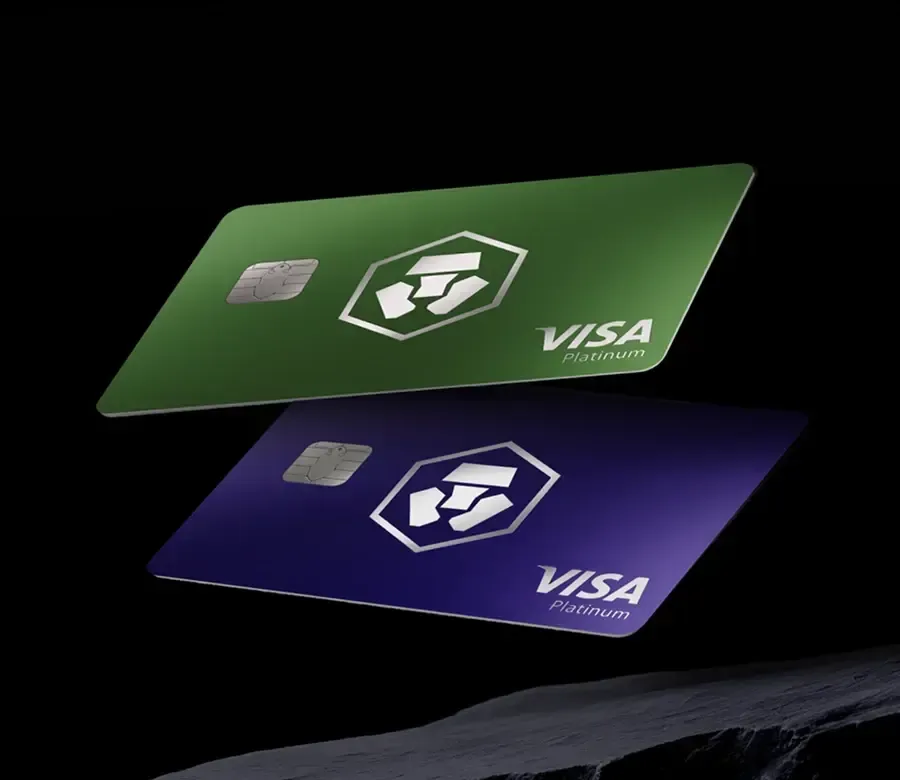
PRO
3.0%
back in crypto · on every spend
€24.99 / month
or €249.90/year (€20.82/month)
Zero trading fees up to $50K/month
3.0% back in crypto on card spend
0% foreign exchange fees
EUR Cash Yield up to 1.70% p.a.
CRO Yield up to 2.50% p.a.
Airport lounge access (Priority Pass)
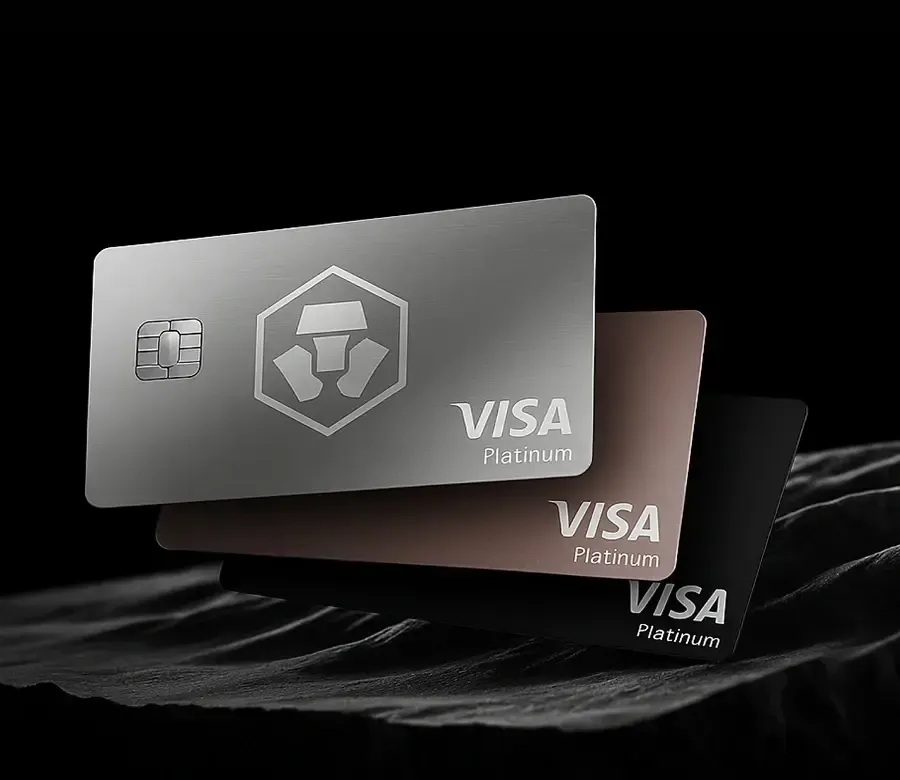
PRIVATE
4–6%
back in crypto · on every spend
CRO Lockup from €45,000
8.5% yield · 12-month staking · €450K tier at 9.5%
Zero trading fees · Unlimited volume
4.0%–6.0% back in crypto
0% foreign exchange fees
EUR Cash Yield up to 1.80% p.a.
Extra 1% p.a. on Earn allocations in CRO
VIP events · Exclusive experiences
8.5% CRO lockup rewards
Also in The Garage
Stripe
Two Irish brothers solved payments in a weekend. Now processing $1.9 trillion a year.
PayPal
It was called X.com. Elon Musk was fired on his honeymoon. The Mafia built Silicon Valley.