
9684 · Tokyo, Japan
Square Enix
The architects of modern narrative RPGs, whose legendary franchises built the foundations of Japanese fantasy storytelling.
Live Price
—
Today
—
Symbol
9684
1986
The RPG origin story
Square and Enix began as rivals, both creating genre-defining RPGs (*Final Fantasy* and *Dragon Quest*). These games introduced millions to epic fantasy storytelling, turn-based strategy, and massive, multi-world exploration. Their eventual 2003 merger created a JRPG powerhouse that effectively owned the identity of the Japanese role-playing genre for a global audience.
2010
The global brand modernization
Following the merger, the company spent a decade trying to evolve its classic turn-based style into modern, action-oriented, and "open-world" gaming. This transition was marked by both massive successes and controversial pivots, forcing the studio to learn how to balance its deep-seated tradition with the demands of the hyper-competitive, modern Western market.
2022
The Western studio divestment
Square Enix made a strategic decision to sell off its Western-developed studios (including *Tomb Raider* and *Deus Ex*). The goal was to pivot the company’s capital and focus entirely back to its core, Japanese-made RPG strengths. It was a "return-to-roots" play aimed at improving margins and ensuring the long-term health of their legacy franchises.
2024
The high-quality live-service integration
The company began successfully integrating "service-based" elements into its long-running franchises (like *Final Fantasy XIV*). By creating a world that players lived in for years, Square Enix turned its high-effort story games into reliable, high-revenue-generating live-service engines, stabilizing its financial profile without losing its "prestige" reputation.
2026
The sovereign house of Japanese RPGs
By mid-2026, Square Enix stands as a highly disciplined, premium publisher. It has successfully shed its "identity crisis" and now focuses exclusively on high-impact, high-quality RPG experiences. It remains the absolute leader in narrative-heavy gaming, operating with a lean, profitable business model that prioritizes its historical strengths.
Frequently Asked Questions
Who founded Square Enix?
Square Enix was founded by Masafumi Miyamoto (Square), Yasuhiro Fukushima (Enix).
When was Square Enix founded?
Square Enix was founded in 1986.
Where was Square Enix founded?
Square Enix was headquartered in Tokyo, Japan.
Why was Square Enix created?
Square and Enix began as rivals, both creating genre-defining RPGs (*Final Fantasy* and *Dragon Quest*). These games introduced millions to epic fantasy storytelling, turn-based strategy, and massive, multi-world exploration. Their eventual 2003 merger created a JRPG powerhouse that effectively owned the identity of the Japanese role-playing genre for a global audience.
What does Square Enix do?
The architects of modern narrative RPGs, whose legendary franchises built the foundations of Japanese fantasy storytelling. Explore the story of Square Enix, from the rivalry that birthed JRPG classics to its current rebirth as a disciplined master of high-end narrative gaming.
How did Square Enix grow?
By mid-2026, Square Enix stands as a highly disciplined, premium publisher. It has successfully shed its "identity crisis" and now focuses exclusively on high-impact, high-quality RPG experiences. It remains the absolute leader in narrative-heavy gaming, operating with a lean, profitable business model that prioritizes its historical strengths.
Tools & Platforms
For Investors
The market doesn't care about your feelings.
But your broker's fees do.
But your broker's fees do.
Most people have a brokerage account. Fewer understand what it really costs them — in spreads, in fees, in missed instruments. Malta-regulated, direct market access, 600,000+ instruments.
Exante
Malta MFSA · 50 exchanges
Tickmill
Forex from 0.0 pips
Vantage
Multi-asset trading
Polymarket
Prediction markets
For Entrepreneurs
Opening a US company costs $300.
Most people think it's complicated. It isn't.
Most people think it's complicated. It isn't.
Most founders spend weeks on formation, banking and payments. The ones who move fast know which tools to use before they start. A US LLC, a real business account, and a way to pay people — in that order.
Mercury
Business finance · 300K+ founders
Doola
US LLC formation · YC backed
Melio
B2B payments
Xero 95% OFF
Accounting · 6 months
For C-Suite
Your competitor pays $200 less per month for EOR.
You're still on a spreadsheet.
You're still on a spreadsheet.
BVNK hired 20% of its workforce through Deel. The smartest operators aren't managing payroll complexity — they're outsourcing it. EOR in 150+ countries, multi-currency accounts, workforce payments at $200 less per month than competitors.
Deel
EOR · 150+ countries
Payoneer
$399/mo EOR · Save $200
Wise Business
40+ currencies · No hidden fees
Gusto
US payroll & benefits
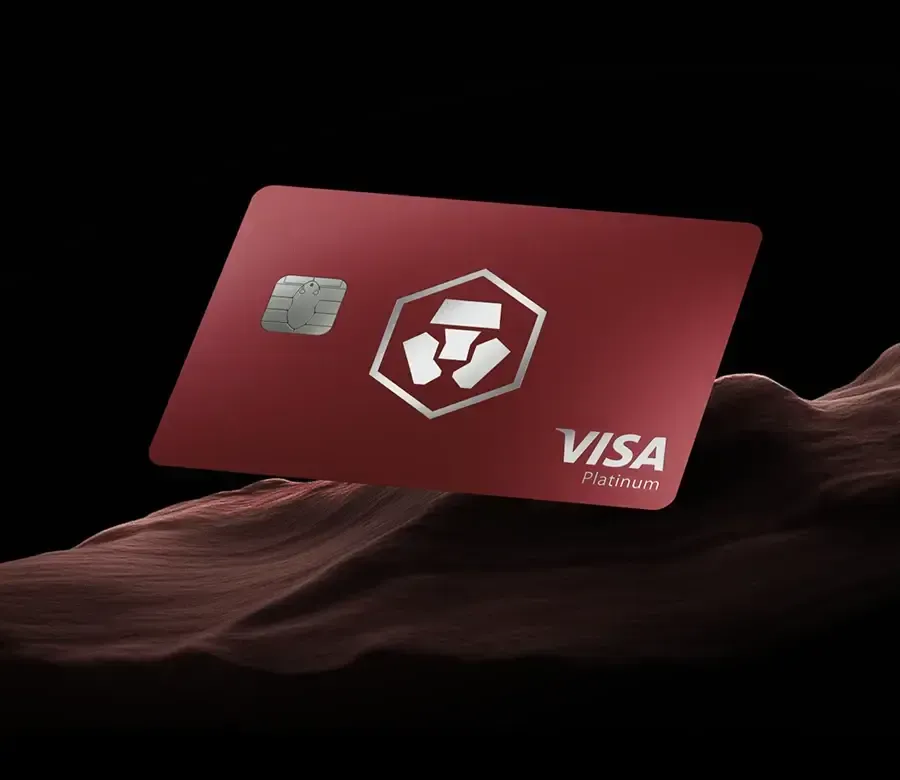
PLUS
2.0%
back in crypto · on every spend
€3.99 / month
or €39.90/year (€3.32/month)
Zero trading fees up to $20K/month
2.0% back in crypto on card spend
0% foreign exchange fees
EUR Cash Yield up to 1.35% p.a.
CRO Yield up to 2.00% p.a.
Virtual Visa card · Flexible cancel

PRO
3.0%
back in crypto · on every spend
€24.99 / month
or €249.90/year (€20.82/month)
Zero trading fees up to $50K/month
3.0% back in crypto on card spend
0% foreign exchange fees
EUR Cash Yield up to 1.70% p.a.
CRO Yield up to 2.50% p.a.
Airport lounge access (Priority Pass)

PRIVATE
4–6%
back in crypto · on every spend
CRO Lockup from €45,000
8.5% yield · 12-month staking · €450K tier at 9.5%
Zero trading fees · Unlimited volume
4.0%–6.0% back in crypto
0% foreign exchange fees
EUR Cash Yield up to 1.80% p.a.
Extra 1% p.a. on Earn allocations in CRO
VIP events · Exclusive experiences
8.5% CRO lockup rewards
Also in The Garage
Capcom Co., Ltd.
The arcade-era giant that transitioned into a master-class studio for high-intensity action, horror, and refined, technical gameplay.
Ubisoft Entertainment
The global studio juggernaut that perfected the "open-world" formula and turned massive, procedural landscapes into a standardized industry model.