
Private (Roark Capital, acquired 2024) · Milford, Connecticut
Subway
A 17-year-old borrowed $1,000 to pay for college. Built the world's largest restaurant chain. Sold it 60 years later for $9.6 billion.
Live Price
—
Today
—
Symbol
Private (Roark Capital, acquired 2024)
1965
$1,000, a handshake, and Pete's Super Submarines
Fred DeLuca was 17 years old in 1965, working minimum wage at a hardware store in Bridgeport, Connecticut, trying to figure out how to pay for college. He asked a family friend — Dr. Peter Buck, a nuclear physicist — for advice. Buck didn't offer tuition money. He offered $1,000 to open a submarine sandwich shop together. They shook hands. On August 28, 1965, they opened Pete's Super Submarines in Bridgeport, selling 312 sandwiches the first day. The first location failed. DeLuca's biggest regret was choosing a bad spot. The third location, in a high-visibility position, worked. The name changed to Subway in 1968.
1974
Franchising and the assembly-line sandwich
By 1974, DeLuca and Buck had opened 16 Connecticut locations. They began franchising — a decision that launched extraordinary growth. The Subway model was built for replication: low startup costs ($15,000-$30,000 vs. hundreds of thousands for McDonald's), simple operations, a customisable assembly-line sandwich that required no cooking equipment beyond a toaster oven, and aggressive international expansion. DeLuca was known for pushing franchisees to open additional stores near their existing ones — sometimes across the street — creating a density that no competitor matched.
2002
The world's largest restaurant chain — more locations than McDonald's
In 2002, Subway became the largest fast-food chain in the United States by number of outlets, surpassing McDonald's. At its peak, Subway operated nearly 44,000 locations across more than 100 countries — more restaurants than any chain in history. The growth was built on a simple value proposition for franchisees: lower investment, lower risk, and a brand that had become synonymous with "healthy fast food" through years of effective marketing, including the famous "Jared" campaign featuring a customer who claimed to have lost 245 pounds eating at Subway.
2015
Fred DeLuca dies — and the decline begins
Fred DeLuca was diagnosed with leukaemia in 2013 and died on September 14, 2015, at age 67 — just weeks after Subway's 50th anniversary. Control passed to his sister Suzanne Greco, then to John Chidsey, the first non-family CEO, in 2019. Net store count had been falling since 2015 — approximately 7,000 locations closed between 2015 and 2023, primarily due to poor unit economics for franchisees in a market where Chipotle, Jersey Mike's, and delivery platforms were taking customers. The Jared scandal (his conviction for child sex offences in 2015) had damaged the brand's marketing legacy.
2024
$9.6 billion sale to Roark Capital — 37,000 stores — the PE turnaround begins
Subway was sold to Roark Capital Group — a private equity firm specialising in franchise brands (also owning Dunkin', Arby's, Jimmy John's, Sonic, Buffalo Wild Wings) — for $9.6 billion in a deal completed in April 2024, ending 60 years of DeLuca family ownership. Subway operated approximately 37,000 restaurants globally and generated about $9.5 billion in US systemwide sales in 2024. The "Fresh Forward 2.0" restaurant redesign was unveiled in late 2024, with a global rollout planned for 2025. The 17-year-old who had borrowed $1,000 to pay for college had built a restaurant system now owned by private equity.
Frequently Asked Questions
Who founded Subway?
Subway was founded by Fred DeLuca, Peter Buck.
When was Subway founded?
Subway was founded in 1965.
Where was Subway founded?
Subway was headquartered in Milford, Connecticut.
Why was Subway created?
Fred DeLuca was 17 years old in 1965, working minimum wage at a hardware store in Bridgeport, Connecticut, trying to figure out how to pay for college. He asked a family friend — Dr. Peter Buck, a nuclear physicist — for advice. Buck didn't offer tuition money. He offered $1,000 to open a submarine sandwich shop together. They shook hands. On August 28, 1965, they opened Pete's Super Submarines in Bridgeport, selling 312 sandwiches the first day. The first location failed. DeLuca's biggest regret was choosing a bad spot. The third location, in a high-visibility position, worked. The name changed to Subway in 1968.
What does Subway do?
A 17-year-old borrowed $1,000 to pay for college. Built the world's largest restaurant chain. Sold it 60 years later for $9.6 billion. Fred DeLuca borrowed $1,000 at 17 to open a sandwich shop. Built the world's largest restaurant chain. Sold for $9.6 billion to Roark Capital in 2024. The full story.
How did Subway grow?
Subway was sold to Roark Capital Group — a private equity firm specialising in franchise brands (also owning Dunkin', Arby's, Jimmy John's, Sonic, Buffalo Wild Wings) — for $9.6 billion in a deal completed in April 2024, ending 60 years of DeLuca family ownership. Subway operated approximately 37,000 restaurants globally and generated about $9.5 billion in US systemwide sales in 2024. The "Fresh Forward 2.0" restaurant redesign was unveiled in late 2024, with a global rollout planned for 2025. The 17-year-old who had borrowed $1,000 to pay for college had built a restaurant system now owned by private equity.
Tools & Platforms
For Investors
The market doesn't care about your feelings.
But your broker's fees do.
But your broker's fees do.
Most people have a brokerage account. Fewer understand what it really costs them — in spreads, in fees, in missed instruments. Malta-regulated, direct market access, 600,000+ instruments.
Exante
Malta MFSA · 50 exchanges
Tickmill
Forex from 0.0 pips
Vantage
Multi-asset trading
Polymarket
Prediction markets
For Entrepreneurs
Opening a US company costs $300.
Most people think it's complicated. It isn't.
Most people think it's complicated. It isn't.
Most founders spend weeks on formation, banking and payments. The ones who move fast know which tools to use before they start. A US LLC, a real business account, and a way to pay people — in that order.
Mercury
Business finance · 300K+ founders
Doola
US LLC formation · YC backed
Melio
B2B payments
Xero 95% OFF
Accounting · 6 months
For C-Suite
Your competitor pays $200 less per month for EOR.
You're still on a spreadsheet.
You're still on a spreadsheet.
BVNK hired 20% of its workforce through Deel. The smartest operators aren't managing payroll complexity — they're outsourcing it. EOR in 150+ countries, multi-currency accounts, workforce payments at $200 less per month than competitors.
Deel
EOR · 150+ countries
Payoneer
$399/mo EOR · Save $200
Wise Business
40+ currencies · No hidden fees
Gusto
US payroll & benefits
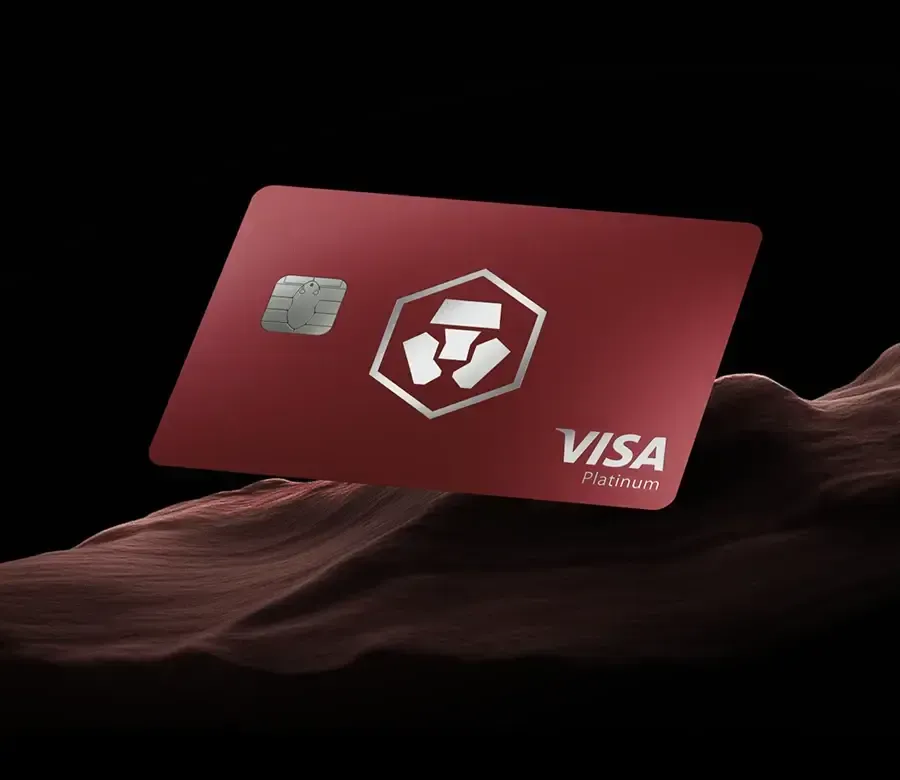
PLUS
2.0%
back in crypto · on every spend
€3.99 / month
or €39.90/year (€3.32/month)
Zero trading fees up to $20K/month
2.0% back in crypto on card spend
0% foreign exchange fees
EUR Cash Yield up to 1.35% p.a.
CRO Yield up to 2.00% p.a.
Virtual Visa card · Flexible cancel
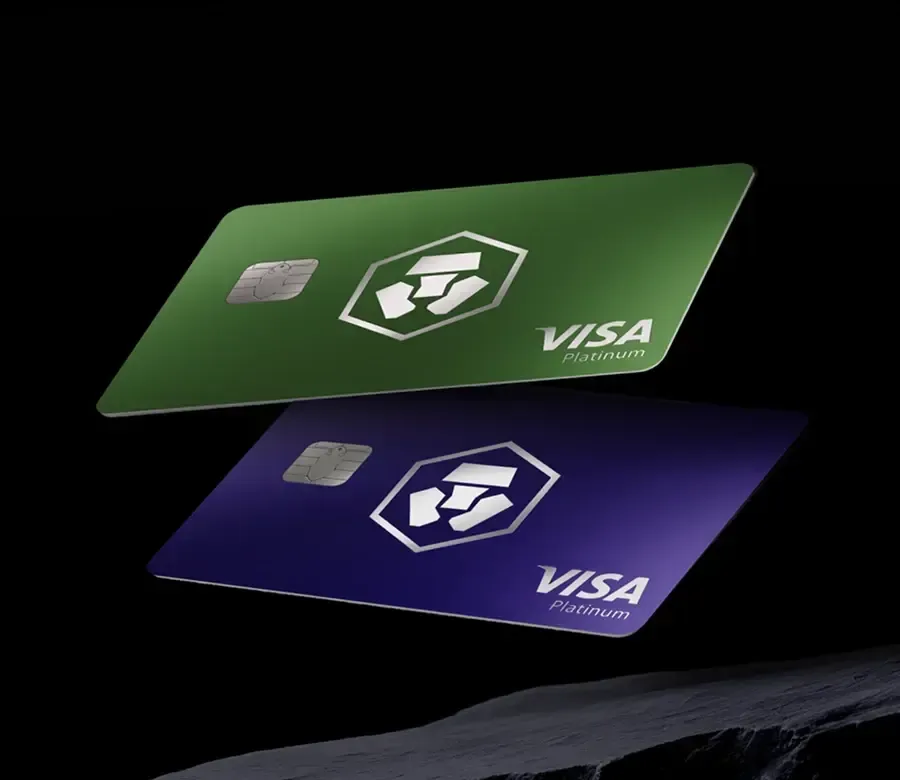
PRO
3.0%
back in crypto · on every spend
€24.99 / month
or €249.90/year (€20.82/month)
Zero trading fees up to $50K/month
3.0% back in crypto on card spend
0% foreign exchange fees
EUR Cash Yield up to 1.70% p.a.
CRO Yield up to 2.50% p.a.
Airport lounge access (Priority Pass)
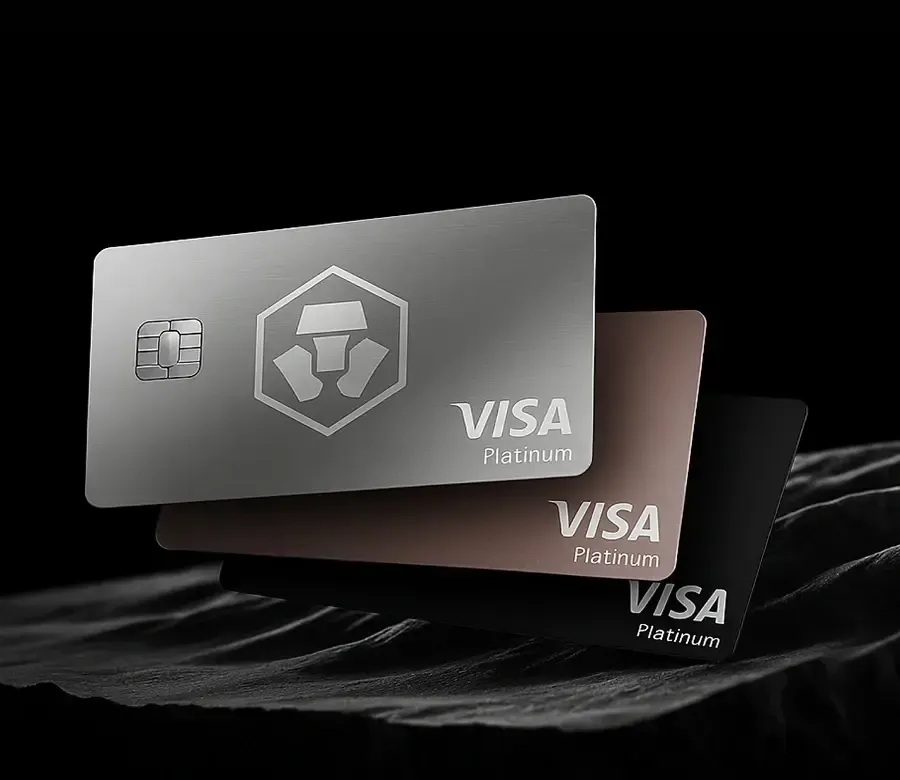
PRIVATE
4–6%
back in crypto · on every spend
CRO Lockup from €45,000
8.5% yield · 12-month staking · €450K tier at 9.5%
Zero trading fees · Unlimited volume
4.0%–6.0% back in crypto
0% foreign exchange fees
EUR Cash Yield up to 1.80% p.a.
Extra 1% p.a. on Earn allocations in CRO
VIP events · Exclusive experiences
8.5% CRO lockup rewards