
Hub
Off The Record
Revolut Spent Zero on Marketing for Seven Years. Here's the Question Nobody Asked.
business · Off The Record
Revolut Spent Zero on Marketing for Seven Years. Here's the Question Nobody Asked.

Revolut Spent Zero on Marketing for Seven Years. Here's the Question Nobody Asked.
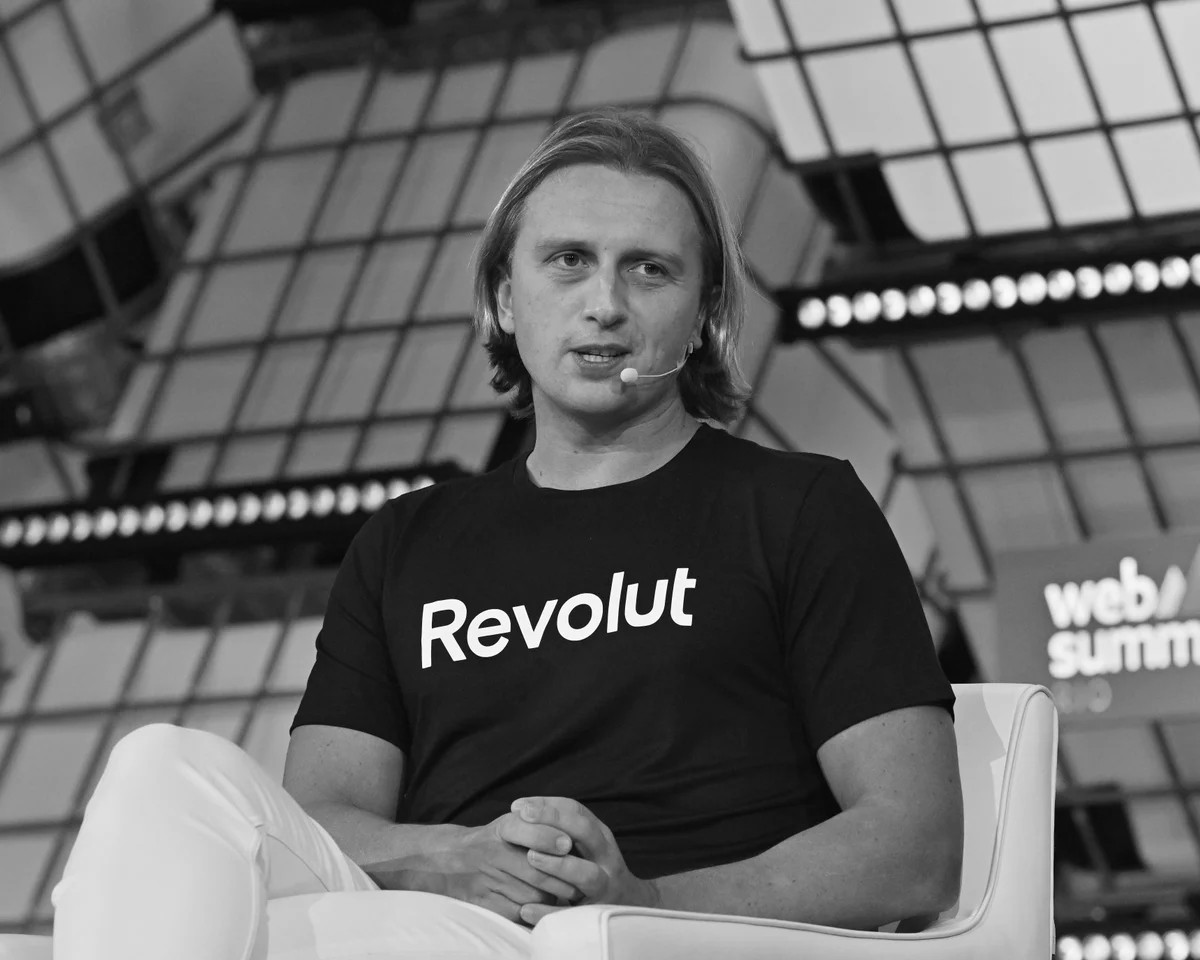
Nik Storonsky said it on Bloomberg last week without flinching: zero marketing spend for the first five to seven years. Everyone reporting this treated it as a marketing insight. It isn't. It's a product insight dressed up as a budget decision — and missing that distinction is why most of the companies trying to copy Revolut will fail at it.The thing Storonsky actually understood
In 2015, every bank in Europe was charging 2-4% on foreign exchange. Hidden in the rate, never shown as a line item, never explained. You sent €1,000 to someone in the US and €960 arrived. The bank called it "the rate." It was a tax. Storonsky had spent years as a derivatives trader at Credit Suisse and Lehman Brothers. He understood exactly what that margin was, where it went, and — crucially — that it existed only because nobody had yet built the thing that would make it disappear. He didn't build a better bank. He built a product that made the question "why is my bank doing this to me" suddenly answerable. Three thousand people signed up on the first day of launch, at a London fintech event, with no advertising, because the product answered a question people had been asking for years without realising it was a question. That's not a marketing story. That's what happens when you solve something real.Why copying "zero marketing" is the wrong lesson
The companies that will try to apply "don't spend on marketing" as a strategy will mostly fail, because they're treating the output as the input. Revolut didn't grow through word of mouth because it decided not to run ads. It grew through word of mouth because it saved people money on something they used constantly and had been overcharged on for their entire adult lives. The ad budget wasn't the variable. The product was the variable. The zero spend was a consequence of building something that didn't need the ad budget to convince people it was worth using. Every startup that burns through millions on Meta ads before achieving product-market fit is doing the same thing in reverse — using advertising spend to paper over the gap between what they've built and what people actually want. The gap doesn't close because you spent more on ads. It closes when you build the thing that makes people tell their friends without being asked.The part of the Revolut story nobody covers
In 2018, Wired ran an investigation into Revolut's internal culture — unpaid trial periods, confrontational leadership, metrics over people. Storonsky disputed some of it. He acknowledged the rest. The culture changed. The growth didn't slow. By 2018, Revolut had 2 million users, still without a meaningful marketing budget. Not because they ignored the culture problem, but because the product had already done the work. A company with 2 million users who actively use the product every time they travel or send money internationally has a word-of-mouth engine that doesn't switch off because of a Wired article. This is also the part most founders miss: culture matters, and culture is not the same as growth. You can have a broken culture and still grow if the product is genuinely solving something. You cannot have a perfect culture and grow if the product isn't. Revolut had to fix the culture. It didn't have to fix the product.Where it is now, and what the numbers actually say
UK banking licence: July 2024, after a three-year wait that became a symbol of European regulators struggling to keep pace. Valuation: $75 billion. Full-year 2025 revenue: $6 billion. Pre-tax profit: $2.3 billion. Transaction volume: $1.7 trillion. Users: 70 million — more than HSBC, more than Barclays. In March 2026, Revolut filed for a US national bank charter. Storonsky is talking about an IPO at up to $200 billion. The prepaid card that launched at a fintech event in 2015, to three thousand people, without a single paid advertisement, is now the foundation of one of the most ambitious financial services companies in the world. The entire Revolut story from 2015 to 2026 is in FreeMalta's Garage — founding moment, culture controversy, the banking licence battle, and where it goes next.The actual question
Here's what nobody asks about the Revolut story: what happens to the companies that are doing to Revolut what Revolut did to the banks? Wise has been doing it longer, more quietly, and with arguably better unit economics. Wise Business is what most Malta-based companies use when they need multi-currency accounts that don't charge the Revolut-charges-the-banks margin on every transaction. Payoneer solved the same problem from the other direction — not the bank account, but the payment receipt side, the freelancer getting paid from Upwork or the founder invoicing a US client. Doola is doing it to company formation what Revolut did to banking — making a thing that used to require a lawyer, a flight, and three weeks take an afternoon. The pattern Storonsky identified in 2015 didn't end with Revolut. Every industry where someone is extracting margin on a process that doesn't justify it is waiting for the same thing: a product that makes the margin disappear, and three thousand people who sign up on day one because they've been waiting for exactly that without knowing it existed. The question isn't whether Revolut's zero-marketing story is replicable. It's whether you're building the thing that makes the question obvious — or the thing that needs the ad budget to convince people it's worth using. Only one of those compounds.
Want to reach Malta's most engaged business audience?
Media Kit
Tools used in this piece
The Network

Malta Insider
Official OpenAI Select Partner. Enterprise AI deployment, Fractional CAIO and business consulting for Malta.
maltainsider.com →
Gambity
The first AI-native newsroom for prediction markets. Eight AI journalists. 30+ daily articles.
Explore Gambity →

News Beast
Malta's AI-native newsroom. 10 personas, 22 categories, updated every hour. Cloudflare Worker on the edge.
Read News Beast →