The SaaSpocalypse Is Real. Monday.com Just Laid Off 620 People to Prove It.

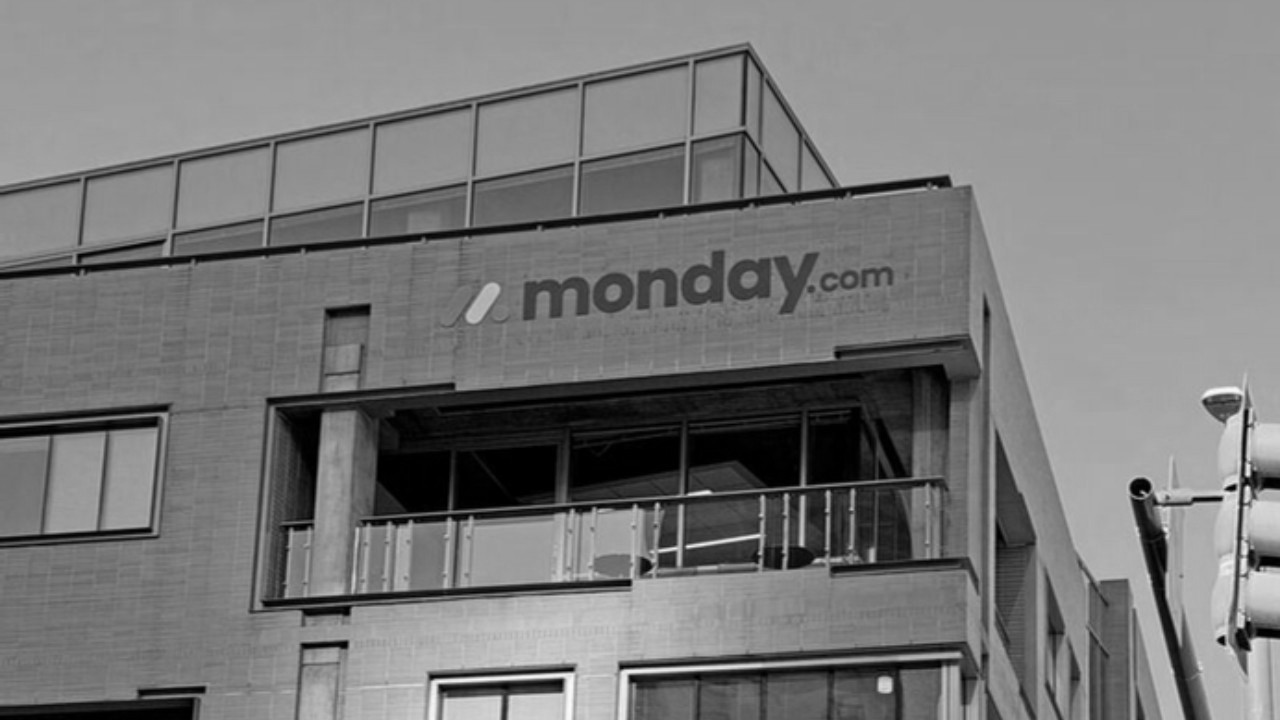
On July 22, 2026, Monday.com's co-CEO Eran Zinman sent a memo to his employees.
It was, as these things go, well-written. Empathetic. Honest about the difficulty of the decision. It thanked the people being let go for their contributions. It promised a generous severance package. It said, clearly and repeatedly, that the layoffs were not about cutting costs, not about replacing people with AI, not about anything other than positioning the company for the future.
620 people lost their jobs anyway.
That is 20% of Monday.com's global workforce. Roughly 350 of them were in Tel Aviv, where the company was founded. The restructuring will cost between $45 million and $55 million. The stock, which had already fallen 65% in the past year, jumped from $71 to nearly $90 on the news.
Markets approved. 620 people lost their jobs and Wall Street celebrated. That tells you everything you need to know about what markets think the problem is — and what they think the solution looks like.
The SaaSpocalypse — the word analysts started using half-jokingly in 2025 and now use with complete seriousness — is the idea that AI is about to hollow out the subscription software industry the same way streaming hollowed out cable television. Not by making the products worse. By making the question "why am I paying for this" much harder to answer.
Look at the numbers.
HubSpot, which sells CRM and marketing software to businesses that could increasingly use AI agents to do the same work, is down 52% in the past year. Adobe, whose creative tools are now competing with image generators that cost a fraction of a Creative Cloud subscription, is down 26%. Salesforce, the company that practically invented enterprise SaaS, is down 27%. Figma, which went public expecting a different market than the one it found, is down 35% year to date.
Monday.com is down 65%.
These are not companies that are badly run. They are companies that built excellent businesses on a model that made perfect sense for twenty years and is now being stress-tested by something that did not exist at scale when they designed their pricing pages.
The model was simple. You sell software by subscription. The customer pays every month or every year. The software does something useful. The customer renews because switching is painful and the software keeps getting better. Recurring revenue. Predictable growth. The market rewards predictability with high multiples. Everyone is happy.
Then someone built an AI agent that can manage your projects, update your CRM, generate your marketing copy, and design your landing page. Not perfectly. Not yet. But well enough that the finance team starts asking the question.
Why are we paying for all of this?
Monday.com's memo says the decision was "not made to reduce costs or replace people with AI." That is technically accurate and almost completely beside the point. The company is not replacing its employees with AI. It is restructuring to survive in a world where its customers might replace Monday.com with AI. That is a more uncomfortable sentence to put in a memo, but it is the one that explains why 620 people are now updating their LinkedIn profiles.
The co-CEO writes: "We entered a new era where AI is transforming the role of software, creating the greatest opportunity our industry has ever seen."
He is right. It is also the greatest threat his industry has ever seen. Both things are true simultaneously, and the companies that figure out how to hold both of those truths at the same time — rather than pretending the threat is actually an opportunity in disguise — are the ones that will still be here in five years.
The ones that don't will keep sending well-written memos while the headcount falls.
There is a version of this story where Monday.com comes out of the restructuring leaner, faster, and genuinely AI-native — where the smaller, more autonomous teams Zinman describes actually outcompete both traditional SaaS players and pure AI tools by combining human judgment with AI execution in ways neither can match alone. That version is possible. The company's existing customers are real, the product is genuinely useful, and the team that remains is presumably the one leadership believes can build whatever comes next.
But the stock has already voted on the probability of that outcome.
620 people. $45 to $55 million in restructuring charges. A 65% decline in share price over twelve months. A memo that says this is not about costs, not about AI replacing people, not about protecting what exists — and yet somehow produces all three of those outcomes simultaneously.
The SaaSpocalypse was not supposed to happen this fast. The analysts who coined the term were thinking in terms of years, not quarters.
Monday.com just made it a memo.