Those Were the Days. Malta, What Happened to You.

I arrived in Malta in 2014. Not because I had a plan. Not because I had researched the job market or calculated the tax rate or attended a relocation seminar. I arrived because life took me here, the way life sometimes takes you somewhere before you've decided to go.
In 2020, I became a Maltese citizen. I didn't have to think about it for long. This island had already become home in every way that mattered — I grew up here, professionally and personally, in ways I hadn't expected and couldn't have planned. Malta gave me something. I wanted to give it a name.
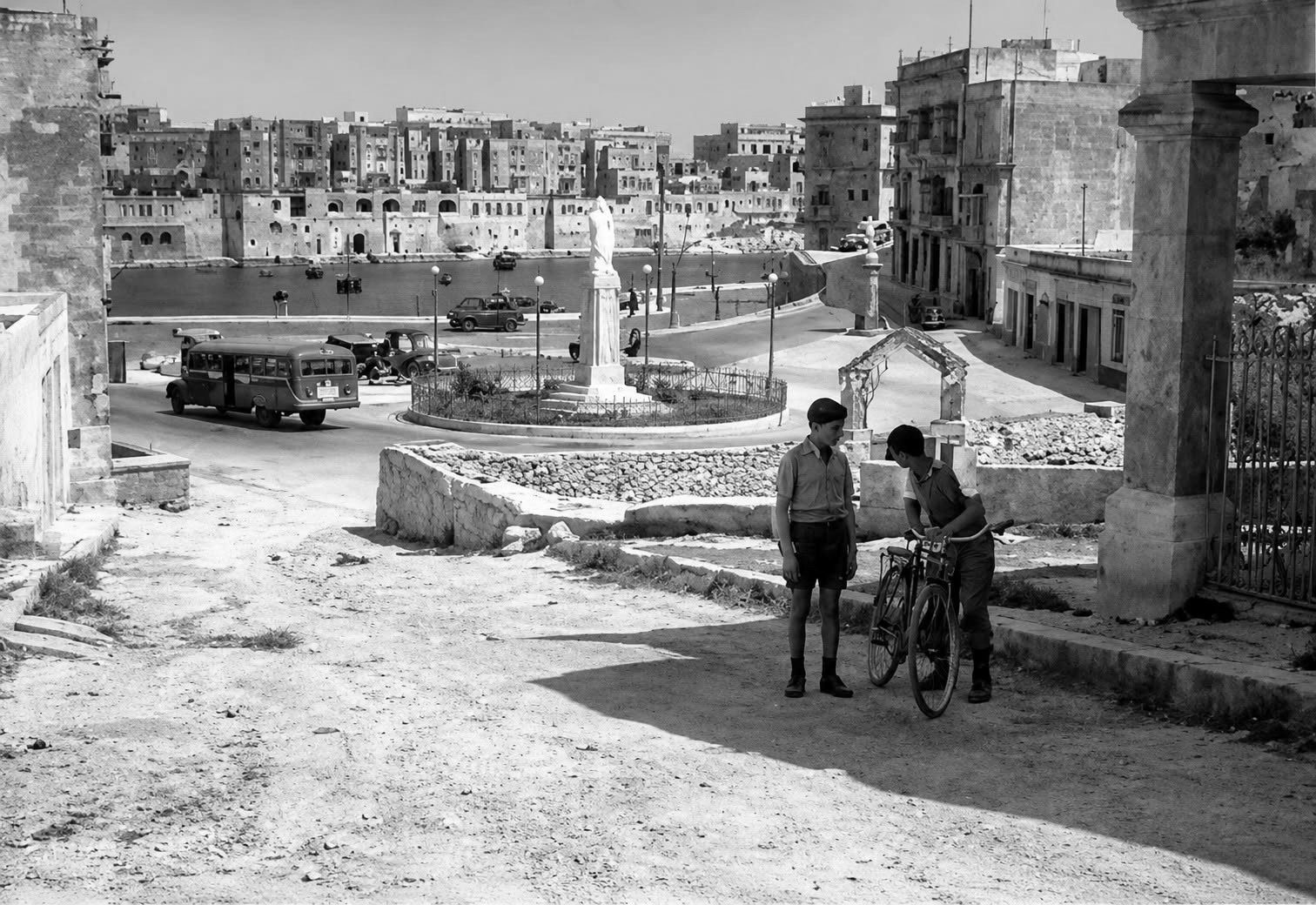
The island smelled different then. Salt and stone and something older underneath — the particular warmth that old limestone holds long after the sun has set. You could sit on the bastions in Valletta at nine in the evening and hear the water. Actually hear it. Not through the noise of a hundred restaurants and the bass from three competing bars and the construction crane that has been there since 2017 and shows no signs of finishing anything.
You could find parking.
I know how that sounds. A man reminiscing about parking. But parking is not really what I'm talking about. Parking is just the shorthand for the feeling of being on a small island that still had room — room to breathe, room to move, room to be quiet.
That feeling is gone. And this week, PwC published a report that explains, in careful professional language, exactly where it went and how far it is still going to go.
588,254
That is how many people live in Malta now. At the end of 2025. On 316 square kilometres of limestone in the middle of the Mediterranean.
When I arrived, it was closer to 430,000. The island has added the population of a medium-sized European city in twelve years. Not through any policy of expansion or deliberate choice — through the logic of economic growth, which requires labour, which requires people, which requires somewhere for those people to live, which drives up rents, which pushes out the people who were already here, which requires more people to replace them, and so the cycle continues.
PwC projects 636,000 by 2030. Their optimistic scenario is 624,000. Their pessimistic scenario — pessimistic from a growth perspective, though I'm not sure that's the right frame — is 660,000.
31% of the current population is foreign. By 2030, that rises to 38%. The local Maltese population has remained flat at just over 400,000. What is growing is everyone else. What is leaving, quietly and without ceremony, is the place that made people want to come here in the first place.
What growth costs
A one-bedroom apartment in Sliema costs a minimum of €1,500 a month now. The average net salary in Malta is approximately €1,416 a month. I will let you sit with the mathematics of that for a moment.
The Maltese families who have lived here for generations — who own their homes, whose parents owned their homes, who grew up in neighbourhoods they can no longer afford to rent in — are sitting on paper wealth they cannot spend, watching their children move to Gozo or to London or to wherever the calculation works out better. Rents have risen 28% above recent averages. In May 2025, real estate sales in Malta hit €320 million in a single month. The state housing company ran out of money in November.
In Valletta — the capital, the UNESCO World Heritage Site, the city built by the Knights to withstand the Ottomans — one in five liveable dwellings is now a short-term rental. The old city, which survived siege and bombing and four centuries of empire, is being hollowed out one Airbnb listing at a time.
The GDP figures are extraordinary. Growth averaged nearly 7% a year for a decade. Per capita income has nearly doubled since 2013. By the headline metrics, Malta is an unambiguous success story.
But GDP measures output, not welfare. And the output has been generated by a model that imports labour to keep wages contained, converts residential stock into tourist accommodation, and counts the transaction values as prosperity. The people doing the work — the ones who arrived from the Philippines, from India, from Serbia, from Turkey — many of them are living in conditions that the growth figure does not reflect. The Maltese who grew up here are increasingly unable to afford the island their families built.
The rock
There is something about Malta that outsiders miss and insiders feel but rarely say directly: the island has a personality. Not a metaphorical one. A literal one. The limestone absorbs the heat and releases it slowly. The light in the late afternoon does something to the colour of the buildings that doesn't happen anywhere else I've been. The sea has a particular green-blue in the inlets near Marsaxlokk that I have never seen reproduced in a photograph.
These things are not economic indicators. They cannot be measured in beds per 100,000 residents or megawatt-hours of imported electricity or population density per square kilometre, though PwC's report measures all of those things carefully and the numbers are alarming in their own right.
What I am talking about is something harder to quantify and easier to lose. The feeling of a place. The particular combination of scale and history and light and silence that made this island worth living on — worth arriving at without a plan, worth staying for, worth building something in.
I read the PwC report and felt something I wasn't expecting. Not alarm, exactly. Not anger. Grief, maybe. The particular sadness of watching something change past the point where it can change back.
Those were the days.
The limestone is still here. The sea is still here. The light at nine in the evening still does something to the bastions that makes you stop walking and look.
But the silence is gone. And 636,000 people by 2030 means it isn't coming back.
--- FreeMalta tracks Malta's real cost of living, salaries, and housing data. The Cost of Living Calculator gives you the real 2026 numbers. The Salary Benchmark tells you what the market actually pays. And the Property & ROI Calculator is for the ones still thinking about buying.