Why Founders Lose Their Own Companies

There is a pattern so consistent it borders on ritual. You build something. It grows. And then, one Tuesday morning, the people you invited in to help you build it vote you out of the room.
Steve Jobs. Travis Kalanick. Sam Altman. The list is long and the story is always the same — founder builds empire, board decides founder is the problem, founder leaves the building they designed.
The mechanism is always money.
Not greed, exactly. Survival. In the early days, you need capital. Capital comes with strings. Strings become board seats. Board seats become votes. And votes, eventually, become the moment someone decides that the person who started all of this is no longer the right person to finish it.
Jobs gave away too much too early. By the time Apple was worth something, the people he had let in owned more of it than he did. The board that fired him in 1985 was a board he had helped construct. He came back twelve years later, bought his own company back for $7 per share, and turned it into the most valuable business in human history. The lesson was expensive.
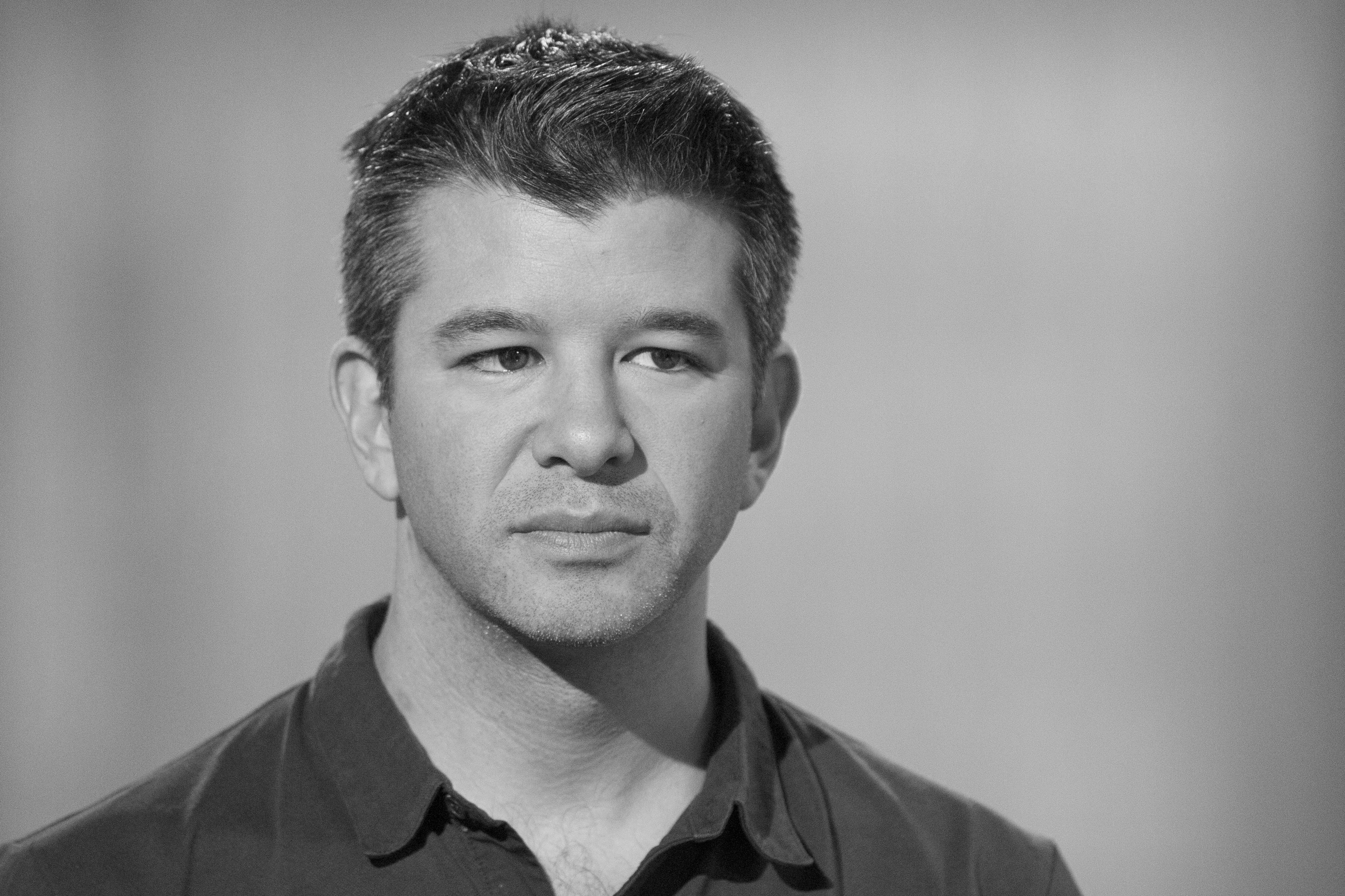
Travis Kalanick built Uber from nothing into the most valuable private company in the world — and then watched the board he had assembled hand him a letter asking for his resignation. He was on holiday in Chicago when it happened. He signed. He had no choice. The capital he had taken to scale the company had quietly become the mechanism of his removal.
Sam Altman lasted a weekend. OpenAI's board fired him on a Friday in November 2023. By Sunday, 700 of his 770 employees had signed a letter threatening to quit. Microsoft applied pressure. By Monday, he was back. The board that fired him was itself dissolved within days. But the episode revealed something uncomfortable — even at a nonprofit, even with a mission, control is always the question underneath every question.
Jensen Huang is the exception that proves the rule. He built Nvidia from a garage in 1993 and still runs it today. His stake has been diluted from over 50% at founding to approximately 3.5% now — not because he sold, but because he gave equity to employees to build something worth owning a small piece of. That 3.5% is currently worth over $180 billion. He never lost control because he never needed to take capital that came with board seats attached.
Zuckerberg learned the lesson early and structured around it. Meta uses a dual-class share structure — his shares carry ten votes each. He holds 13% of the economic value of the company and 57% of the voting power. Nobody is voting him out of anything. He engineered his own permanence before anyone had the chance to question it.
FreeMalta has never spoken to an angel investor. Never opened a funding round. Never sat across a table from a VC and listened to the terms.
This was not an accident.
The platform was built on Malta Enterprise grants, EU funding applications, and affiliate revenue — not equity. The consequence is that every decision made at FreeMalta since day one has been made by one person, without a committee, without a board, without a Monday morning meeting where someone else decides what the priorities are.
Speed is a function of accountability. When there is no one to ask permission from, you move faster. When there is no board to update, you ship instead of presenting. When there is no investor letter to write, you spend the time building the thing the letter would have been about.
FreeMalta went from zero to 40,000+ daily organic impressions, 60+ global brand partnerships, and Official OpenAI Partner status in eight months. One person. No investors. No board. No votes.
The founders who lost their companies didn't fail because they weren't good enough. They failed because they took money from people who eventually decided they knew better. That is not a character flaw. It is a structural one.
Control is not a nice-to-have. It is the product.