
FTNT · Sunnyvale, California
Fortinet
Built by two brilliant brothers who chose proprietary custom silicon chips over cheap software tricks.
Live Price
—
Today
—
Symbol
FTNT
2000
The Xie brothers and the custom silicon obsession
Fortinet was founded in 2000 by brothers Ken and Michael Xie, who had previously created NetScreen Technologies before it was acquired by Juniper Networks for $4 billion. While all their early cybersecurity competitors built security software designed to run on generic, off-the-shelf Intel processors, the Xie brothers made a radical hardware bet. They spent millions of dollars designing their own proprietary Application-Specific Integrated Circuits (ASICs), known as the FortiASIC chip. This custom hardware allowed Fortinet appliances to inspect network traffic thousands of times faster than pure software competitors without bottlenecking internet speeds.
2009
The profitable NASDAQ IPO defiance
Unlike most tech startups that burn cash for decades, Fortinet achieved consistent profitability early in its lifecycle due to its high-margin hardware manufacturing model. The company went public on the NASDAQ in November 2009, raising $156 million in the middle of the global financial crisis when capital markets were completely frozen. The IPO was a massive success, proving to Wall Street that enterprise IT managers were willing to pay premium prices for hardware security appliances that bundled firewall, antivirus, and intrusion prevention into a single box.
2020
The work-from-home network explosion
The outbreak of the global pandemic in 2020 triggered an unprecedented financial boom for Fortinet's core business operations. As millions of corporate employees were forced to work from home overnight, global enterprises faced a massive security emergency protecting remote network endpoints. Fortinet's proprietary FortiGate firewalls, which included built-in secure SD-WAN technology, became the industry standard solution. The company's quarterly revenues exploded, pushing its market capitalization past $30 billion as corporations ordered hundreds of thousands of physical units.
2023
The critical edge hardware vulnerability crisis
In mid-2023, Fortinet faced a severe operational crisis when international cyber intelligence agencies discovered that Chinese state-sponsored hackers were actively exploiting a zero-day vulnerability in Fortinet's FortiOS operating system. The sophisticated hackers targeted government and financial networks by deeply embedding malicious firmware inside the physical devices. The company was forced to issue emergency software patches and launch global security audits, exposing the inherent vulnerability risk of relying on a centralized, hardware-heavy infrastructure.
2026
The data center ASIC dominance cycle
By mid-2026, Fortinet solidified its position as the financial market leader in high-performance data center security, with annual revenues climbing past $6.2 billion. As massive AI data centers scaled up globally, consuming immense electricity and network bandwidth, generic software firewalls became computationally impossible to run efficiently. Fortinet's next-generation SP5 ASIC chips, which process data at the physical hardware layer with 80% lower power consumption than traditional CPUs, became mandatory infrastructure for massive cloud service providers, keeping the Xie brothers' hardware vision highly profitable.
Frequently Asked Questions
Who founded Fortinet?
Fortinet was founded by Ken Xie, Michael Xie.
When was Fortinet founded?
Fortinet was founded in 2000.
Where was Fortinet founded?
Fortinet was headquartered in Sunnyvale, California.
Why was Fortinet created?
Fortinet was founded in 2000 by brothers Ken and Michael Xie, who had previously created NetScreen Technologies before it was acquired by Juniper Networks for $4 billion. While all their early cybersecurity competitors built security software designed to run on generic, off-the-shelf Intel processors, the Xie brothers made a radical hardware bet. They spent millions of dollars designing their own proprietary Application-Specific Integrated Circuits (ASICs), known as the FortiASIC chip. This custom hardware allowed Fortinet appliances to inspect network traffic thousands of times faster than pure software competitors without bottlenecking internet speeds.
What does Fortinet do?
Built by two brilliant brothers who chose proprietary custom silicon chips over cheap software tricks. Fortinet was built by two brothers who designed custom silicon chips to beat software security firms. Read the full history of Fortinet.
How did Fortinet grow?
By mid-2026, Fortinet solidified its position as the financial market leader in high-performance data center security, with annual revenues climbing past $6.2 billion. As massive AI data centers scaled up globally, consuming immense electricity and network bandwidth, generic software firewalls became computationally impossible to run efficiently. Fortinet's next-generation SP5 ASIC chips, which process data at the physical hardware layer with 80% lower power consumption than traditional CPUs, became mandatory infrastructure for massive cloud service providers, keeping the Xie brothers' hardware vision highly profitable.
Tools & Platforms
For Investors
The market doesn't care about your feelings.
But your broker's fees do.
But your broker's fees do.
Most people have a brokerage account. Fewer understand what it really costs them — in spreads, in fees, in missed instruments. Malta-regulated, direct market access, 600,000+ instruments.
Exante
Malta MFSA · 50 exchanges
Tickmill
Forex from 0.0 pips
Vantage
Multi-asset trading
Polymarket
Prediction markets
For Entrepreneurs
Opening a US company costs $300.
Most people think it's complicated. It isn't.
Most people think it's complicated. It isn't.
Most founders spend weeks on formation, banking and payments. The ones who move fast know which tools to use before they start. A US LLC, a real business account, and a way to pay people — in that order.
Mercury
Business finance · 300K+ founders
Doola
US LLC formation · YC backed
Melio
B2B payments
Xero 95% OFF
Accounting · 6 months
For C-Suite
Your competitor pays $200 less per month for EOR.
You're still on a spreadsheet.
You're still on a spreadsheet.
BVNK hired 20% of its workforce through Deel. The smartest operators aren't managing payroll complexity — they're outsourcing it. EOR in 150+ countries, multi-currency accounts, workforce payments at $200 less per month than competitors.
Deel
EOR · 150+ countries
Payoneer
$399/mo EOR · Save $200
Wise Business
40+ currencies · No hidden fees
Gusto
US payroll & benefits
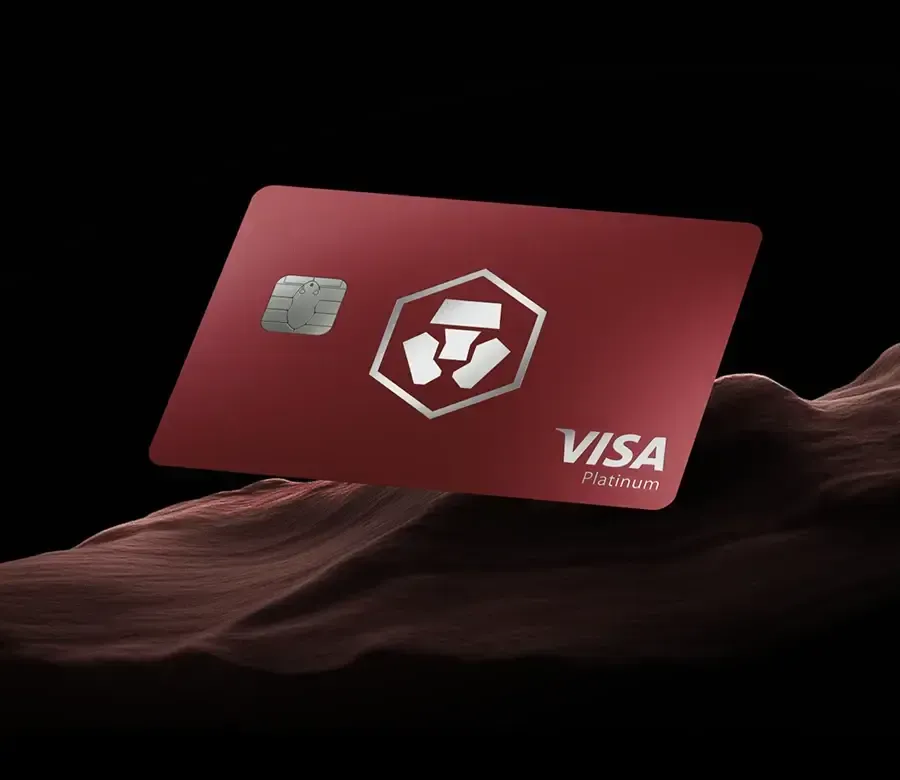
PLUS
2.0%
back in crypto · on every spend
€3.99 / month
or €39.90/year (€3.32/month)
Zero trading fees up to $20K/month
2.0% back in crypto on card spend
0% foreign exchange fees
EUR Cash Yield up to 1.35% p.a.
CRO Yield up to 2.00% p.a.
Virtual Visa card · Flexible cancel
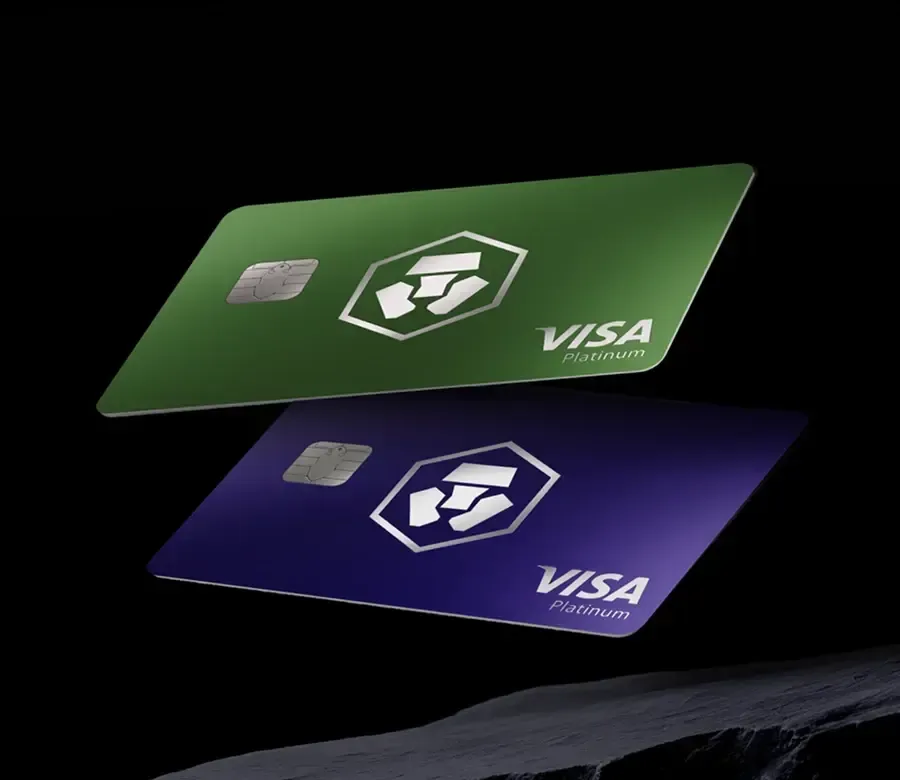
PRO
3.0%
back in crypto · on every spend
€24.99 / month
or €249.90/year (€20.82/month)
Zero trading fees up to $50K/month
3.0% back in crypto on card spend
0% foreign exchange fees
EUR Cash Yield up to 1.70% p.a.
CRO Yield up to 2.50% p.a.
Airport lounge access (Priority Pass)
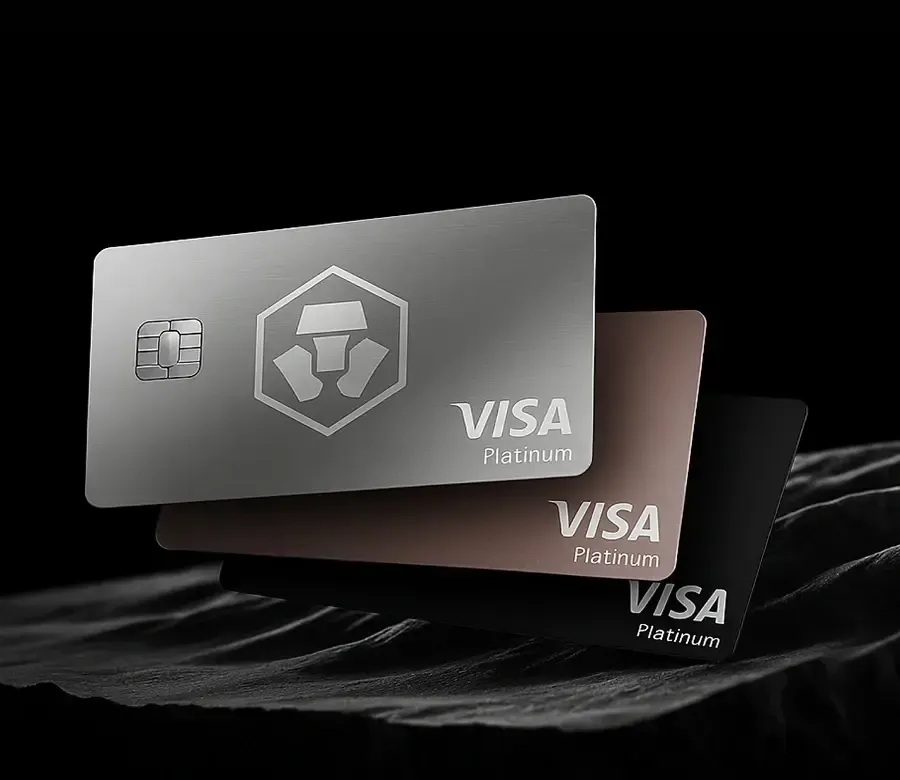
PRIVATE
4–6%
back in crypto · on every spend
CRO Lockup from €45,000
8.5% yield · 12-month staking · €450K tier at 9.5%
Zero trading fees · Unlimited volume
4.0%–6.0% back in crypto
0% foreign exchange fees
EUR Cash Yield up to 1.80% p.a.
Extra 1% p.a. on Earn allocations in CRO
VIP events · Exclusive experiences
8.5% CRO lockup rewards
Also in The Garage