
HEIA.AS (Euronext Amsterdam) · Amsterdam, Netherlands
Heineken
A 22-year-old Dutchman bought Amsterdam's most popular brewery in 1873 and decided to make better beer. Built the world's second-largest brewer. Still family-controlled after 150 years.
Live Price
—
Today
—
Symbol
HEIA.AS (Euronext Amsterdam)
1873
A 22-year-old and an Amsterdam brewery
Gerard Adriaan Heineken was 22 years old in 1873 when he convinced his mother — Arnoldina Heineken, a wealthy Amsterdam widow — to purchase De Hooiberg (The Haystack), the largest brewery in Amsterdam. The city's water was too polluted for safe drinking, so the Dutch drank beer instead; Amsterdam's breweries were booming. Gerard was not content to brew ordinary beer: he hired a student of Louis Pasteur, Dr. Elion, to develop a proprietary yeast culture — Heineken A-yeast — that was stable, consistent, and produced a clean-tasting lager. The yeast became the biological foundation of a brand that would eventually be drunk in 192 countries.
1889
The Paris World's Fair and international recognition
Heineken beer won a gold medal at the Paris World's Fair in 1889 — an international exhibition that attracted millions of visitors and provided global publicity for exhibiting brands. The award confirmed Heineken's quality and gave it the marketing platform to pursue export markets. The company began exporting to France, the UK, and the United States — the latter becoming the most important international market when Prohibition ended in 1933. Heineken was one of the first European beers to arrive in the US market after repeal, positioning itself as a premium import at a time when most Americans were drinking domestic lagers.
1962
Freddy Heineken and the brand as marketing object
Alfred Henry "Freddy" Heineken took over from his grandfather in 1942 and became one of the 20th century's most effective brand builders. He was personally obsessed with every aspect of the Heineken visual identity: the red star, the distinctive green bottle, the colour of the label, the "smiling e" letters in the Heineken wordmark. He understood that a beer bottle was a marketing object visible in every bar in the world. Freddy also pioneered the use of beer sponsorships — particularly in European football and Formula 1 — that built brand associations with aspiration and quality. He was kidnapped for ransom in 1983 and held for 21 days before police freed him; the episode left a deep mark on his family.
2010
FEMSA, APB, Fraser and Neave — building the global footprint
Heineken built its position as the world's second-largest brewer through a series of major acquisitions: FEMSA Cerveza from Mexico in 2010 (gaining Tecate, Dos Equis, and the dominant Mexican beer distribution network) for €5.3 billion; Asia Pacific Breweries (Tiger Beer) via a Singapore restructuring in 2012; and various African and Eastern European acquisitions that made Heineken the dominant brewer across both continents. The acquisitions gave Heineken market leadership positions in over 70 countries — a geographic breadth that matched or exceeded AB InBev in many key developing markets.
2024
€36 billion revenue — 300 brands — L'Olivier family controls 88.5% of votes
Heineken reported revenue of approximately €36 billion for 2024 across its portfolio of over 300 beer brands in 190+ countries. The Heineken green bottle — sold in 192 countries — remained the world's most recognised beer brand internationally. The L'Olivier family (descendants of Gerard Adriaan Heineken, through the Heineken family holding company) retained 88.5% of voting rights through a complex holding structure, making Heineken one of the few major consumer goods conglomerates that remained effectively family-controlled after 150 years. The A-yeast that Dr. Elion had developed in 1873 — Heineken's biological identity — was still used in every barrel of Heineken brewed in every country on Earth.
Frequently Asked Questions
Who founded Heineken?
Heineken was founded by Gerard Adriaan Heineken.
When was Heineken founded?
Heineken was founded in 1873.
Where was Heineken founded?
Heineken was headquartered in Amsterdam, Netherlands.
Why was Heineken created?
Gerard Adriaan Heineken was 22 years old in 1873 when he convinced his mother — Arnoldina Heineken, a wealthy Amsterdam widow — to purchase De Hooiberg (The Haystack), the largest brewery in Amsterdam. The city's water was too polluted for safe drinking, so the Dutch drank beer instead; Amsterdam's breweries were booming. Gerard was not content to brew ordinary beer: he hired a student of Louis Pasteur, Dr. Elion, to develop a proprietary yeast culture — Heineken A-yeast — that was stable, consistent, and produced a clean-tasting lager. The yeast became the biological foundation of a brand that would eventually be drunk in 192 countries.
What does Heineken do?
A 22-year-old Dutchman bought Amsterdam's most popular brewery in 1873 and decided to make better beer. Built the world's second-largest brewer. Still family-controlled after 150 years. A 22-year-old Dutchman bought Amsterdam's biggest brewery in 1873 and hired a Pasteur student to make better beer. Built the world's second-largest brewer. Still family-controlled. €36B revenue. The full story.
How did Heineken grow?
Heineken reported revenue of approximately €36 billion for 2024 across its portfolio of over 300 beer brands in 190+ countries. The Heineken green bottle — sold in 192 countries — remained the world's most recognised beer brand internationally. The L'Olivier family (descendants of Gerard Adriaan Heineken, through the Heineken family holding company) retained 88.5% of voting rights through a complex holding structure, making Heineken one of the few major consumer goods conglomerates that remained effectively family-controlled after 150 years. The A-yeast that Dr. Elion had developed in 1873 — Heineken's biological identity — was still used in every barrel of Heineken brewed in every country on Earth.
Tools & Platforms
For Investors
The market doesn't care about your feelings.
But your broker's fees do.
But your broker's fees do.
Most people have a brokerage account. Fewer understand what it really costs them — in spreads, in fees, in missed instruments. Malta-regulated, direct market access, 600,000+ instruments.
Exante
Malta MFSA · 50 exchanges
Tickmill
Forex from 0.0 pips
Vantage
Multi-asset trading
Polymarket
Prediction markets
For Entrepreneurs
Opening a US company costs $300.
Most people think it's complicated. It isn't.
Most people think it's complicated. It isn't.
Most founders spend weeks on formation, banking and payments. The ones who move fast know which tools to use before they start. A US LLC, a real business account, and a way to pay people — in that order.
Mercury
Business finance · 300K+ founders
Doola
US LLC formation · YC backed
Melio
B2B payments
Xero 95% OFF
Accounting · 6 months
For C-Suite
Your competitor pays $200 less per month for EOR.
You're still on a spreadsheet.
You're still on a spreadsheet.
BVNK hired 20% of its workforce through Deel. The smartest operators aren't managing payroll complexity — they're outsourcing it. EOR in 150+ countries, multi-currency accounts, workforce payments at $200 less per month than competitors.
Deel
EOR · 150+ countries
Payoneer
$399/mo EOR · Save $200
Wise Business
40+ currencies · No hidden fees
Gusto
US payroll & benefits
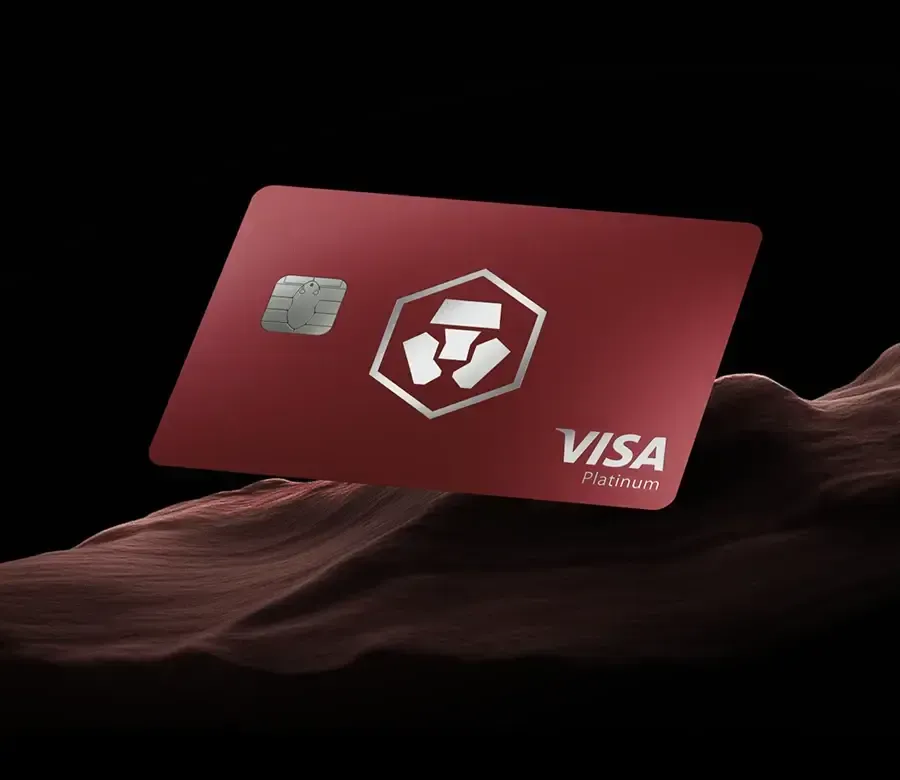
PLUS
2.0%
back in crypto · on every spend
€3.99 / month
or €39.90/year (€3.32/month)
Zero trading fees up to $20K/month
2.0% back in crypto on card spend
0% foreign exchange fees
EUR Cash Yield up to 1.35% p.a.
CRO Yield up to 2.00% p.a.
Virtual Visa card · Flexible cancel
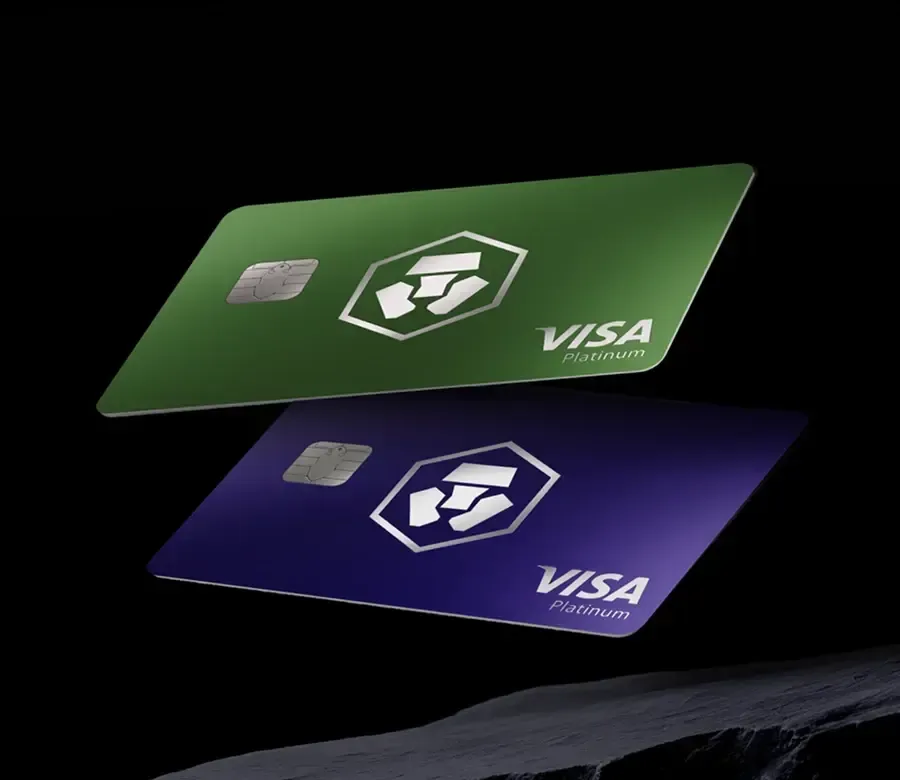
PRO
3.0%
back in crypto · on every spend
€24.99 / month
or €249.90/year (€20.82/month)
Zero trading fees up to $50K/month
3.0% back in crypto on card spend
0% foreign exchange fees
EUR Cash Yield up to 1.70% p.a.
CRO Yield up to 2.50% p.a.
Airport lounge access (Priority Pass)
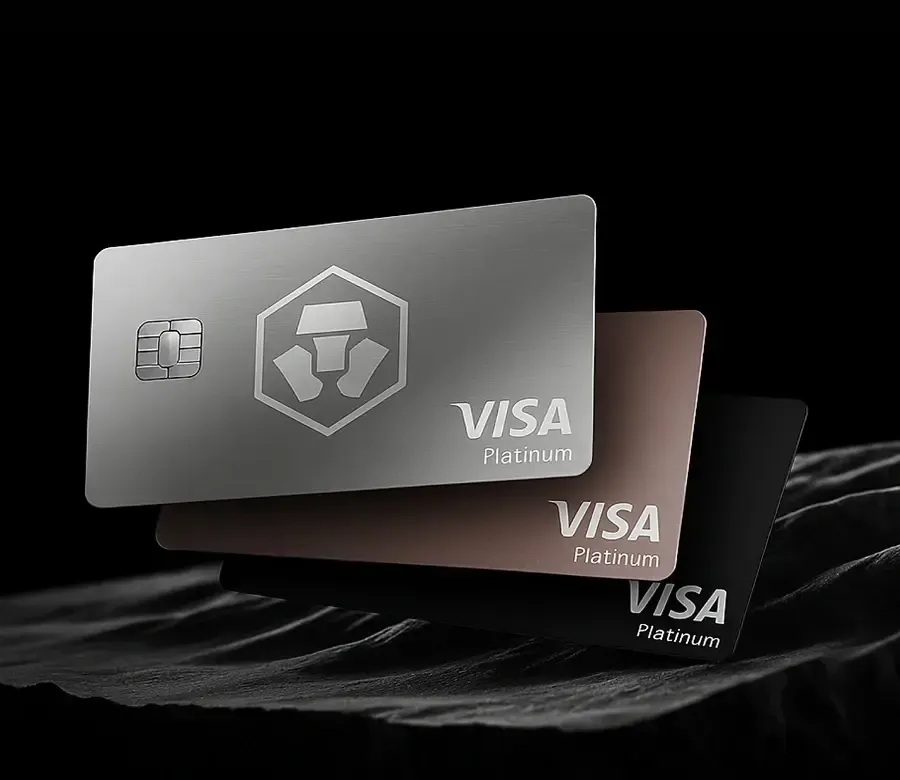
PRIVATE
4–6%
back in crypto · on every spend
CRO Lockup from €45,000
8.5% yield · 12-month staking · €450K tier at 9.5%
Zero trading fees · Unlimited volume
4.0%–6.0% back in crypto
0% foreign exchange fees
EUR Cash Yield up to 1.80% p.a.
Extra 1% p.a. on Earn allocations in CRO
VIP events · Exclusive experiences
8.5% CRO lockup rewards
Also in The Garage
Anheuser-Busch InBev SA/NV
Three Brazilian private equity guys bought Budweiser's parent company. Then bought SABMiller. Built a beer empire serving 500 million people daily.